Glowing ghost net among 20 striking images from the Mangrove Photography Awards 2026
Glowing ghost net among 20 striking images from the Mangrove Photography Awards 2026
Journey amongst twisting roots and dense canopies with this year's winning images from the Mangrove Photography Awards.
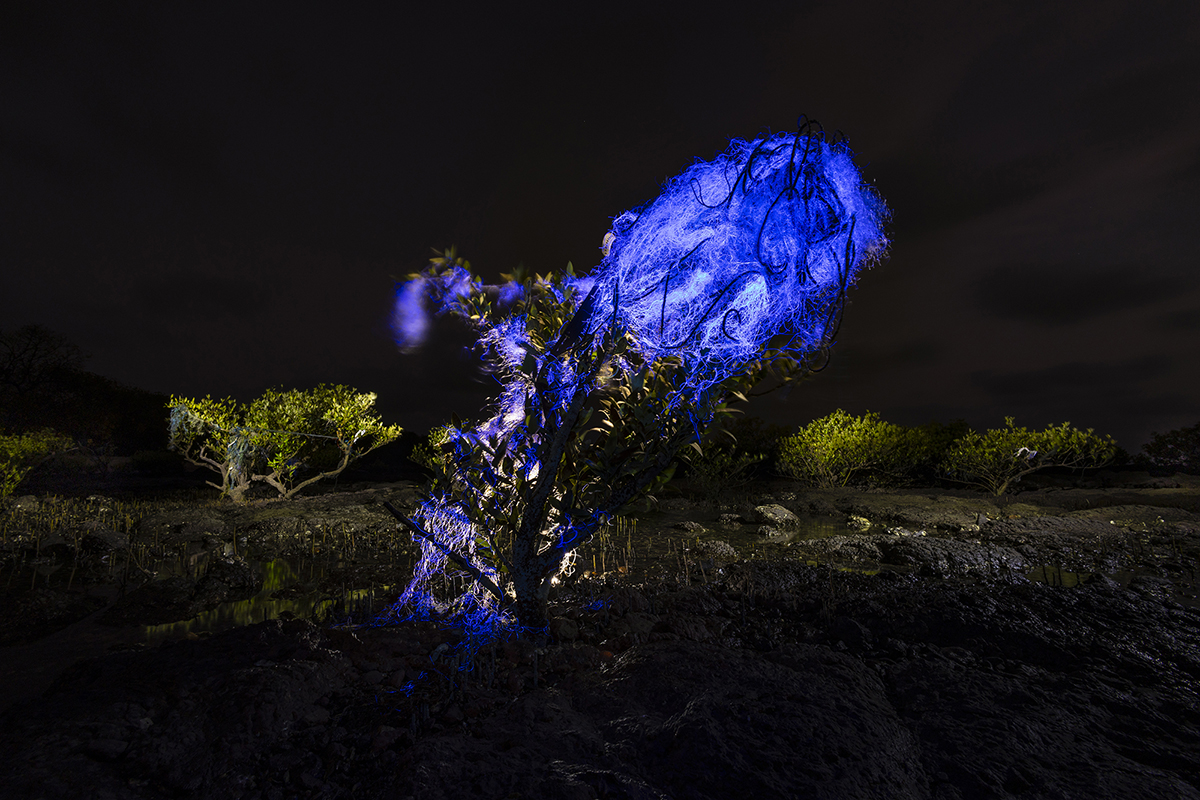
A ghost net glowing under ultraviolet light, tangled in a mangrove on the tide-swept shore of Nandgaon village, Maharashtra, south of Mumbai, has won this year's Mangrove Photography Awards. Captured on a 13-second UV exposure, the image reveals a quieter conservation crisis: discarded fishing nets carried in by currents and trapped in mangroves, turning these vital coastal barriers into hidden garbage hotspots.
While ghost gear's impact on open-water marine life is increasingly documented, its accumulation in mangrove ecosystems on India's coast has received far less attention. Mangroves sit at the interface between land and sea, meaning they can end up receiving waste from both directions.
“I came across this particular mangrove patch where discarded fishing nets were getting trapped during high tide. These nets, after getting discarded or lost from the fishing vessels, meet the oceanic currents which bring them to the coast. I have been watching ghost nets getting trapped in mangroves for the last several years, and I wanted to document it in an artistic manner to grab the attention of the viewers,” said photographer Gaurav Patil.
From glowing ghost nets to extraordinary wildlife encounters and striking conservation stories, the award-winning photographs reveal the richness and resilience of mangrove ecosystems around the world, while highlighting the growing threats they face.
This year's overall winning image, by Indian photographer Gaurav Patil, captures a ghost fishing net glowing beneath ultraviolet light as it hangs tangled in a mangrove on the coast of Maharashtra, south of Mumbai.
Using a 13-second UV exposure, Patil captures a haunting image that shows these vital coastal barriers turning into hidden garbage hotspots.
“I came across this particular mangrove patch where discarded fishing nets were getting trapped during high tide. I have been watching ghost nets getting trapped in mangroves for the last several years, and I wanted to document it in an artistic manner to grab the attention of the viewers,” says Patil.
Overall winner - Tangled Glow: When life meets the ruins byGaurav Patil
Mangroves sit at the interface between land and sea, meaning they can end up receiving waste from both directions. - Photo Credit: Gaurav Patil / Mangrove Photography Awards
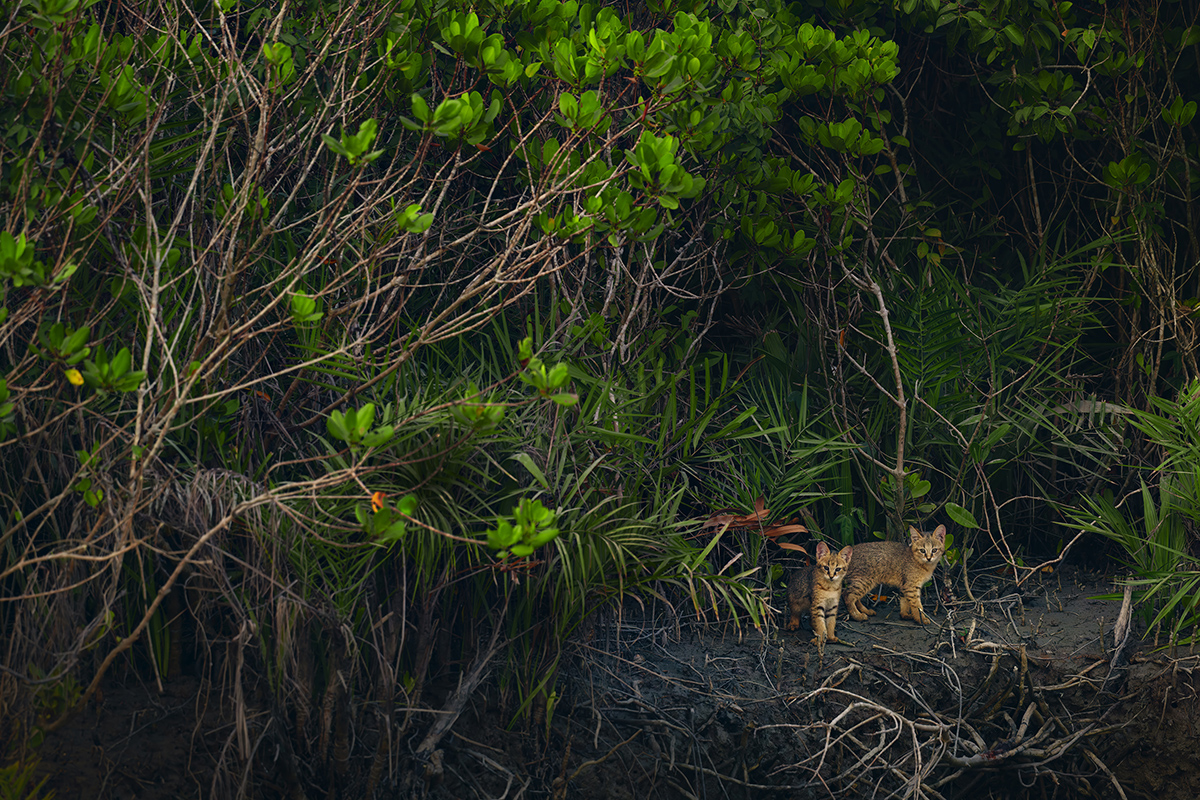
Mammals category, winner - Where the Mangroves Begin by Kallol Mukherjee
Two jungle cat kittens emerge from the dense mangrove forest in the Sundarban Tiger Reserve. A rare glimpse of the smaller, lesser-known wildlife that shares this tidal landscape with the reserve's tigers, and survives its shifting mud, saline water, and daily tidal flooding. - Photo Credit: Kallol Mukherjee / Mangrove Photography Awards
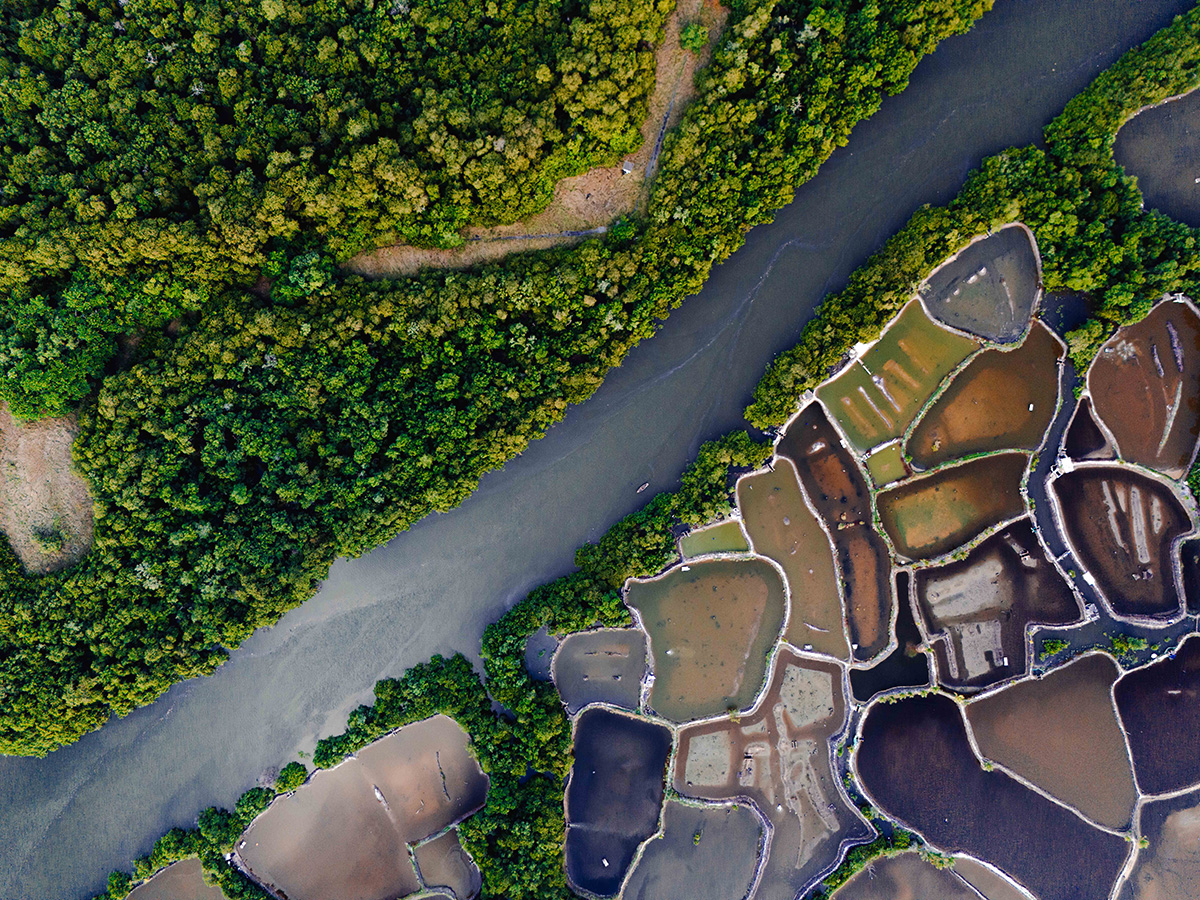
Landscape From the Air category, winner - MangueBeat by Lucas Gonçalves Garcias
Aerial view of the Tejipió River in Recife, dividing shrimp ponds maintained by residents of Ilha de Deus from a stretch of mangrove forest partly filled in for a Navy zone. The varied colours of the ponds trace different stages and depths of shrimp farming. - Photo Credit: Lucas Gonçalves Garcias / Mangrove Photography Awards
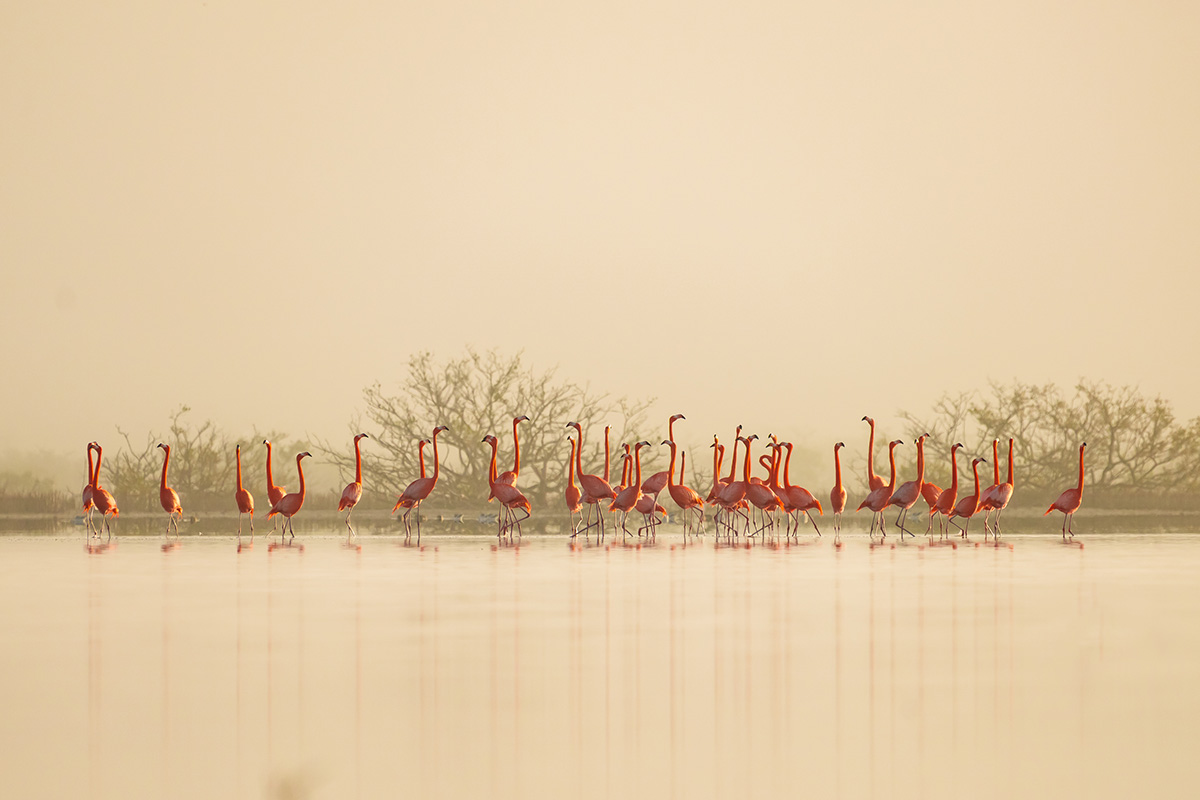
Birds category, highly commended - Dance in the Mist by Miguel Diaz Perez
A group of Caribbean flamingos performs a collective courtship display at dawn in a Yucatán swamp. - Photo Credit: Miguel Diaz Perez / Mangrove Photography Awards
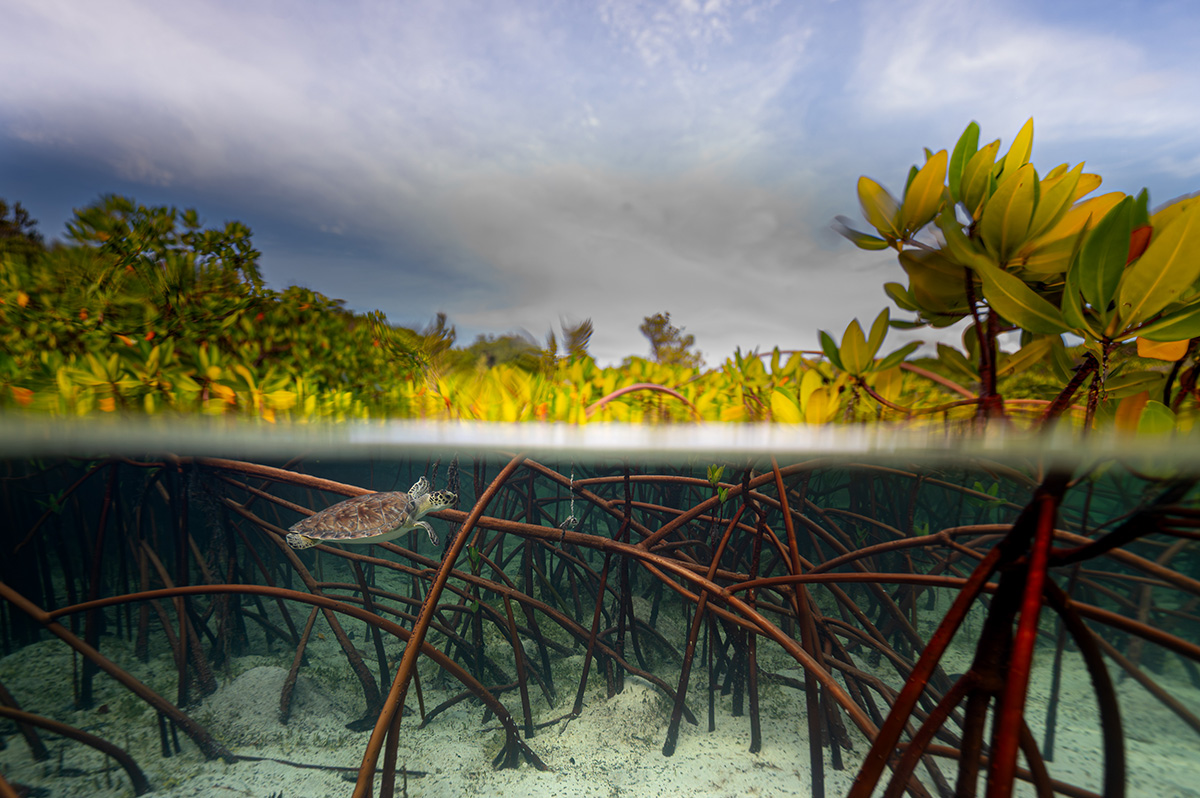
Other Species category, winner - Seeking Refuge in the Mangrove byEvan Cooper
A juvenile green turtle in a shallow Bahamian mangrove forest near sunset during high tide. As the water levels rise and the tide comes in, the mangroves' roots transform from a barren buffer to a flourishing ecosystem home to sea turtles, crustaceans and fish. This turtle likely just recruited here from the Sargasso Sea, based on its size. The mangrove forest provides shelter for turtles like this one from tiger sharks and other predators. - Photo Credit: Evan Cooper / Mangrove Photography Awards
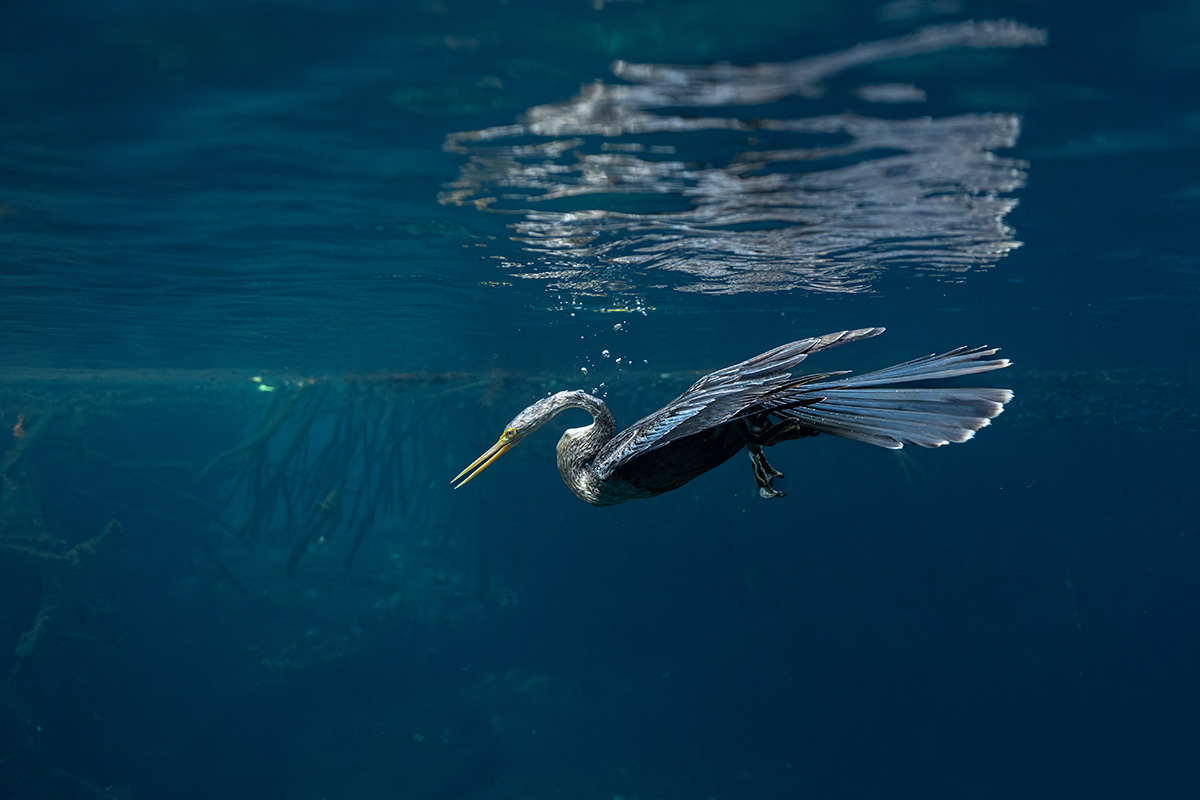
Underwater category, runner-up - The Silent Hunter by Valentina Cucchiara
An anhinga (also known as a snakebird) begins its underwater hunt in a mangrove lagoon, its un-waterproofed feathers letting it dive and glide through the water column. - Photo Credit: Valentina Cucchiara / Mangrove Photography Awards
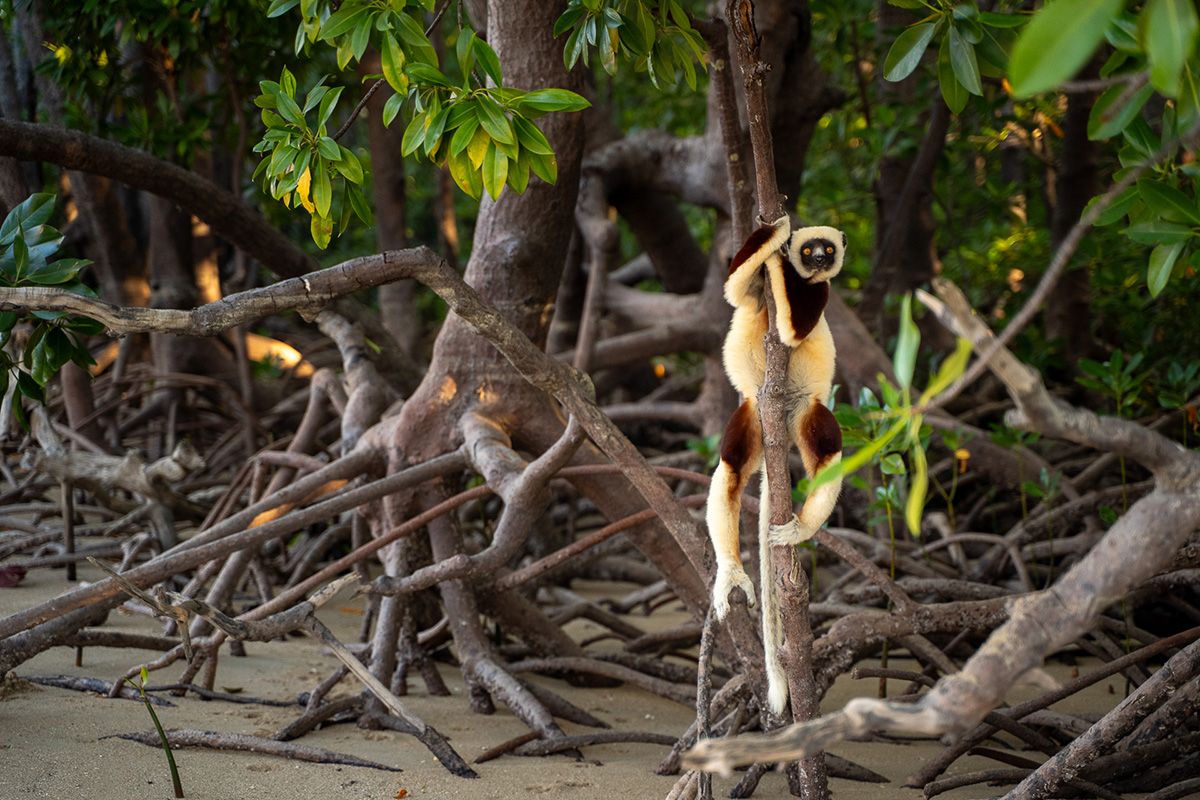
Mammals category, highly commended - Sentinel of the Mangrove byRaj Hassanaly
A white-fronted lemur navigates the intricate root systems of Madagascar's mangroves: ecosystems which provide essential habitat for at least 23 lemur species. - Photo Credit: Raj Hassanaly / Mangrove Photography Awards
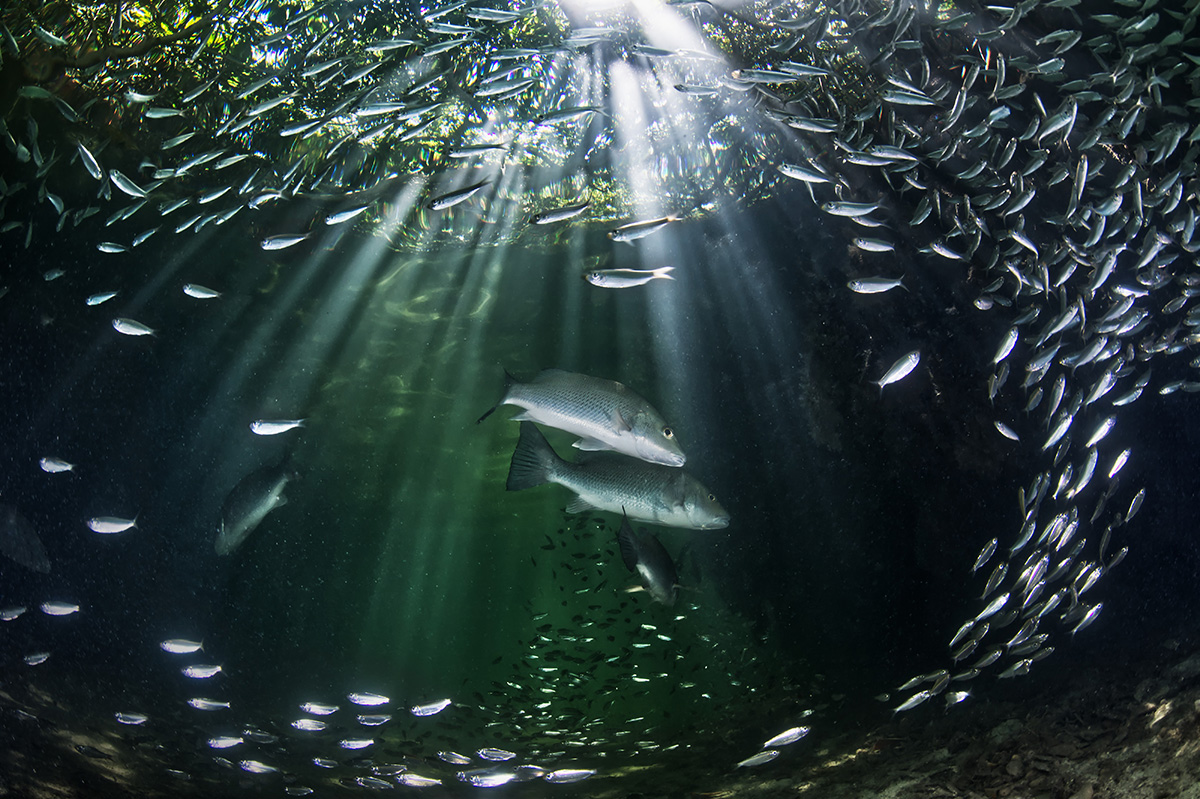
Underwater category, winner - Feeding Grounds Under the Canopy by Ewan Tregarot
Grey snappers hunt through a school of baitfish beneath the mangrove canopy of Lac Bay in Bonaire: a Caribbean island in the Leeward Antilles. This images was captured during a fish monitoring survey, as shafts of midday light revealed predator-prey interactions usually hidden within these submerged forests. - Photo Credit: Ewan Tregarot / Mangrove Photography Awards
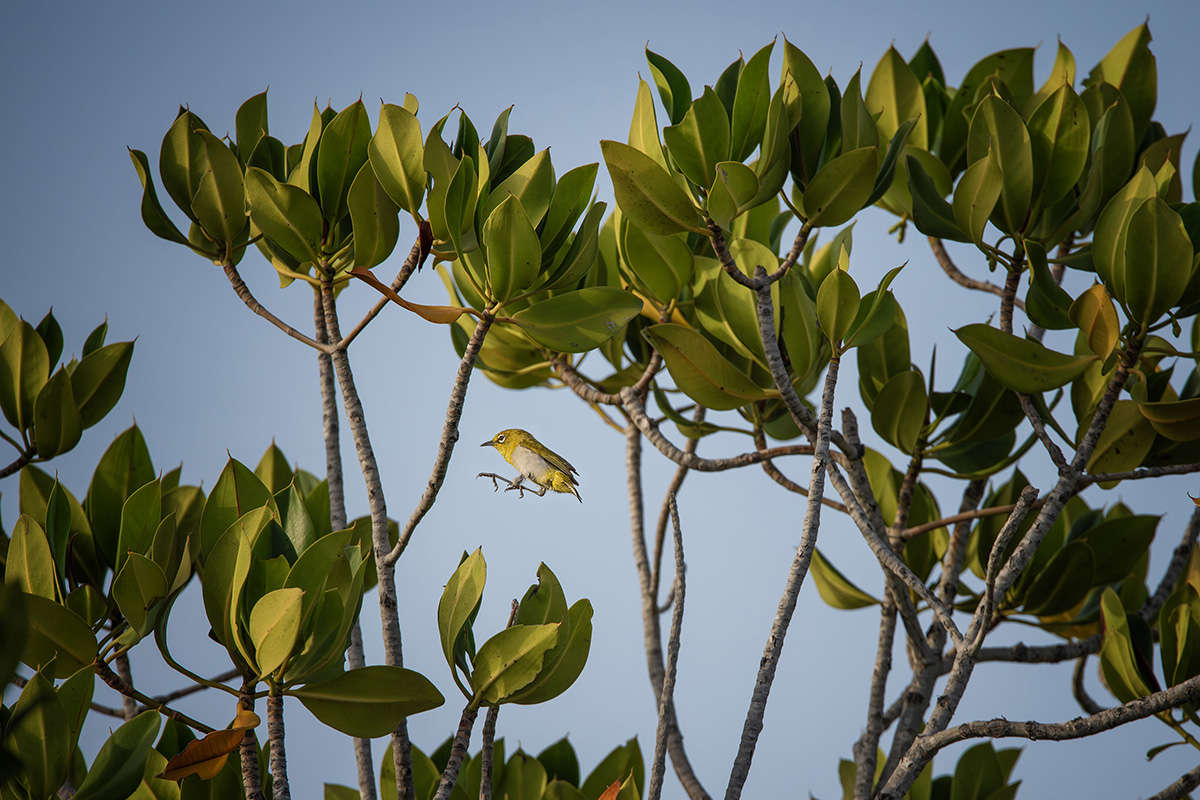
Birds category, runner-up - Indian White-eye byErfan Samanfa
An Indian white-eye comes in to land among the branches of a mangrove tree on Iran's coast. The species is closely tied to mangrove habitat, foraging and nesting among the leaves and branches. - Photo Credit: Erfan Samanfar / Mangrove Photography Awards
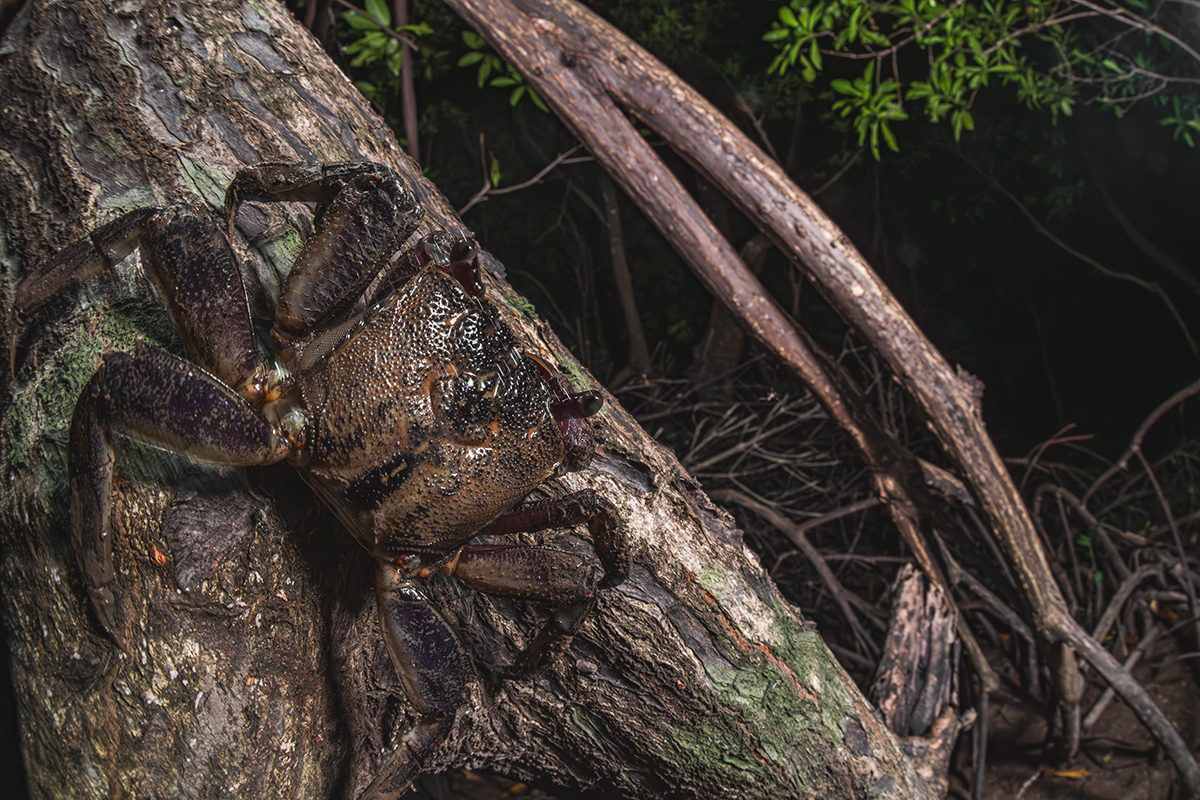
Other Species category, runner-up - Blending into the Bark by Dmitry Ivanov
At night, a mangrove crab moves along the roots of a Rhizophora forest. Roots and trunks serve as pathways and refuges, while feeding on fallen leaves and other organic debris helps return nutrients to the mangrove ecosystem. - Photo Credit: Dmitry Ivanov / Mangrove Photography Awards
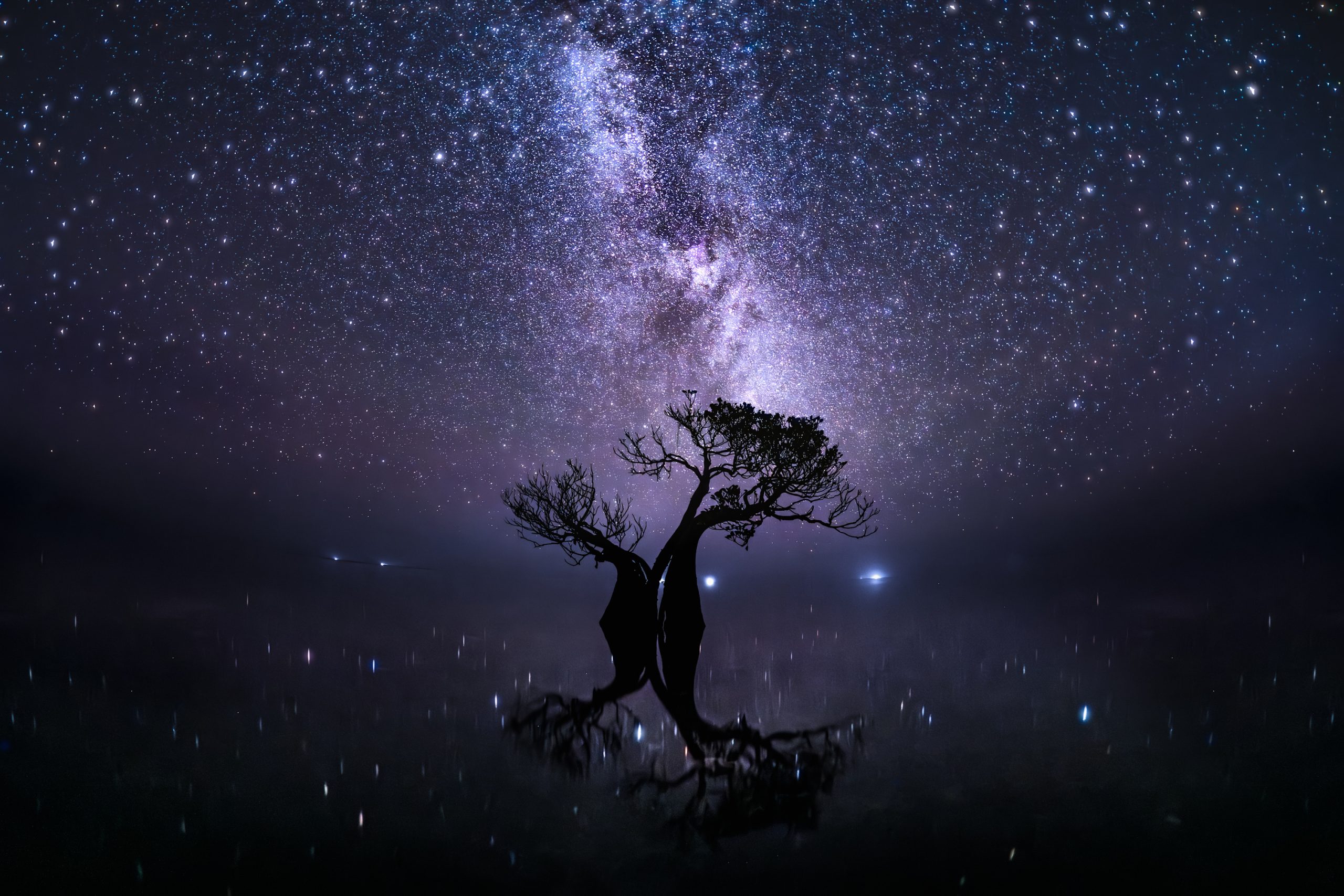
Landscape On the Ground category, winner - Beneath Ancient Light byRyuhei Suguri
Under the Milky Way, a solitary mangrove stands in shallow tidal water, its reflection still in the low tide. - Photo Credit: Ryuhei Suguri / Mangrove Photography Awards
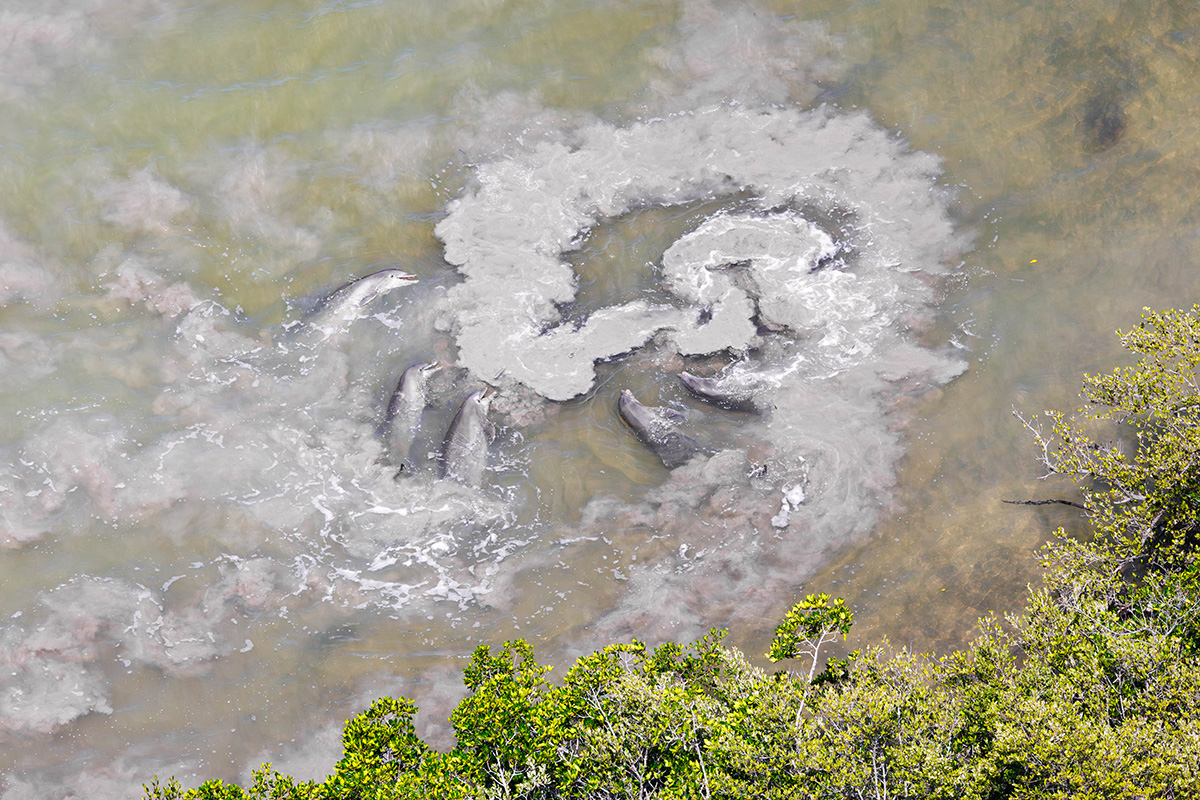
Mammals category, highly commended - Dolphin Mud-ring Feeding: The Capture byMark Ian Cook
Bottlenose dolphins grab jumping mullet using a cooperative feeding behaviour called 'mud-ring feeding’, a strategy limited almost exclusively to the shallow, mangrove-lined coast of Florida Bay in southern Florida. - Photo Credit: Mark Ian Cook / Mangrove Photography Awards
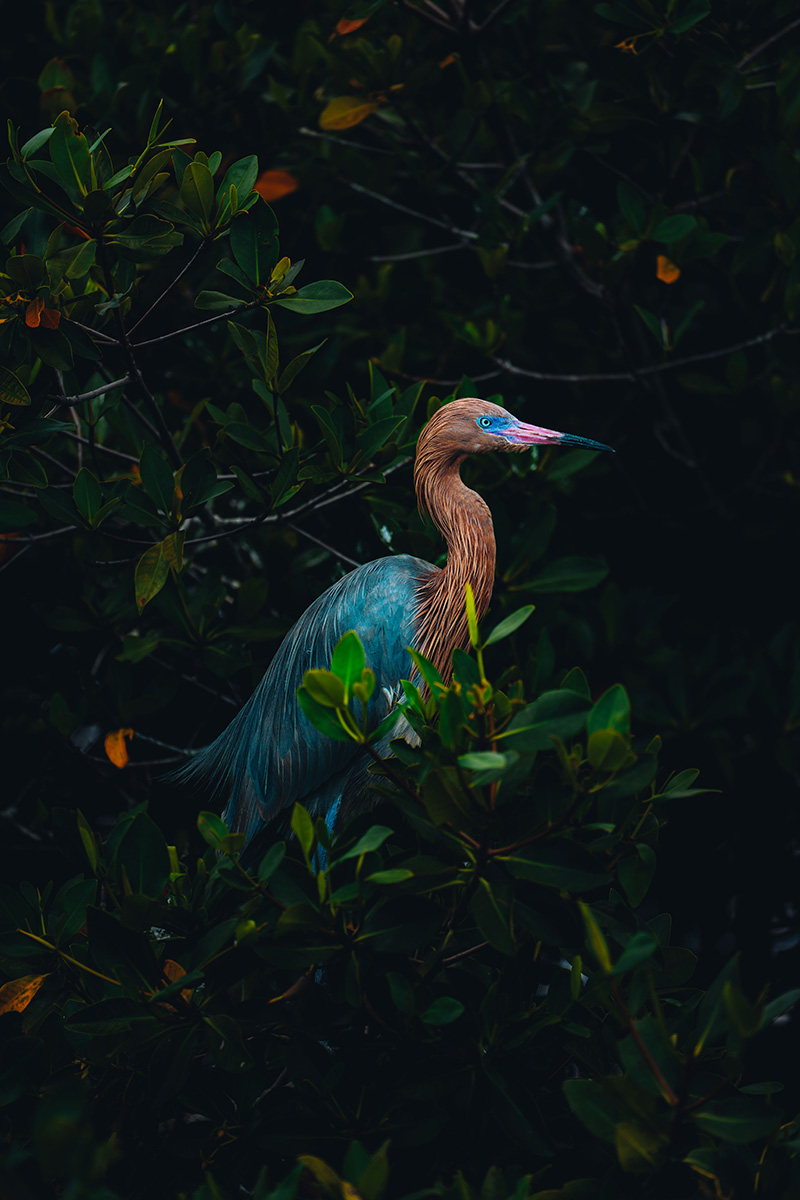
Birds category, highly commended - Reddish Rarity byDillon Roberts
The photographer came across this reddish egret while paddling through the mangroves of Bimini, The Bahamas. It was the first time he'd seen the rare species. - Photo Credit: Dillon Roberts / Mangrove Photography Awards
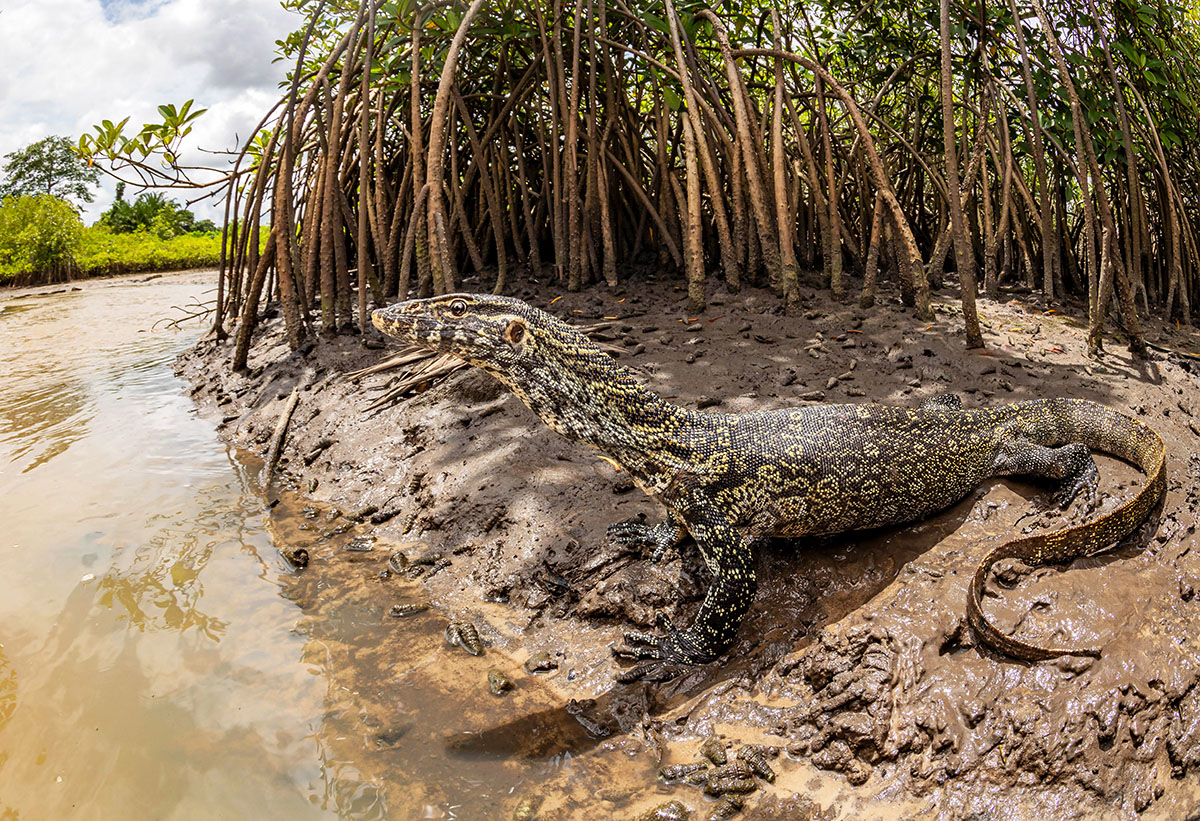
Other Species category, highly commended - Guardian of the Mangrove Edge byJesús Jiménez González
An adult Nile monitor (Varanus niloticus) patrols the shoreline of a mangrove forest, where land and water converge to create one of Africa’s most productive and biodiverse ecosystems. As one of Africa’s largest lizards, the Nile monitor is a highly adaptable predator, capable of thriving in a wide range of wetland habitats. Within mangrove ecosystems, however, it occupies a particularly important ecological niche, linking aquatic and terrestrial food webs through its diverse diet and active foraging behavior. - Photo Credit: Jesús Jiménez González / Mangrove Photography Awards
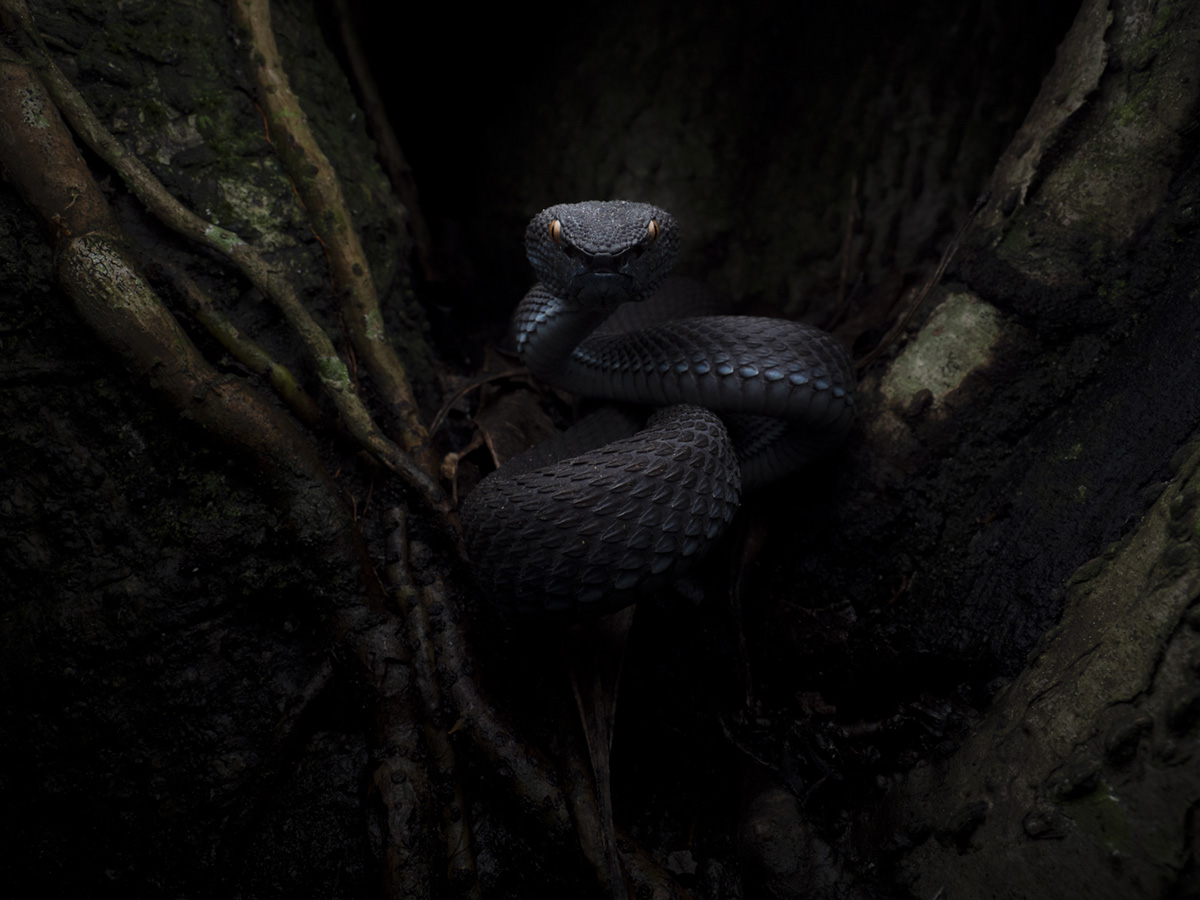
Young Photographer, runner-up - Unblinking Watcher by Marcus Kuan
Coiled in the buttress roots of Pasir Ris Park, in eastern Singapore, this mangrove pit viper is known locally as "Blu 2" for her rare blue-lipped morphology. It took three months of attempts to photograph. - Photo Credit: Marcus Kuan / Mangrove Photography Awards
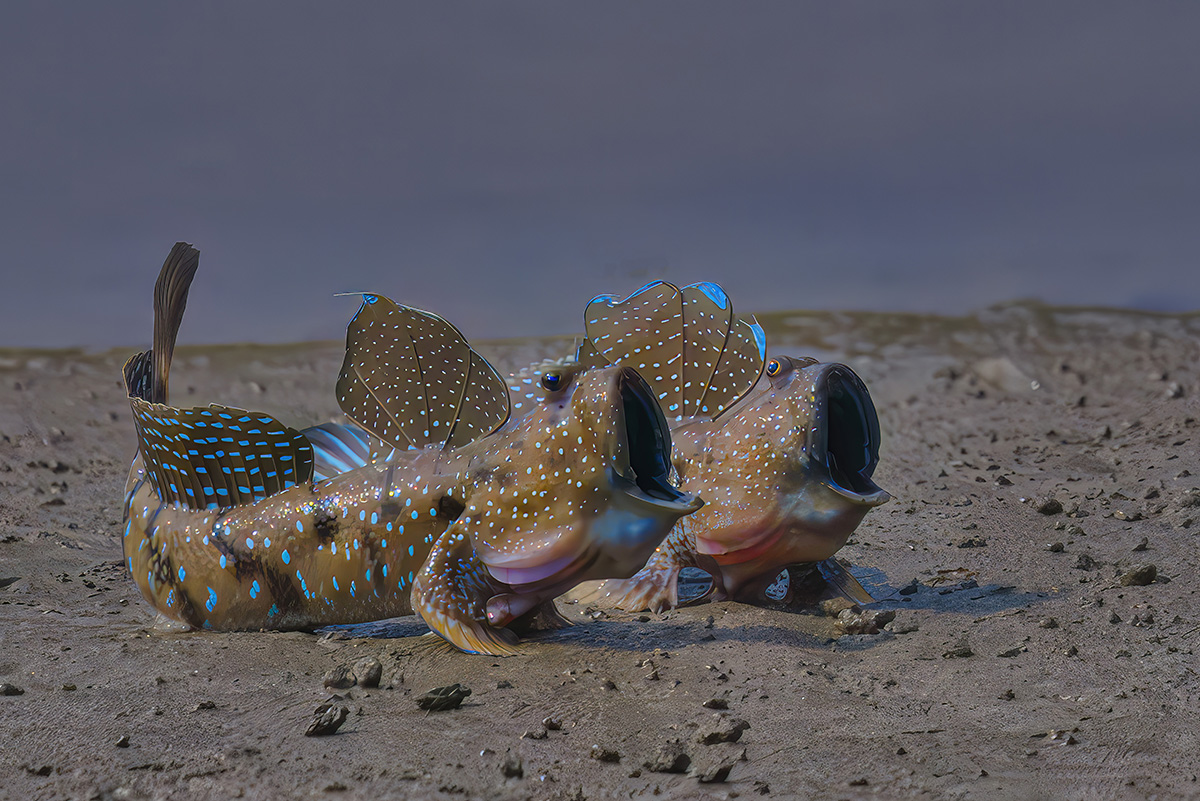
Other Species category, highly commended - Mudskippers in Awe! byAshok Behera
Two mudskippers face off on wet mud, mouths agape and fins raised in a territorial display, their blue spotted patterns catching the light. Photographed on the Sundarbans' tidal flats, one of the largest mangrove forests in the world. - Photo Credit: Ashok Behera / Mangrove Photography Awards
Birds Category, winner - March of the Flamingos byMark Ian Cook
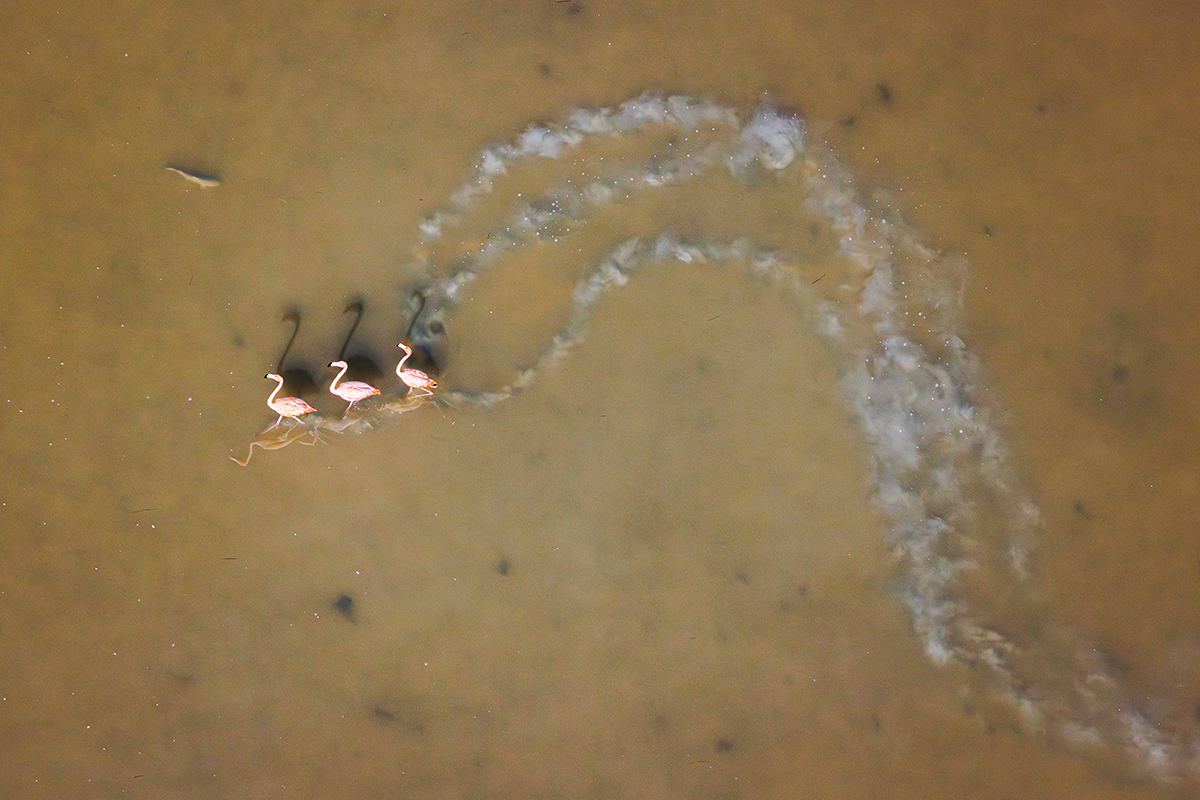
A small group of American flamingos peer at a juvenile lemon shark while searching for suitable foraging habitat in the mangrove-lined shallow backwaters of Florida Bay, in Florida. - Photo Credit: Mark Ian Cook / Mangrove Photography Awards
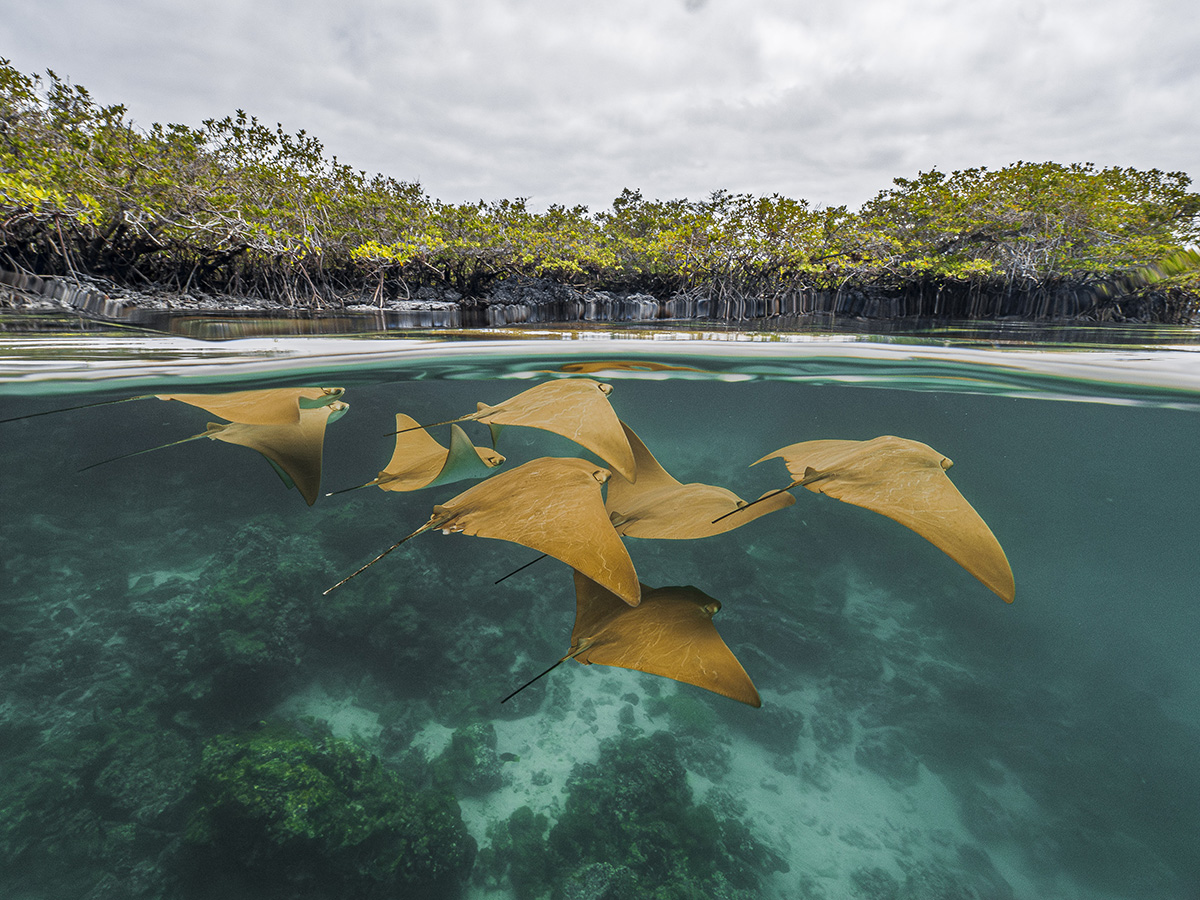
Portfolio Stories, runner-up - Mangroves of the Enchanted Islands byPelayo Salinas de León
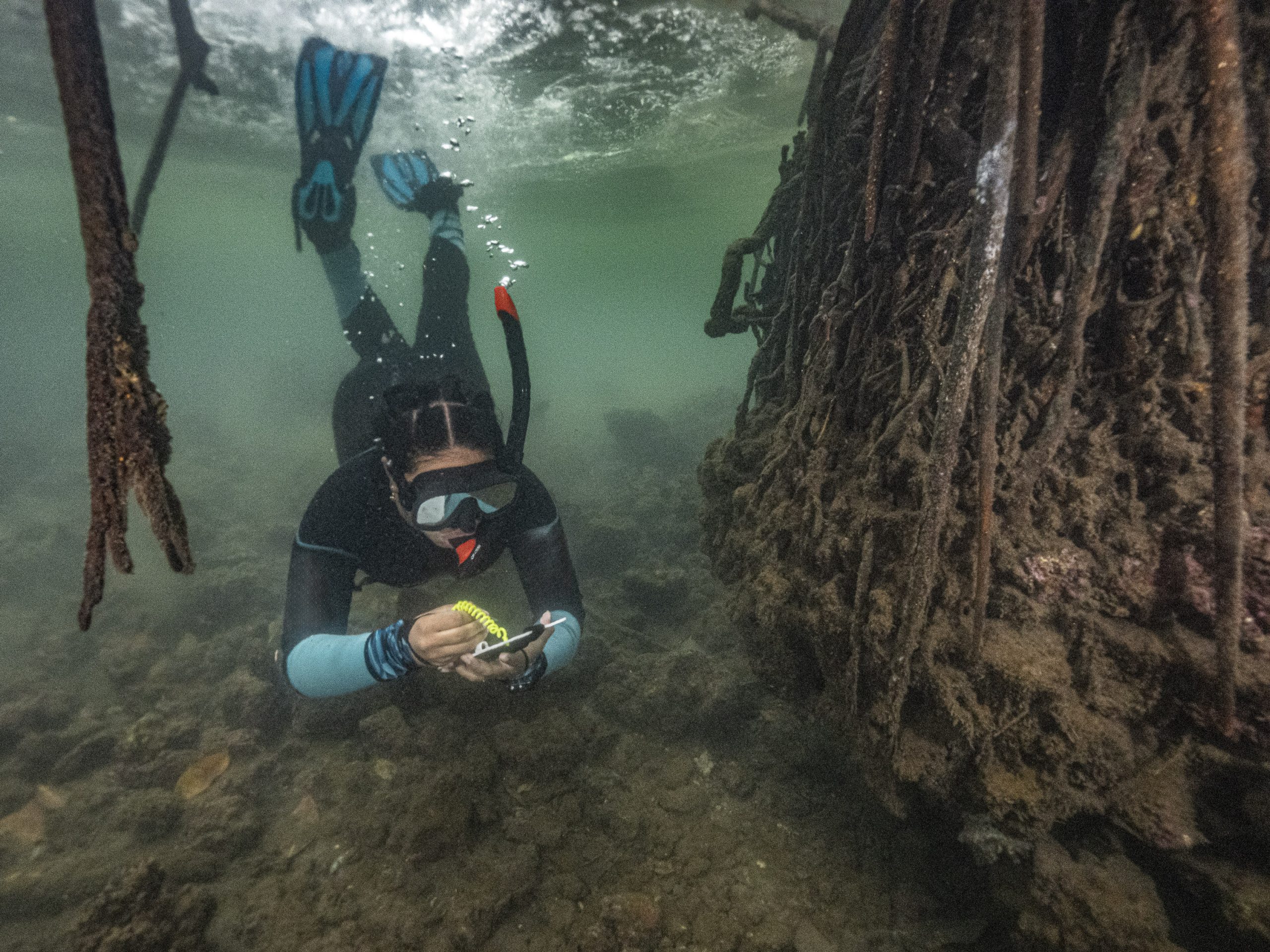
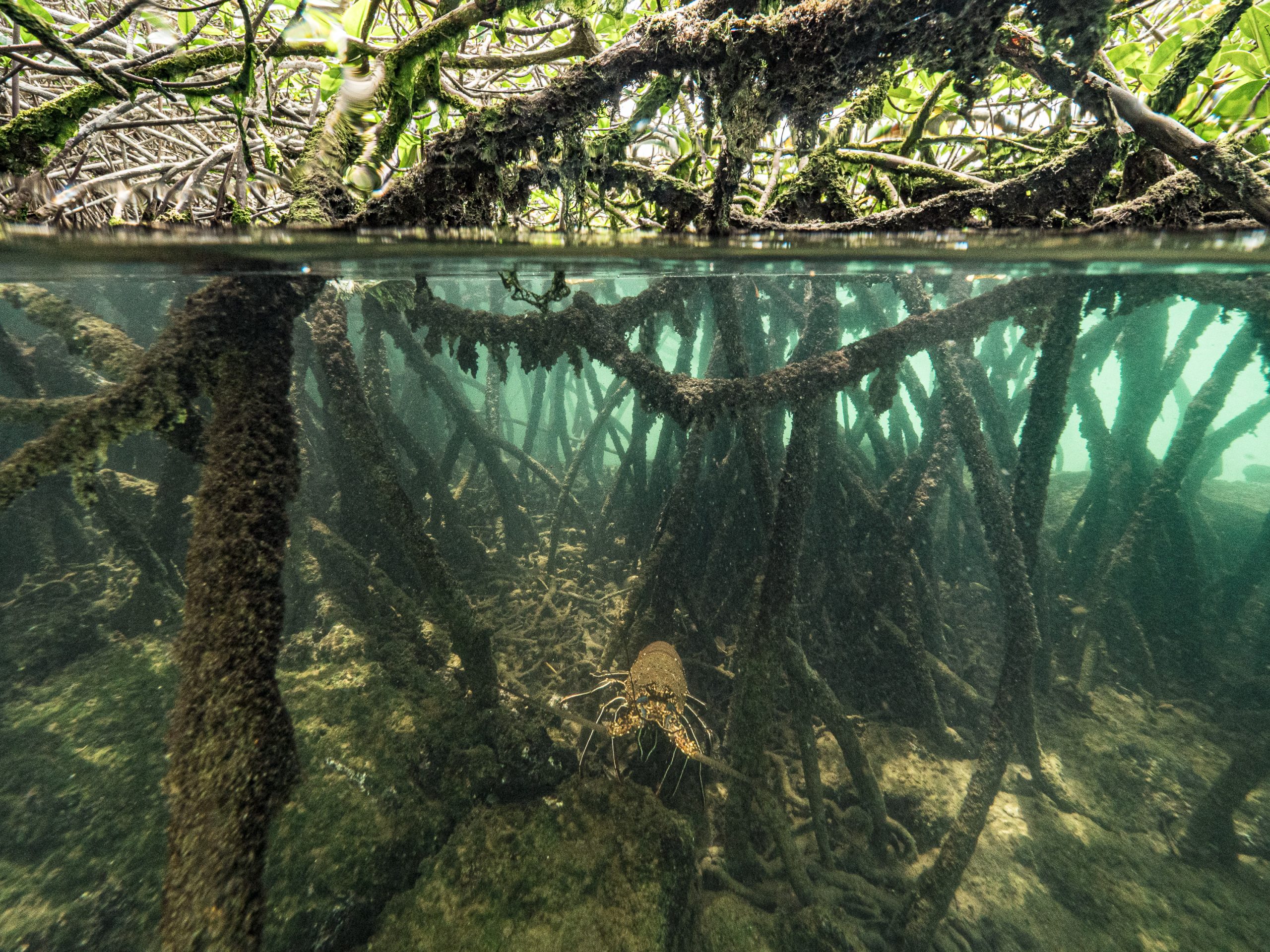
In this image, a squadron of golden rays glides through a shallow mangrove cove at Concha Perla, Isabela Island – one of Galápagos's most popular wildlife spots. - Photo Credit: Pelayo Salinas de León / Mangrove Photography AwardsMangroves growing directly on Galápagos lava rock capture carbon through centuries of leaf fallout, storing it in sediment layers metres deep. - Photo Credit: Pelayo Salinas de León / Mangrove Photography AwardsA red spiny lobster, a key resource for local small-scale fishermen, shelters within the mangrove root system. - Photo Credit: Pelayo Salinas de León / Mangrove Photography Awards
Picture researcher across BBC Science Focus, BBC Countryfile and BBC Wildlife
Lily is the picture researcher across BBC Science Focus, BBC Countryfile and BBC Wildlife. She holds a degree in Photojournalism, where she specialised in social documentary reportage. Her photographic work has been shortlisted for the BarTur Photo Award’s Unity in Diversity category and exhibited internationally as part of the Urban Photo Awards. Before joining the team, she worked on freelance projects and as a product specialist for leading camera brands.