The old saying ‘fight fire with fire’ may be especially apt for California’s giant sequoia trees. Trees that are burned in planned, low-intensity fires are more likely to survive subsequent wildfires, a study in Nature Communications has found.
“If the goal is protecting giant sequoias, prescribed fire is an essential tool,” says Dan Dixon from the University of California, Davis.
- Scientists looked beneath one of oldest trees on Earth. What they found is astounding
- 10 epic photos of the most monumental trees on the planet
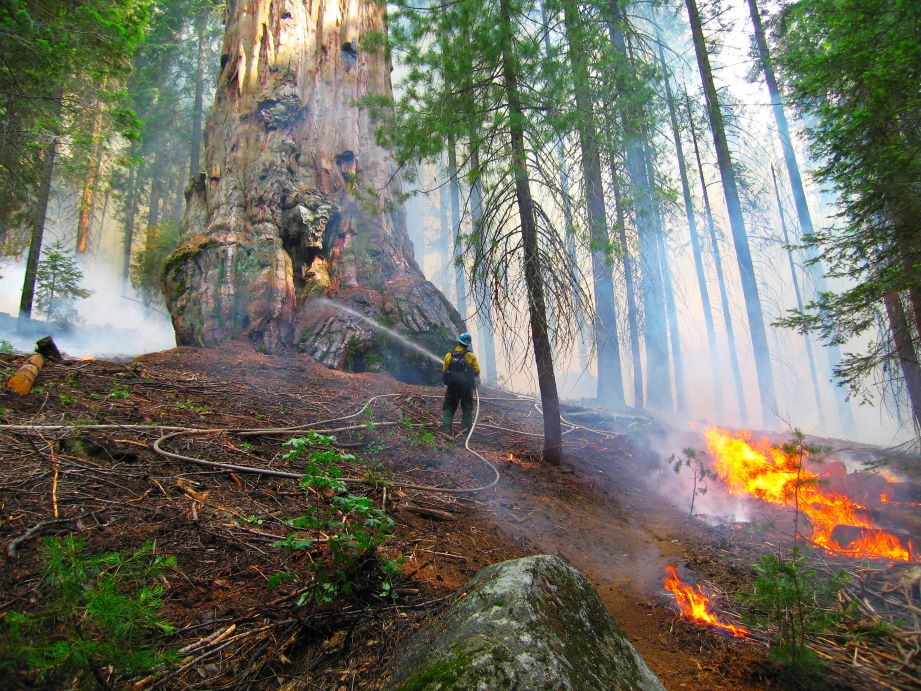
Giant sequoias are behemoths of the plant world. Found naturally along the western slopes of California’s Sierra Nevada, these iconic trees can weigh as much as 15 blue whales and live for more than 3,000 years.
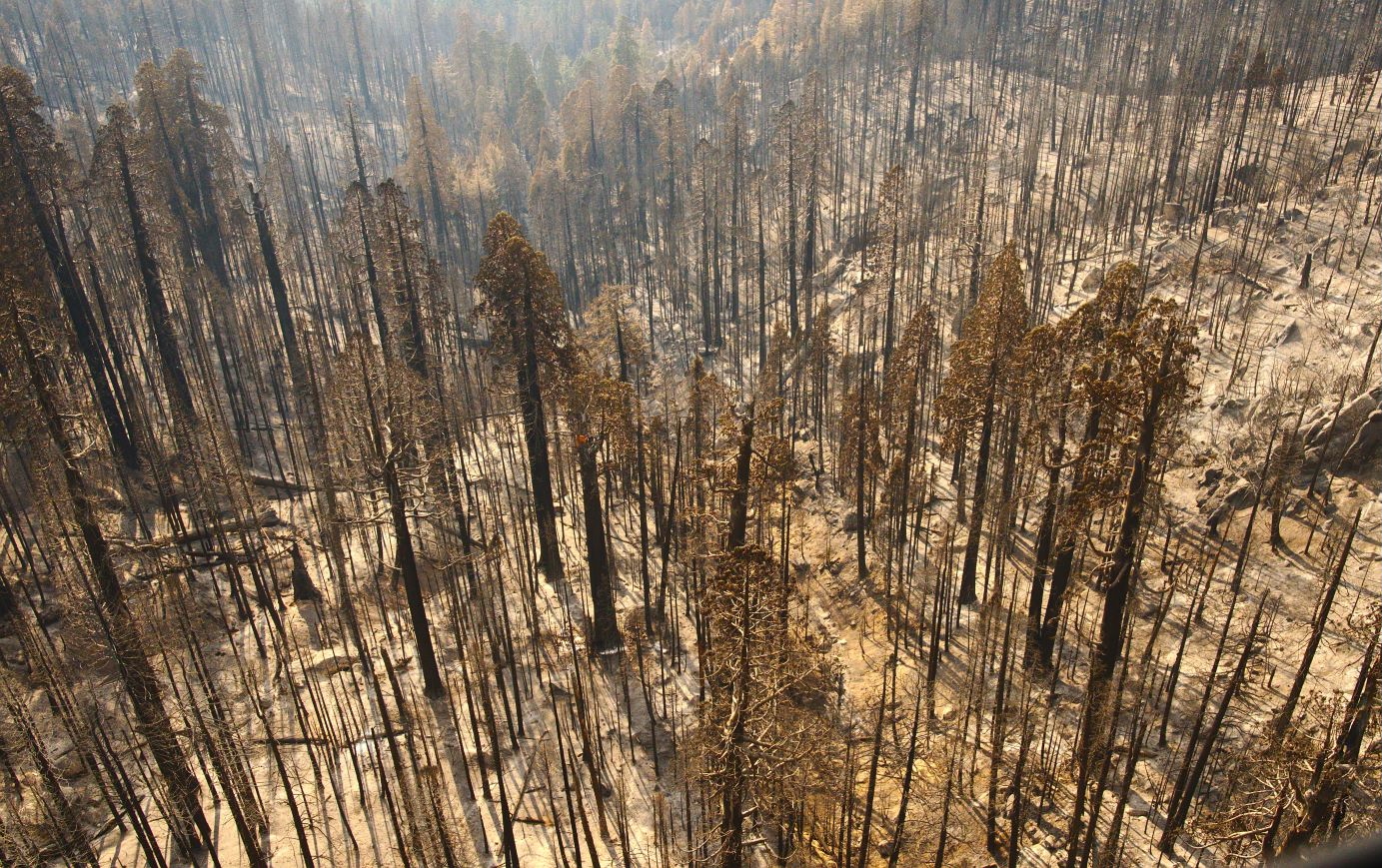
With thick bark and tall canopies, they have evolved to withstand natural, low-intensity fires, which can open their cones and release their seeds. So, when wildfires tore through the Sequoia and Kings Canyon National Parks in 2020 and 2021, no one expected that a fifth of the trees would be destroyed.
“These trees live for so long and have experienced so much variability of climate, differences in wildfire, drought – they’ve seen it all,” says Dixon. “Having so many die in just two years was unprecedented.”
Researchers wanted to find out why some sequoias died while others lived, so they turned to historical records and satellite images of the forests before and after the fires.
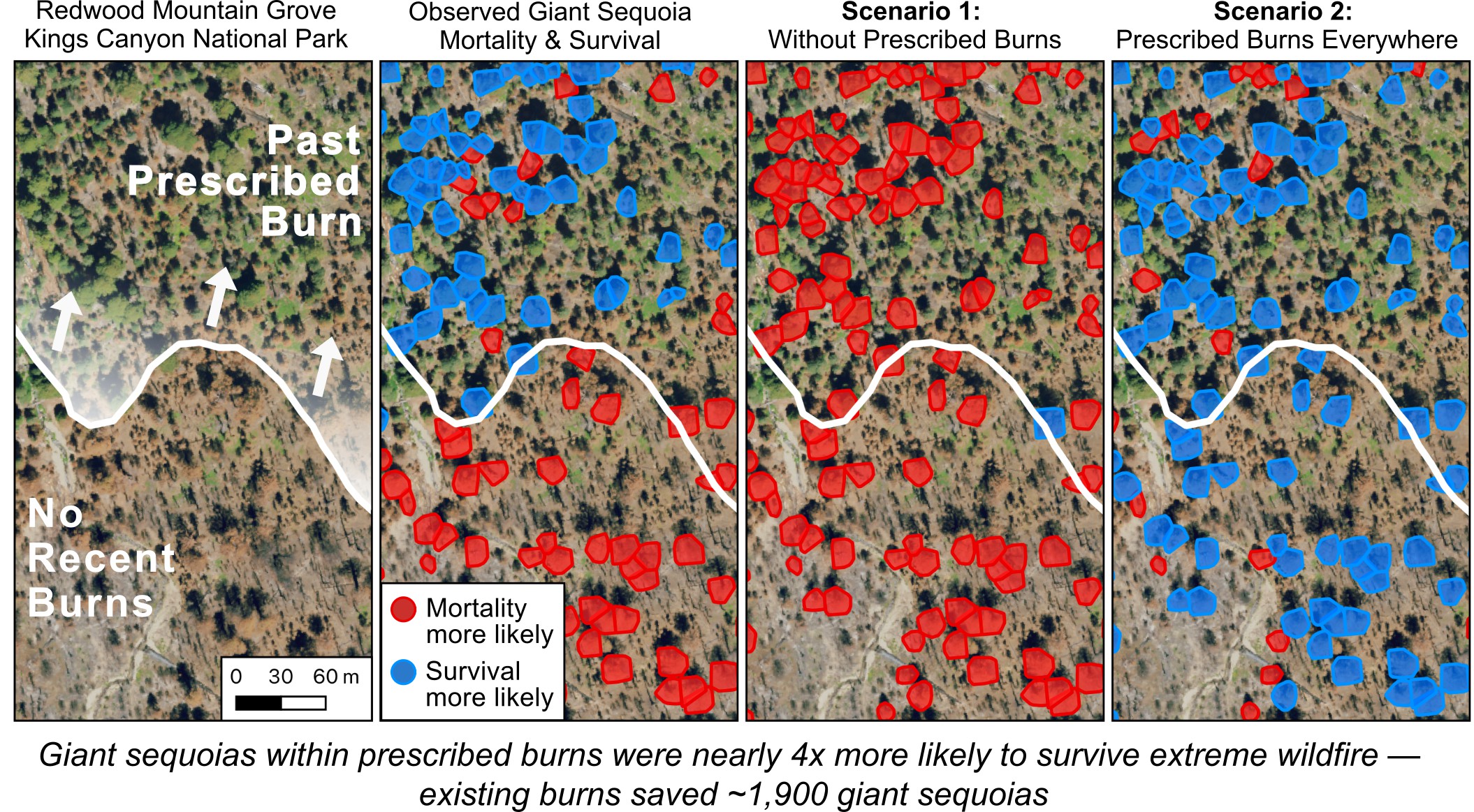
The landscape is a patchwork of areas that have been treated with prescribed burns – deliberately low- to moderate-intensity fires designed to reduce combustible materials, open up the canopy and create opportunities for wildlife – and areas that had not been burned for over a century.
- What's the world's most poisonous tree?
- The world's most dangerous trees – including the exploding 'dynamite tree'
Based on their analyses of 26,400 giant sequoias across 19 groves, they found that burns reduced the risk of death by about 77%. Trees that had received prescribed burns in the previous decade were four times more likely to survive than untreated trees.
In addition, simulations revealed that previous prescribed burns prevented about 1,900 sequoia deaths, and that if all of the trees had been treated, an additional 3,900 would probably have survived.
Driven by rising temperatures, intensifying drought and other factors, wildfires are becoming larger and more destructive across the western United States. Now, they pose a threat to even the oldest, most fire-adapted forests.
Prescribed burns could help protect giant sequoias from these wildfires. By showing where and when these carefully managed fires can make the biggest difference, the researchers hope to give some of the planet’s oldest trees a fighting chance.
Find out more about the study.
Top image: Carmen Martínez Torrón/Getty Images
More wildlife stories from around the world
- China's giant sinkholes are a refuge for a rare tree – but they're also cutting off its escape route
- Experts discover the 'Heaven Sword’ after a decade searching Taiwan’s forests – and it’s taller than a 20-story building
- In the 1970s, scientists noticed that trees in a US mountain range were migrating. Now they know why
- “It can cause blurred vision, irregular heartbeat, low blood pressure and potential fatality." The beautiful tree that hides a deadly secret