
A team of researchers led by Tel-Hai University in Israel has just used an elephant’s tooth as a biological archive to reconstruct a lost ecosystem along the Levantine land bridge connecting Africa and Eurasia.
Their findings paint a picture of a lush, Pleistocene-aged landscape, covered in woodlands, wetlands and waterways.
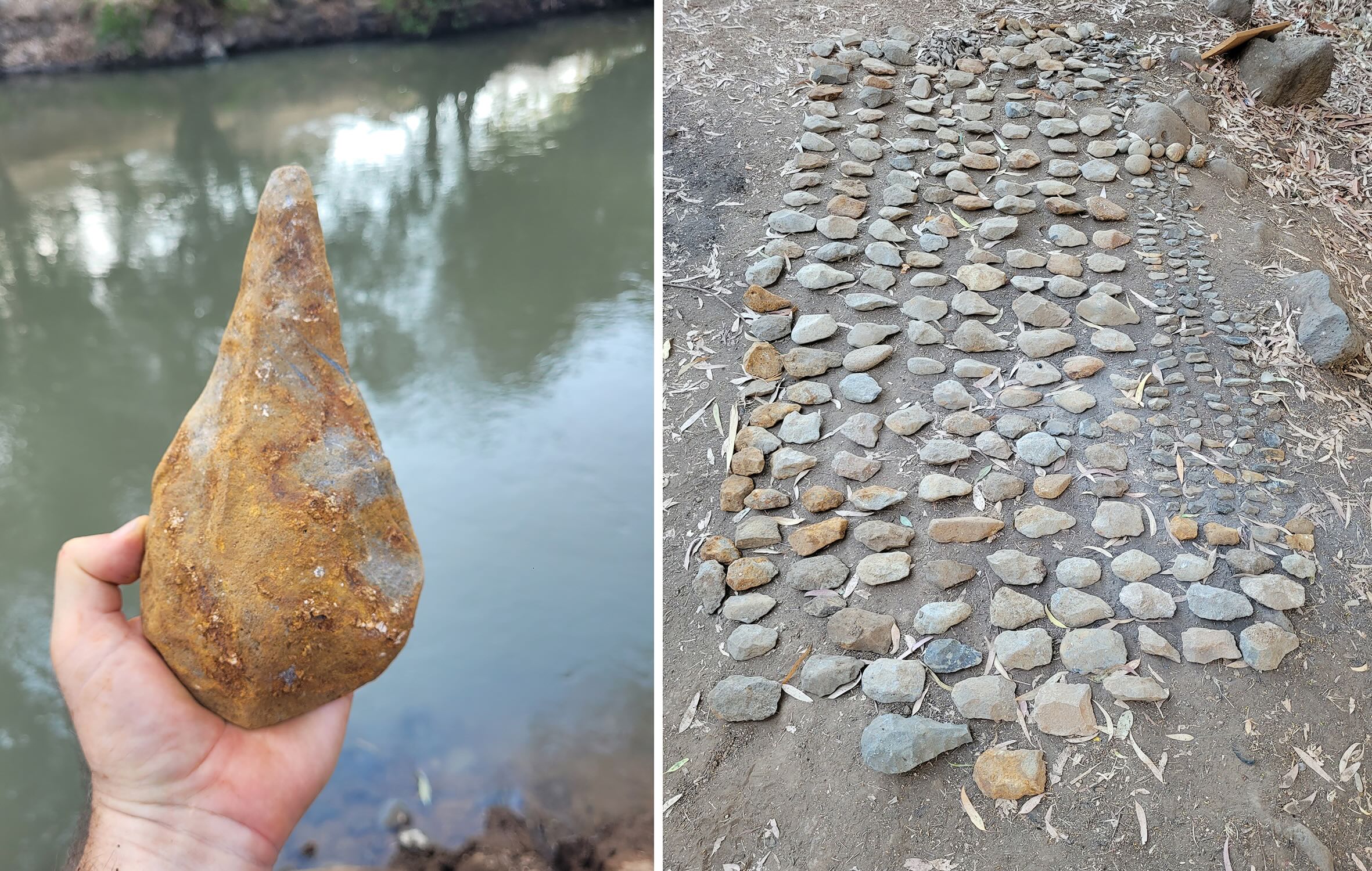
At a site near Gesher Benot Ya'aqov, northern Israel, researchers have discovered elephant remains alongside a cache of basalt handaxes and cleavers made by humans. These stone tools bear hallmarks of the Acheulean industry - one of the earliest and most widespread archaeological industries of the Lower Paleolithic period.
This remarkable discovery has allowed Haifa University’s Hannah Farrell and colleagues from Tel-Hai University to conduct a multianalytical study that attempts to reconstruct the environment that these elephants and early humans once shared.
According to Gonen Sharon, a co-author of the recent study, such research is vital as it shows us, “how humans and animals responded to environmental change hundreds of thousands of years ago [and] helps us better understand the forces that shaped our species.”
- 8 extinct animals that could be brought back to life – from mammoths to dodos
- 10 Ice Age animals: extraordinary prehistoric beasts that thrived when the world was frozen
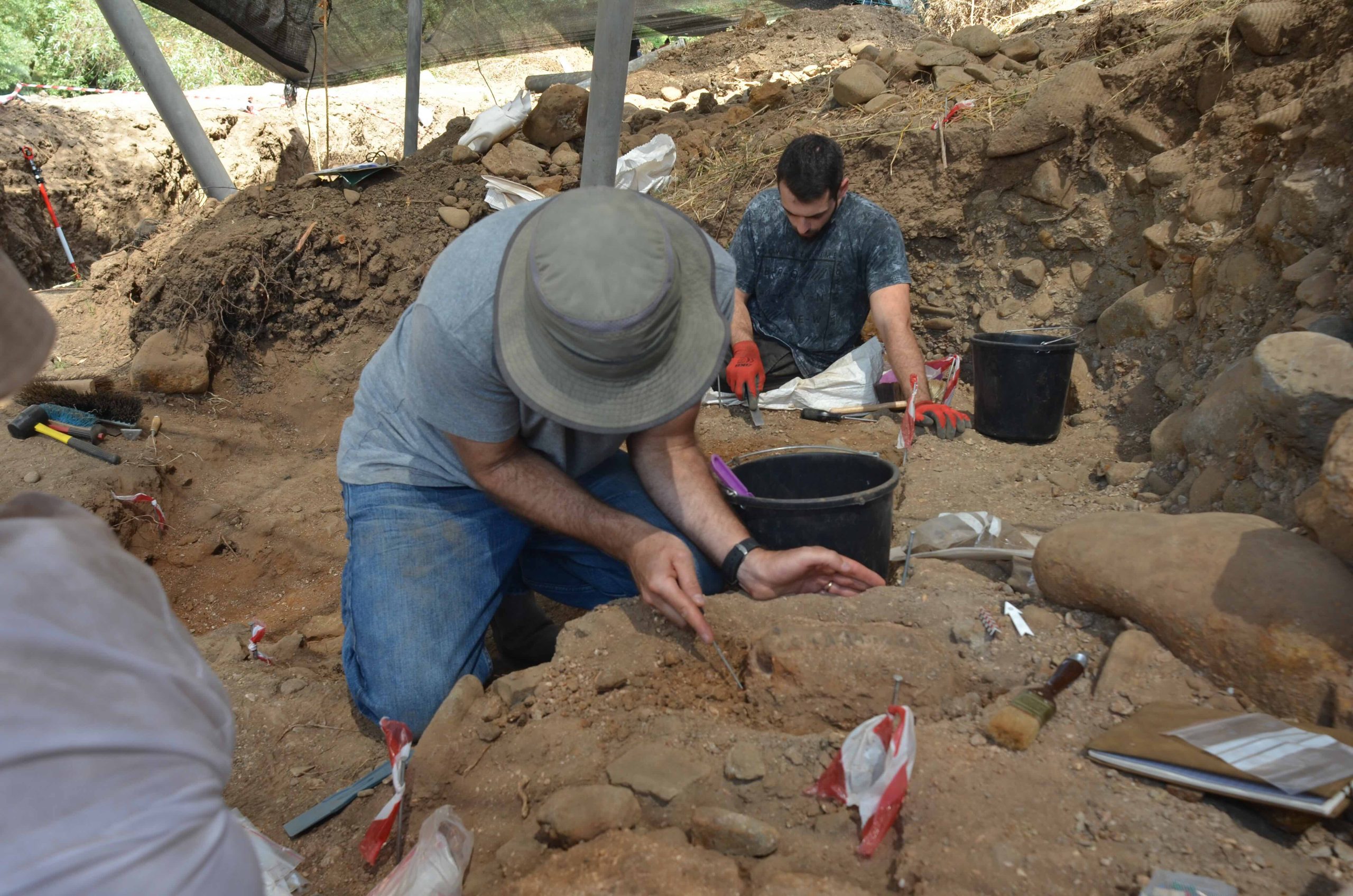
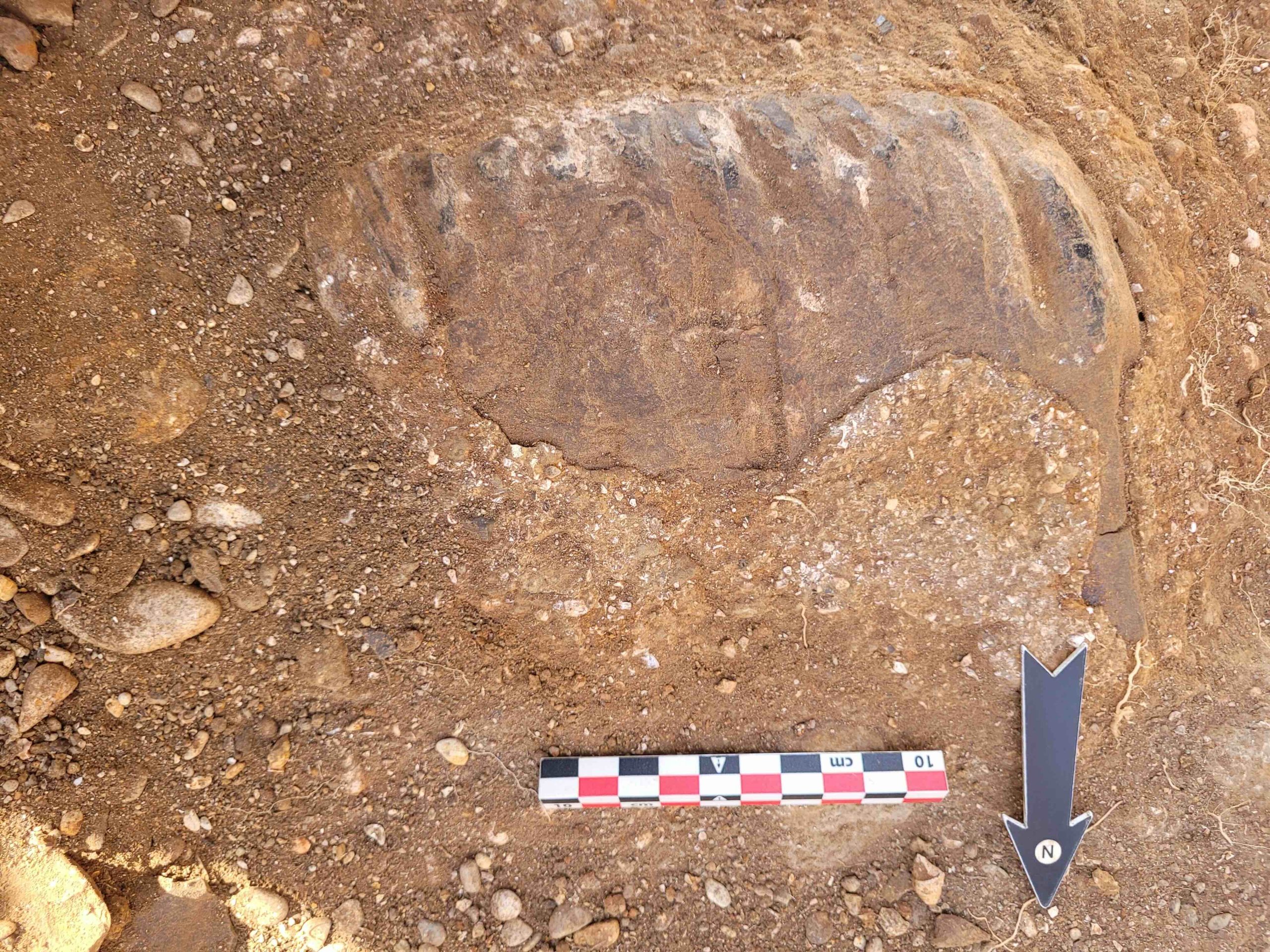
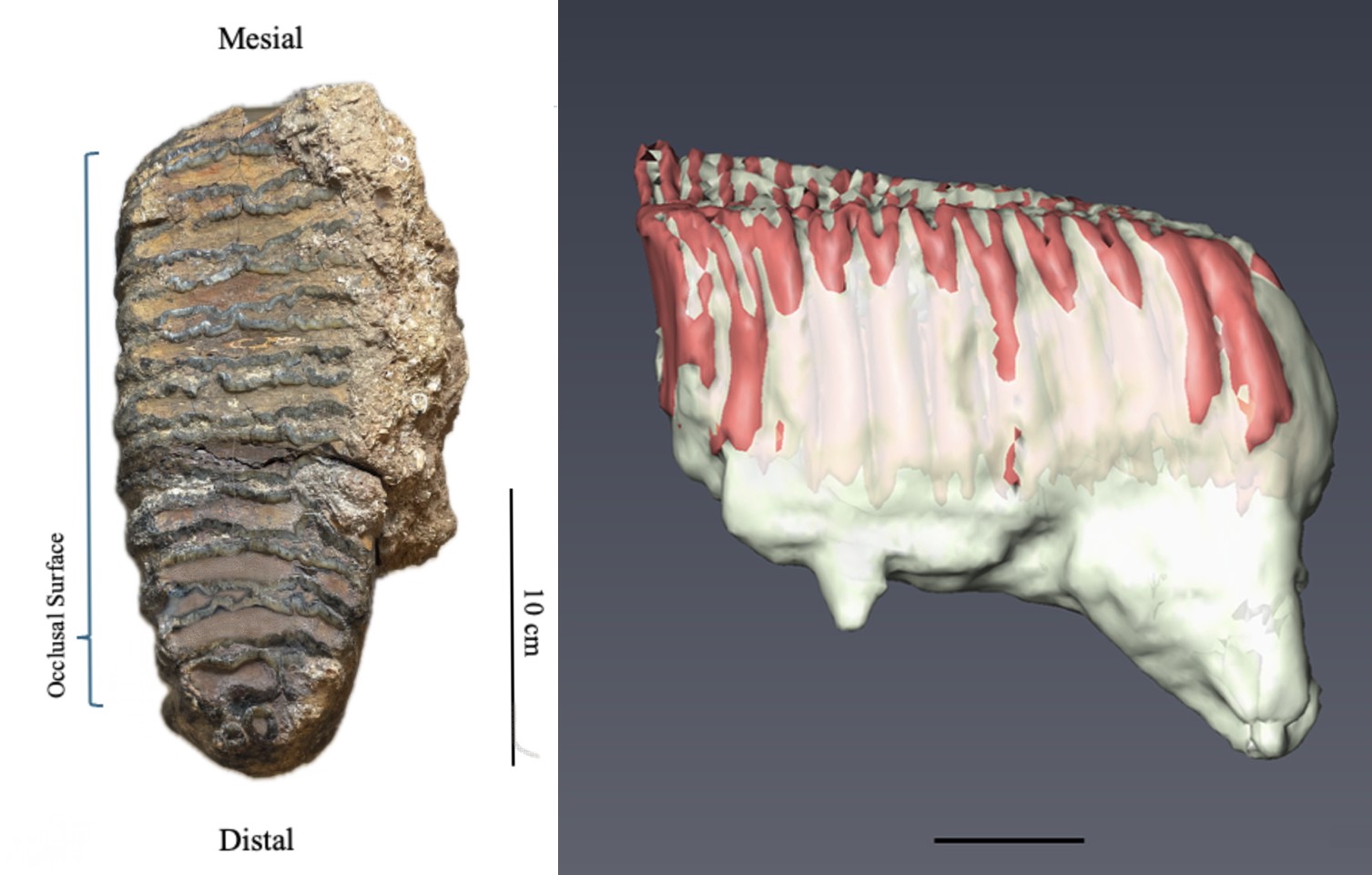
Published in Quaternary Science Reviews, the study focuses on a giant molar tooth from a distant cousin of modern elephants - Palaeoloxodon antiquus, or the straight-tusked elephant.
Using a smorgasbord of different analytical techniques, including X-ray CT scanning, 3D reconstruction, microscopic wear analysis, isotope geochemistry and pollen analysis, the team found evidence to suggest the elephant lived in a mosaic landscape covered in woodlands, grasslands, marshes, rivers and shallow-water habitats.
Inside the tooth’s enamel, researchers recorded carbon and oxygen isotope values that pointed towards a well-watered environment. Further analyses of the wear patterns on the tooth confirmed the elephant was a mixed feeder that foraged in woodlands and along the banks of rivers and other bodies of water.
- Imagine if dinosaurs hadn't gone extinct. Here's what scientists think may have happened next
- Child finds mammoth tooth in playground on Vancouver Island – and it has got scientists very excited
The researchers also collected samples of pollen from the sediment surrounding the elephant’s tooth, which revealed yet more evidence of abundant wetland vegetation, including reeds, sedges, willow, tamarisk and aquatic plants.
Together, the findings indicate the area surrounding Gesher Benot Ya’aqov, known as the Hula Valley, formed part of a stable ecological refuge within the wide Levantine Corridor. This land bridge connects Africa and Eurasia and has facilitated the migration of animals across the two landmasses for nearly two million years. It’s along this corridor that the earliest Homo sapiens are believed to have travelled after leaving Africa.
“The wetlands, rivers and woodlands of the Hula Valley helped sustain life along one of the world’s earliest migration corridors, offering a rare opportunity to understand the ecological conditions that supported both animal and human populations nearly 700,000 years ago,” said Sharon. “The availability of water, vegetation and animal resources shaped where humans and wildlife could survive.”
The humans that lived alongside straight-tusked elephants in this part of the Levant 700,000 years ago weren’t Homo sapiens. Instead, they belonged to earlier species known as Homo erectus and Homo heidelbergensis.
- Just how many species of human have there been?
- The petrifying prehistoric beasts that would have terrified early man
- Dinosaur hunters make “chilling” discovery deep in Canadian badlands
- Expedition finds rare and exquisite trove of ancient animals deep in Grand Canyon
Much like the modern humans and Neanderthals who inhabited the region hundreds of thousands of years later, these early humans may have been drawn by its rich resources and water.
Indeed, this region has a particularly fertile history. Around 690,000 years after the elephant analysed by this study roamed the Levant, humans settled in the region and developed agriculture. Its rich resources and favourable conditions helped establish some of the world’s first agricultural societies, earning it the nickname ‘The Fertile Crescent’.
You can read more about the recent study here.
More wildlife stories from around the world
- When scientists sent drones into Dinosaur Provincial Park, they made a remarkable discovery
- 100-million-year-old fossil found INSIDE belly of gigantic dinosaur in Australian desert
- Scientists resurrect 40,000-year-old organisms from Arctic ice – now they’re worried
- Mummified sabre-toothed cat cub found in Siberian permafrost stuns scientists
Top image: Jordan River excavation site. Credit: Tel-Hai University of Kiryat Shmona in the Galilee and Hannah Farrell, University of Haifa


