
An international team of palaeontologists have found fossils belonging to a previously unknown prehistoric rodent. The teeth of the giant animal, now named Yakamys sirindhornae, were uncovered in a mine in southern Thailand.
It lived approximately 34 million years ago during the middle of the Paleogene period. The discovery provides new evidence that giant rodents lived much earlier and in different parts of the world than previously thought.
- The world's chillest, most laid back rodent? These 8 photos reveal why capybaras are the most easy-going animals alive
- It looks like a guinea pig on steroids, is nearly as big as a single mattress, weighs the same as a tumble dryer – and is a dab hand at swimming underwater too
“Today, the largest living rodent is the capybara, but very large rodents are not restricted to recent ecosystems,” says Virginie Millien, a professor at McGill University in Montreal, Quebec, Canada, and co-author of the study.
“Giant rodents evolved repeatedly during the later history of the group, mostly in South America. This discovery suggests that Southeast Asia also played an important role in the early evolutionary history of large-bodied rodents.”
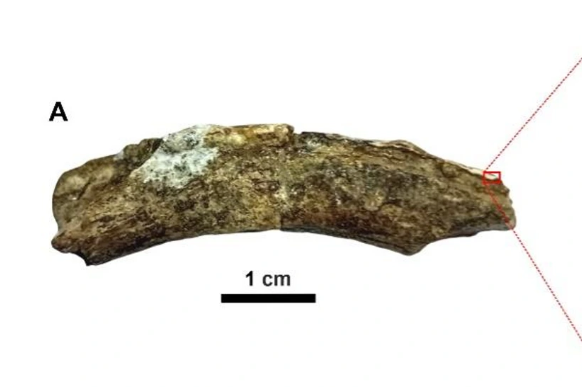
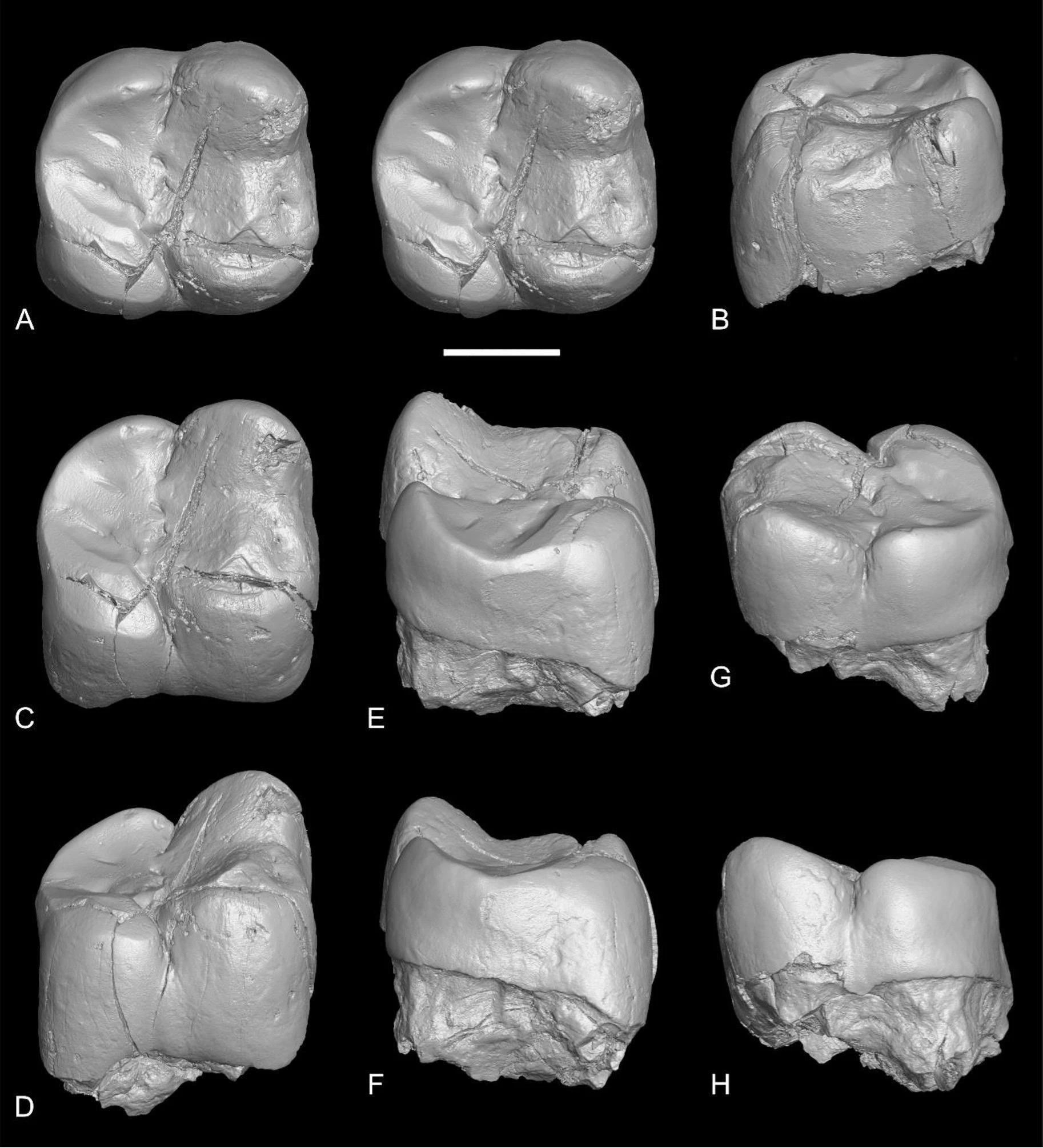
The fossils were identified during a study of ancient mammals in Thailand’s Krabi Basin. Two fossilised teeth (a lower second molar and a lower incisor) were unearthed in Bang Mark Pit at the Krabi lignite mine.
Using these teeth, researchers applied seven methods that use tooth measurements to calculate body mass.
Their results, published in the journal Scientific Reports, suggest that Yakamys sirindhornae weighed around 30 kilograms – making it around twice as heavy as other known rodents that lived in the same period. However, the researchers note that there is still uncertainty with these calculations.
“This is only a ballpark figure, as there is substantial uncertainty associated with fossil body-mass estimation,” explains Millien.
The limited fossil evidence also makes it difficult for scientists to reconstruct how Yakamys sirindhornae evolved, or what its life was like in comparison to other ancient and modern rodents.
Read the full findings here.
Top image: illustration of Yakamys sirindhornae. Credit: Yaowalak Chaimanee


