
A deadly fungus known as Batrachochytrium dendrobatidis (Bd) is devastating amphibian populations around the world. Now, biologists from the University of California, Los Angeles (UCLA) believe one of these threatened amphibian species – the Yosemite toad – may be infected by the fungus in a previously unknown way: through its burrows.
The finding, published in Functional Ecology, is being used to inform a captive rearing and reintroduction programme to protect the species.
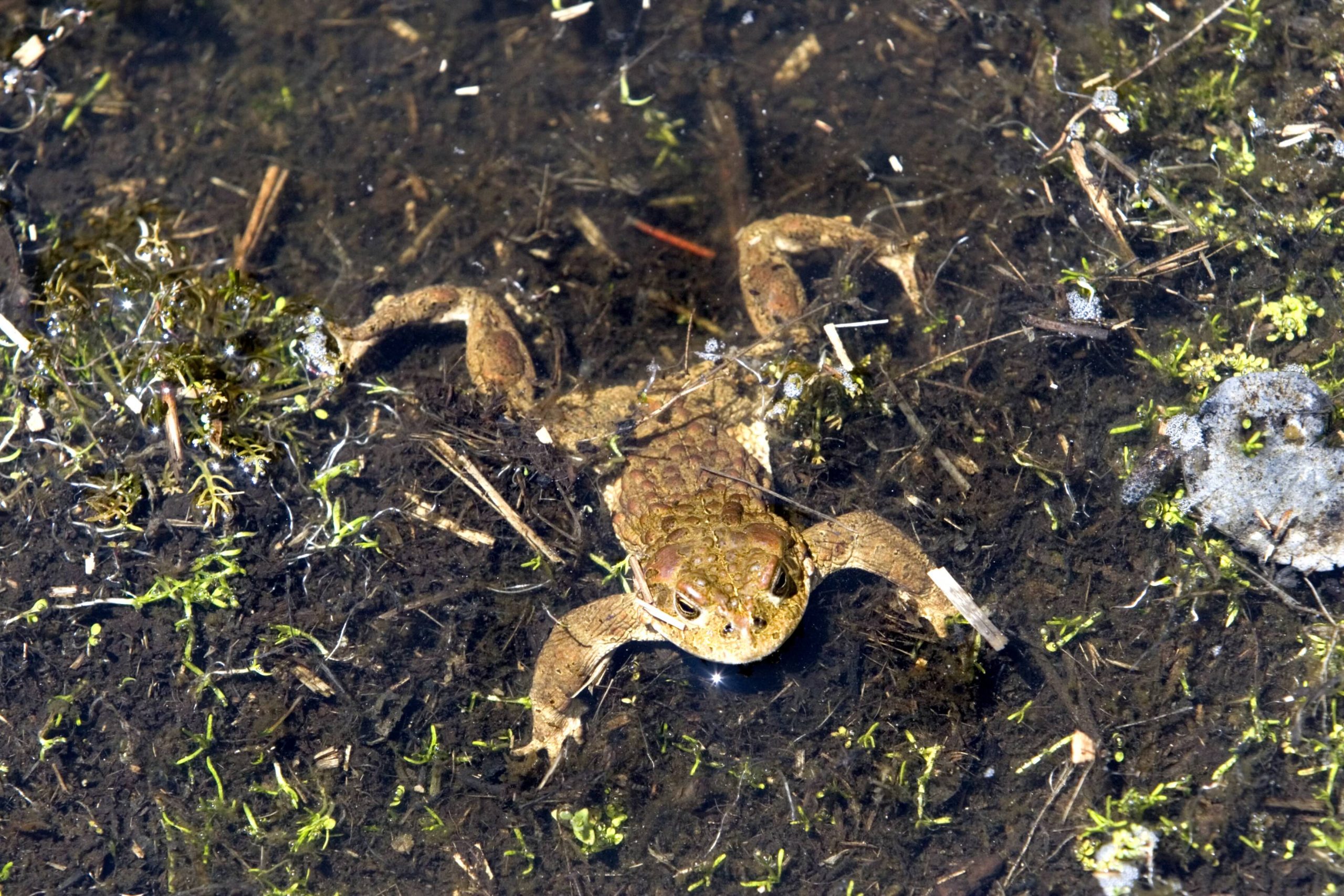
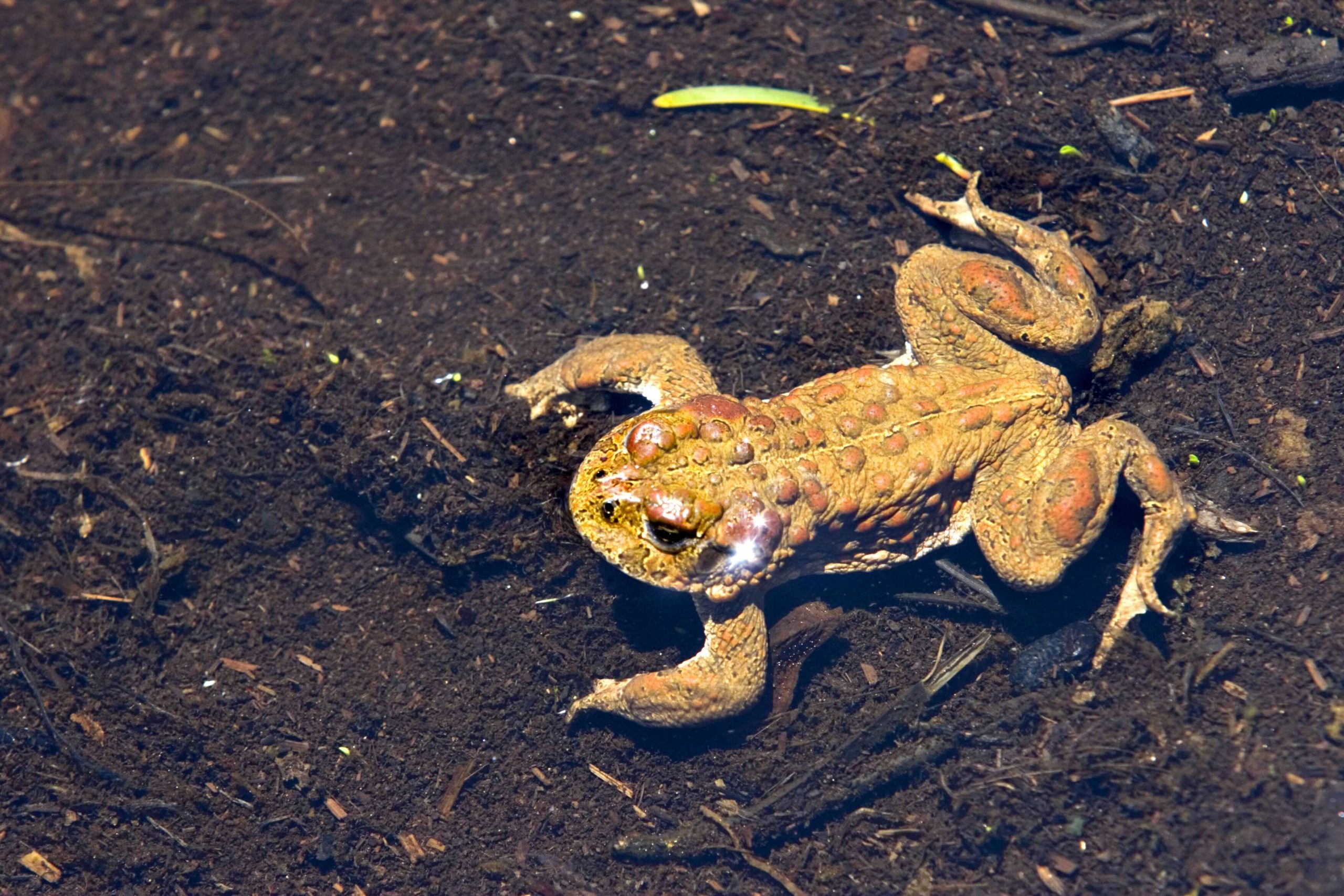
The Yosemite toad (Anaxyrus canorus) lives almost exclusively in Yosemite and Sequoia and Kings Canyon national parks in central California, USA. It was listed as threatened under the Endangered Species Act in 2014 and is a species of special concern in California.
Measuring between 2.5cm and 7.5cm long, the toads are relatively small and spend large periods of their lives hiding from predators in old rodent burrows. They also use these hideouts for hibernation to survive the High Sierra’s harsh winters.
The toads leave the safety of the burrows to breed in small pools. It’s long been thought that the Bd fungus infects the animals through their skin when they are in these bodies of water. But the new study reveals an alternative source of infection.
- Sierra Nevada yellow-legged frog makes remarkable comeback in Yosemite National Park
- “They eat everything – anything that fits into their mouth”: how scientists solved a deadly issue in Yosemite
Researchers from UCLA and Yosemite National Park assessed Bd prevalence and severity in Yosemite toads before and after winter dormancy, concluding that previously healthy toads emerged from their winter burrows heavily infected.
According to UCLA ecologist Dave Daversa, who led the study, this suggests that the fungus may proliferate underground in winter. “The results of our Bd surveillance study of Yosemite toads were completely unexpected,” says Daversa. “Although Bd is a largely aquatic pathogen, we discovered that major outbreaks of infection grow and spread during winter hibernation on land.
“The discovery sharply contrasts with current thinking about the high-risk season for Bd infection, which has often been assumed to occur when amphibians are breeding in water. Our study flies in the face of that expectation.”
The new findings also suggest that Bd can thrive during harsh winters – this contradicts the previous line of thought that the fungus grows best in more moderate conditions.
The authors note that they don’t know for sure that the toads are picking up new infections in the burrows. Another theory is that they may carry light, undetectable infections into their underground lairs – with the infection intensifying over time.
“How pathogens persist in host populations with incredibly seasonal life histories is one of the puzzles we study,” says co-author Jamie Lloyd-Smith, a UCLA wildlife disease ecologist.
“This fungus isn’t supposed to grow happily at such low temperatures – either the temperatures above ground or the temperatures we suspect exist in the burrows. We speculate there might be something going on with the immune system – the immune state of the animal might be going down even lower than the ability of the fungus to grow.”
Perhaps the most notable takeaway from a conservation perspective is that young toads or those in the metamorphic stage of their life cycle are far more at risk of infection than fully mature animals. As a result of this finding, captive-reared animals are now only released after a few years of growth, when they are at less risk of overwinter Bd infection.
Find out more about the study, published in Functional Ecology.
More wildlife stories from around the world
- A carnivore has moved into Florida's Everglades – and it's threatening native crocodiles and alligators
- Oregon’s biggest city was drowning in crow poop. Then a new predator came to town
- “At first, we were puzzled.” Scientists track 69 ravens through Yellowstone – and make remarkable discovery
- A long-lost sound has returned to the great mountains of Yosemite National Park
Top image: Dana Fork, Yosemite National Park, close to where the study was carried out. Credit: Different_Brian/Getty Images


