
While researchers are cautious about attributing human emotions to animals, many species show a clear interest in dead companions, sometimes gathering around bodies, touching them repeatedly or altering their behaviour after a death.
- “She carried her dead baby for 4 days" - do animals need to stare death in the face for closure?
- "The entire family of a deceased matriarch surrounded her corpse, gently touching her with their trunks, as if trying to lift her" – Do animals understand death...?
Do animals really hold funerals?
Whether animals truly hold funerals and can grieve remains a matter of scientific debate. In many species, death-related behaviours may have practical functions, such as avoiding predators, preventing disease or reinforcing social bonds.
However, the complexity of these responses suggests that some animals possess a deeper awareness of death, suggesting that humans are not alone in recognising when a life has ended – and mark it in someway
1. Elephants
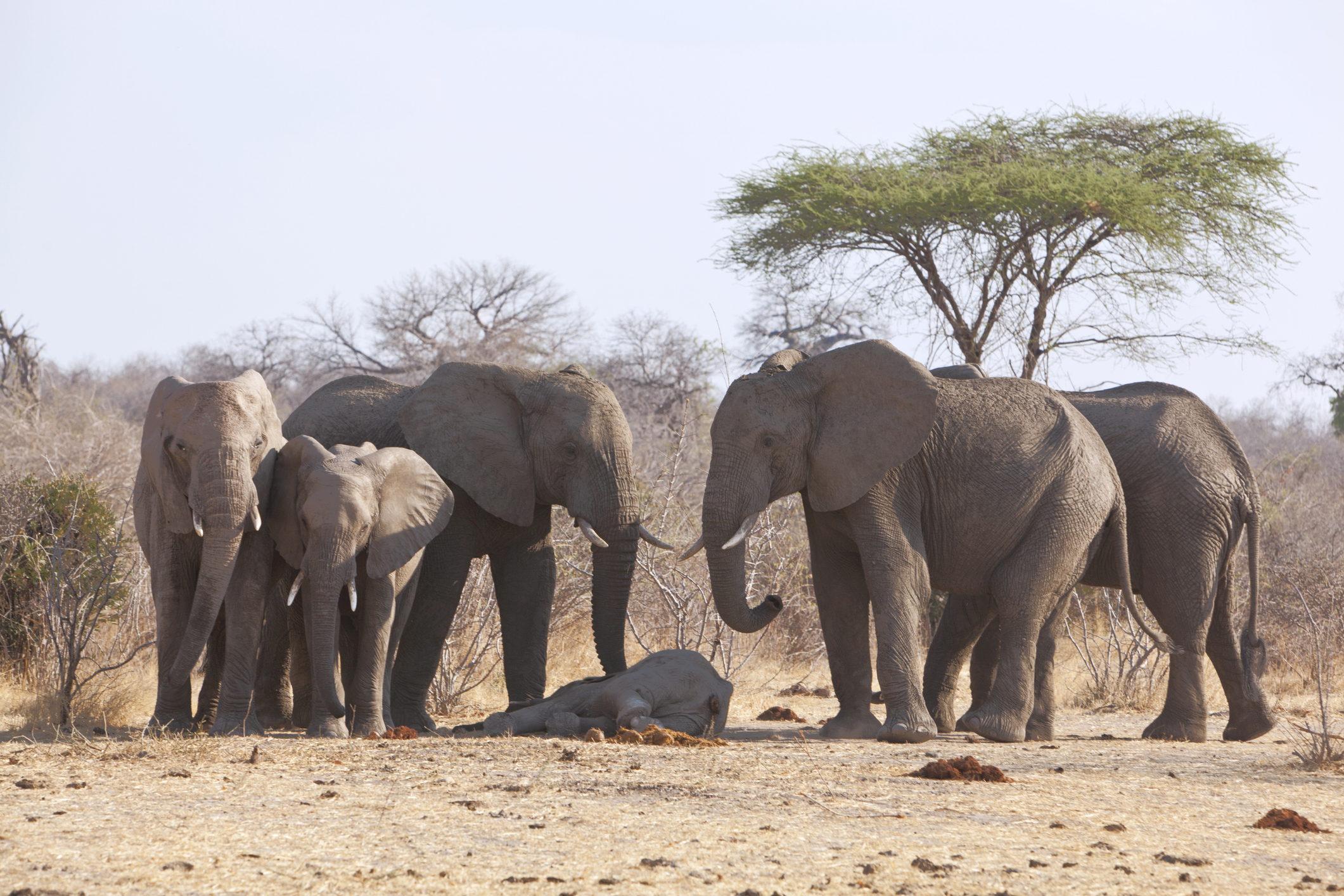
Elephants are perhaps the best-known example of animals displaying funeral-like behaviour, with field studies observing herds gathering around deceased individuals, touching bones and tusks with their trunks and standing silently beside carcasses. Some elephants are even known to revisit the remains of dead relatives years later, suggesting a lasting interest in those they have lost.
2. Chimpanzees
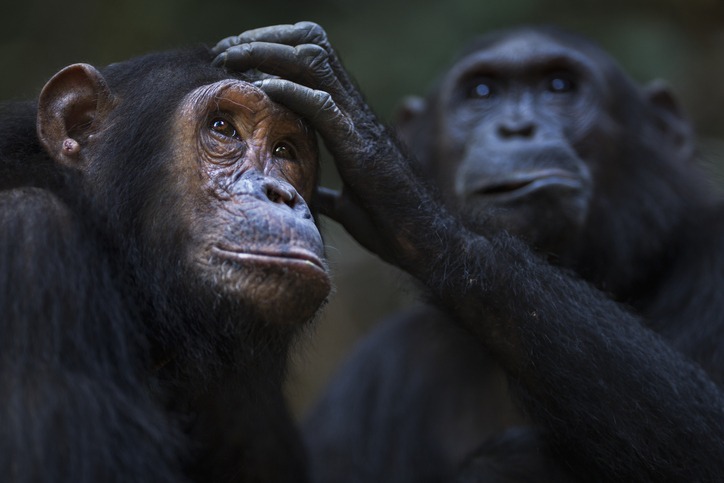
Chimpanzees (Pan troglodytes schweinfurtheii) often react strongly when a group member dies, displaying signs of grief. They may groom the body, remain nearby for hours or even days, and show signs of withdrawal afterwards. Mothers have also been observed carrying the bodies of dead infants for extended periods, sometimes for weeks.
3. Gorillas
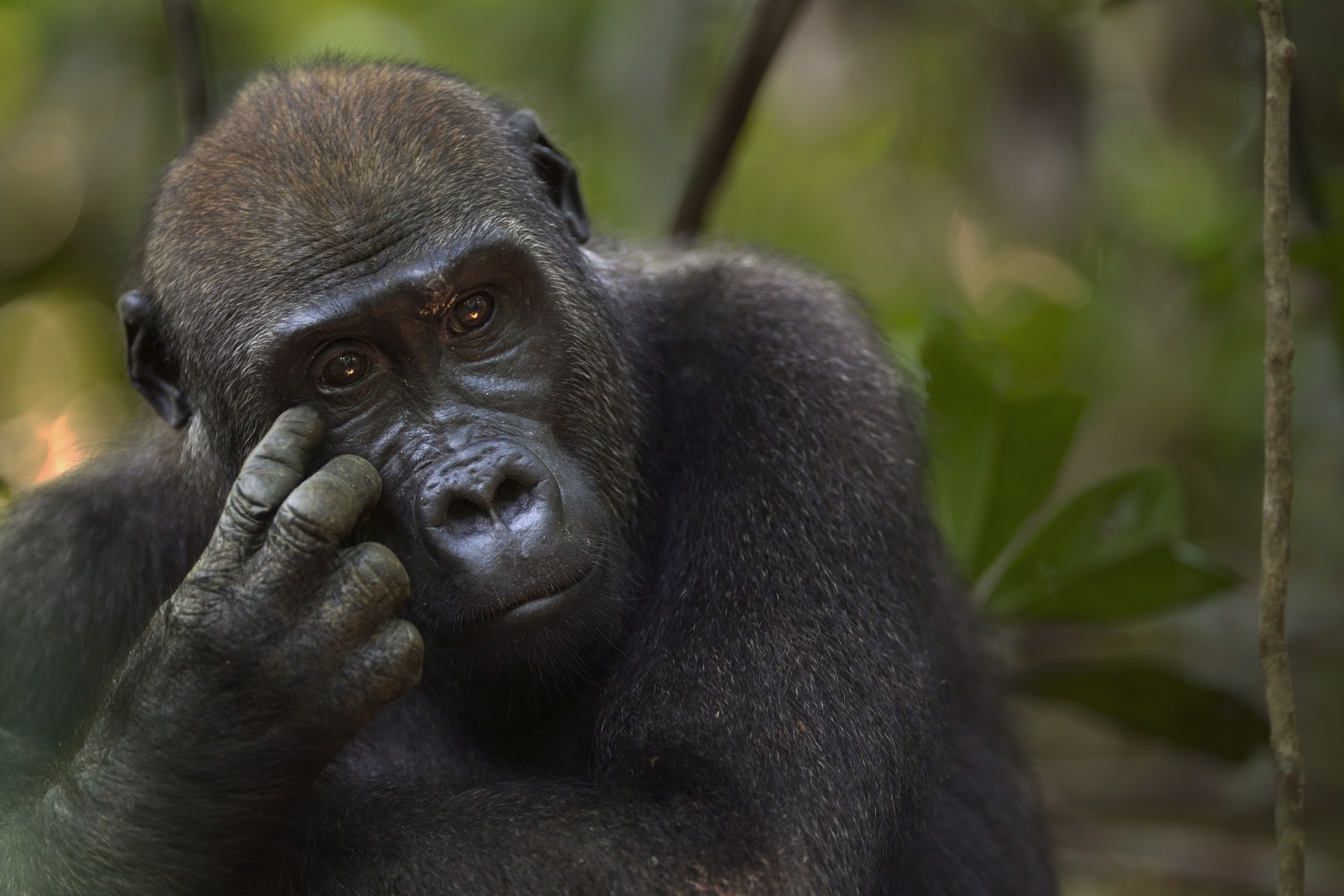
Like chimpanzees, gorillas (Gorilla gorilla gorilla) frequently investigate and remain close to deceased group members and have been seen comforting other individuals. Researchers have documented individuals gently touching bodies and maintaining vigils around dead relatives. These behaviours are especially common among close family groups.
4. Dolphins
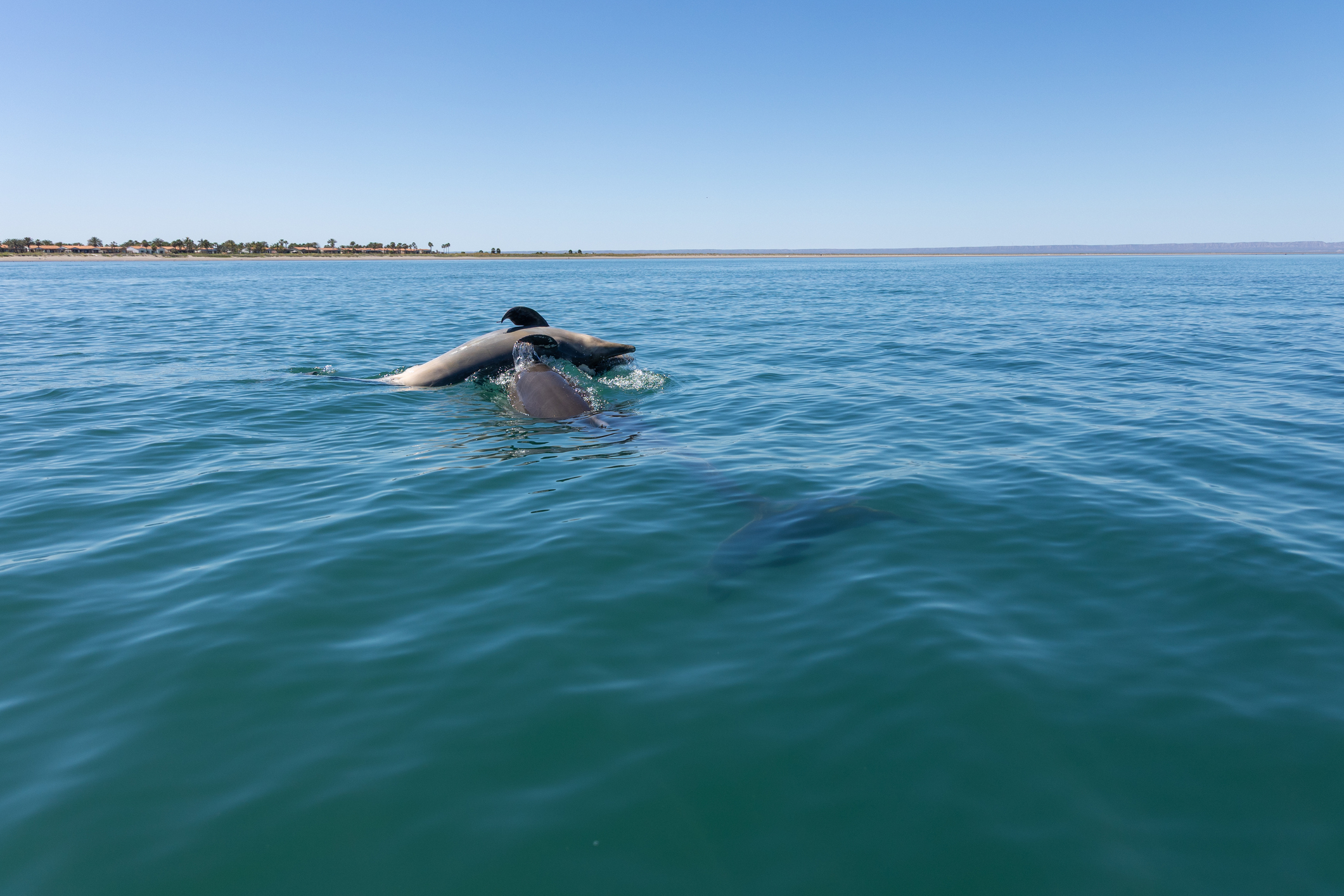
Several dolphin species have been seen supporting dead calves or companions at the water's surface. In some cases, groups remain with a deceased individual for hours, apparently attempting to keep it afloat. Such behaviour has been recorded in bottlenose dolphins, spinner dolphins and pilot whales.
Crows
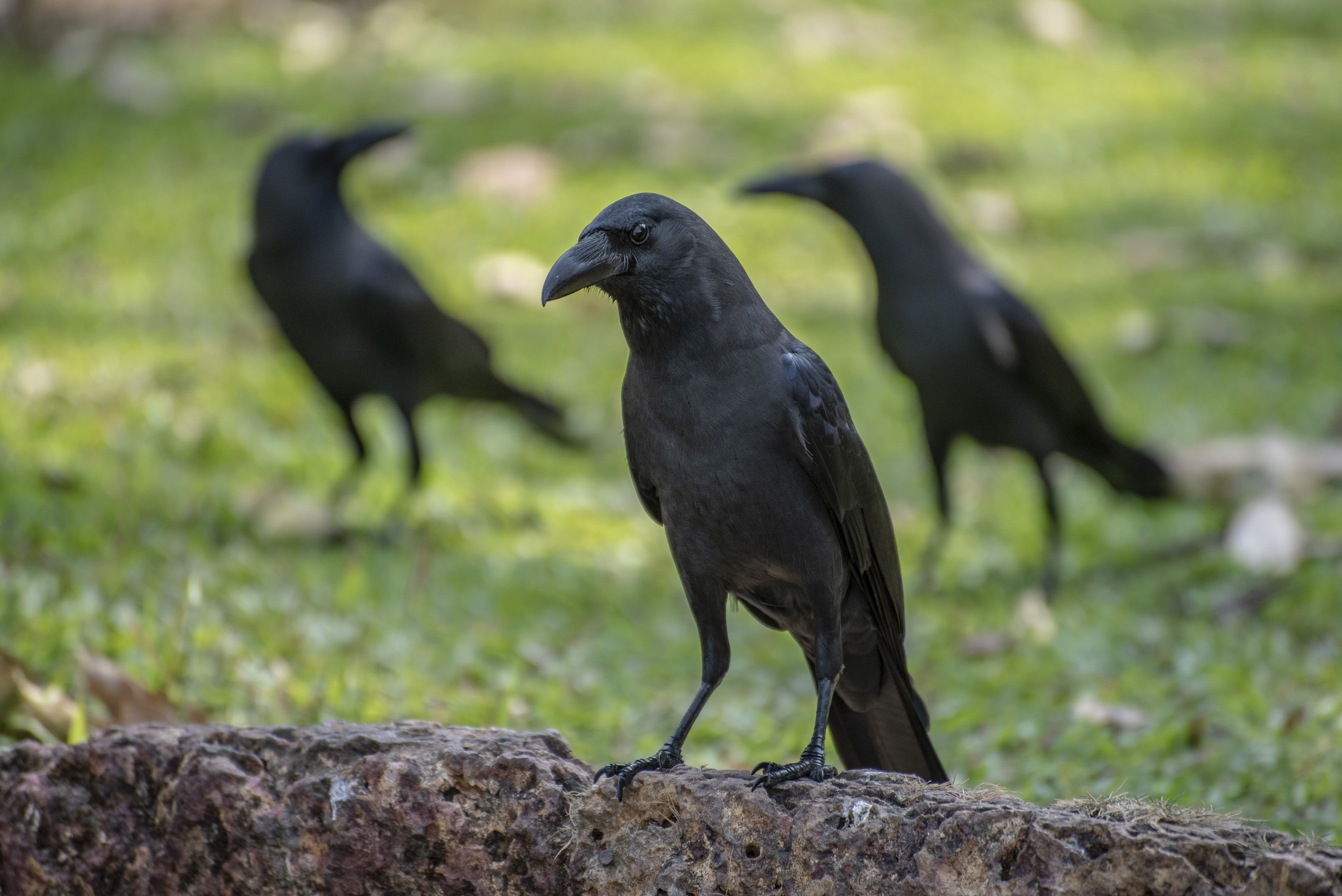
Crows conduct what researchers sometimes call 'crow funerals' – when they encounter a dead crow, nearby birds often gather and call loudly. Studies suggest these gatherings help crows learn about potential dangers in the area, but the events can look strikingly similar to communal mourning.
Magpies
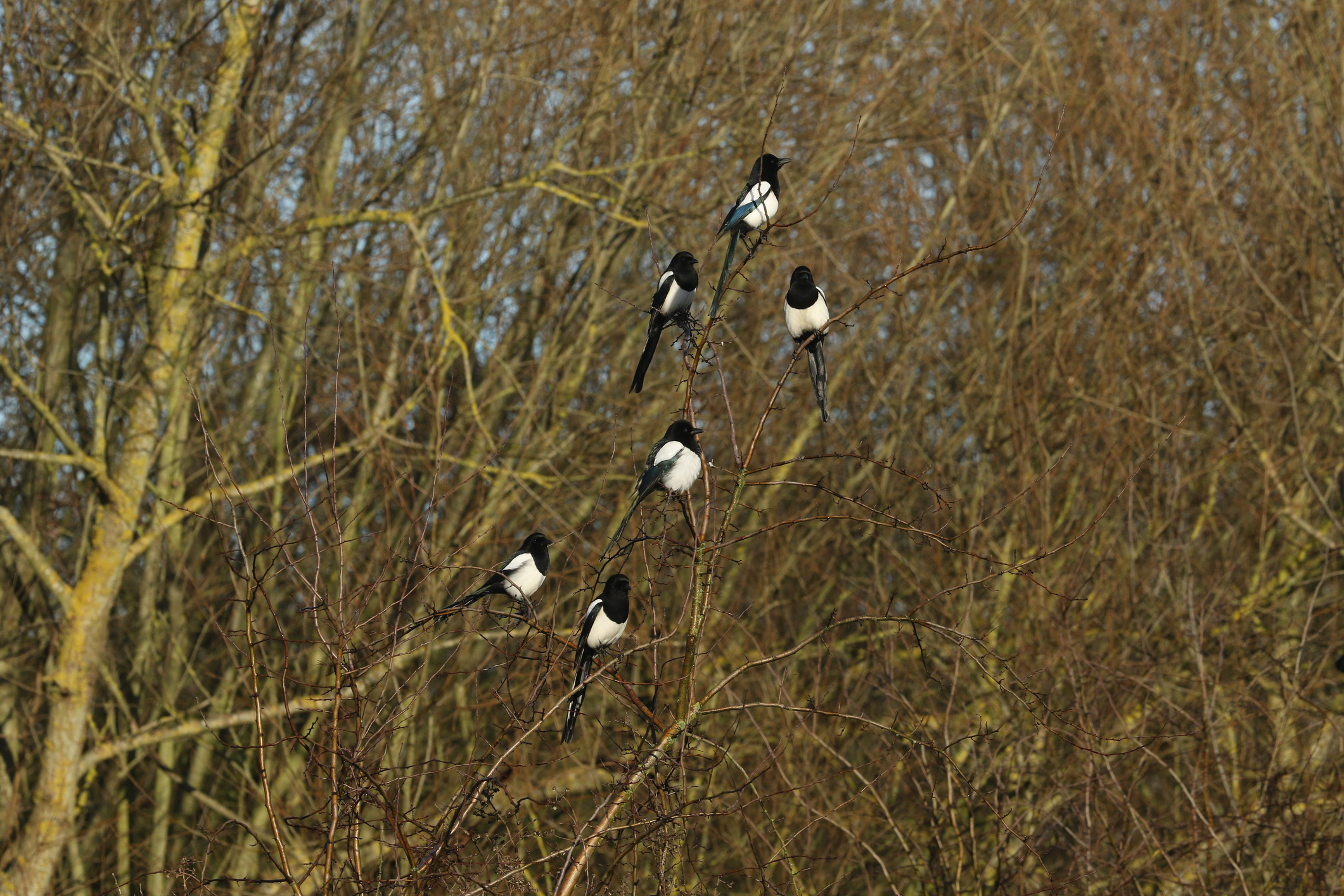
Members of the crow family, magpies have also been observed gathering around dead companions. In some cases, they place grass or twigs beside a body before standing nearby quietly, although scientists debate whether this behaviour carries any symbolic meaning.
Ravens
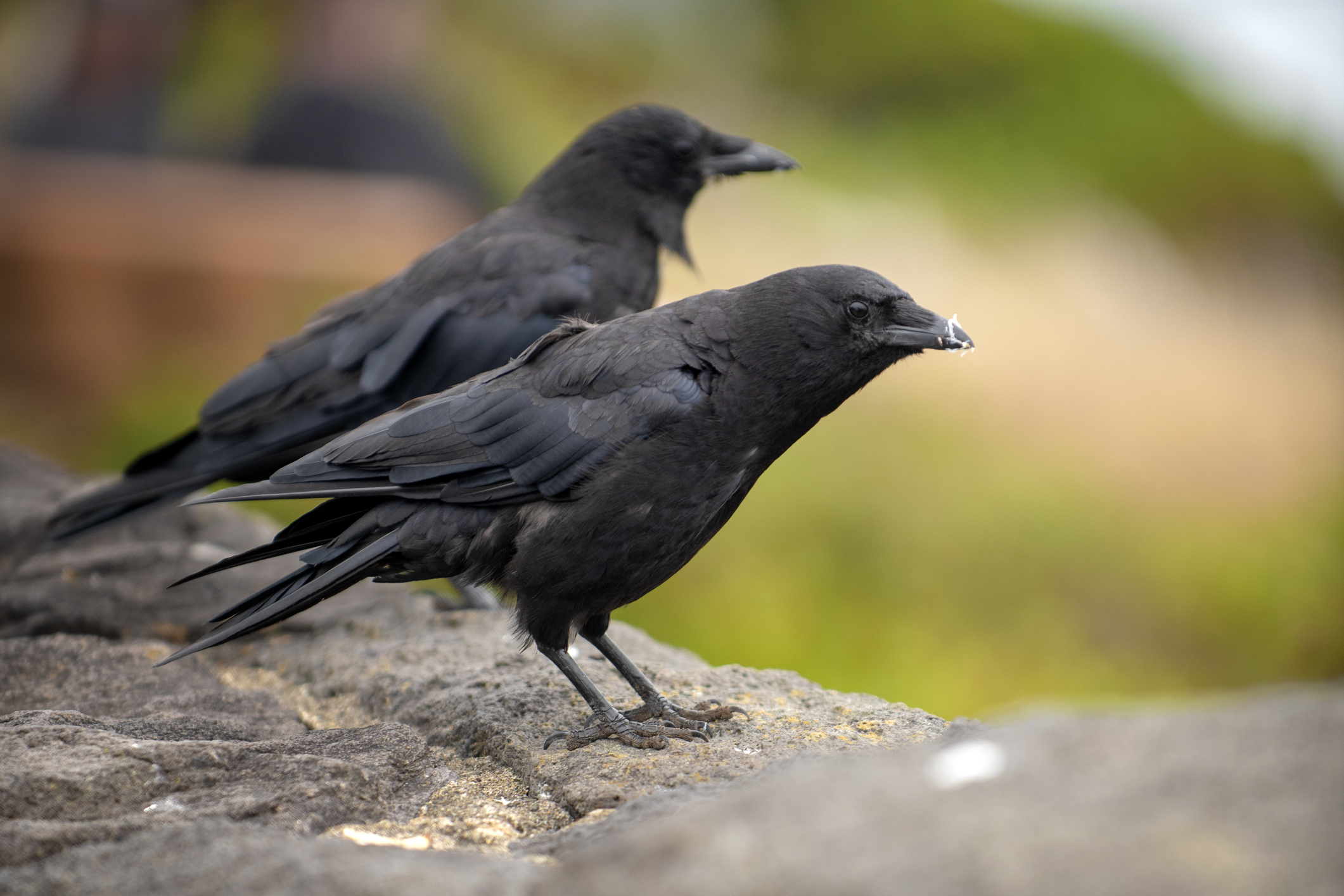
Ravens frequently investigate dead members of their species and may gather in groups around carcasses, which can resemble a funeral. Research suggests these gatherings serve an important social function, allowing birds to assess threats and learn from one another.
