This month, the UN’s Biodiversity Conference arrives in Armenia. While finance and finding ways to pay for protecting and conserving nature are likely to dominate the agenda, delegates who are able to escape the conference halls will discover a country that packs a big punch in terms of biodiversity.
Despite its size – about an eighth the area of the UK – this small, landlocked nation in the Southern Caucasus is at an important crossroads between Europe and Asia, with a rich mix of habitats from mountains to forests and semi-deserts.
It’s home to 17,000 different species of animal including several which are Endangered that find sanctuary across the varied landscapes of the 30,000 ha (74,000-acre) Caucasus Wildlife Refuge in south-west Armenia.
Armenian wildlife
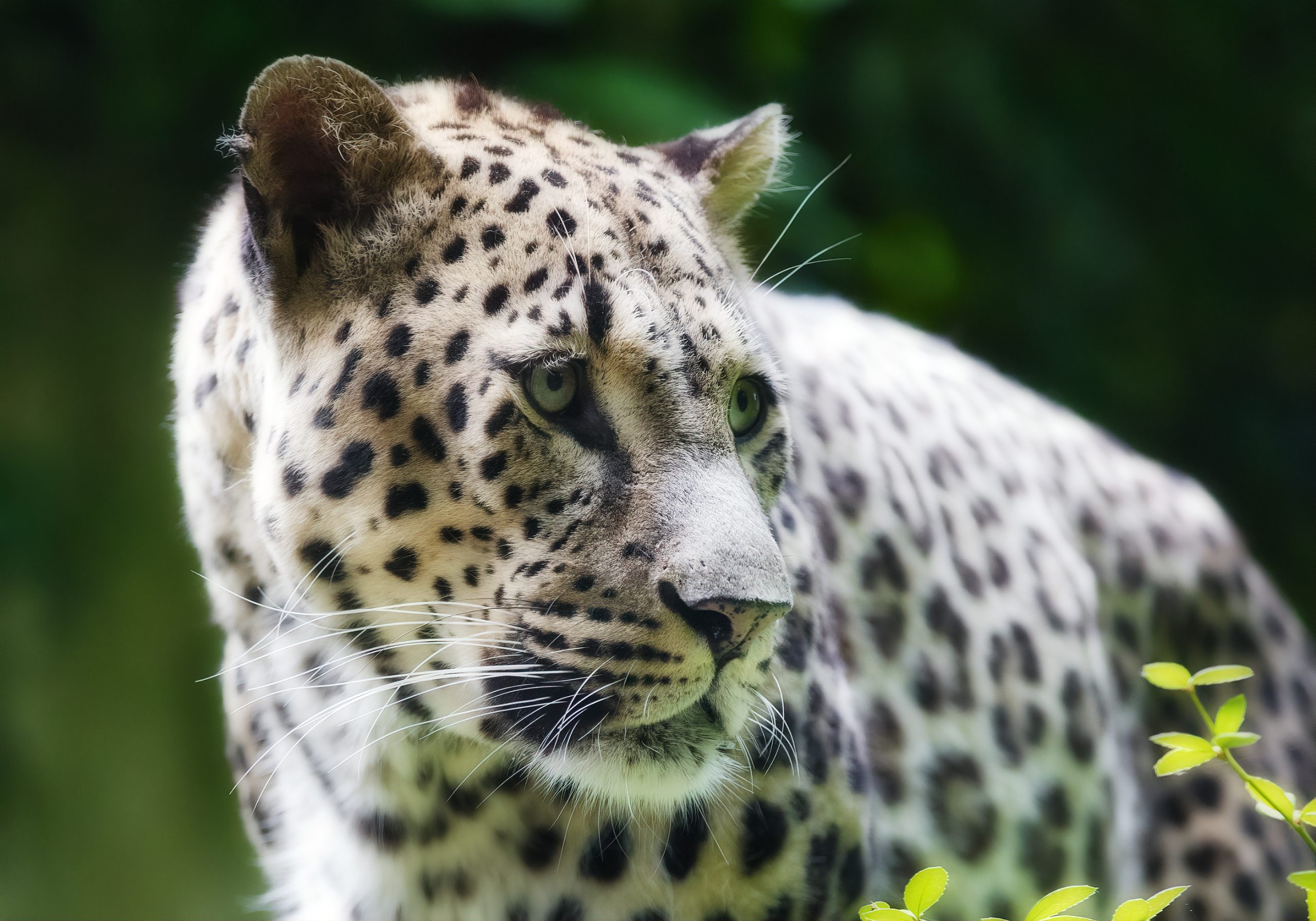
Caucasian (or Persian) leopard
- ‘The leopard was crouched 3m away, its golden eyes locked on mine. What happened next is still a blur’
- "It lifted its head and – boom! The leopard was hanging from its neck like a huge mango on a tree…"
With a global population estimated at around 1,000, no more than a dozen of these impressive big cats are thought to live in the remote mountains of southern Armenia.
Elusive, solitary and largely nocturnal, the leopards roam huge ranges, and a key conservation measure is creating more connected landscapes across the Caucasus region. The largest of eight sub-species of leopard – they can grow to 190cm long and weigh in at 70kg – their stocky bodies are covered with a unique pattern of black rosettes.
Armenian mouflon
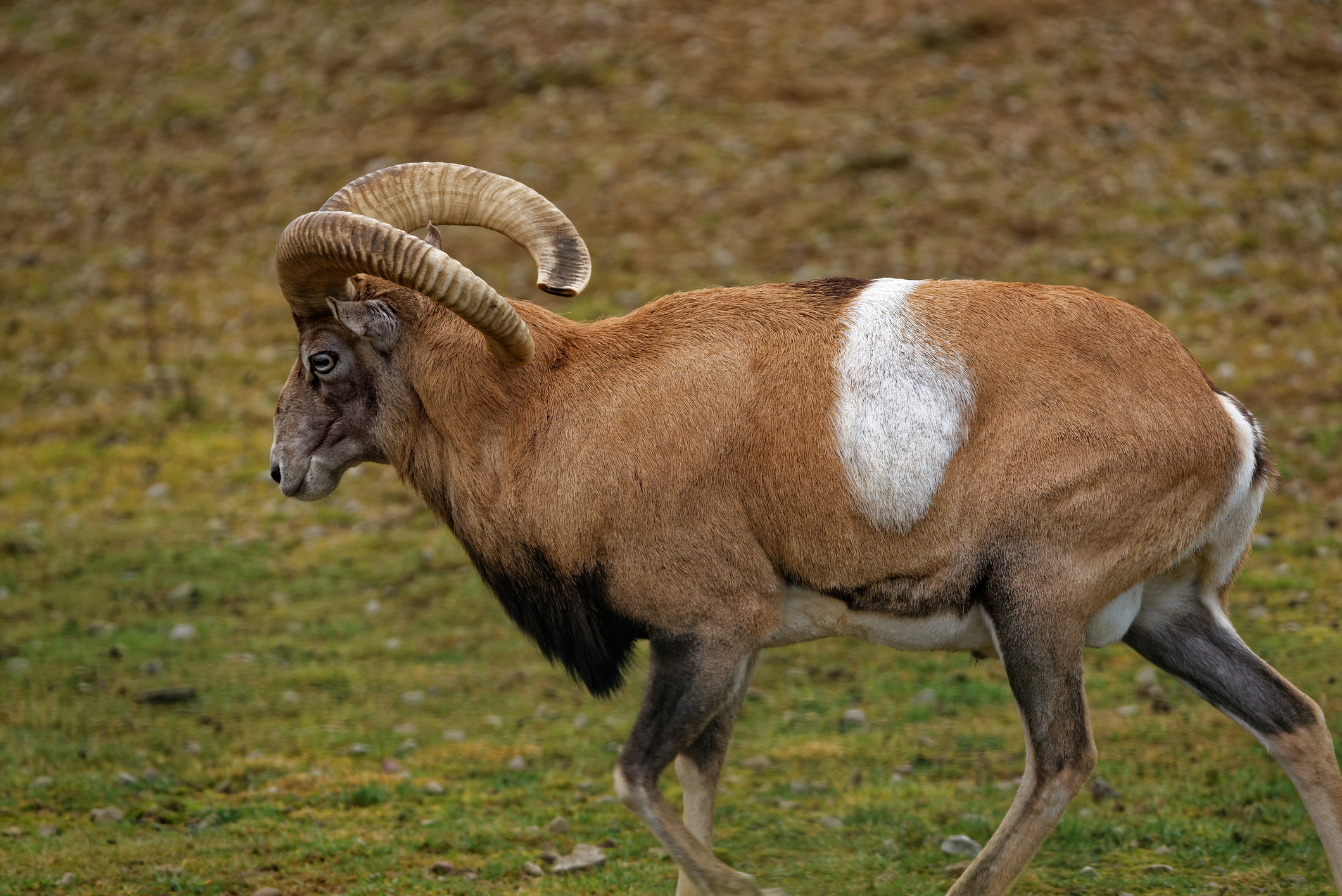
Said to be the ancestor of the domestic sheep, this iconic animal, with its impressive curved horns, is at home on Armenia’s dry mountain steppes and Alpine meadows.
Sadly, the mouflon has suffered a steep decline in recent years, as they’ve struggled to evade poachers, while much of their habitat has been lost to mining. They are also often out competed for food by domestic livestock.
Syrian brown bear
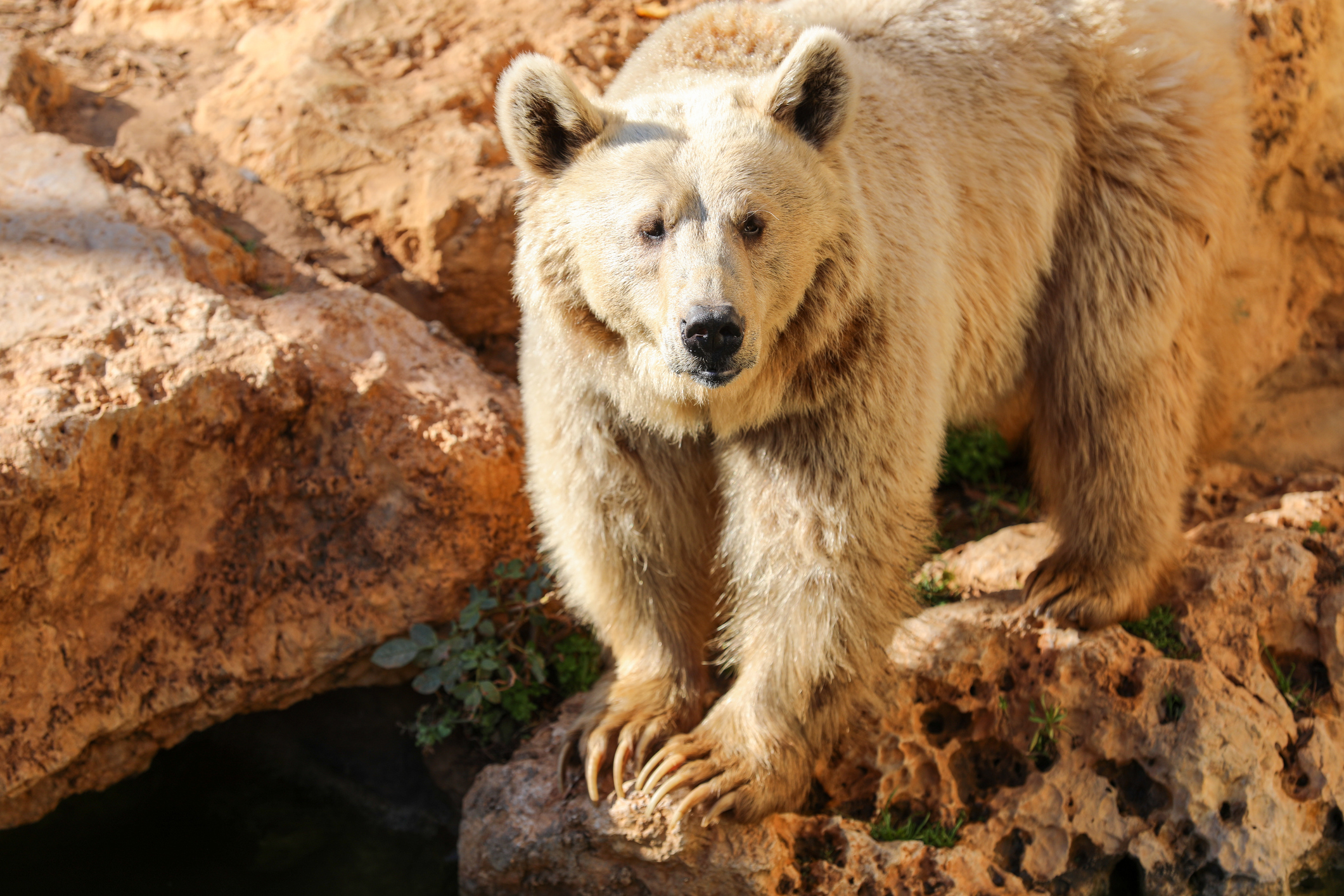
With around 600 individuals, Armenia supports one of the last stable populations of this small bear, which was once widespread across the Middle East. With much lighter fur than their larger cousins, they are the only bear to have white claws.
Although they prefer the mountains, habitat loss and a lack of food is forcing them to scavenge closer to villages, leading to inevitable human conflict. They were also traditionally used for public entertainment but a new sanctuary has recently opened to home bears rescued from captivity.
Bezoar goat or ibex
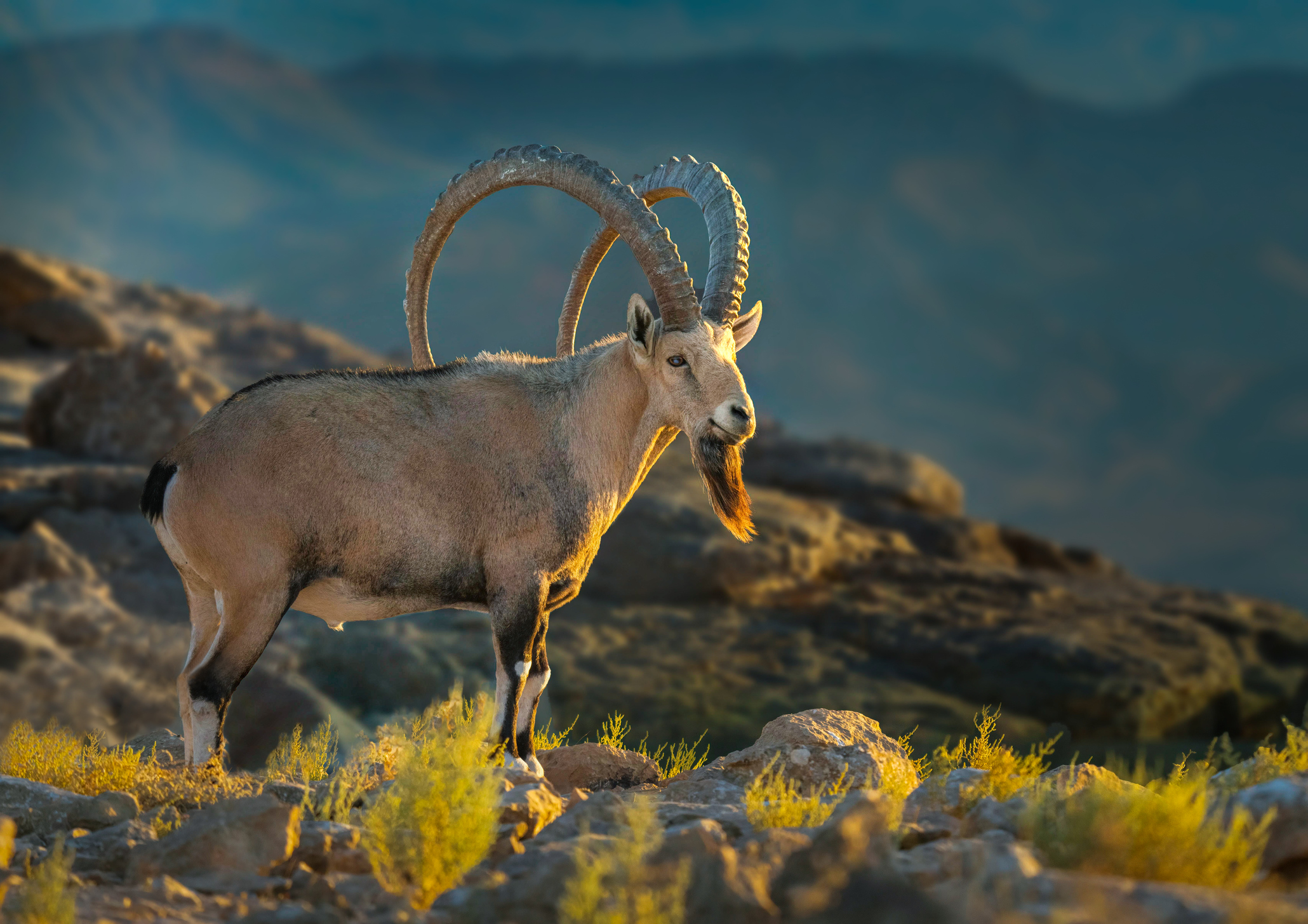
Said to the direct ancestor of the domestic goat, the bezoar goat is part of the Caprinae sub-family, often described as the goat antelope.
Despite their huge scimitar-shaped horns – which are the longest in relation to body weight of any animal – they’re dextrous enough to evade predators by climbing impossibly steep mountainsides. Their name comes from bezoar stones, a solid mass of hair and indigestible plant materials which forms in the gut.
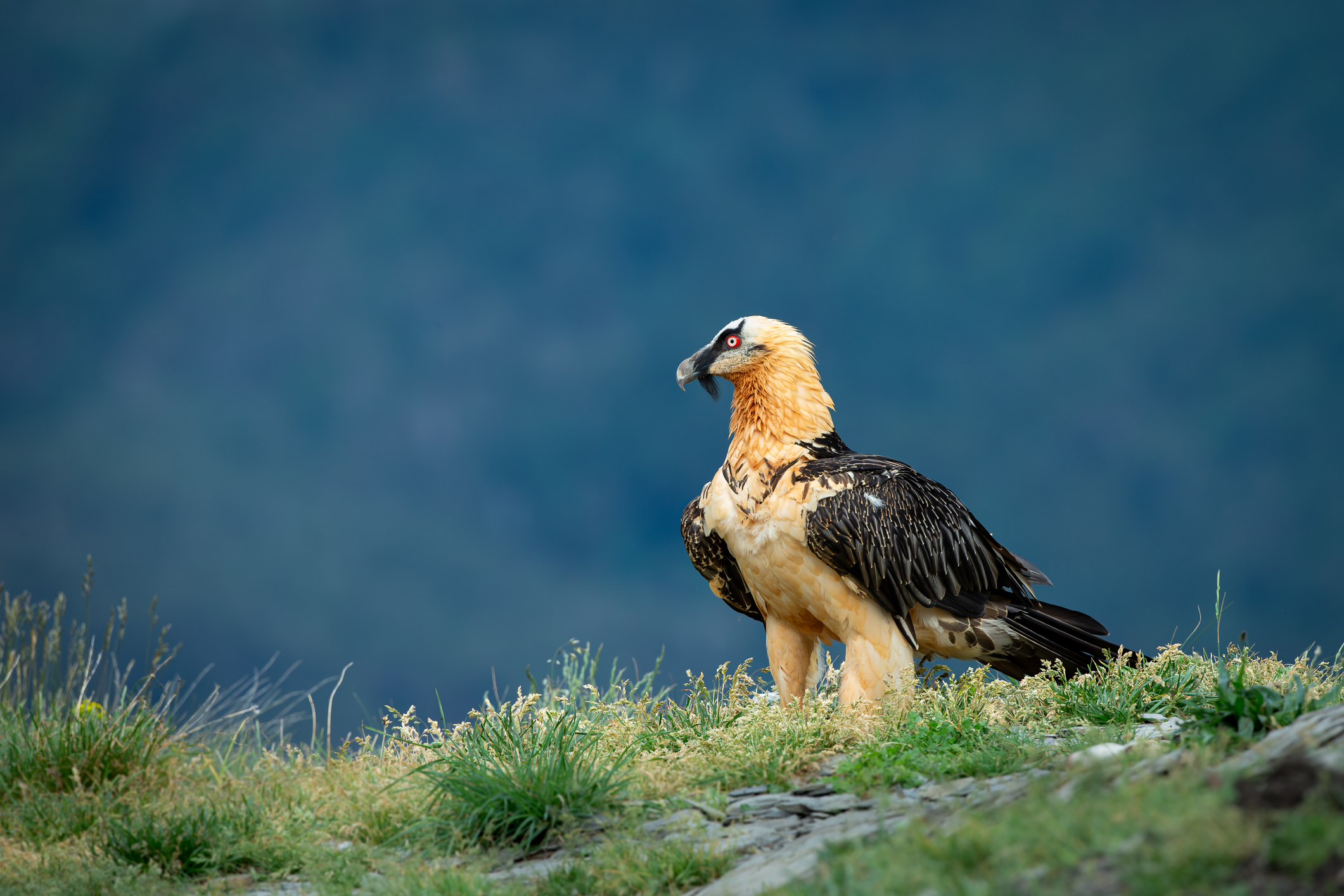
Bearded vulture
- Meet the skeleton-eating bird that dyes itself the colour of blood
- Origins of bearded vulture in the UK revealed
Also known as the lammergeier, this is one of four species of vultures to patrol the skies of Armenia. As much as 90% of their diet is bones, which are digested by strong gastric juices. They can also be spotted flying high clutching larger bones, which they drop onto the rocks, shattering them so they can eat the rich marrow.
Unlike most vultures, the bearded vulture’s head and neck are feathered rather than bald, as its preference for bones means it doesn’t have to reach inside carcasses to feed.
More wildlife stories from around the world
- It’s 43,600 years old, 8 metres high – that's taller than a two-storey building – AND it’s still growing
- Scientists find triplet embryos inside wild sea turtle egg for first time ever
- Florida scientists are using underwater umbrellas to protect coral reefs
Top image: Caucasus mountains in Armenia. KrimKate/Getty images