
Marine heatwaves are devastating marine life, particularly corals which are very sensitive to heat stress. When it gets too hot, corals can bleach and may die if temperatures don’t drop quickly enough for them to recover.
Ocean scientists around the world are racing to find ways to protect these fragile animals from globally warming waters. Now, researchers may have found an intriguing solution: underwater parasols.
After a bleaching event devastated corals in in Florida in 2023, researchers wanted to make sure this didn’t happen again. “We wanted to provide proof of concept for tools to save targeted corals in similar future events,” says Karen Neely, a research scientist at Nova Southeastern University in Florida.
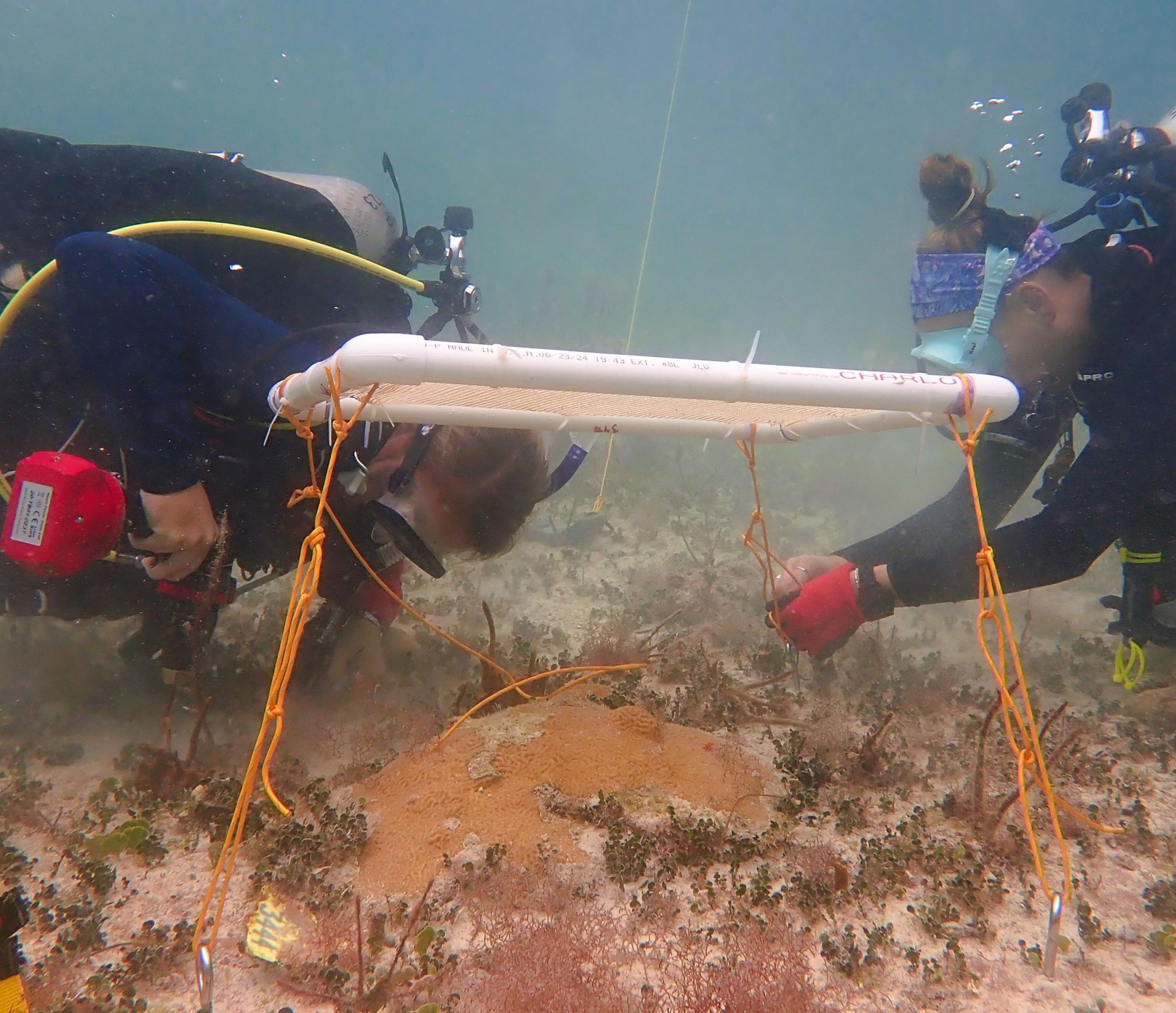
In 2024, the researchers put 20 custom-made sun umbrellas over 10 brain coral colonies (made up of knobby brain coral, Pseudodiploria clivosa. and boulder brain coral, Colpophyllia natans) at Newfound Harbor in the Florida Keys. They visited every two weeks, checking the corals’ colour, taking biopsy and recording changes in 20 control corals.
- Watch: Astonishing ‘explosion of life’ coral spawning in Cambodia stuns scientists
- What’s the difference between fringing reefs, atolls and barrier reefs?
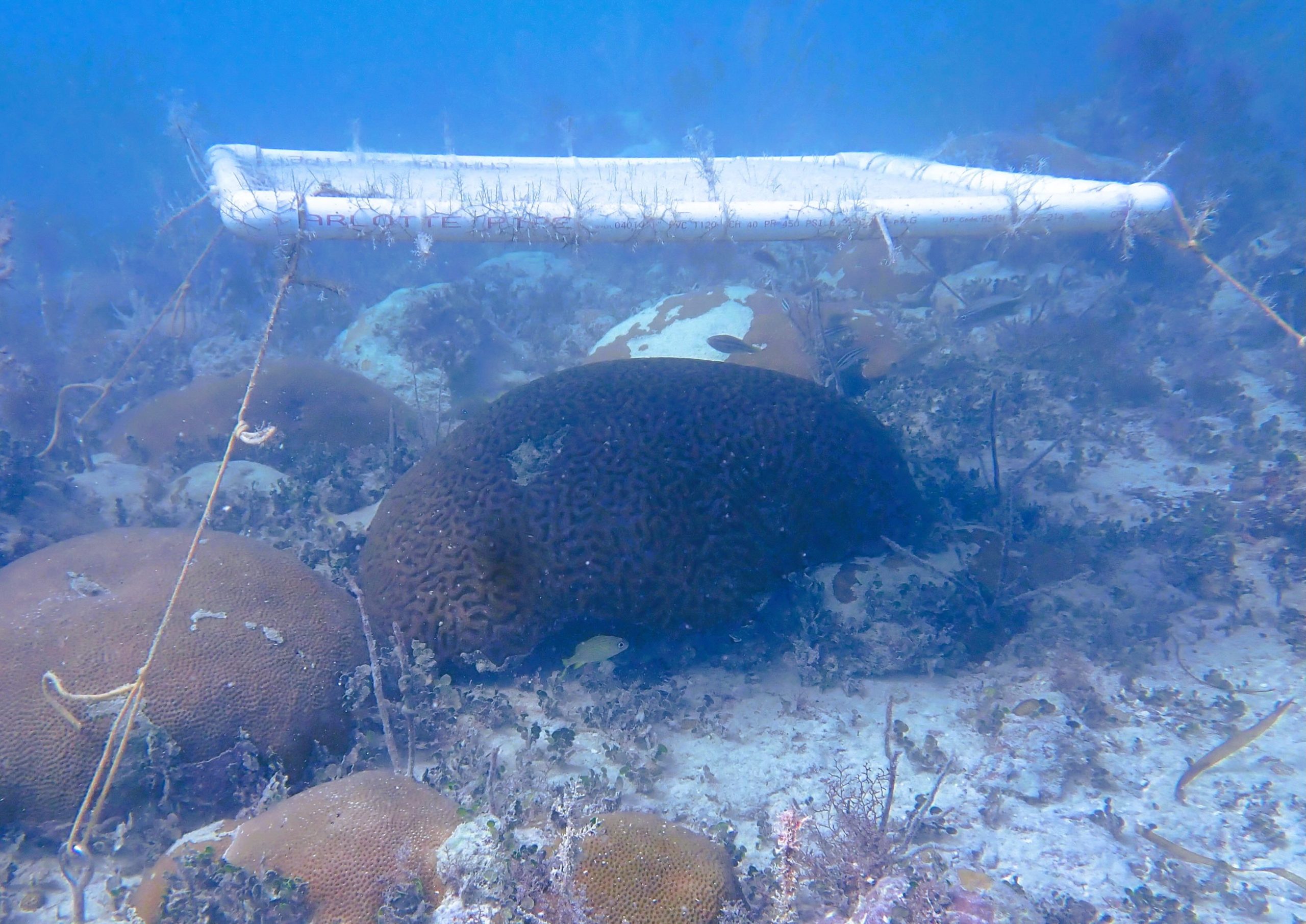
These shades reduce the amount of light reaching the corals by around 60 percent. Although they don’t cool the water, they can protect the corals from UV damage.
The results – published in Frontiers in Marine Science – are promising. Neither the shaded corals nor controls died during the heatwave, despite it being the second highest on record. The corals under the underwater umbrellas, regained some of their colour once sheltered by their new shading and lost less colour than expected during the heat stress event.
- Can the Great Barrier Reef be saved? How Australia’s indigenous peoples could hold the key
- Satellite images reveal more than 1,000 unmapped coral reefs in Australia
“Solutions like shading can offer temporary protection on small scales,” says Neely, adding that scaling up could be challenging. “Shading is not a cure-all for coral reefs, and its use would require hard decisions about what corals are worth saving.”
If the ocean continues to heat up, the harm caused by marine heatwaves could become too much to overcome. “It is also likely that thermal stress would reach a point at which no amount of shading could help a coral,” says Neely, “but only future experimentation would be able to define the bounds of that.”
In the meantime, scientists are doing everything they can to try to save corals around the world. “Heat-related coral bleaching is probably the biggest threat to reefs worldwide,” she says. “We absolutely have to address climate change to have any hope of reefs as we know them existing in the future.”
More wildlife stories from around the world
- This coral reef gets bombed every 62 minutes. And it’s changing the way the ocean sounds
- Colossal squid filmed alive in deep ocean for the first time ever
- Gigantic iceberg breaks free in Antarctica, revealing ghostly mega-nest beneath
- NASA officials sent over 2,000 baby jellyfish into space. Tens of thousands more came back to Earth
Top image: Kathryn Toth (left) and Arelys Chaparro (right) at work on a coral shade. Credit: Karen Neely


