
On 8 April 2024, bird researcher Ryan A.C. Leys made his way to Long Point, a 40km-long sand spit on the north shore of Lake Erie in Ontario, Canada.
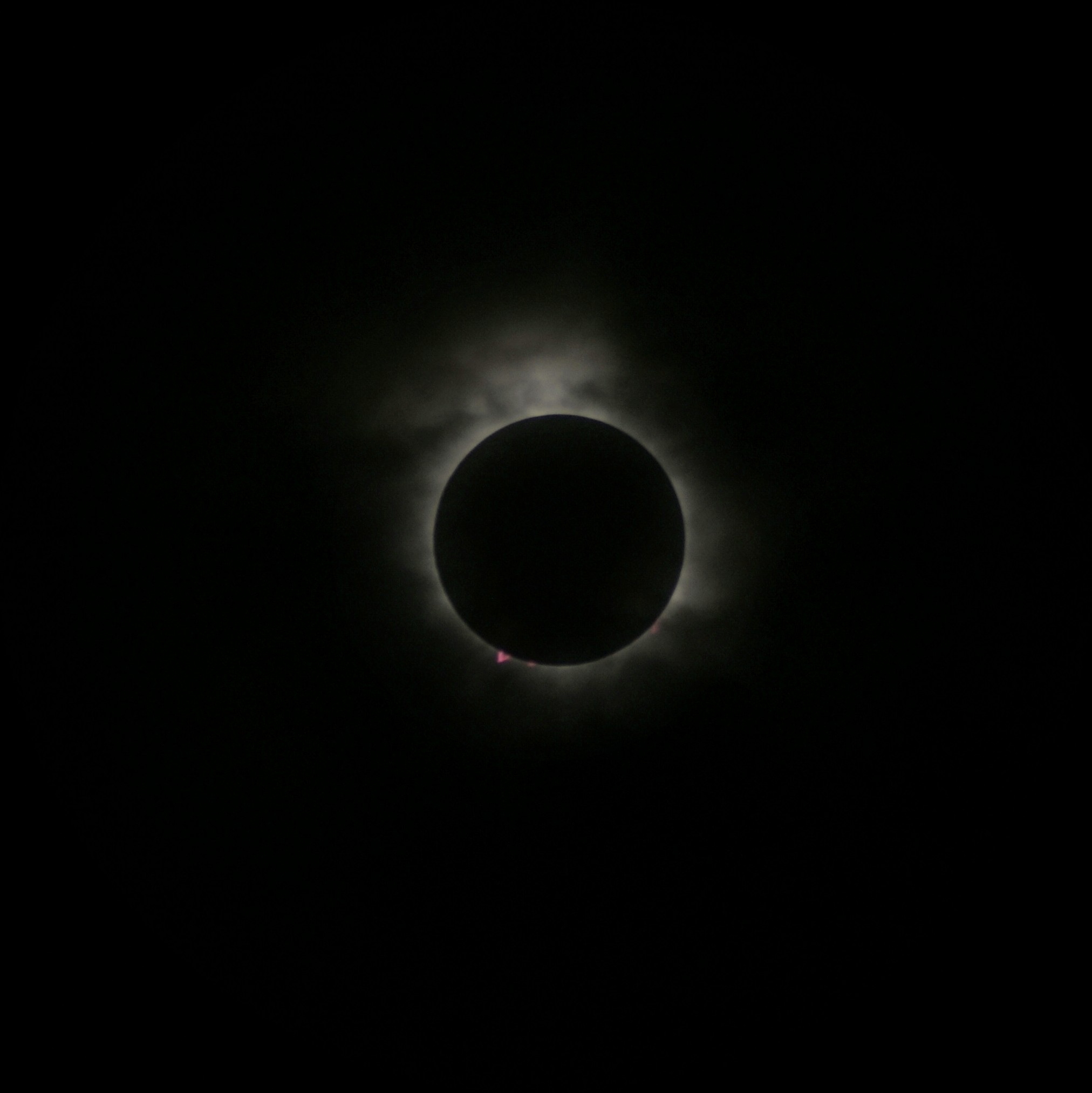
Leys, a PhD candidate in biology at the University of Waterloo, had planned his visit to coincide with a total solar eclipse – a celestial event where the moon moves between Earth and the sun, casting a shadow over the planet.
The occasion offered Leys a rare opportunity to observe how bird behaviour changes as the world around them suddenly falls into shadow. The findings are published in the journal Northeastern Naturalist.
Of the roughly 50 bird species observed during the study, Leys was able to note the behaviours of 10 species in real time with binoculars during the eclipse. The event started at 14:02 and ended at 16:30, with totality (when the Earth, moon and sun are perfectly aligned) beginning at 15:16:19 and lasting for 3 minutes and 32 seconds.
“Most diurnal [active during daytime] birds ceased singing, and many birds exhibited behaviour typical of the dusk period for their species despite the fact that sunset did not occur until nearly 5 hours later,” says Leys. Behaviour included flocking and roosting prior to and during totality. Post-totality, the birds’ normal daytime behaviours resumed.

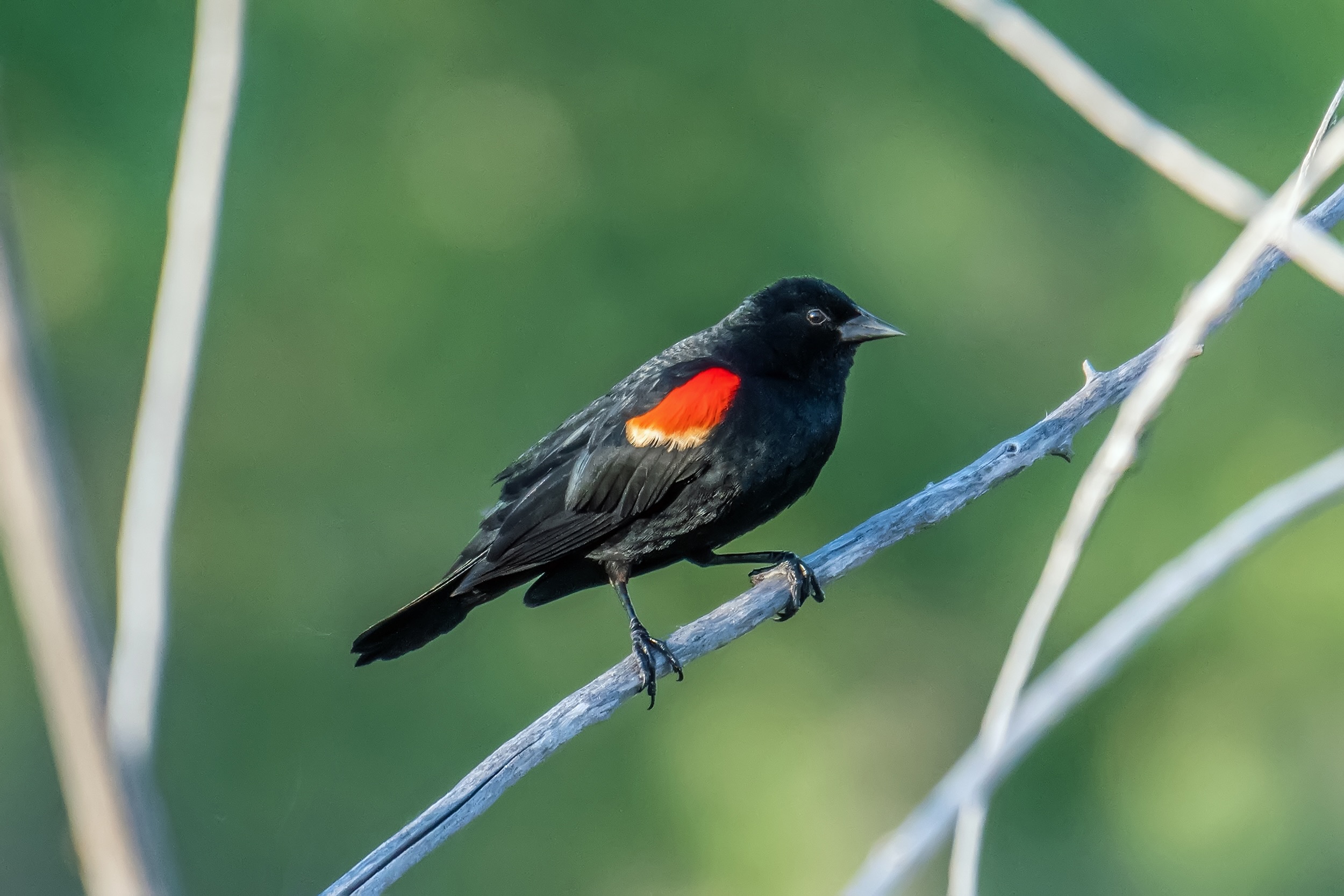
Leys reports behaviour such as red-winged blackbirds gathering in small flocks and flying west towards a known roosting location two minutes prior to totality. Two diurnal raptor species – the turkey vulture and the merlin – landed in trees, roosted during totality, and flew again after totality ended.
A group of various bird species – including 30 Bonaparte's gulls, two American herring gulls, two ring-billed gulls, two Forster's terns and one Caspian tern – “departed their day roosting location in a large pond, flew out towards deeper water in the inner bay of Lake Erie and did not return until ∼10 min after totality ended,” adds Leys.
“In addition, a group of 19 green-winged teal stopped foraging, roosted on shore throughout totality, and then continued feeding post-totality.”
Leys’ observations add to the growing body of research showing that, though short in duration, “total solar eclipses have a substantial influence on the behaviour of many bird species and provide evidence that light is an integral cue for moderating circadian rhythms in birds.”
Find out more about the study.
More wildlife stories from around the world
- Conservationists carry eggs of world’s rarest duck for 44km on foot. Here’s why
- Tiger heron seen dunking and eating a bird for the first time ever
- Oregon’s biggest city was drowning in crow poop. Then a new predator came to town
- Birdwatchers spotted a black vulture nesting on the roadside. What it was sitting on amazed them all


