When it comes to defending a nest or fighting for food, even the tiniest bird can make a ferocious attack. You might be a hundred times bigger, with superior intelligence, but when a dive-bombing arsenal of beak and claws comes straight for you, you’ll run for cover. Guaranteed.
Here are some harmless-looking feathered species that wouldn’t hesitate to go on a serious people offensive…
Most aggressive birds to humans
Arctic Tern
Go on a trip to see a nesting colony of these delicate seabirds and you’d better take a hat at the very least. Anyone going anywhere near their pebbly ground-based nests will be subjected to repeated painful swipes to the head that will draw blood and leave lasting bruises.
Their speed of delivery and rapid exit saves them from any retaliation, even from quite fearsome predators such as polar bears, so all a human can do is duck and cover.
Carrion Crow
These birds come mob-handed, literally. Threaten one crow, or do something he doesn’t like, and he’ll get his own back by calling together all his mates who will swoop down en masse and make your life a misery. And don’t think you can walk away and come back another day and it will all be alright. Crows bear grudges and they will remember you.
Barn Swallow
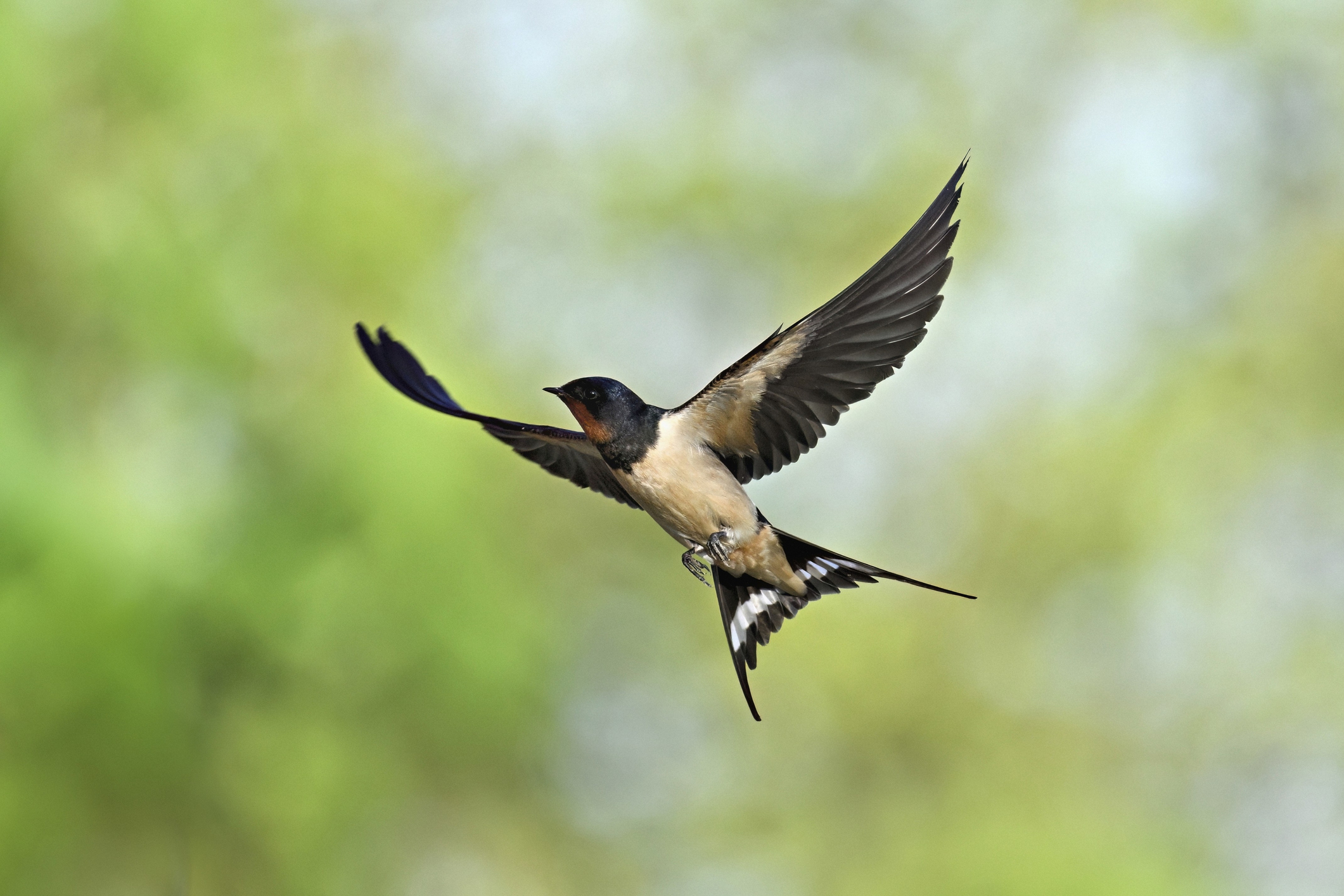
Another group of birds with long memories for faces and a powerful instinct for protecting their mates and young are the barn swallows. We love to see them return every year as they migrate backwards and forwards to their breeding sites, but that combination of memory and parental care is what makes these pretty little birds so aggressively territorial.
- Swift or swallow: what's the difference between these two incredible long-distance migrants?
- Swallow guide: migration, nesting and where to see
The plus side is that although they will make good efforts to intimidate with much loud vocalising and lots of wing action, they rarely make physical contact. It’s mostly bluff and bluster.
Great Horned Owl
This is the only species of owl recorded as deliberately targeting humans. Great horned owls are uber aggressive when it comes to guarding their nests and will attack any other animal that approaches too close, whatever their size.
This mind-set has earned them the nickname of ‘tiger owl’ in some countries of the Americas. They are large birds with scarily sharp beaks and long, needle-like talons so if they strike they can do a lot of damage.
Herring Gull
Who has not been intimidated on a holiday in a seaside town by a herring gull eyeing up your ice cream or your picnic sandwich? In some vacation resorts these inhabitants of ocean and countryside across the northern hemisphere have shrugged off any fears of humans in the quest for an easy meal.
Although they tend to be more snatch-and-grab operatives than physical muggers, such a large bird flying at you can be a scary prospect, but in truth they often cause more surprised laughter from their shocked victims than screams of pain.
Mute Swan
If a mute swan decides you’re rather too close to its nest or cygnets it will attack. The combination of a large, gaping beak snapping at you, loud angry hissing and huge, powerful wing flaps targeting vulnerable parts of your body is enough to strike fear in the bravest. And it’s not only humans these swans will aim for, they will jump on and even peck to death or drown other waterbirds, including Canada geese that are almost their same size.
Northern Mockingbird
These flocking birds of North America have a talent for remembering individual human faces and categorising them into goodies and baddies. As they frequently choose to live in suburban areas, favouring parkland and gardens because of their fondness for short grass and shrubberies where they can hunt for grasshoppers, beetles and winged insects, they are often in close proximity to people. And if they see you as a threat to their nests, the whole flock will make your life a constant torment.
Emu
Back in the 1970s British entertainer Rod Hull famously knocked a TV chat show host off his seat by attacking him with his hand puppet called Emu.
- Australian officials declared war on this giant bird after it destroyed crops. But even machine guns couldn’t stop it
- Ostriches vs emus: what’s the difference between these large, striking flightless birds?
This aggressive behaviour echoed tales of emus in Hull’s native Australia that are dangerous when protecting eggs and chicks and will use their sharp claws at the end of long, powerful legs to kick and scratch. As they are large birds, they are more than capable of breaking bones with these tactics and they can run as fast as you can! So best avoided.
Australian Magpie
Male magpies with nests in gum trees on farmland and in parks and residential areas across the country really don’t like cyclists or runners. If they’re travelling fast they’re a threat, according to the birds.
Defence tactics against painful nips to head and eyes include wearing helmets and hard hats, carrying umbrellas, walking slowly and pushing your bike and, wherever possible, avoiding known nesting areas. This is another bird that can remember faces so they will select specific victims year after year in their home territory. Tricky if they always choose to nest in the same location on your favourite route to work.
Cassowary
Now we come to the most aggressive bird of all towards humans. In fact, the cassowary is considered the world’s most dangerous avian species.
The reason for this reputation is that they will attack without hesitation, kicking with their extremely strong legs and lethally large inner toe tipped by a dagger-like claw. They can rake down the front of a frail human body in seconds, with horrifying consequences. Native to Australian and New Guinea rainforests, these birds will leave you alone so long as you don’t confront them… or feed them. Then you’re asking for trouble.
- “How worried should I be?” A quest through Australia's rainforest in search of the world's most dangerous bird
- Everything you need to know about the southern cassowary
- 10 deadliest birds on the planet: From slashing humans with razor sharp talons to kicking prey to death, discover the world's savagest, most brutal avian killers
Top image: Getty