
Researcher Laurent Seuront has studied the harbour seals of Boulogne-sur-Mer, on the north coast of France, for years – but he had never seen anything like this. On the computer screen in front of him was a photo of a reclining seal with a bright white cockle clinging to one of its whiskers.
The picture was taken as part of a photo survey. Seuront and colleagues at the French National Centre for Scientific Research regularly comb over such pictures to evaluate the seals’ health.
“My first thought was, ‘Wow, what is a cockle doing there?’” he recalls. “It was amusing more than anything else.”
But then Seuront began to wonder: what if this happens more often than the researchers realised? An adult cockle is sedentary and may only move a few centimetres during its entire adult life. But Seuront estimates that one of these molluscs could end up travelling dozens of kilometres, or perhaps even more, by attaching itself to a seal.
Should the intrepid cockle later let go, survive, and successfully reproduce, it may even alter the gene pool of a distant cockle community. A whisker-grabbing stowaway.
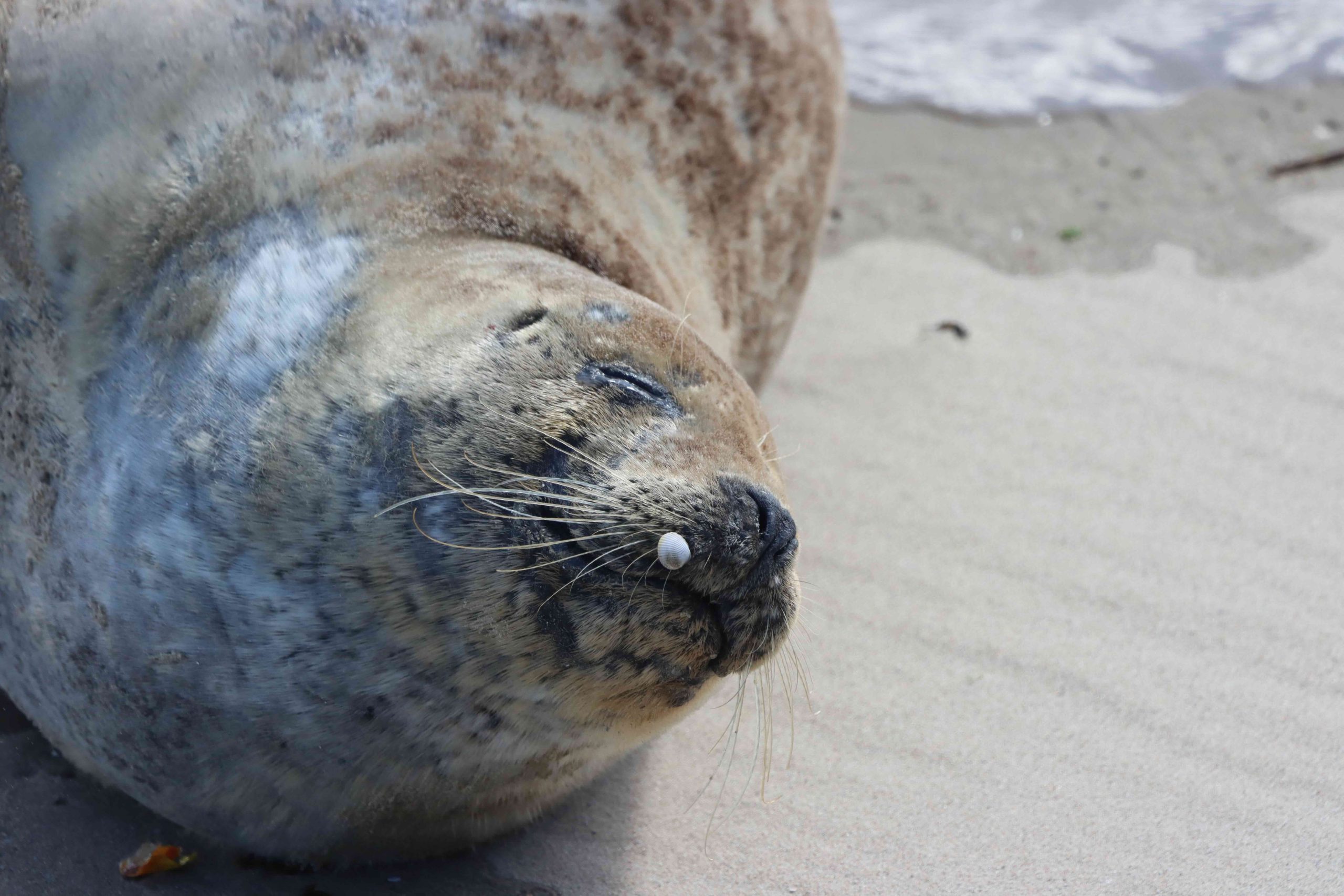
Seuront found reports of cockles occasionally attaching themselves to birds’ feet or plumage – including as observed by Charles Darwin. But, aside from the isolated example of the seal in Boulogne-sur-Mer, have other researchers ever sighted cockles getting around on marine mammal whiskers?
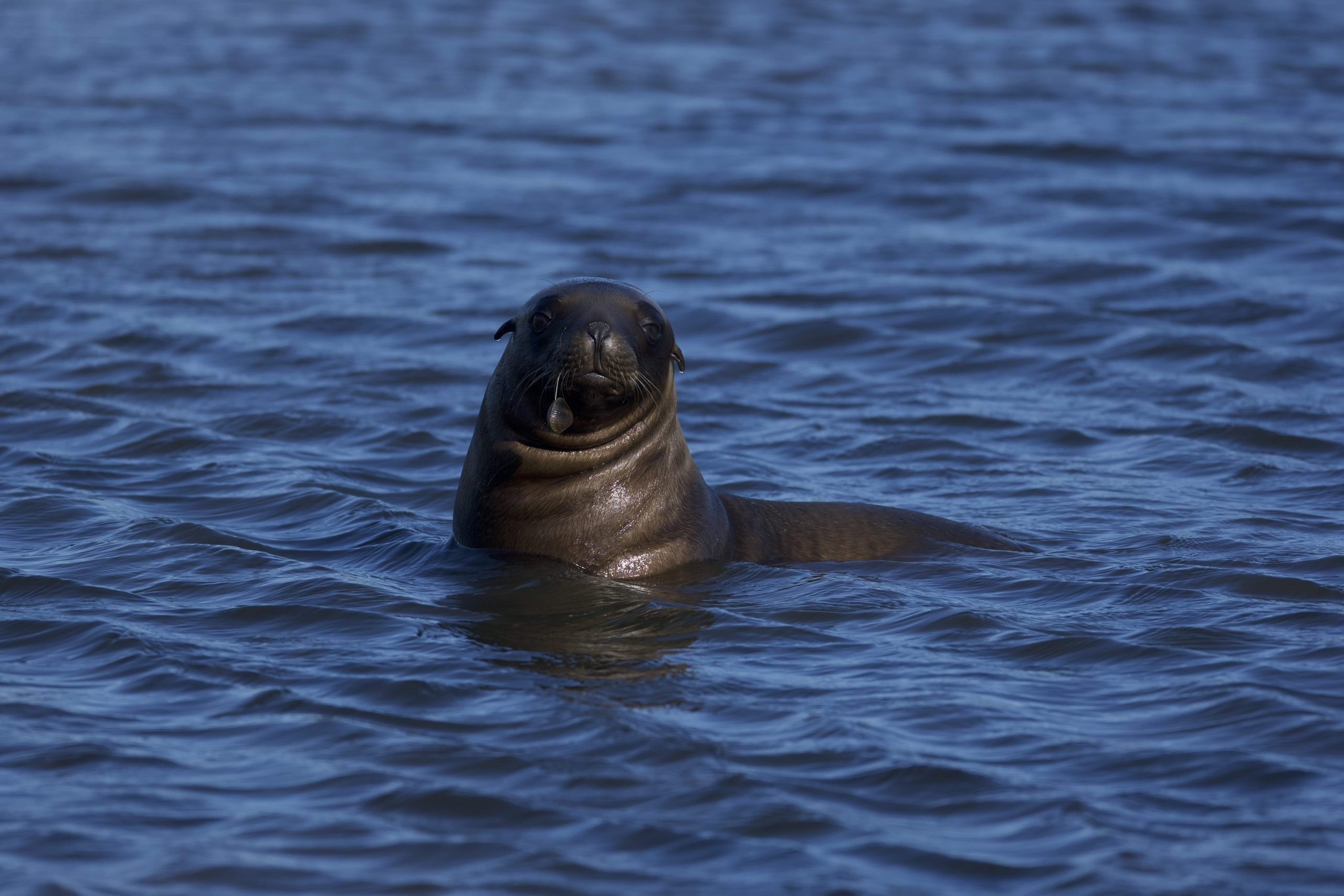
BBC Wildlife Magazine joined the hunt and soon found another example: a sea lion on the other side of the world, in New Zealand, photographed with a cockle on one of its whiskers last year. The photographer, Britt Mathias, put us in touch with a colleague, Jimmy Fyfe, at the New Zealand Department of Conservation, who had an intriguing story to tell. He described a sea lion nicknamed Cockle, frequently observed in Otago between 2008 and 2011.
“She was a particularly curious pup and was seen, on many occasions, actively seeking out the experience of getting cockles to clamp onto her whiskers,” says Fyfe.
So, while undoubtedly still unusual, perhaps an individual seal of sea lion’s behaviour is one factor that may raise the chance of a cockle hitching itself to a probing whisker – and going on an extraordinary journey.
Seuront's study is published in the journal Aquatic Mammals.
More wildlife stories from around the world
- Sleeping elephant seals help scientists find elusive whales in remote Southern Ocean
- Dolphins filmed catching fish with seashells for the first time
- How to tell the difference between grey and common seals
Top image: Cockle on harbour seal whiskers. Credit: Jean-Luc Bourgain


