Microplastics have been detected in the blood of some of Brazil’s most iconic wildlife, including animals living far from human activity, a study in Nature has found.
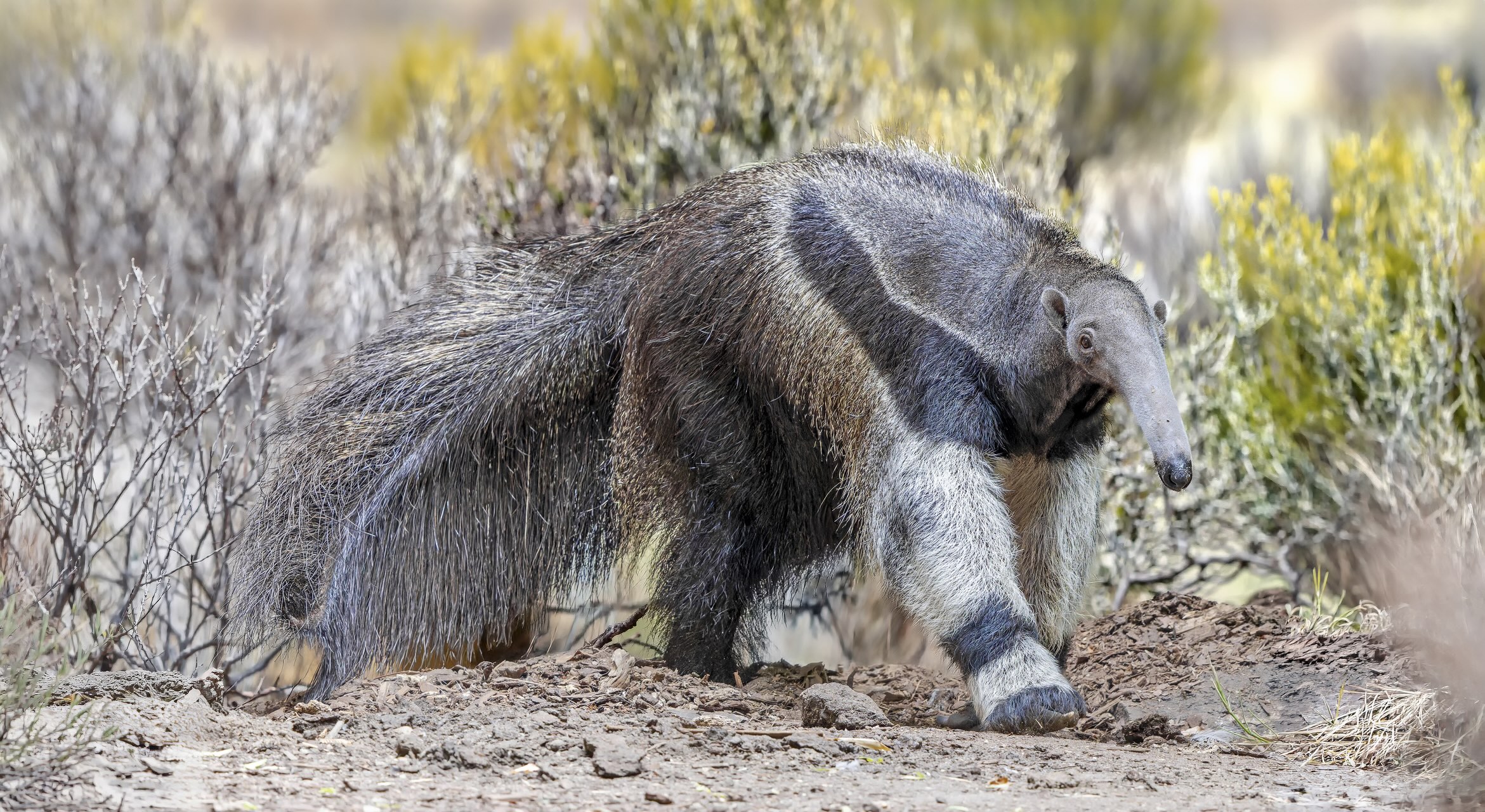
Giant anteaters, giant armadillos and tapirs all contained traces of the pollutants. The findings raise questions about the potential health effects of microplastics on wildlife and offer a sobering illustration of how human pollution has infiltrated even the most remote corners of the natural world.
- Giant anteater seen in southern Brazil for the first time in more than 100 years
- Aardvark vs anteater: what's the difference?
Microplastics are tiny pieces of plastic less than 5mm across. Carried by wind and water, they can travel vast distances before entering food chains and finding their way into animals’ bodies.
While most of the research on microplastics and wildlife has focused on marine environments, less is known about what happens on land. “Our goal was to find out how the areas and habitats that animals move through influenced their uptake of microplastics,” says Justin Calabrese at the Center for Advanced Systems Understanding at the Helmholtz-Zentrum Dresden-Rossendorf.
So, they fitted wildlife with GPS trackers and took samples of their blood.
- How many rainforests are there in the world - and just what's so special about them?
- Jungle vs rainforest: what exactly is the difference?
The animals – 26 lowland tapirs, 21 giant anteaters and 3 giant armadillos – came from three different regions: the Amazon rainforest, the Cerrado savannah and the vast Pantanal wetland. Microplastics were found in all but four of the creatures.
On average, they carried about 74 particles per millilitre of blood, which is similar to the levels found in many people.
Concentrations were higher in animals that lived closer to human infrastructure and waste-management facilities. “Our paper is the first to demonstrate this linkage for terrestrial mammals,” says Calabrese.
But, alarmingly, microplastics were also found in the bodies of tapirs and giant armadillos living in the supposedly undisturbed Pantanal wetland. This included some whose ranges were more than 110 kilometres from waste sites and 65 kilometres from human infrastructure.
The study demonstrates that microplastics can infiltrate the bodies of wildlife living far from the source of the plastic pollution. This concerning because levels can increase over time, posing health risks.
The study joins a growing body of research that has found microplastics in some of the world’s most pristine places. Earlier this year, researchers found plastics in the snowpack covering remote parts of North America’s Sierra Nevada.
Now, the team are planning to measure levels in other species. They also suggest that buffer zones could be set up around nature reserves to try to protect the animals from microplastic pollution.
More amazing wildlife stories from around the world
- Scientists set up camera trap in the Amazon – and filmed “something they never dreamed of”
- This animal eats plastic and poops it out at the bottom of the sea – and scientists just recorded it
- 260 hours staring at giant anteaters in Brazil's savannah - here's what researchers discovered
- Giant anteater twins filmed in Argentina for first time
Top image credit: imageBROKER/Erich Schmidt/Getty Images