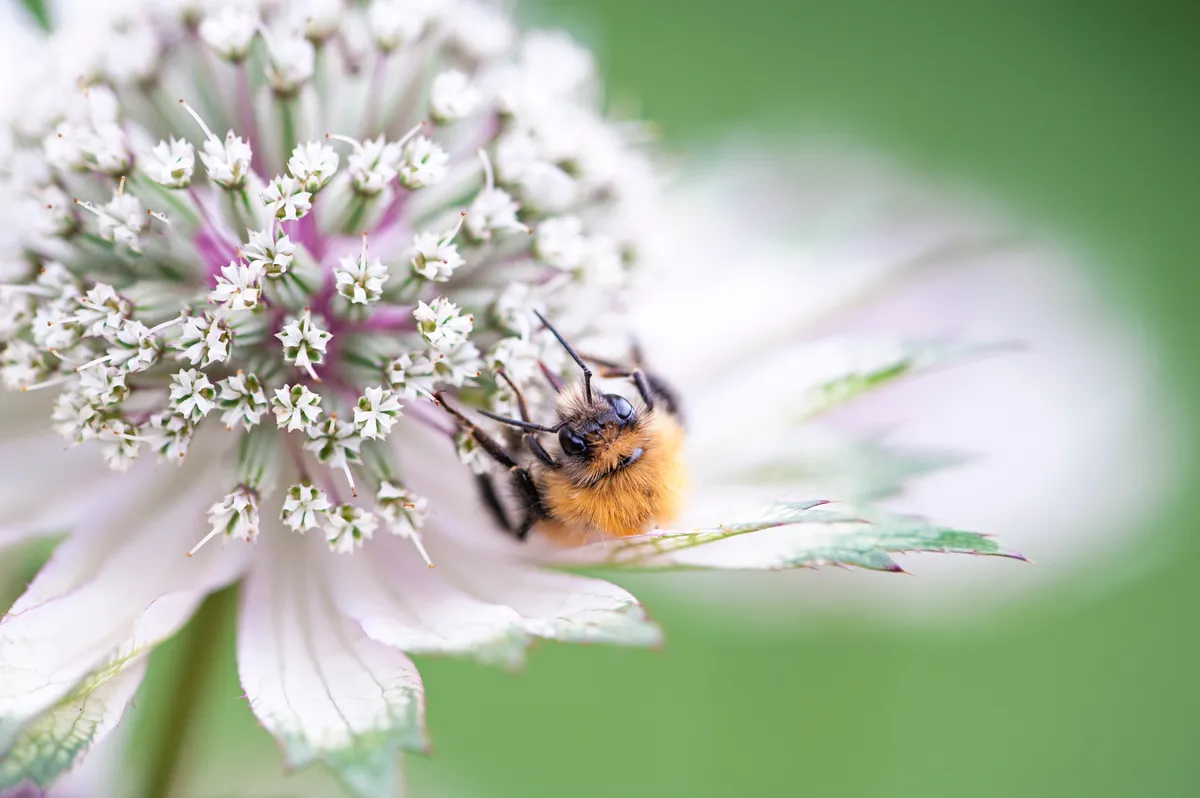
Bees and wasps are well known for their ability to sting, but not all stings are equally painful. While many species use their stings to defend themselves or their nests, the intensity of the pain can vary dramatically depending on the insect and the chemical composition of its venom.
- “Torture. You are chained in the flow of an active volcano.” One scientist was stung by over 150 insects over 35 years. Why?
- Why does a bee die after it stings you? And is that the case for all bees?
Which species of bees and wasps have the most painful stings?
US entomologist Justin Schmidt formulated a pain index while studying the biology of stinging insects.
Pain level 4
Excruciating agony – shocking, fierce.
Pain that makes you just want to lie down and scream. Tarantula hawk (a large spider-hunting wasp, family Pompylidae), and warrior wasp, Synoeca septemtrionalis. “Like walking over flaming charcoal with a three-inch nail embedded in your heel.”
Not surprisingly the Asian giant hornet is also in this category. Its sting has been likened to being stabbed by a hot needle.
- It has one of the most painful stings on Earth and can eat a tarantula alive from inside out - meet the deadly tarantula hawk wasp
- At 7cm long it's not only the biggest wasp in the world but the deadliest thanks to its 6mm stinger – just how deadly is it?
Pain level 3
Very strong pain that can last up to half an hour. Paper wasps (Polistes species), velvet ants (family Mutillidae, actually furry wingless wasps).
Pain level 2
Sudden stabbing pain, giving way to an aching throb. Honeybee, Apis mellifera, bumblebees (Bombus species), social wasps (Vespula and Dolichovespula species) and American bald-faced hornet, Dolichovespula maculata. “Hot and smoky, almost irreverent. Imagine WC Fields extinguishing a cigar on your tongue.”
Pain level 1
Any pain is minor and short-lived, lasting five minutes or less. Sweat bees (small Halictus and Lasioglossum species).
How to treat a bee or wasp sting
Seek immediate medical attention for stings inside the mouth or throat (which might cause an airway blockage), for multiple stings that cause serious swelling, or if you suffer strong allergic reaction or anaphylactic shock.
Otherwise…
- Make sure that the entire sting is removed from the skin – use fine forceps or scrape with a knife edge. Don’t use finger and thumb.
- Wash the wound using plenty of soap and water.
- Apply a cold compress – either a wet flannel or ice-pack.
- Do not scratch – this just encourages infection.
- Rub in anti-histamine cream if you’re susceptible to redness and swelling.
- Don’t bother with balsamic vinegar, baking power, cucumber slices, onion pieces or other half-baked folk remedies.
How to avoid being stung
- Do not deliberately aggravate wasps or bees, or pick one up between finger and thumb.
- Do not swat a wasp visiting your food. This releases a pheromone scent attracting nest-mates.
- Do not flap or flail – this just scares and alarms them more. Try to stay calm!
- Move well away from the nest that you have almost certainly approached, even if inadvertently.
- Enjoy watching wasps and bees visiting flowers peacefully. They’ll ignore you.
- The common wasp: what they eat, how they build their nests - and why a wasp stings
- Wasp nests: how they make them and how to identify different species' nests
- "Multiple stings can cause alarming swelling, nausea, vomiting, dizziness and confusion. An average human would be lucky to survive 1,000 stings"
- The deadly Asian hornet: how to identify, what they like to eat, why they are a grave worry- and how to report a sighting
Top image credit: Игорь Дмитрив / Getty Images