Most people know that the most dangerous animals in Africa (or indeed almost anywhere in the world) are not crocodiles, hippos or lions. They’re mosquitos.
But mosquitos aren’t dangerous in themselves but because of the diseases they carry, and the risks are almost entirely (with a few exceptions) confined to warmer, wetter tropical and subtropical regions. An abundance of standing water is another factor. Here in a roughly descending order are the 10 most deadly ones of all.
- Why do some people suffer more bug bites than others?
- "It can carry Ebola, a nasty virus that causes bleeding from every orifice and is usually fatal." Meet the world's 7 deadliest bats, famous for carrying lethal diseases
10 of the most deadly mosquito-borne diseases
Malaria
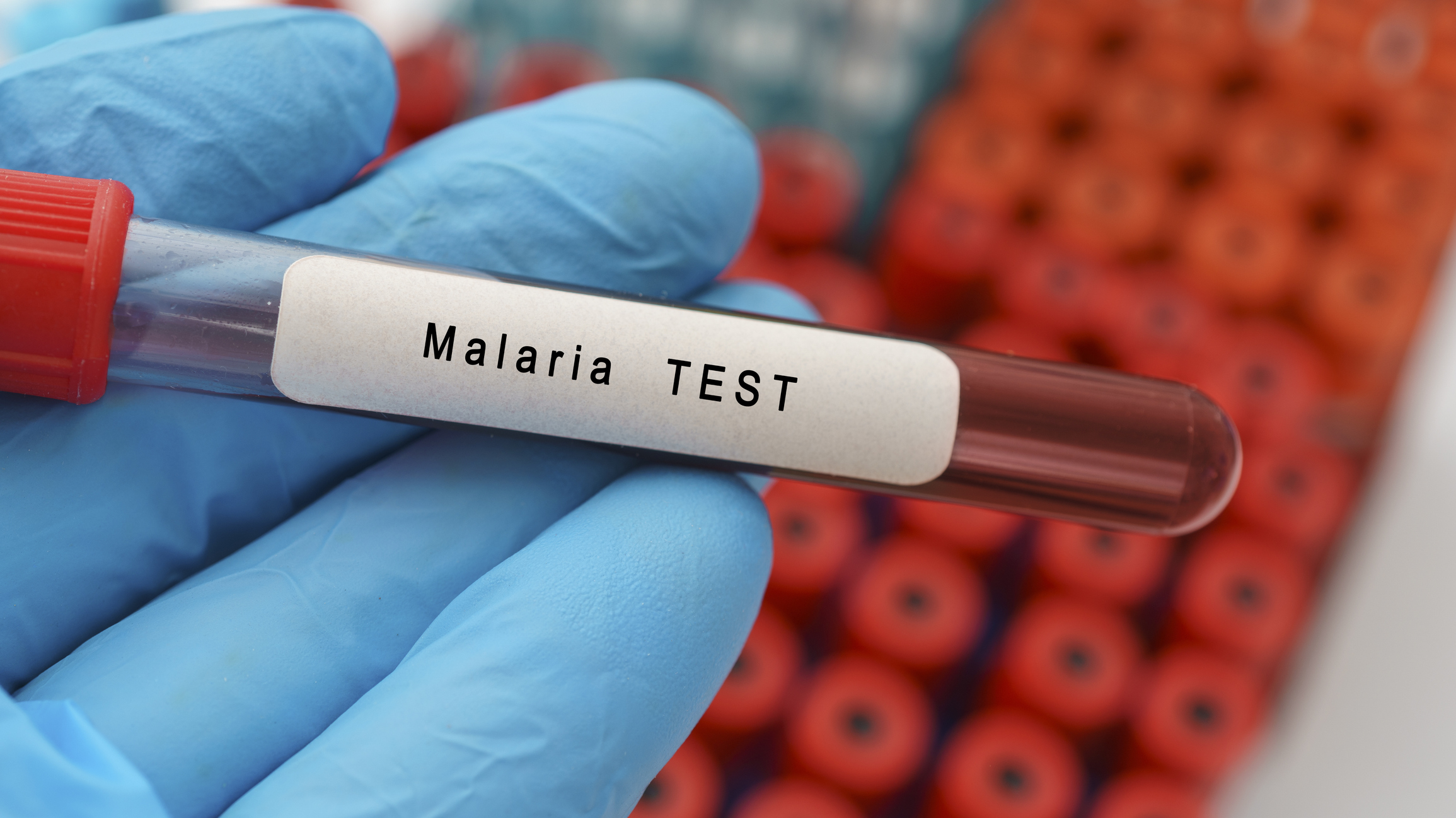
Responsible for an estimated 640,000 human deaths in 2024 (of which more than 90 per cent were in Africa and 75 per cent were children under the age of five), malaria is the deadliest disease carried by mosquitoes. It is caused by single-celled eukaryotes in the Plasmodium genus, and they are transmitted into a person’s bloodstream when a female Anopheles mosquito feeds on their blood.
The onset of the illness can begin one week, or up to one year, after infection, and symptoms include “fever and a flu-like illness, chills, headaches, muscle aches and tiredness, and nausea, vomiting and diarrhoea”. Malaria is also found in large areas of Central and South America, the Indian subcontinent, South-east Asia and a small part of the Arabian Peninsula. You can’t get vaccinated against malaria, but you can take prophylactic drugs that should stop you developing it.
Dengue fever
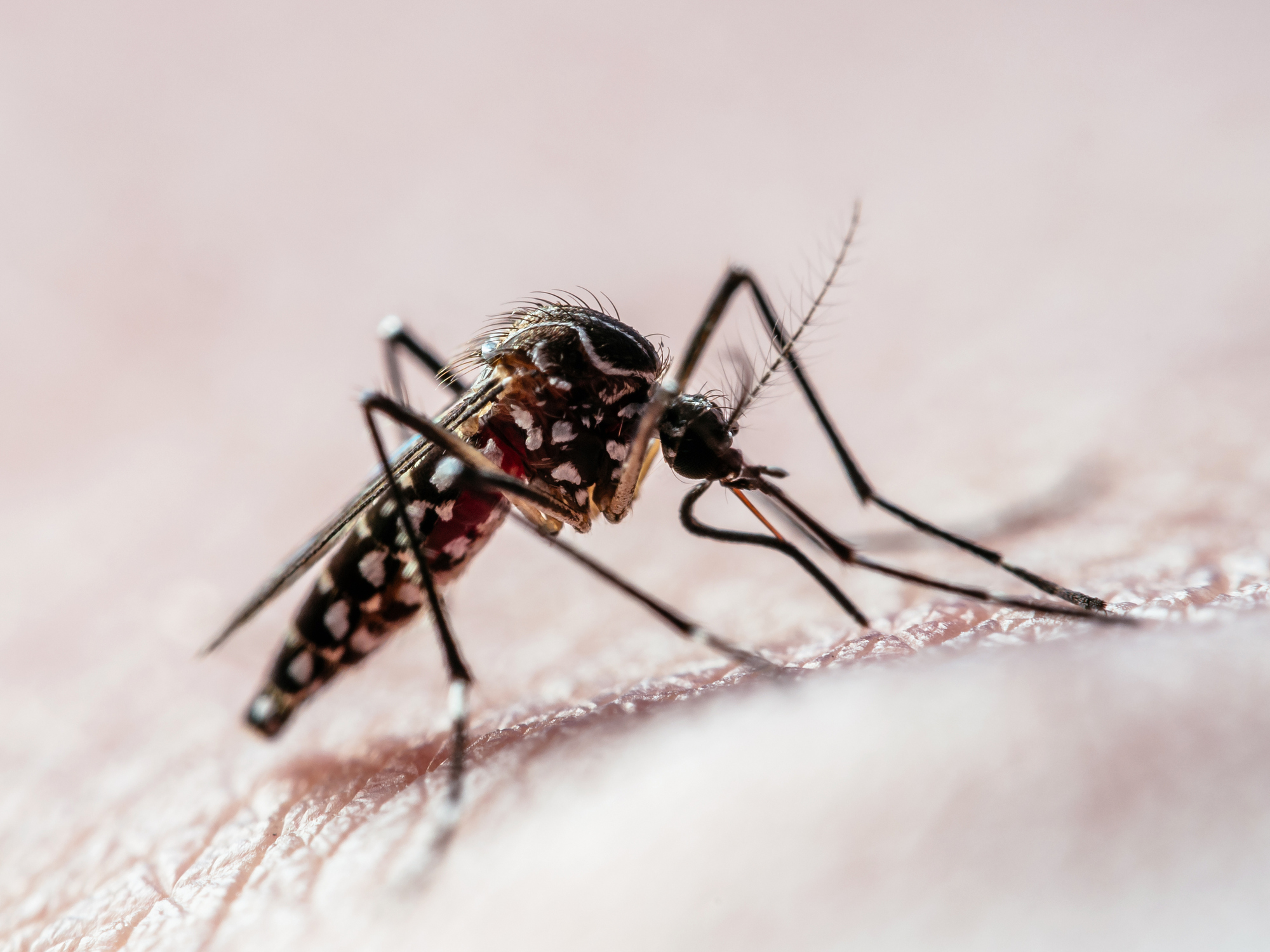
Causing a range of symptoms that include a fever above 40˚C (104˚F), headaches, nausea and rashes, dengue fever is thought to kill around 40,000 people a year. It is spread by Aedes mosquitos which are found in most tropical and sub-tropical parts of the world, with vast majority of cases in South America.
But it is also beginning to spread to more temperate climates such as, the state of Florida in the USA. An estimated 400 million people are infected every year, so even if you catch it, the overwhelming odds are that you will survive.
Yellow fever

In its most severe form, yellow fever causes jaundice in humans, which turns the eyes and skin yellow – hence its name. There are up to 170,000 severe infections every year which cause up to 80,000 deaths, and it is a viral disease spread by day-flying mosquitos belonging to a number of different genuses.
Symptoms include fever, headaches, nausea and vomiting, and about 15 per cent of infected people will get severely ill, of which half will die within 7-10 days. The good news is that there is a highly effective vaccine which provides lifelong protection.
Japanese encephalitis
Most often found in rural areas where there are paddy fields or pig farming, Japanese encaphilitis is thought to be responsible for 25,000 deaths every year. It is caused by a virus closely related to those associated with dengue and yellow fever and spread by mosquitos in the Culex genus that proliferate when there is stagnant water. It’s found over a broad area of the Indian subcontinent and South-east and East Asia as far south as the tip of northern Australia.
West Nile virus

Roughly 80 per cent of people infected with West Nile virus won’t even know they’ve got it – they develop no symptoms at all. Just under one in five will exhibit flu-like symptoms but otherwise be ok, and only 1 per cent will go on to suffer encephalitis – inflammation of the brain – and other serious, life-threatening symptoms.
- "It feeds on your blood for a week before you even notice – and then leaves behind a rare and life-threatening disease…"
- What's the most dangerous animal in Africa? There's a number of deadly contenders but one is responsible for a humongous million human deaths a year
It was first identified when a woman in the West Nile district of Uganda became ill, but it’s not known how many people are infected or die in any given year. And while it is most common in tropical parts of the world, it is known that there are 1,300 severe cases in the USA every year and 130 deaths. West Nile virus is spread by mosquitos in the Culex genus.
Eastern equine encephalitis
As its name suggests, eastern equine encephalitis (often shortened to EEE) is a disease that affects horses. But they’re the lucky ones – there’s a vaccine for these equids, but not for us hominids.
Primarily found in North America and the Caribbean, there are only a handful of cases most years – for example, from 2003-2018, an average of eight cases a year were reported in the USA, and it’s thought about one third of cases leads to the patient’s death. But survivors can be left with long-term physical and mental health problems that include intellectual disabilities, personality disorders, seizures and paralysis.
Rift Valley fever
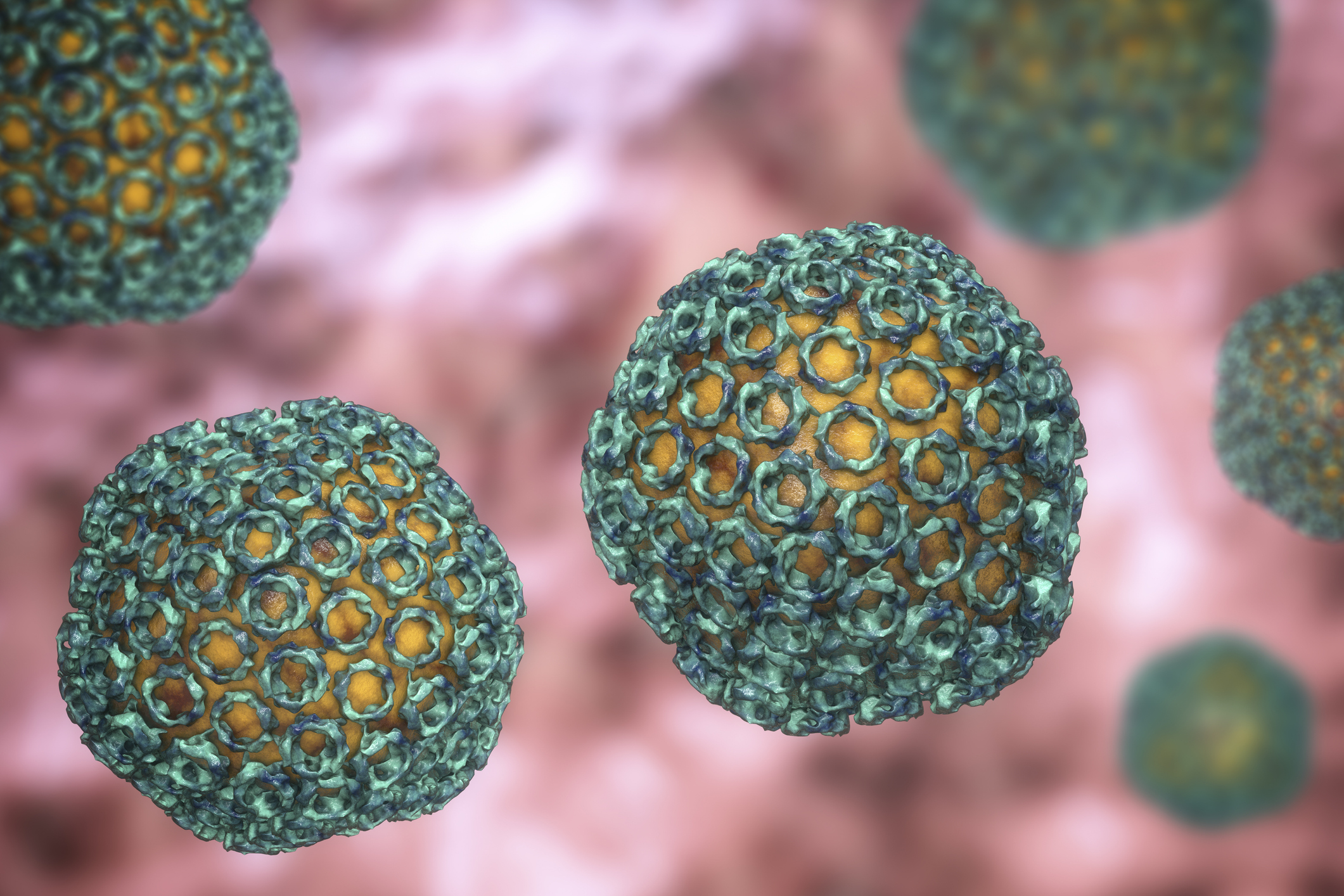
Primarily a disease of livestock, Rift Valley fever can occasionally transfer to humans, spread by a number of mosquito species. Most infections will lead to no symptoms, but a very small percentage (less than 2 per cent of people) will either develop neurological complications that include headaches, memory loss and disorientation or a haemorrhagic fever which can lead to vomiting blood, blood in faeces and bleeding from the nose and gums.
The former is rarely fatal, but can have long-lasting impacts, while the latter is fatal in about 50 per cent of cases. Rift Valley fever outbreaks occur in sub-Saharan Africa, but have also been reported in Egypt and Saudi Arabia.
Chikungunya
Caused by a virus and spread by mosquitos in the Aedes genus, Chikungunya is rarely fatal. For example, the World Health Organisation reported nearly 450,000 “suspected and confirmed” cases over a nine-month period in 2025, and these resulted in 155 deaths – with Brazil accounting for 96 per cent of incidents and fatalities.
Symptoms include fever, joint and muscle pain and fatigue among others and will usually disappear within a week, but some people can still be impacted after two years. Older people, children, pregnant women and people with underlying health conditions are most likely to be affected.
Zika virus disease
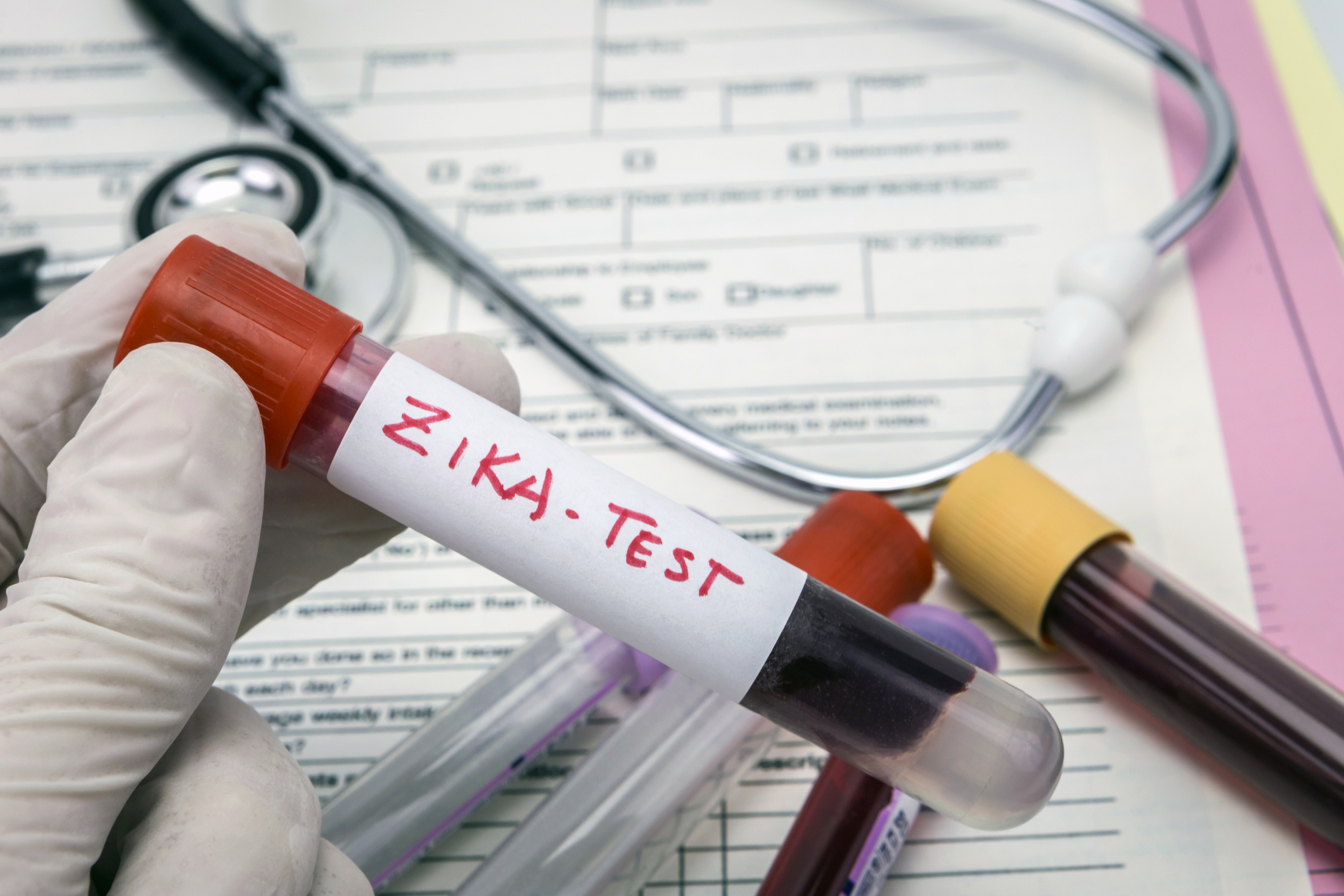
This viral disease is notable not for the number of deaths it causes, but the impact it can have for pregnant women – children born to women who contract the virus can be born with notably smaller heads, which in turn can lead to neurological conditions for the babies affected.
An outbreak of the disease in Brazil in 2015 resulted in an estimated 440,000-1.3 million cases, while more than 7,500 pregnant women were known to have contracted it. This resulted in nearly 2,000 cases of babies born with congenital defects, it’s believed.
Lymphatic filariasis
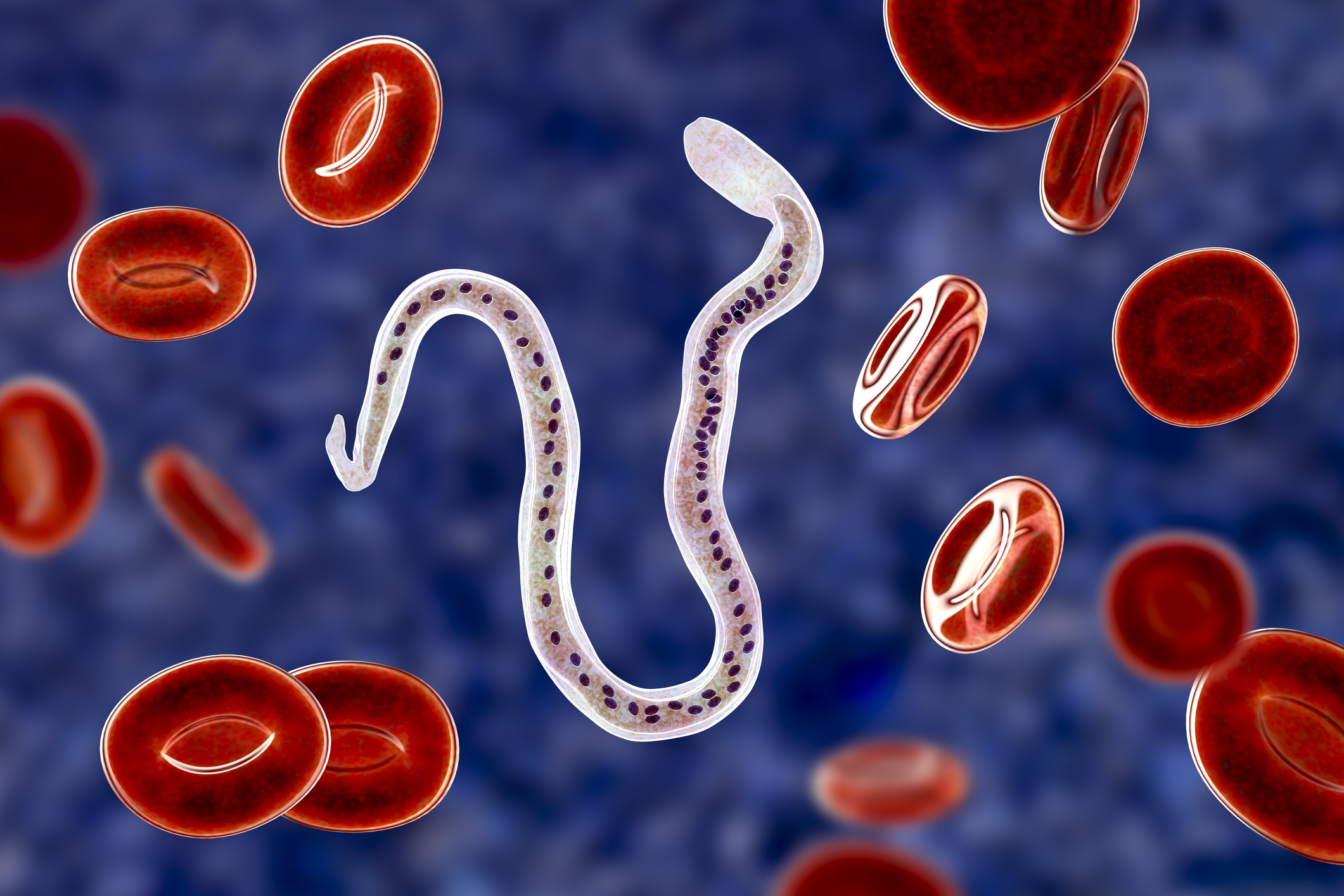
Lymphatic filariasis is commonly known as elephantiasis and results in often grotesque swelling in people’s arms and legs. It is spread by mosquitos that transmit microscopic parasites which then damage a human’s lymphatic system, resulting in a build-up of fluids, but it can take many years to show a visible impact.
The World Health Organisation has been running an elimination programme for the past 26 years, resulting in a 74 per cent decline in the incidence of the disease, but 51 million people around the world remain infected. It occurs in tropical and subtropical regions of the world, and treatment for infected people is via chemotherapy.
top image: Close-up view of a mosquito resting on human skin. Credit: luliia Burmistrova/ Getty Images
More wildlife stories from around the world:
- "Imagine a small chipolata sausage to which some joker has tastelessly attached a mole cricket" 12 weirdest insects on the planet
- They might look like splodges of bird poop, but these white blotches are actually living animals – and they can’t move
- "They have the ability to supercool. They lower the freezing point of fluids in their cells, so that ice crystals don’t form"