
Bats play a vital role in ecosystems, from agricultural land to tropical rainforests, scooping up mosquitoes and beetles, pollinating plants and dispersing seeds.
But these diminutive mammals are also long-term hosts for serious viruses, including Ebola, a ferocious disease that drains its victims of bodily fluids, rabies, a disease that affects the nervous system, and, most likely, viral ancestors of Covid-19. Some of these viruses can be passed to humans and many can kill.
- Bats guide: species facts, what they eat, and whether they really are as blind as a - well - bat
- World's 10 deadliest diseases humans can get from animals – including the torturous. sleeping sickness, which affects the brain causing insomnia and worse
Here’s our roundup of bats with lethal bites.
Deadliest bats
Vampire bat, Desmodontinae
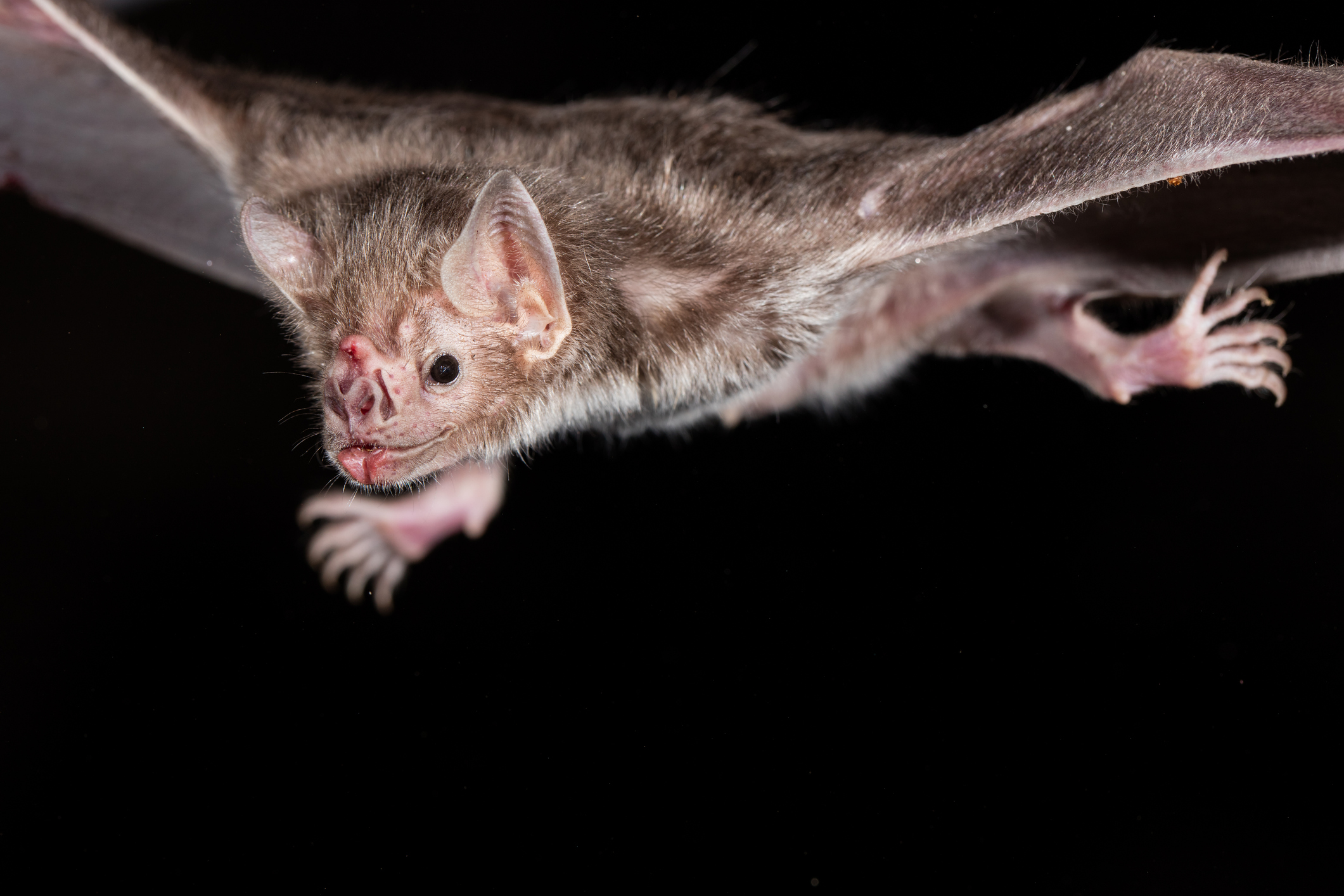
The vampire bat, found in Mexico and Central and South America, famously drinks the blood of other animals to survive. They use echolocation to search for prey after dark – usually cows, pigs, horses and birds. Once a victim is located, the bat employs heat sensors in its super-powered nose to guide it to the warmest patches of skin where the blood is nearest the surface.
- 6 grotesque and weird vampire animals – from a creature that drinks the blood of its children to a cloaked deep-sea beast that can turn itself inside out
- 6 amazing blood-sucking animals that aren't insects - including a fish that's reported to have swam up a man's penis
It then pierces the skin with its razor-sharp teeth before the feast begins. Each bat can lap up more than 50% of its own body weight every night, and often these light, graceful creatures can graze for more than 30 minutes without waking the animal. Unlike other species of bat, vampire bats can walk, run and hop on all fours, which helps them attach to their prey and take off after a feed.
While vampire bats don’t hurt their prey with the actual bite, they do carry rabies, spread through the saliva, causing thousands of livestock deaths and a handful of human cases every year. If a human is bitten by a vampire bat, the chance of contracting rabies is much higher than the incidence rate after being bitten by a cat or dog.
Big brown bat, Eptesicus fuscus
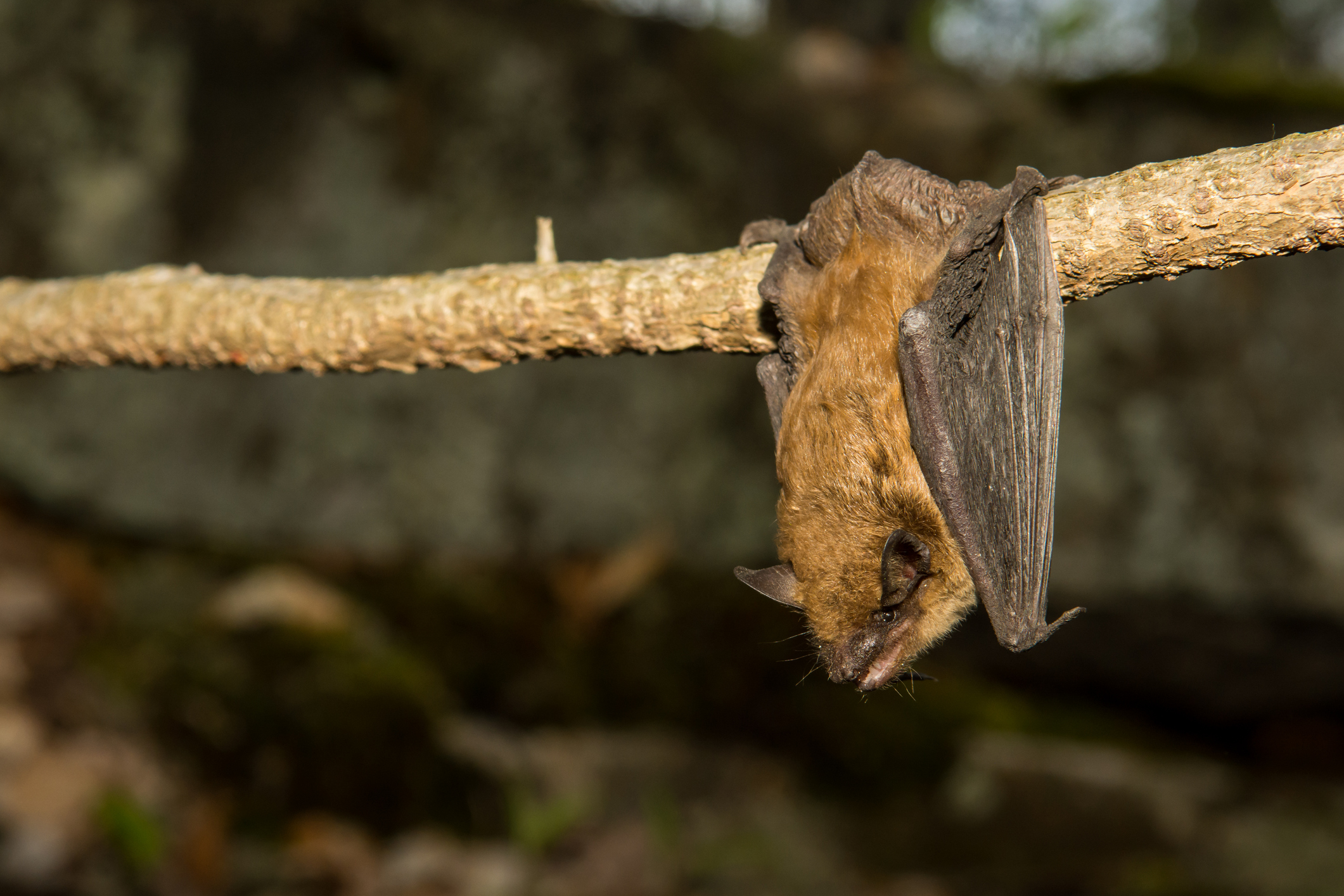
This insect-eating species, larger than the average bat, is usually seen as an ally of the farmer as they chomp their way through vast quantities of crop-destroying insects, particularly small beetles. It’s found on the American continent, from northern Canada to the northern South America.
However, a big proportion of them are reservoirs for a large number of viruses, most notably rabies, which can be transmitted to humans. Moreover, loss of habitat through deforestation is forcing their colonies into man-made structures, close to human habitats, increasing the risk of zoonotic transmission.
- Weird flying animals: discover the different species that can take to the sky
- Golden bats, boa snakes and dwarf porcupines are hiding deep inside in Mexico's ancient temples – and scientists know why
Grey-headed flying fox, Pteropus poliocephalus
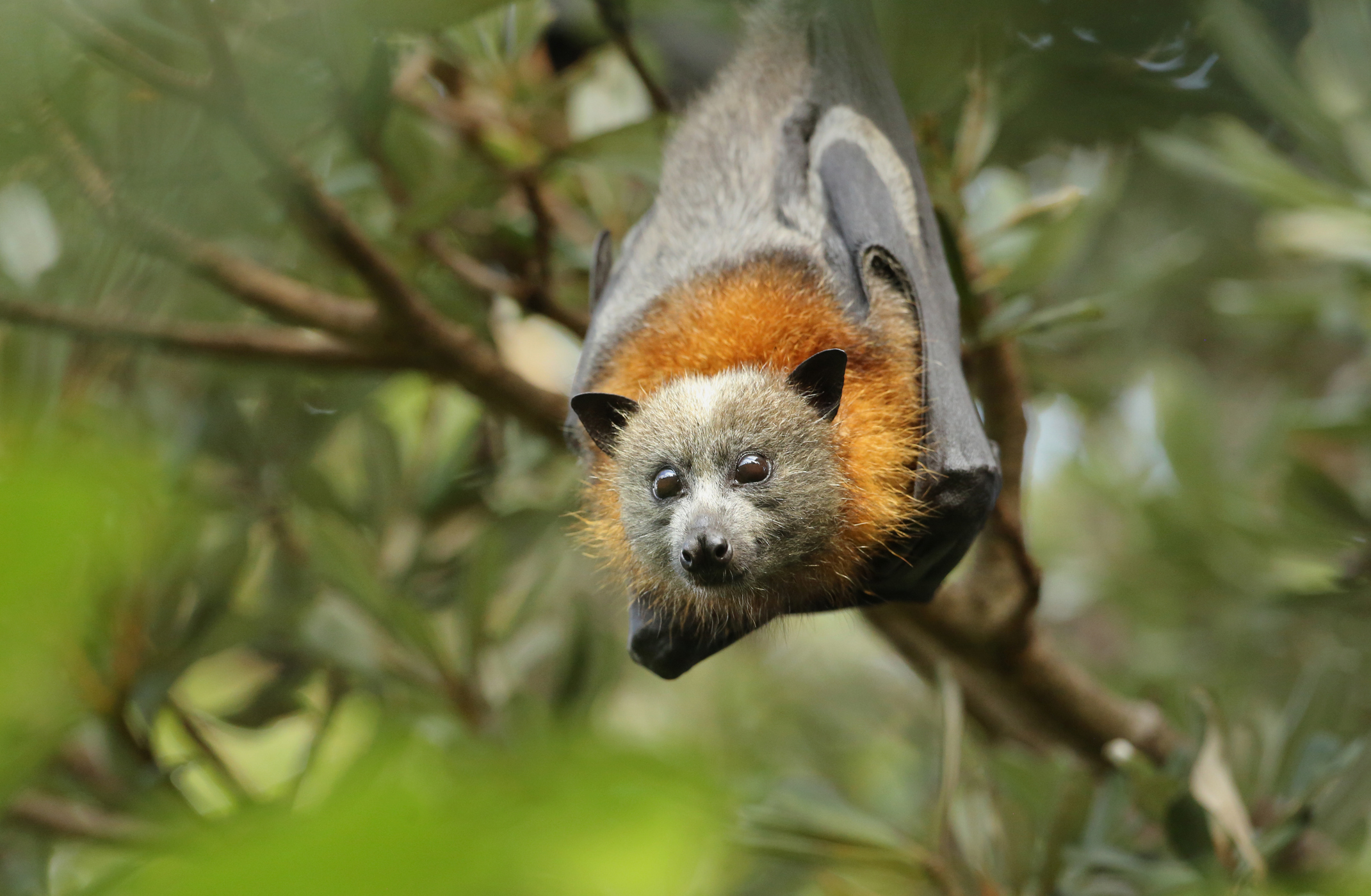
Named for its fox-like head, and with a wingspan of up to a metre, this is the largest bat in Australia. Its diet consists of fruit, particularly figs, pollen and nectar of native trees, especially gum trees, making this bat a key pollinator and seed disperser.
But suffer a bite or a scratch and you could be infected with Australian bat lyssavirus (ABLV), a close relative of the rabies virus and a rare but often fatal viral disease affecting the central nervous system. Grey-headed flying foxes also carry the Hendra virus (HeV), which mostly infects horses but can spill over from horses into humans.
In South and South East Asia, the Malaysian flying fox is a natural host for Nipah, a virus that causes inflammation of the brain and which has a high mortality rate. While it can arise through direct contact with an infected animal, many infections result from the consumption of fruit products contaminated with the poo, urine or saliva of infected bats.
Egyptian tomb bat, Taphozous perforatus
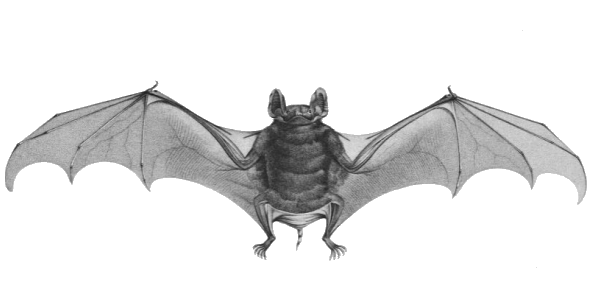
The first specimen of this bat to be collected was from a royal tomb in Egypt, in 1818 – hence the name. It’s a medium-sized insectivore native to parts of Africa, the Arabian peninsula and India and roosts in old buildings, tunnels or wells, in colonies of up to several thousand.
It was identified as a likely carrier of the coronavirus responsible for the deadly 2013 MERS (Middle East Respiratory Syndrome) outbreak in Saudi Arabia, though scientists believe the transmission was through contact with camels, rather than directly from the bats.
Free-tailed bat, Molossidae
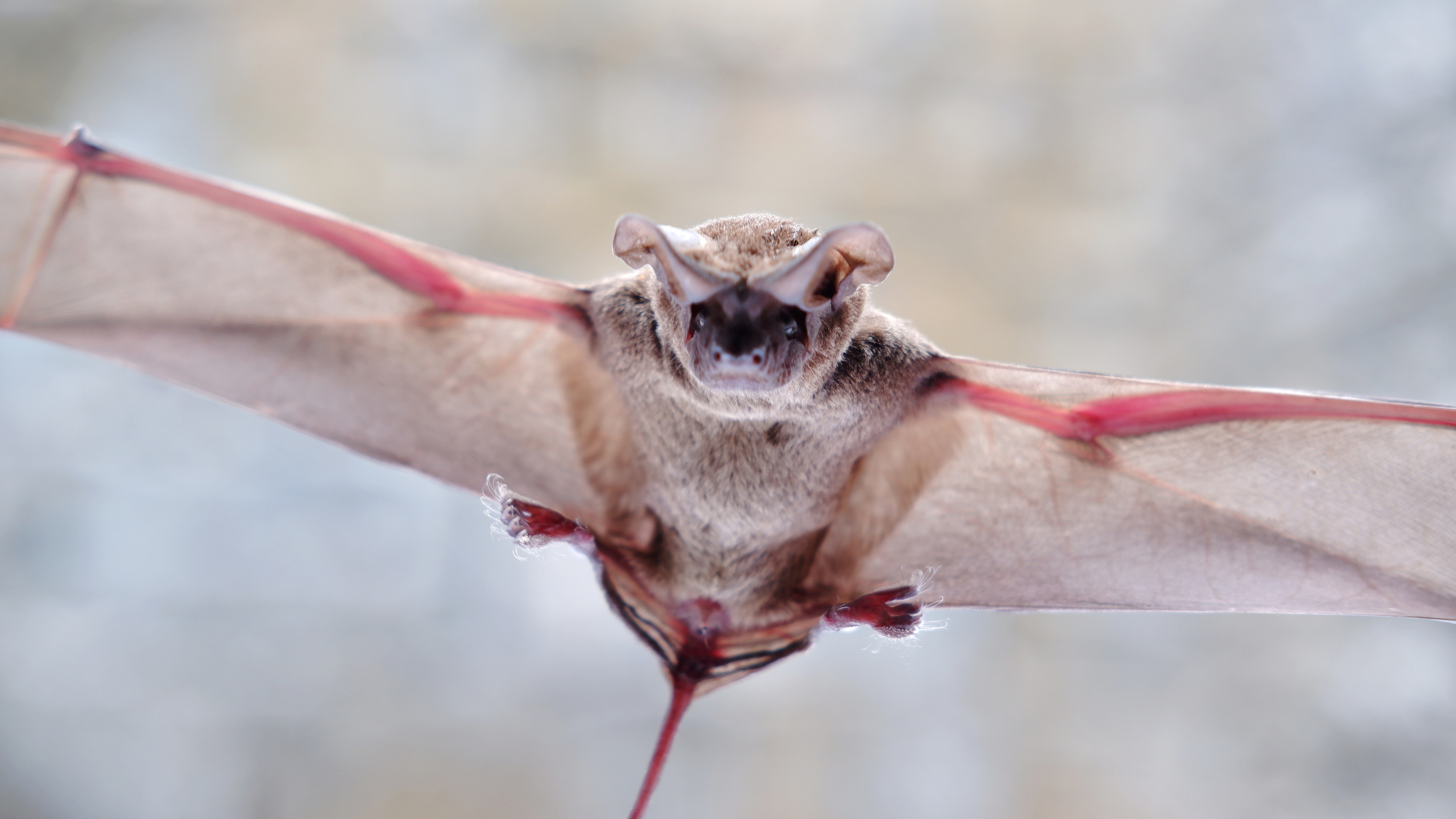
This describes any of 100 species of bats, so-called for the way in which part of the tail extends beyond the membrane connecting the hind legs. Also known as the wrinkle-lipped bat for their heavy snouts, their distribution is in tropical and subtropical regions.
- With a population of 15 million this is the biggest mammal gathering on Earth – and it happens in Texas...
- With speeds of 100 miles per hour, it leaves birds like swifts and albatrosses eating its dust.
They are gregarious animals and often live in large groups in caves, tree holes and even buildings – some colonies number in the millions, such as the Mexican free-tailed bat. They mainly feed on insects like moths and beetles, making them an important pest predator in nature.
But some species of this bat can carry Ebola, a nasty virus that causes bleeding from every orifice and is usually fatal. According to research, the Angolan free-tailed bat may have been the carrier responsible for the catastrophic West African Ebola epidemic that killed more than 11,000 people between 2013-2016.
More recently, researchers have identified a potential pandemic threat, in the shape of the Bombali ebolavirus in Angolan and little free-tailed bats in Sierra Leone, and later in Kenya.
Egyptian fruit bat, Rousettus aegyptiacus
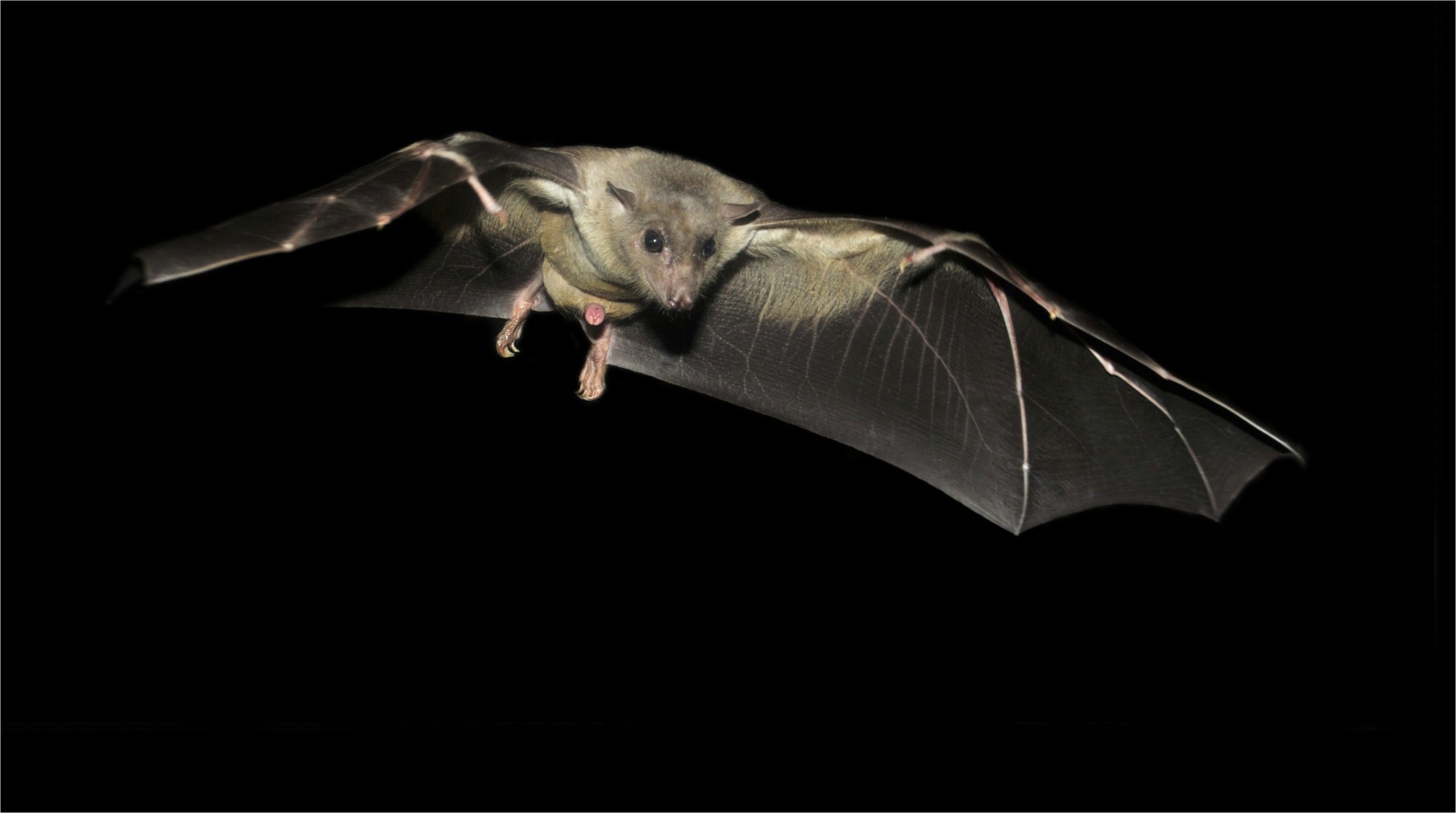
The fruit-eating bat is found throughout Africa and the Middle East, and as far as Pakistan and northern India. It lives in colonies of several thousand, usually caves near forests with ample fruit production, of which it is a voracious consumer – they can consume 50-150% of their body weight in fruit each night. Most of the day is spent sleeping or grooming.
- World's biggest animal migration is an aerial spectacle worthy of a place on Africa's Big 6, says Mike Dilger
- Camera traps film predators descending on cave filled with 40,000 bats. What happens next is staggering
Unfortunately, these bats are also natural hosts for Marburg virus disease (MVD), a close cousin of Ebola. Formerly known as Marburg haemorrhagic fever, it’s a severe illness in humans with an average fatality of 50%. Living viruses were found in bats in a cave in Uganda after miners working there were infected. In 2024, Rwanda reported the country’s first outbreak and Tanzania declared another outbreak in 2025.
Horseshoe bat, Rhinolophidae
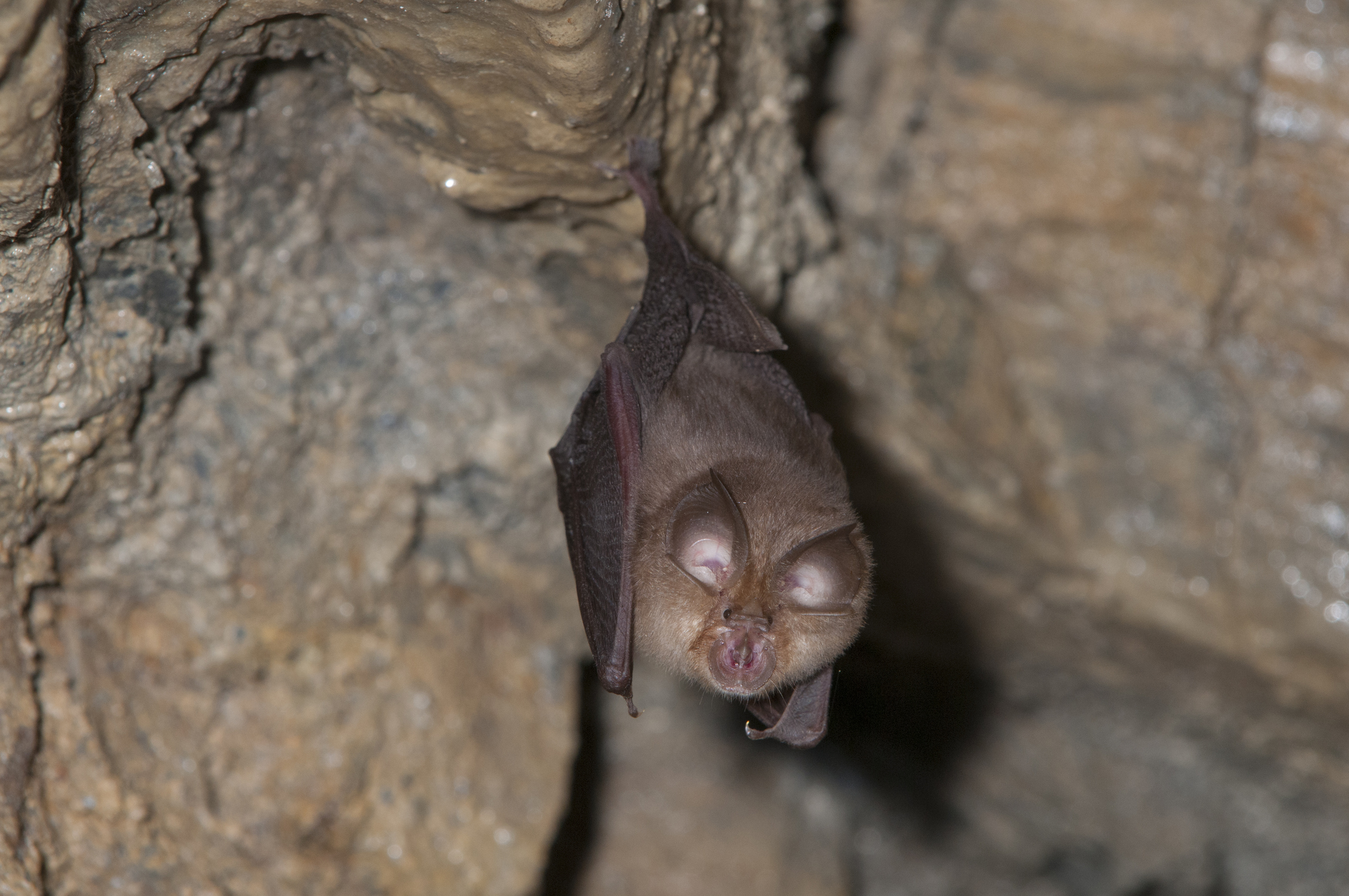
This strange-looking bat (in the family Rhinolophidae) is named for the horseshoe-shaped fleshy protuberance on its nose, which is thought to help it focus its echolocation calls while hunting. There are more than 100 species of horseshoe bat and they are mainly found in tropical and temperate regions, from Europe and Japan and from Asia to Africa, where they prey on insects, such as flies, moths and beetles.
- Horseshoe bats guide: how to identify, where they live, and how they are making a comeback
- "Vision and echolocation are less useful on long migration routes..." So how do bats navigate?
This bat could be classed as one of the world’s most dangerous because it is widely considered to be a natural reservoir and source of zoonotic coronaviruses (CoVs), some of which, as we now know only too well, can cause highly contagious respiratory diseases in humans.
Strong similarities between some coronavirus genomes in horseshoe bats and those of SARS-CoV (the virus responsible for the 2002 SARS outbreak) and SARS-CoV-2 (the virus responsible for COVID-19) suggest that these coronaviruses may have first emerged in horseshoe bats before mutating and jumping species, either directly or through an intermediary animal species to humans.
.


