
Stretching across the vast Congo Basin in Africa is the second largest rainforest on the planet – and researchers just found a world of hidden wildlife within it.
The discovery was made in the Democratic Republic of the Congo's (DRC) Lomami National Park by researchers from Florida Atlantic University (FAU), who devised a non-invasive way to see behind the tangled curtain of this enormous forest. By installing infrared cameras from the forest floor to the canopy, they created a 3D view of biodiversity.
The findings were published in two journals: Ecology and Journal of Mammalogy.
- Epic expedition through Congo's swamp forests reveals “unexpected” find deep beneath the ground
- “I camera-trapped the Congo jungle for a year. These are my best photos”
Second in size only to the Amazon, the Congo Basin rainforest is spread over a whopping 300 million hectares.
Traditionally, camera trapping studies of mammals have mostly focused on the forest floor. But this study deployed camera traps in three ‘layers’ of the forest – canopy, understory-midstory and ground, allowing the researchers to learn which mammals share the space, how they use it, and the environmental factors that shape their communities.
Layered diversity
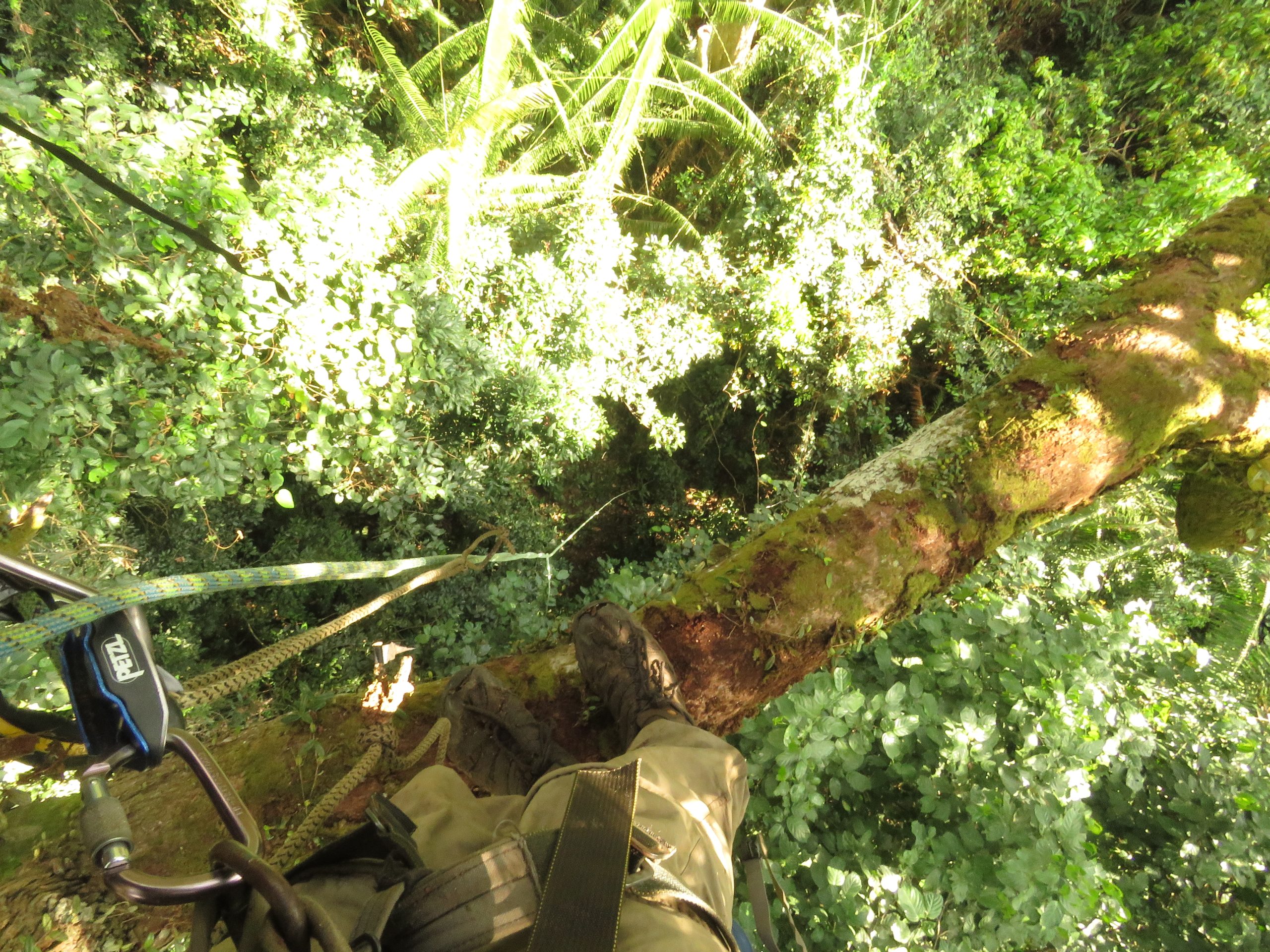
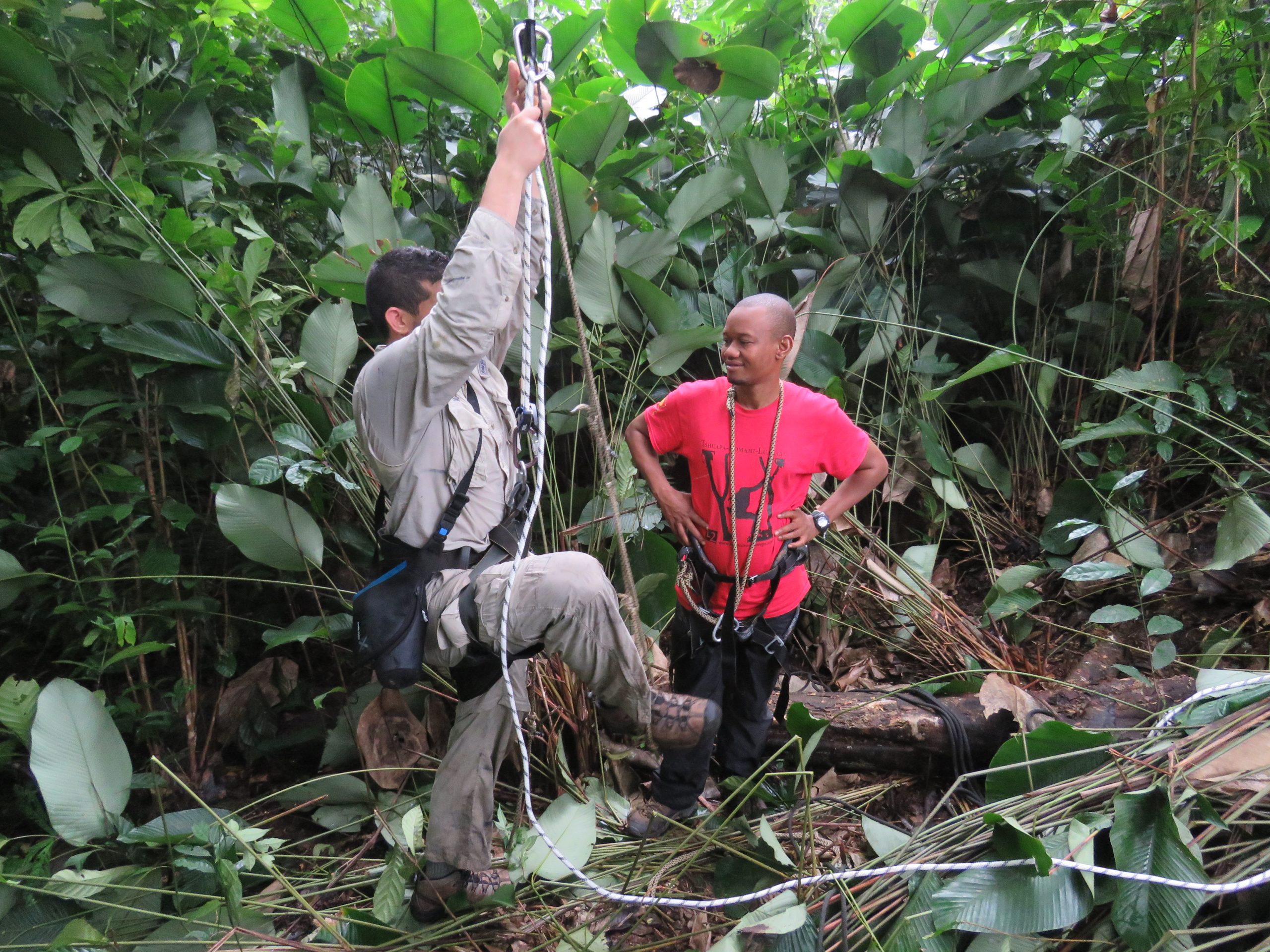
Getting cameras into these remote locations often tangled with vines, and mounting them high up in tree crowns wasn’t easy. Daniel Alempijevic, lead author of the Journal of Mammalogy study and alumnus of FAU, was sent to Panama to learn climbing techniques by his mentor and senior author, Kate Detwiler, associate professor of biological sciences in FAU’s Charles E. Schmidt College of Science. This turned out to be an essential skill for conducting canopy research in the Congo Basin.
“The cameras essentially gave us a way to turn a single point in the forest into a vertical column of observation” said Alempijevic. “We could put one camera facing the ground, one just a few metres higher in a tangle of vines, and a third 20 to 30 metres up in a tree crown, and then watch what was happening across those layers simultaneously.
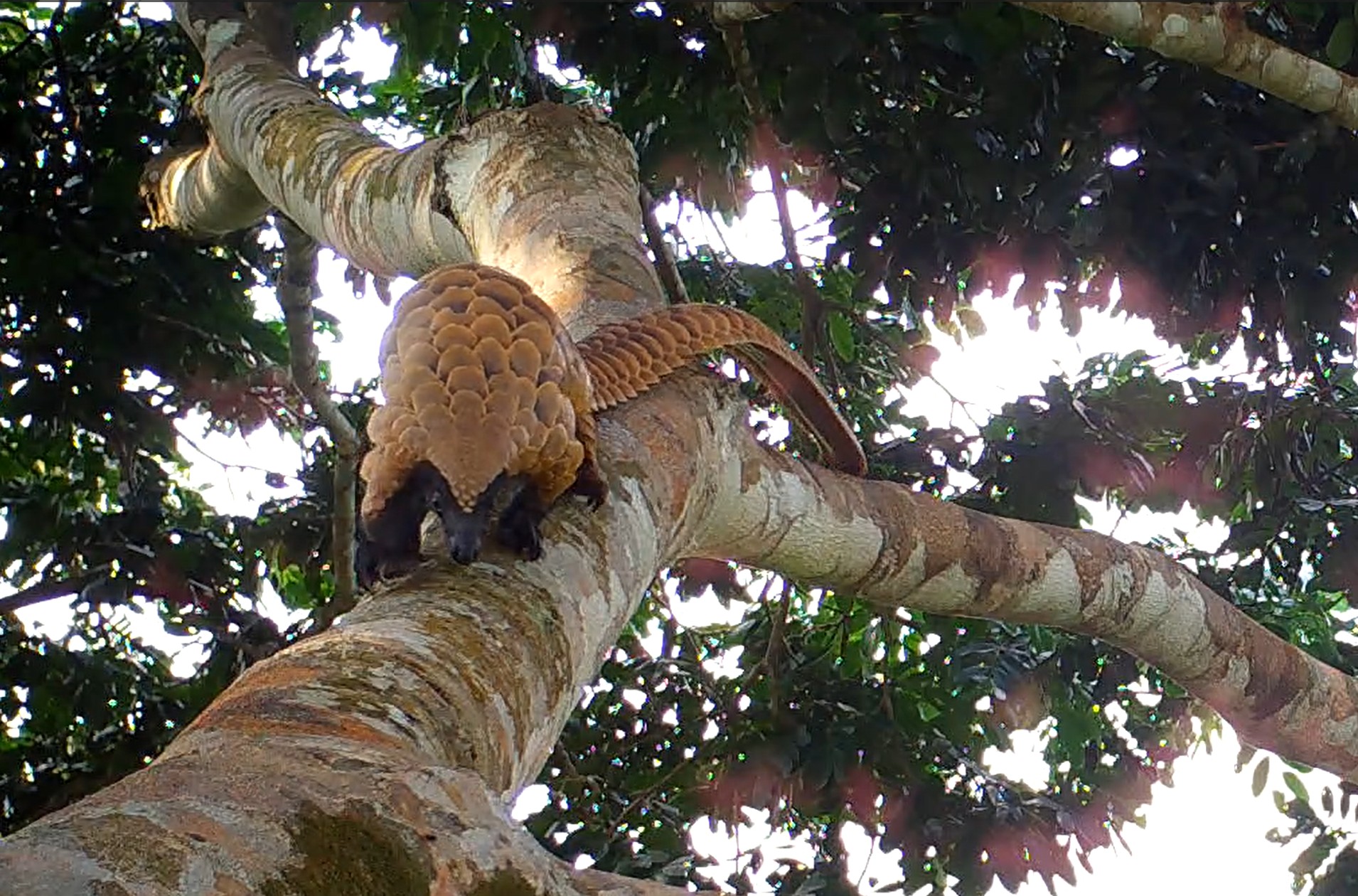
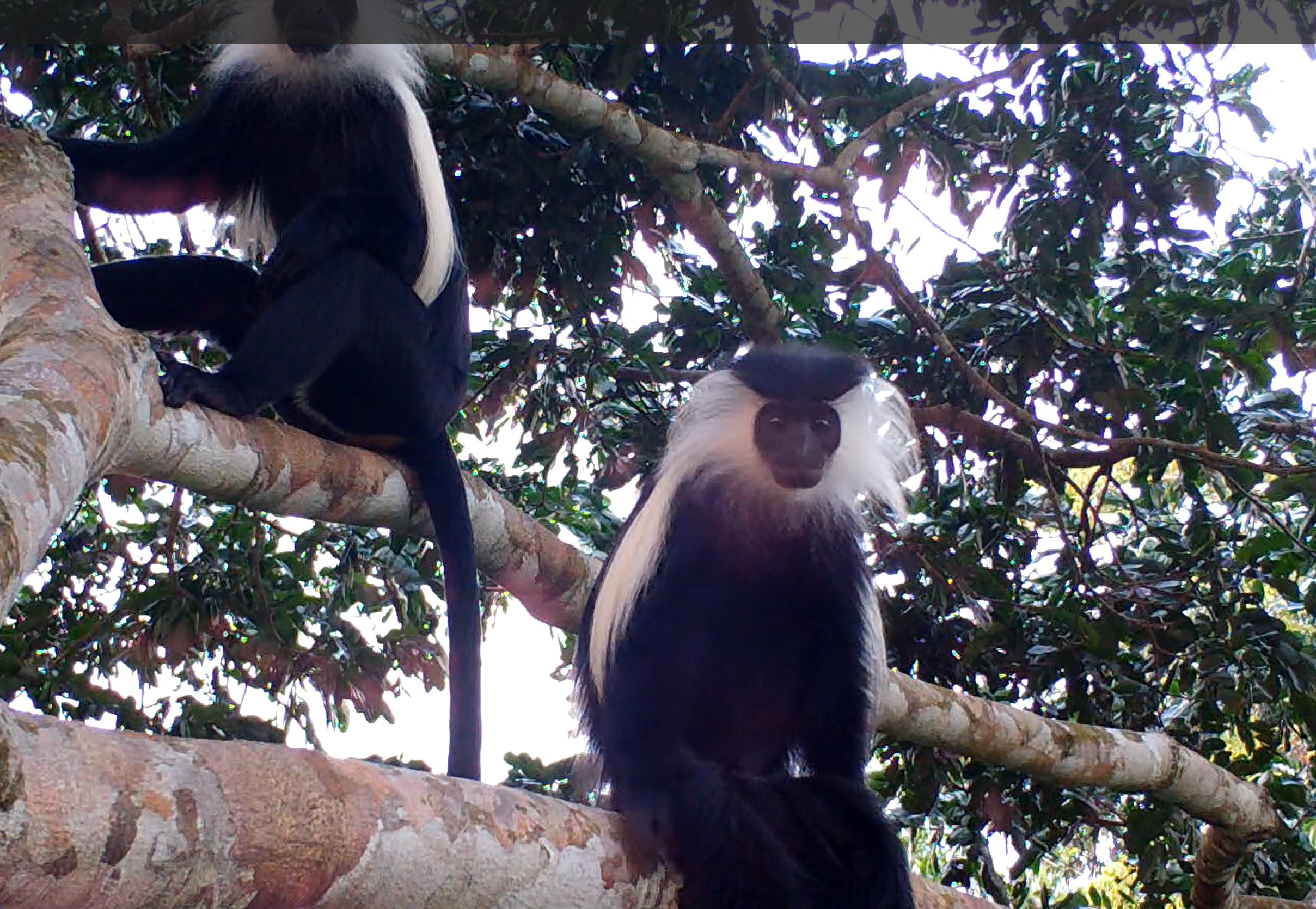
“It was particularly fascinating to see how related species shared the same space. At the Bartho survey site, we found at least 10 species of primates; and probably the first camera trap recording ever captured of the enigmatic, black-bellied pangolin back in 2016. This is the first study to get three species of pangolins within a single survey, which is really amazing.”

The study generated thousands of videos that could then be reviewed for species identification and behaviour. The scientists documented 47 mammal taxa representing primates, carnivores, rodents, artiodactyls and pangolins.
Perhaps the most fascinating part was how layered those mammal communities are – 32 taxa were detected on the ground, 23 in the understory and 22 in the canopy.
Not surprisingly, most diversity was captured by the cameras mounted in the ground layer, but that was only part of the story. The footage also revealed that 25 per cent of arboreal mammals preferred the understory, which would’ve been completely missed in a two dimensional study.
The cameras filmed some rarely documented behaviours, such as bats inspecting fruit in the canopy and microbats approaching mammals time and time again, possibly to feed on insects attracted to them.
The researchers also recorded more than 1,500 bird events across the three levels of the forest, capturing both predation (raptors feeding on mammals) and mixed-species interactions, such as eastern long-tailed hornbills following monkeys.
The whole story
In the study published in the journal Ecology, Daniel Gorczynski, lead author and post-doctoral researcher in FAU’s Department of Biological Sciences, used the data from 25 mammal species most often detected in the study area to develop a multi-species, multi-scale occupancy model.
An occupancy model is a statistical technique used in wildlife ecology to estimate the probability that a species occupies a site. It accounts for the fact that researchers observing an area can often fail to detect the species even when it’s present. This requires visiting the same site multiple times and recording data.
The animals in this study included bonobos, African palm civets, red-tailed monkeys, red river hogs, long-nosed mongooses, rope squirrels, African brush-tailed porcupines and more.
Some interesting patterns emerged by combining observations from the ground, understory and canopy. For example, mammal occupancy increased with elevation, despite the relatively small elevation changes found in the central Congo Basin – around 43 metres.
“Most biodiversity surveys essentially flatten the forest into a two-dimensional world,” noted Gorczynski. “What’s unique is that we were able to look at the same forest from the ground all the way into the canopy and then ask how that additional dimension changes what we think we know about an entire mammal community. We found that it can fundamentally change the ecological story.”
Why the study is important
In both studies, the same conclusion emerged – comprehensive surveys including all forest layers are essential for understanding and conserving these extremely important ecosystems. Despite being one of the world’s largest and most intact rainforests, the Congo Basin is understudied and littered with gaps in biodiversity data due to insecurity and limited infrastructure in the region.
“Growing up in this region, I’ve always understood that the forest is more than a landscape – it is home to an extraordinary diversity of life that we are still only beginning to understand,” said Junior Amboko, co-author of both studies, a Ph.D. student in FAU’s Department of Biological Sciences, and a National Geographic Explorer.
“Being able to document that hidden biodiversity is deeply meaningful to me, especially because what we learn today can help ensure these forests and the species that depend on them are here for generations to come."
“The Congo Basin is simply too complex to monitor effectively from the ground alone,” added Detwiler. “Camera columns give us a scalable way to see the forest as the animals experience it, from the leaf litter to the canopy. That can change how we identify important habitat, detect rare or threatened species, understand how animals respond to disturbance and ultimately make better conservation decisions across the Congo Basin.”
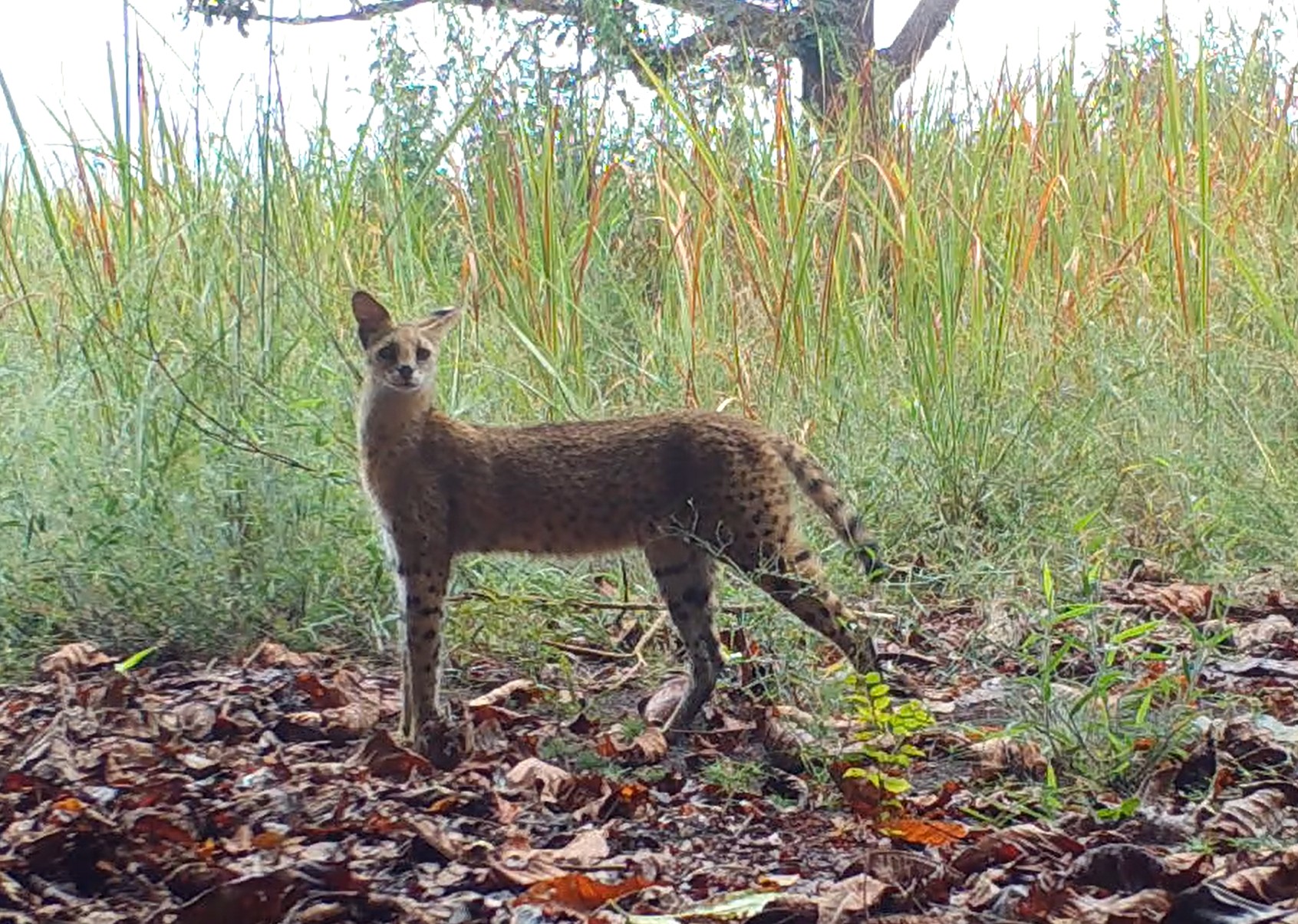
Watch more species captured on video:
Read the full findings here and here.
Top image: An infrared camera placed strategically in a treetop in the Congo Basin. Credit: Florida Atlantic University
