Spanning the Amazon River basin of South America, the Amazon rainforest is one of the most biodiverse ecosystems on Earth, estimated to host at least 10 per cent of all the world’s known plants and animals.
According to a study from 2015, a new species of plant or animal is discovered in the Amazon every two days – but many of the existing species face extinction through the impact of deforestation across the region.
This vast area of tropical rainforest covers over 40 per cent of the landmass of South America, mostly in Brazil, followed by Peru and Colombia. This complex mosaic of diverse habitats ranges from rivers and flooded forests to open savannas, playing host to a wide variety of animals – from the adorable pink river dolphin to the characterful Amazonian manatee.
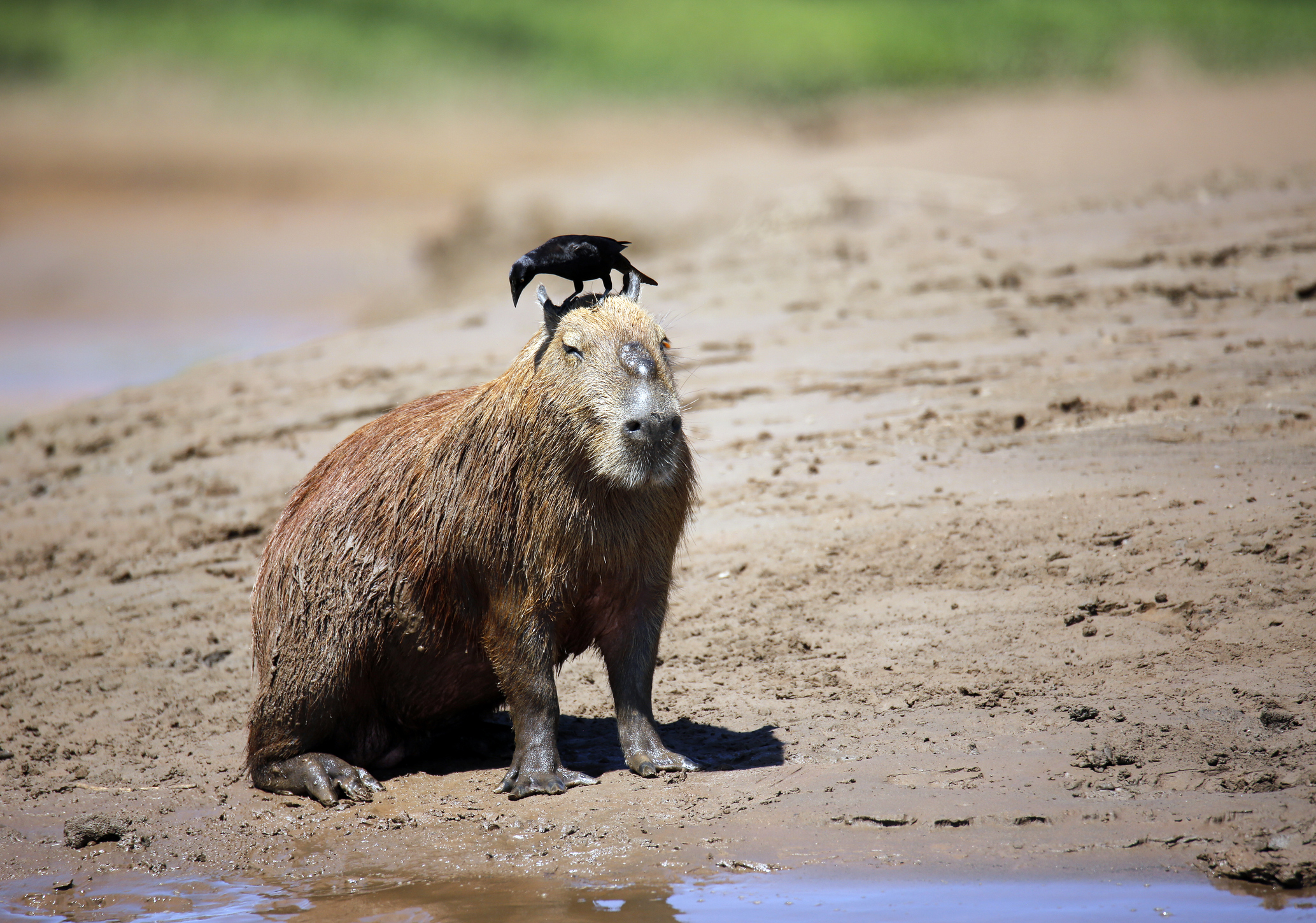
Capybara in Tambopata, a national reserve in the south-eastern Peruvian Amazon. These semi-aquatic rodents are found throughout the Amazon River basin, in areas of dense vegetation near bodies of water (Photo by AndamanSE/Getty Images)
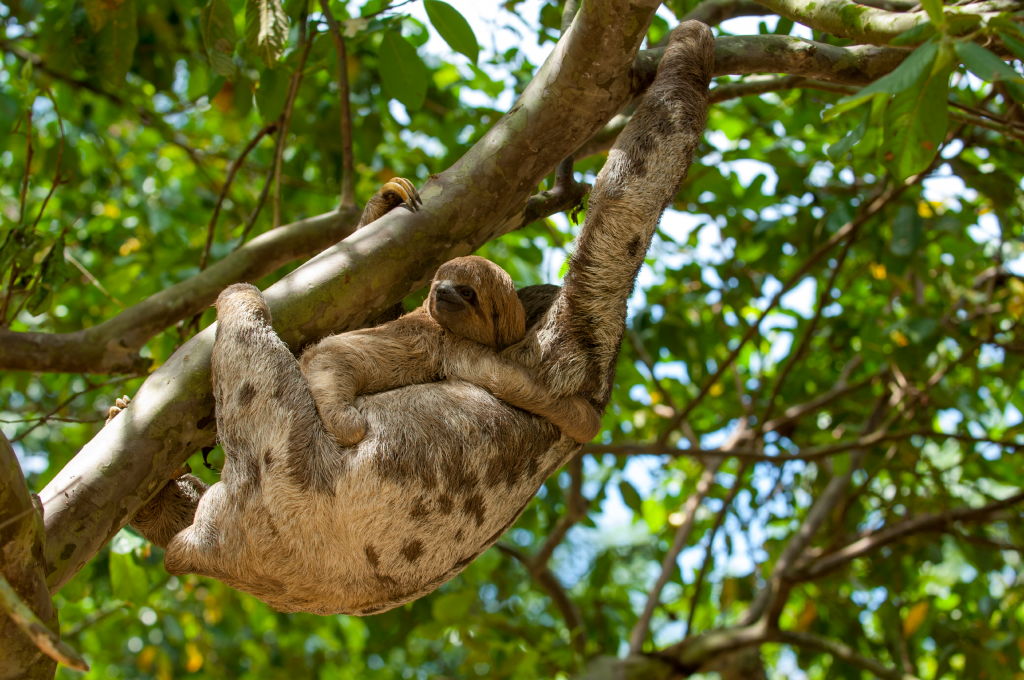
A three-toed sloth carries its baby through the tree canopy along the Ucayali River in the Peruvian Amazon River basin near Iquitos (Photo by Avalon/Universal Images Group via Getty Images)
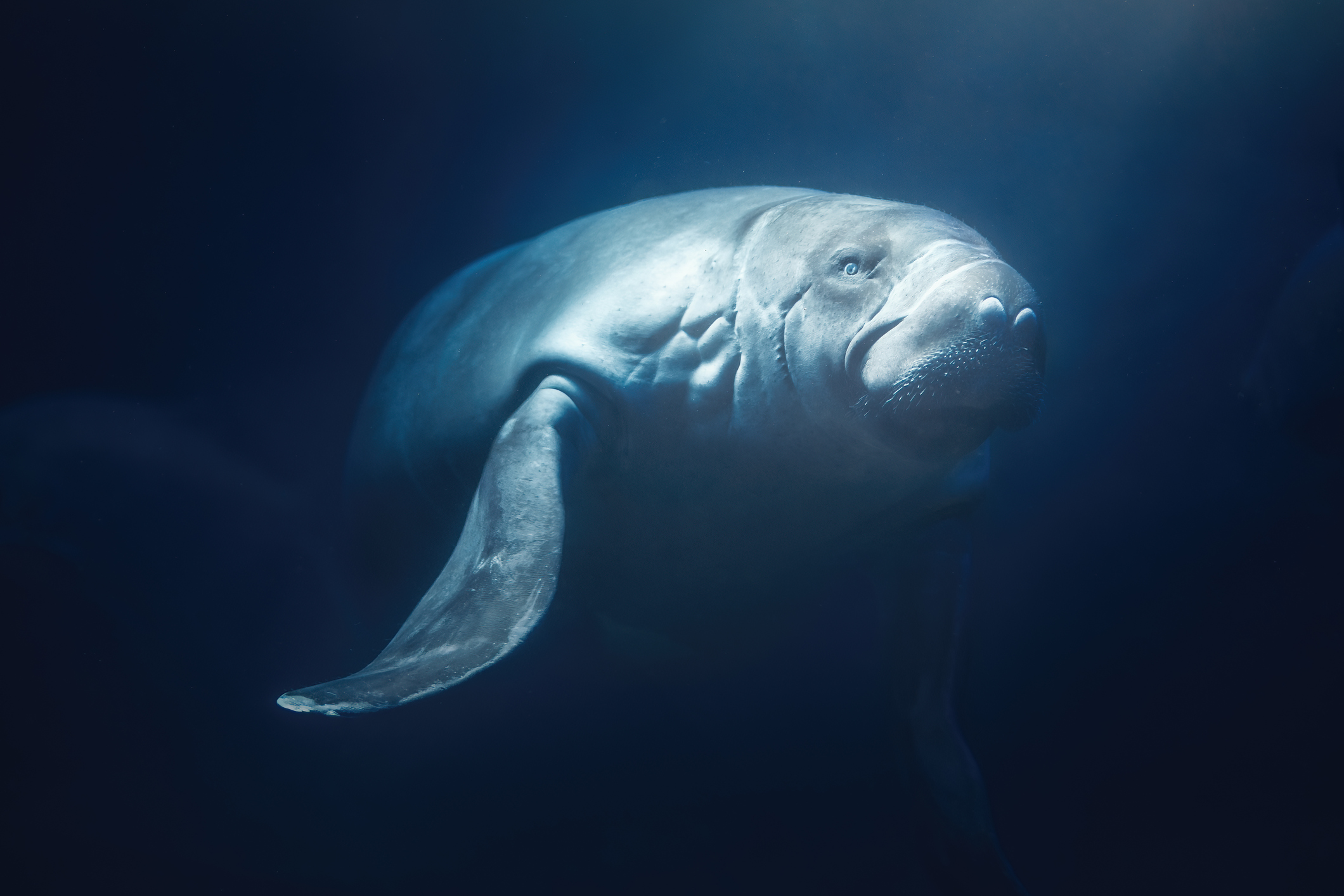
The Amazonian manatee is a species of manatee found in the Amazon basin. It is the smallest species of manatee, unique for its freshwater habitat and smooth skin (Photo by diegograndi/Getty Images)
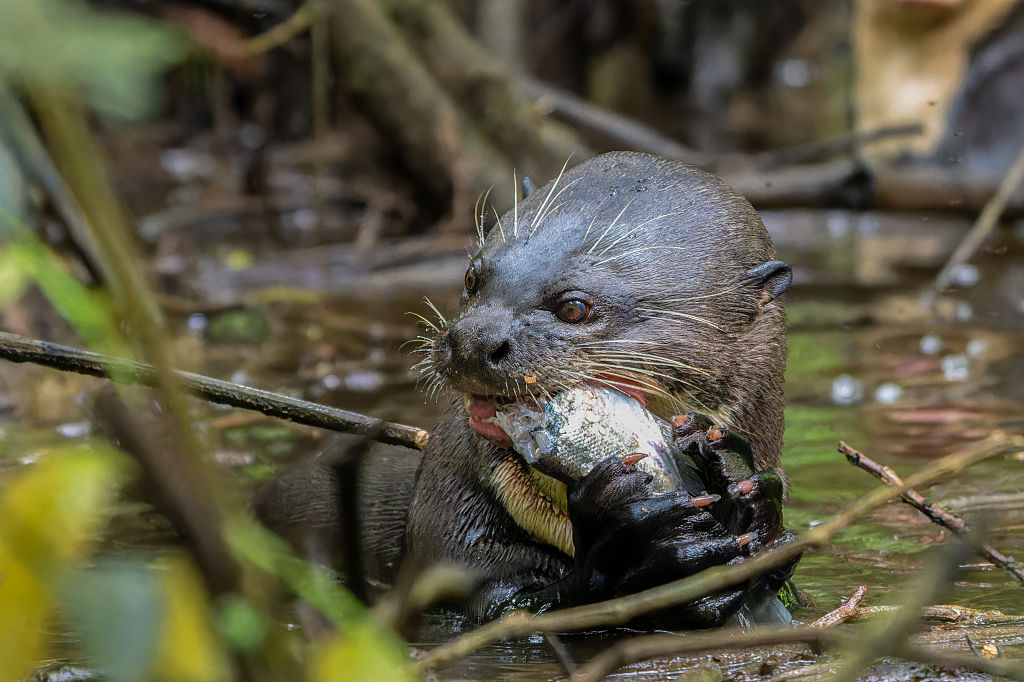
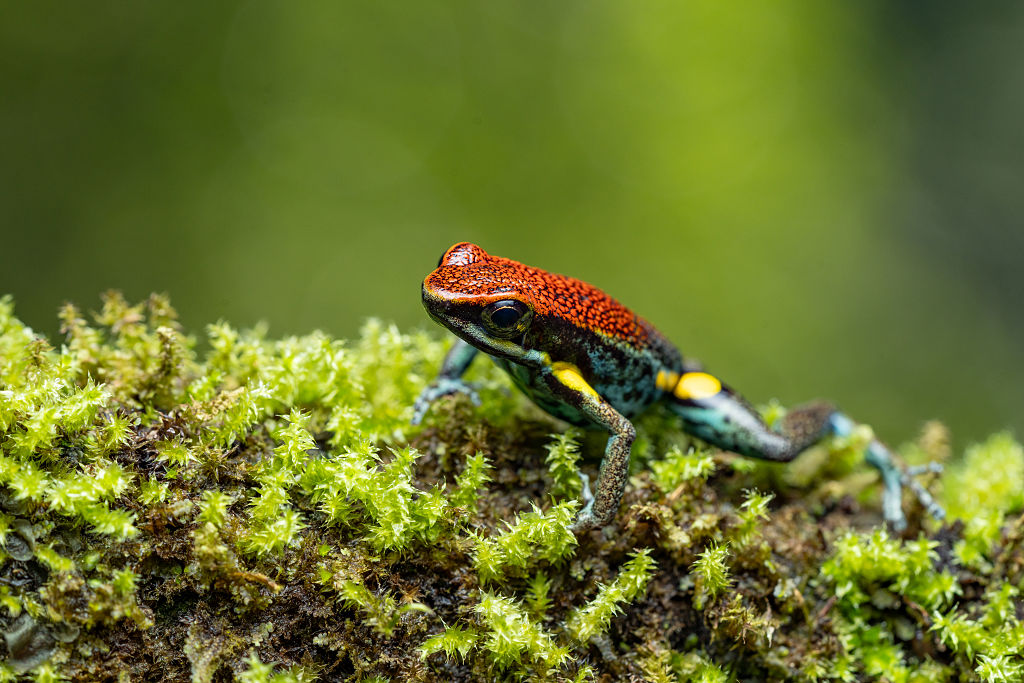
A giant otter eats a fish in Añangu Creek in Yasuni National Park, Ecuadorian Amazon (Photo by Jon G. Fuller / VWPics/ Universal Images Group via Getty Images)An Ecuador poison frog in the Napo River Basin in Ecuadorian Amazon. The Ecuadorian Amazon is home to several brilliantly coloured species of poison dart frog, which use their bright colours to warn predators – and can create poison through their diet (Photo by Jon G. Fuller/VW Pics/Universal Images Group via Getty Images)
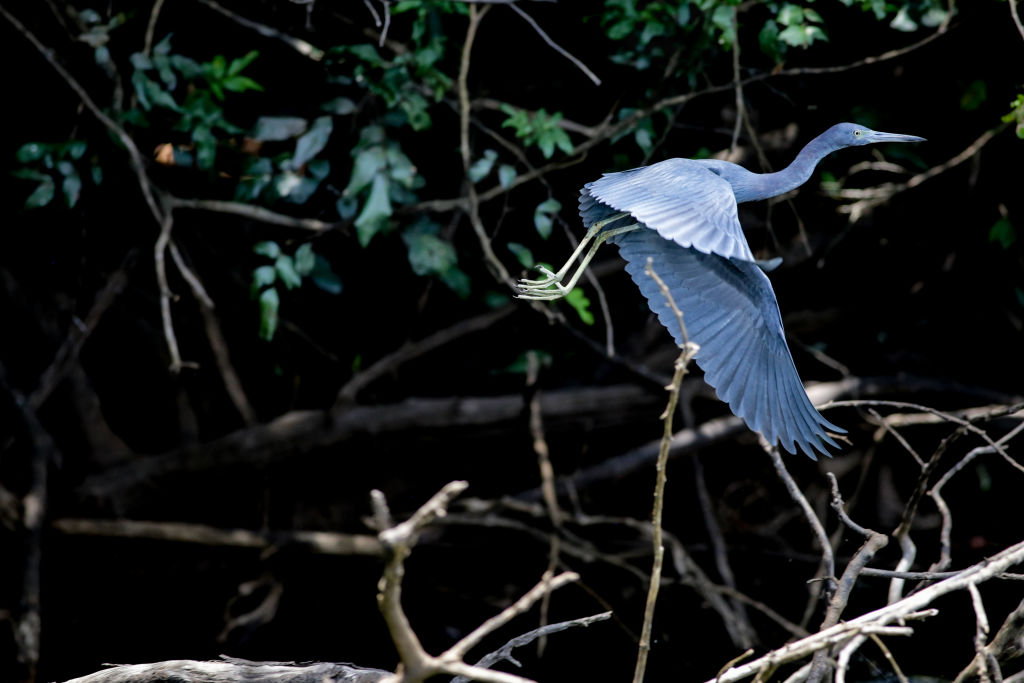
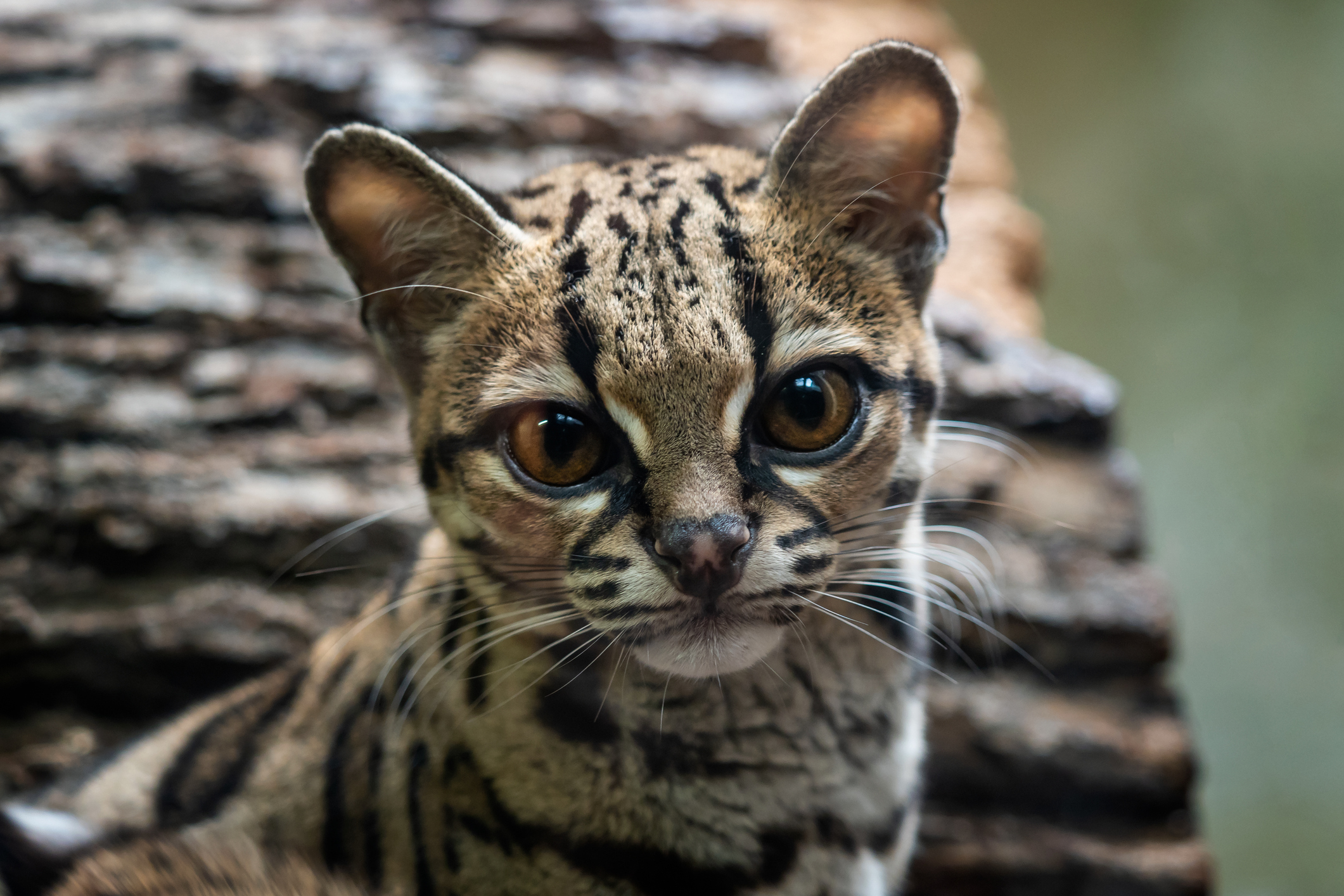
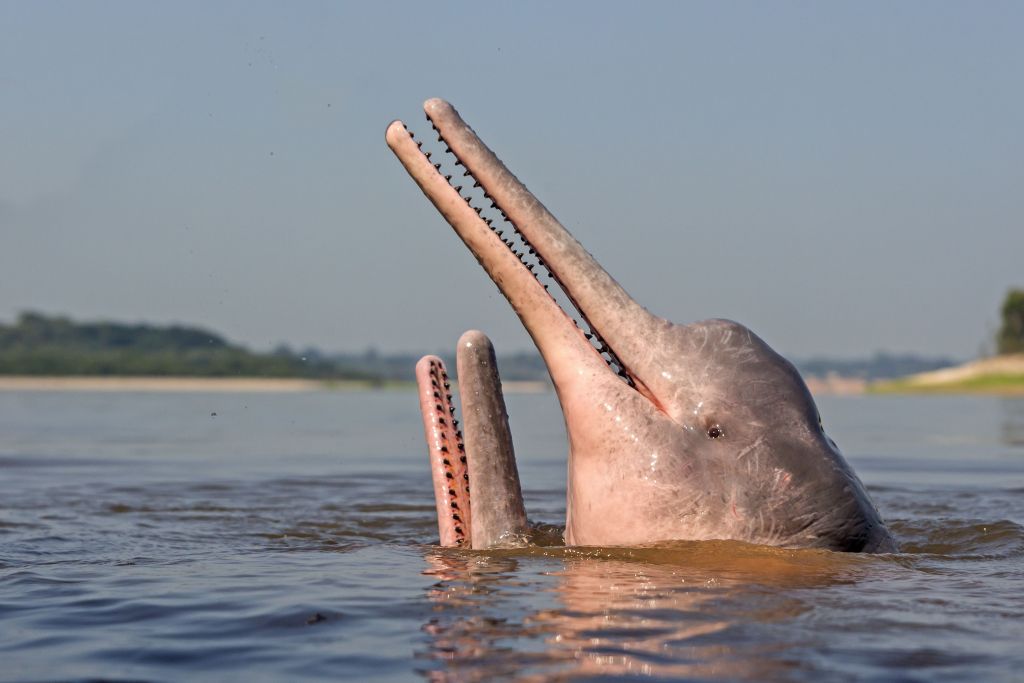
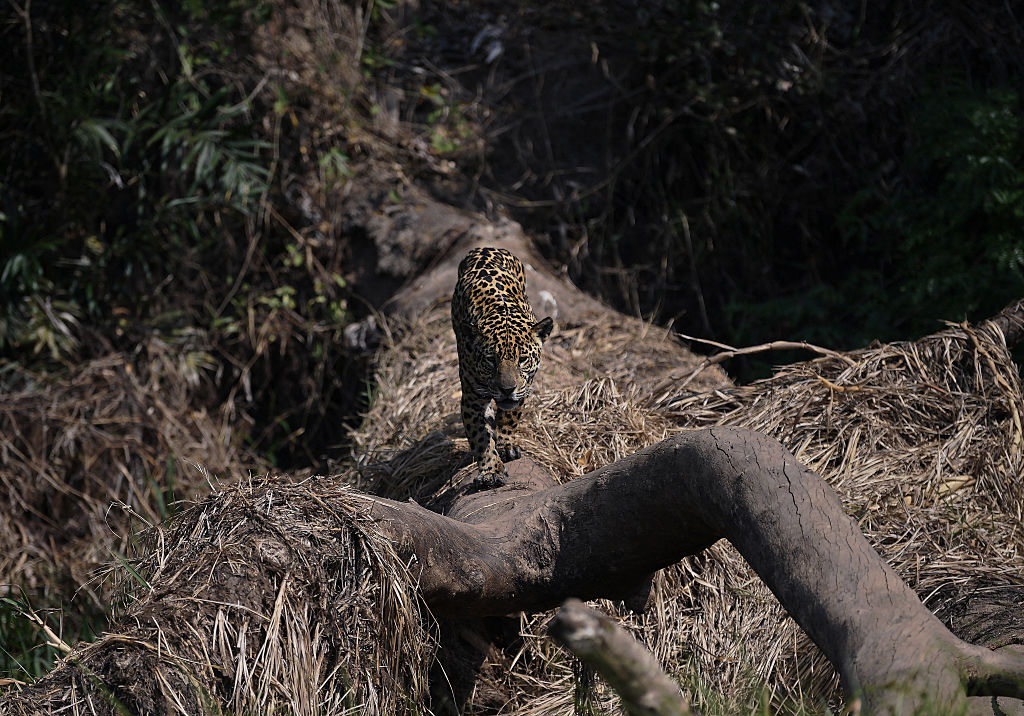
Little blue heron spotted at the Serranía de la Lindosa in the Colombian Amazon. These small wading birds are native to the Americas, primarily found in coastal areas, swamps and marshes (Photo by Juancho Torres/Anadolu Agency via Getty Images)The margay is a small wild cat native to Central and South America, with the Amazon rainforest one of its key strongholds. Although it shares much in common with the ocelot, the margay is a tree-dwelling cat, spending much of its time in the rainforest canopy (Photo by xtrekx/Getty Images)The pink river dolphin exhibiting the rare 'spyhopping' behaviour – where a marine animal rises vertically in the water to lift their head above the surface (Photo by Sylvain CORDIER/Gamma-Rapho via Getty Images)Large-billed tern seen at the Serranía de la Lindosa in the Colombian Amazon. These birds rely heavily on tropical rivers and freshwater lakes, gathering at mouths of river tributaries to feed (Photo by Juancho Torres/Anadolu Agency via Getty Images)The Amazon rainforest is the global stronghold for jaguars, with 90 per cent of the world's population found there. These apex predators are the largest cat in the Americas (Photo by CARL DE SOUZA/AFP via Getty Images)
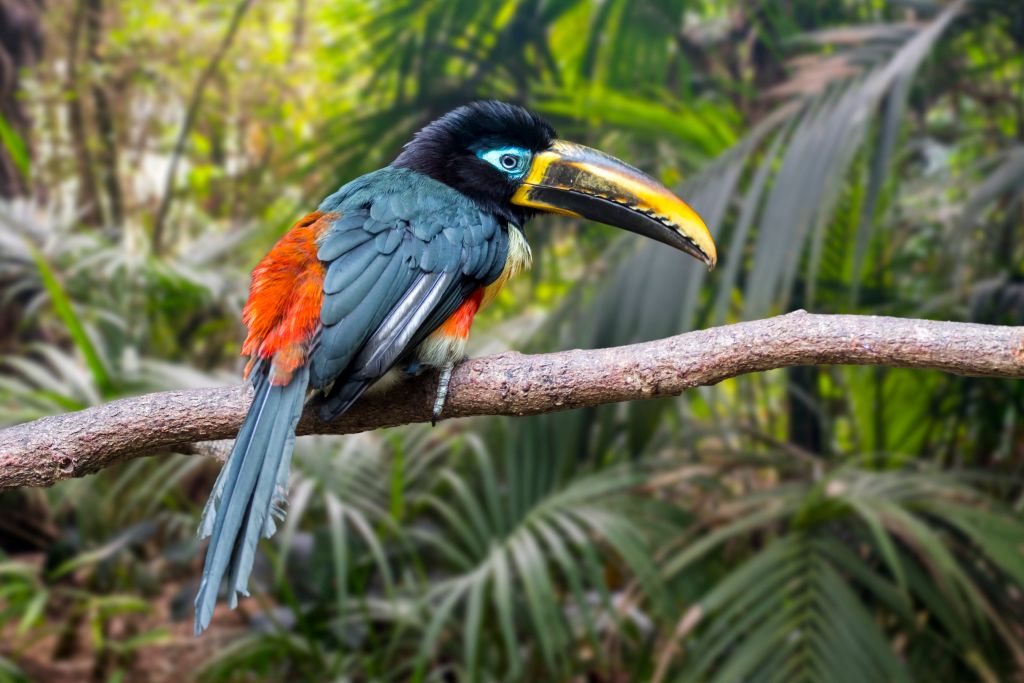
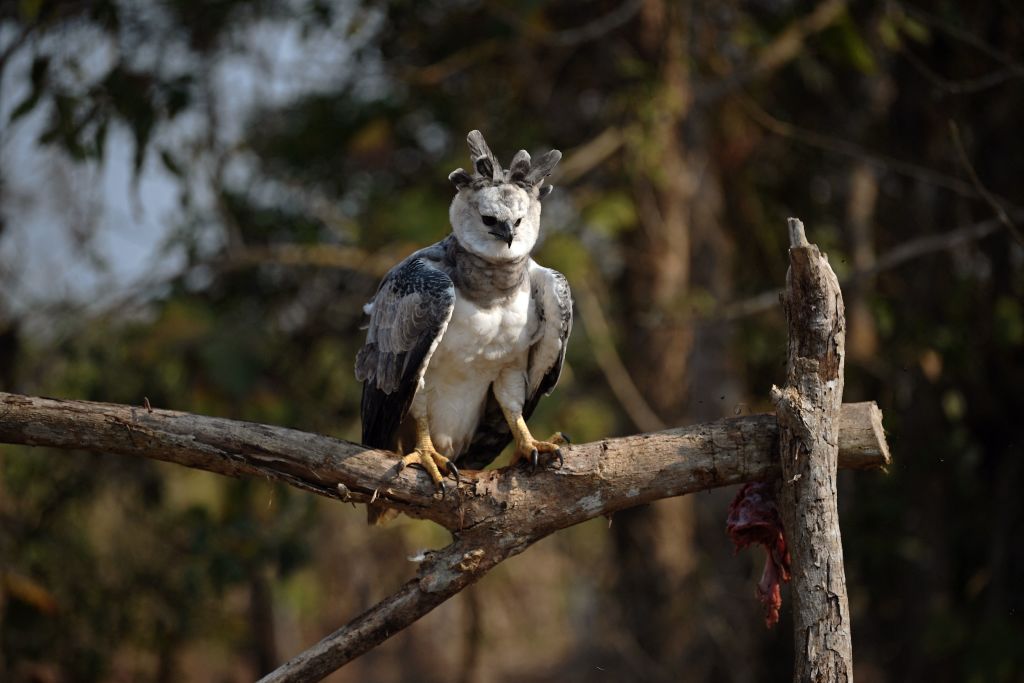
The chestnut-eared aracari is native to Central America and South America. This medium-sized toucan can be distinguished from others of its kind by the light blue patch of skin around its light eye (Photo by Philippe Clement/Arterra/Universal Images Group via Getty Images)A wild harpy eagle is seen in Alta Floresta, Mato Grosso, an area in the southern Amazon basin in Brazil. Harpy eagles are the world's most powerful bird of prey – and the largest raptor in the Amazon rainforest, and among the biggest eagles in the world (Photo by CARL DE SOUZA/AFP via Getty Images)
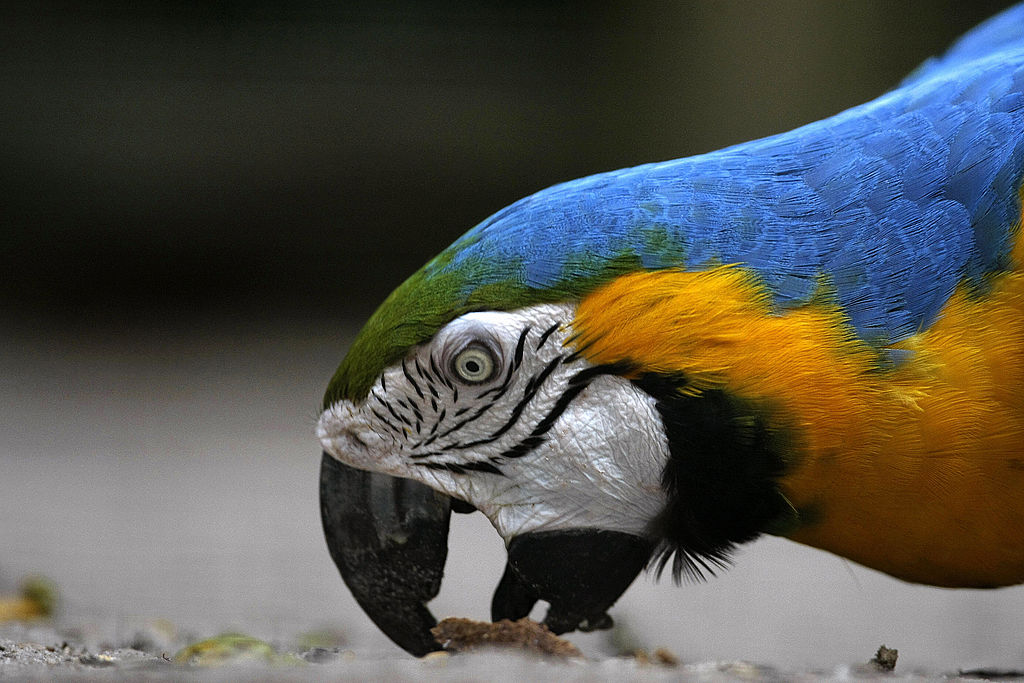
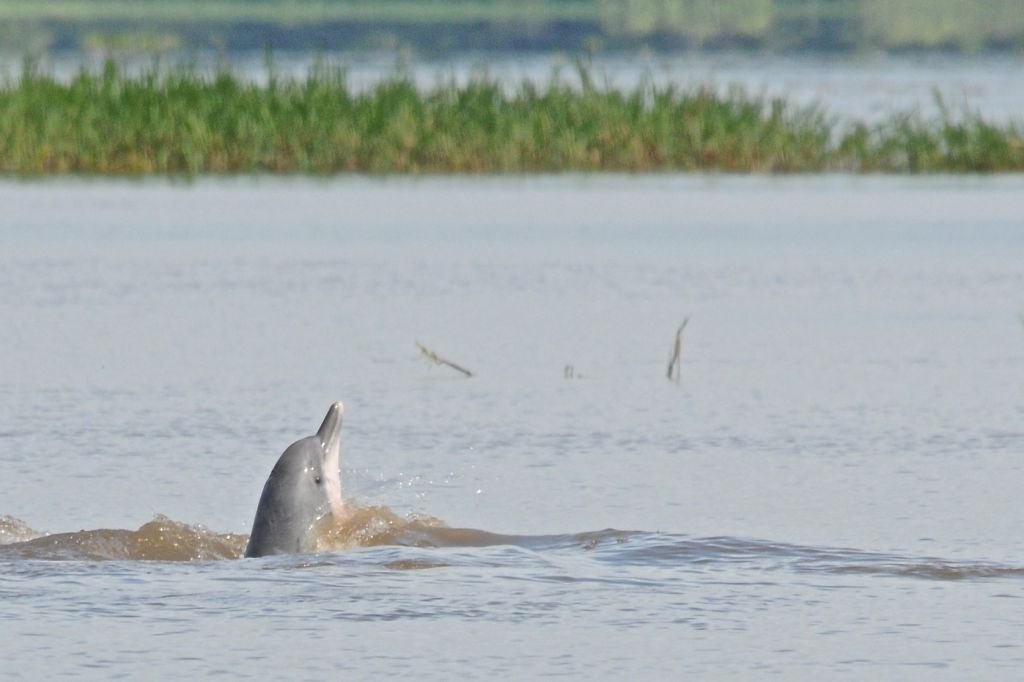
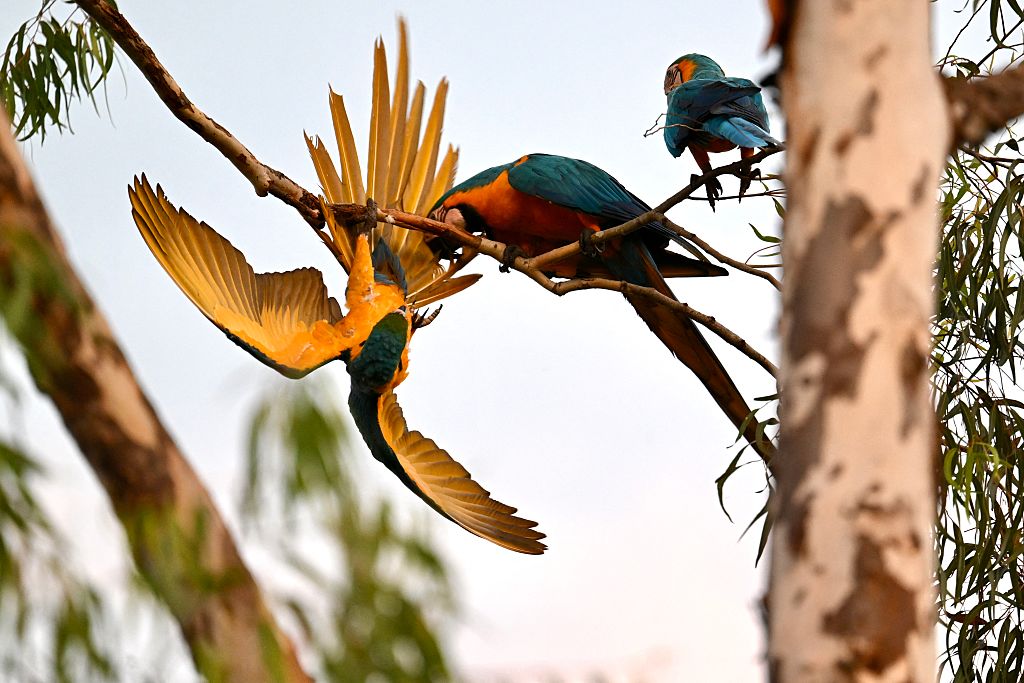
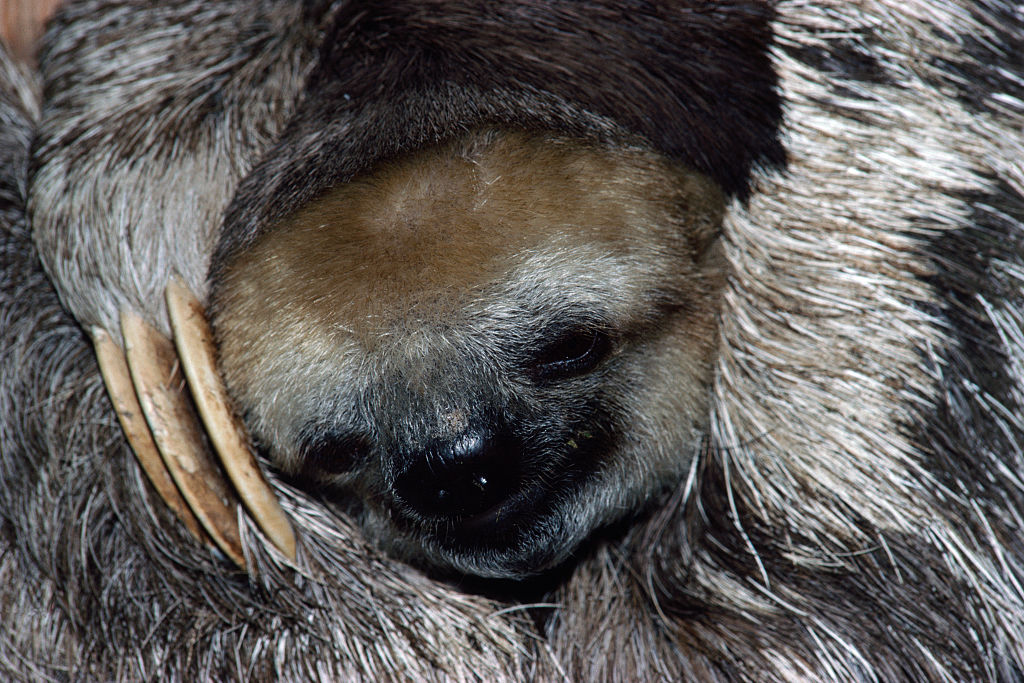
Tucuxi are exclusively found in the freshwater river systems of the Amazon basin. Unlike the pink river dolphin (which is also found in the freshwater systems of the Amazon river basin), the tucuxi looks similar to a bottlenose dolphin (Photo by Kike Calvo/Universal Images Group via Getty Images)Blue-and-yellow macaws are found across large areas of South America, specially in the Amazon region as far north as Venezuela and Colombia (Photo by Evaristo Sa / AFP via Getty Images)A baby sloth rests in Manaus in Brazil, at the heart of the Amazon rainforest (Photo by COLLART Hervé/Sygma via Getty Images)
Top image: Jaguar. Credit: Global_Pics/Getty Images