A new species of wild cat native to Bolivia has been identified by scientists – the first to be described in more than 100 years. It’s currently the only known specimen of its kind.
Leopardus tilcayo (common name tilcayo cat) is native to the Bolivian Yungas cloud forest. The wider forest region, in the Andes-Amazon basin, is one of the least-studied areas in the Neotropical realm yet contains a vast amount of species found nowhere else on Earth.
- Big cat vs small cat: what's the difference between these furry felines?
- It looked like a cat and acted like a cat – but this cat was different. It was the first-ever cat on the planet – the ancestor of all cats today…
- What's the largest forest in the world?
- It ‘rains’ horizontally, is home to the largest cat in the Americas and provides life to two oceans
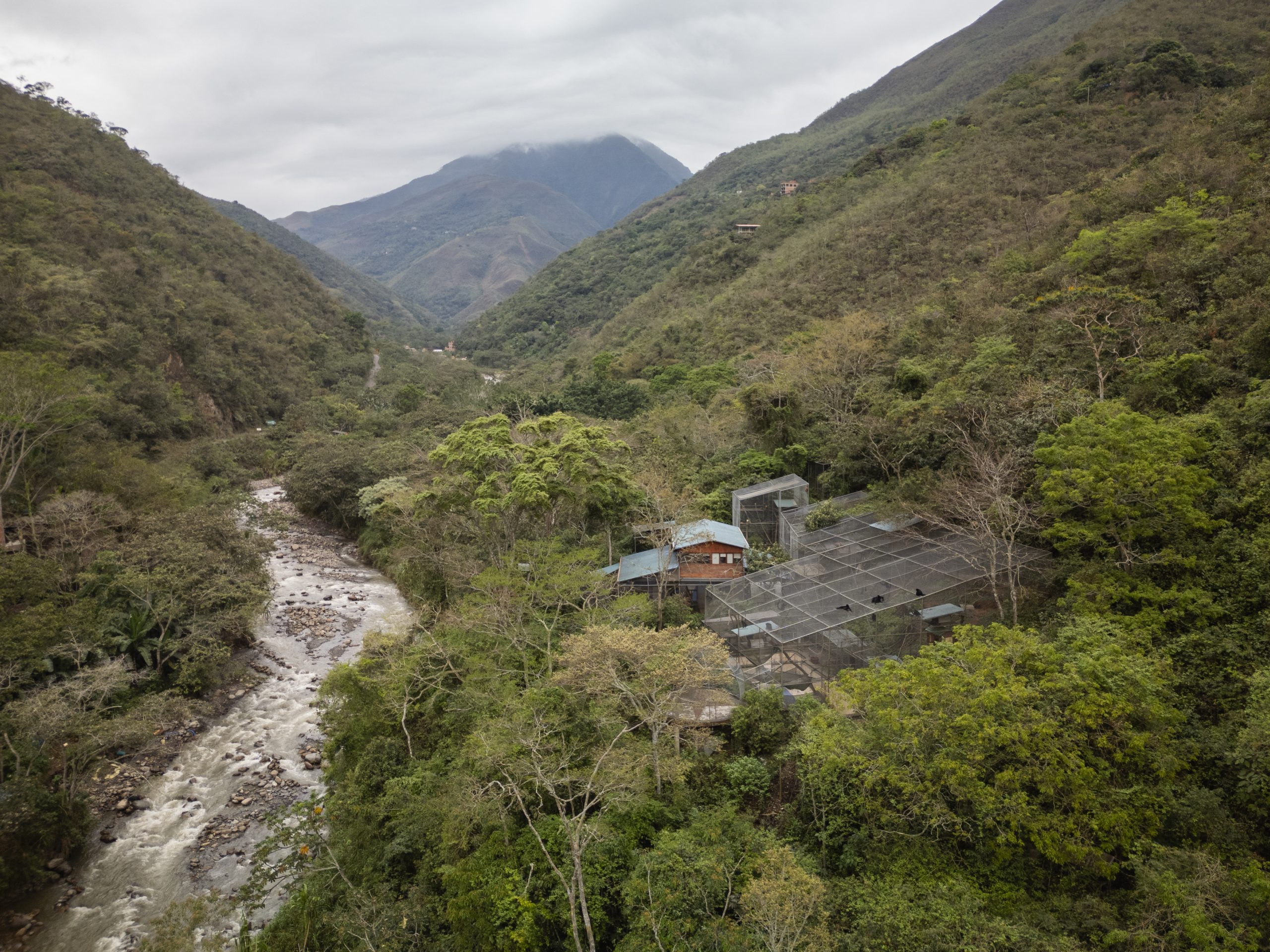
The discovery was made after a chance encounter with the cat in a wildlife sanctuary. In 2017, the cat arrived at the Senda Verde Wildlife Sanctuary after the local family keeping him turned him over for care.
Paola Nogales Ascarrunz, a wild cat conservationist and National Geographic Explorer, first met the cat while volunteering at the sanctuary and later led the research that would identify it as a new species.
“Tiger cats have been enigmatic for decades,” explains Eduardo Eizirik, who collaborated with Ascarrunz as part of an international team, and is a professor at Brazil’s Pontifícia Universidade Católica do Rio Grande do Sul. The cats were “once thought to be a single species (Leopardus tigrinus) based on their similar appearance.”
However, when the researchers analysed DNA from museum specimens and living animals, they found evidence for at least five distinct wild cat species – “each with its own unique evolutionary history,” adds Eizirik.
The resulting paper, published in the Current Biology journal, formally describes four other species: L. guttulus, L. emiliae, L. pardinoides, and L. tigrinus; including the new Peruvian subspecies L. tigrinus antisuyo.
“We chose to name the [newly described] species ‘Tilcayo’ – the name local communities use to describe the cat,” says Ascarrunz. “It’s our way of honouring their ancestral knowledge and connection to this animal.”
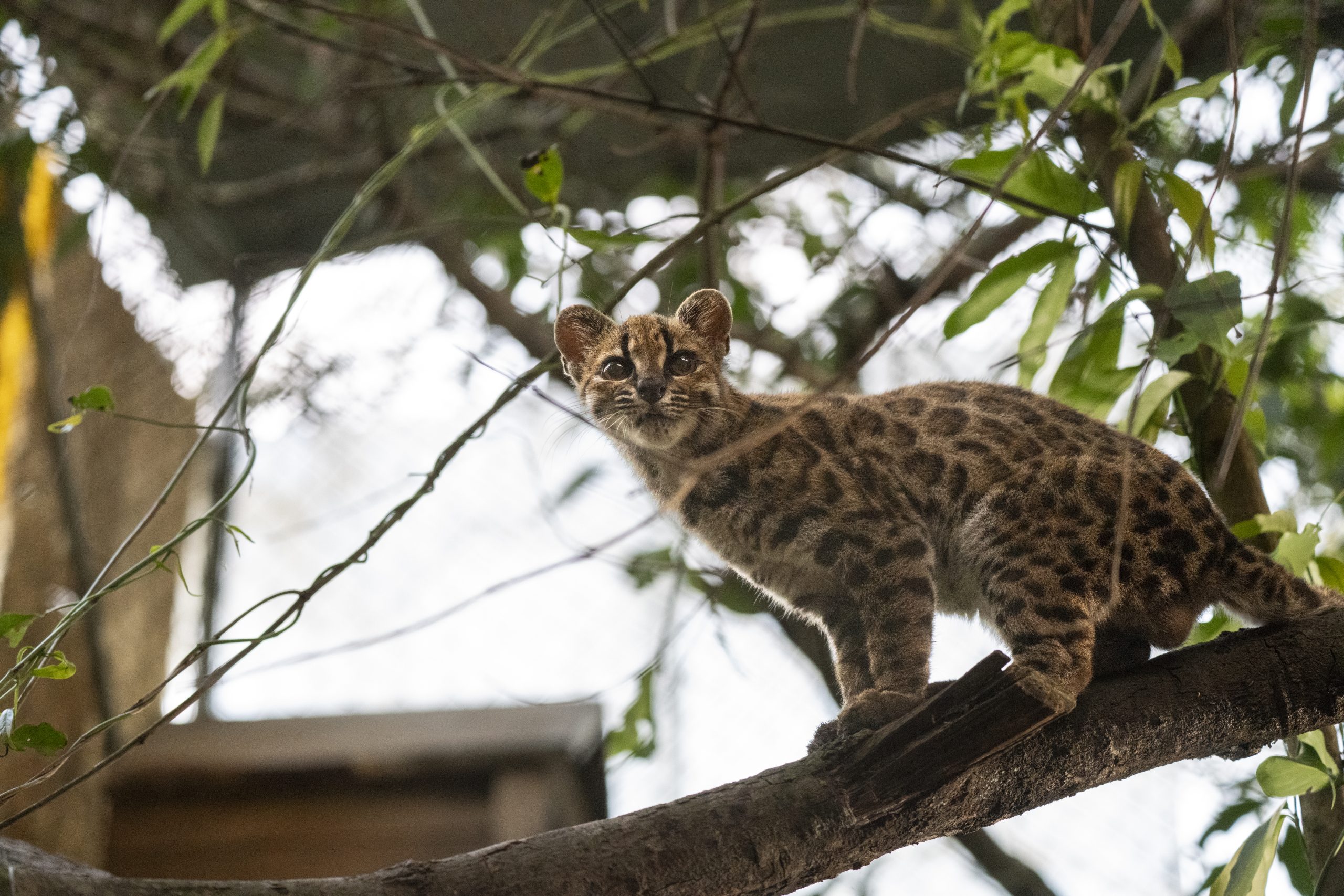
The animal, a ten-year-old male, is the only known individual of the species living in protective captivity. The full range of L. tilcayo isn’t currently known, as tiger cats are often misidentified as oncillas or margays on camera-trap surveys.
The tilcayo cat measures approximately 18 inches (45 centimetres) from its head to the end of its body and weighs three pounds (1.3 kilograms) – making it smaller than the average domestic cat. It’s differentiated from the oncilla (known as the northern tiger cat) by its larger spot markings, a larger, more slender tail, and a muted fur colour.
Ascarrunz is installing camera traps in the Yungas forests to try and document the species in the wild, which would help researchers understand more about it and help inform conservation efforts.
Top image: an individual of the newly-discovered species Leopardus tilcayo which resides at Senda Verde Animal Refuge in Bolivia’s Yungas region. Credit: Fernando Faciole/National Geographic