Described as a ‘living museum of biodiversity’, Costa Rica’s Monteverde Cloud Forest Preserve has fascinated researchers and tourists since its official formation in the 1970s.
It contains more than 2,500 plant species, 400 bird species, 100 mammal species, 120 reptilian and amphibian species and thousands of insect species.
The preserve stretches across more than 10,000 acres (more than 4,000 hectares) of cloud forest: tropical or subtropical forest that grows between 3,900–8,200 feet (1,200-2,500 metres) above sea level where warm, moist air reaches cooler mountain temperatures.
Monteverde’s mist provides up to 40% of the total water captured by the forest (known as horizontal precipitation, where plants draw water from mist) – even when no rain falls onto the forest floor.
The preserve sits along the Continental Divide of the Americas, which separates the watersheds that drain into the Pacific Ocean from the river systems that drain into the Atlantic Ocean and Arctic Ocean. In the preserve, moisture from the Caribbean meets Pacific winds, creating a rare balance of two climates.
This unique habitat has given rise to an extraordinary variety of biodiversity. More than 750 tree species have been recorded, as well as more than 450 species of orchids – the highest concentration known on Earth.
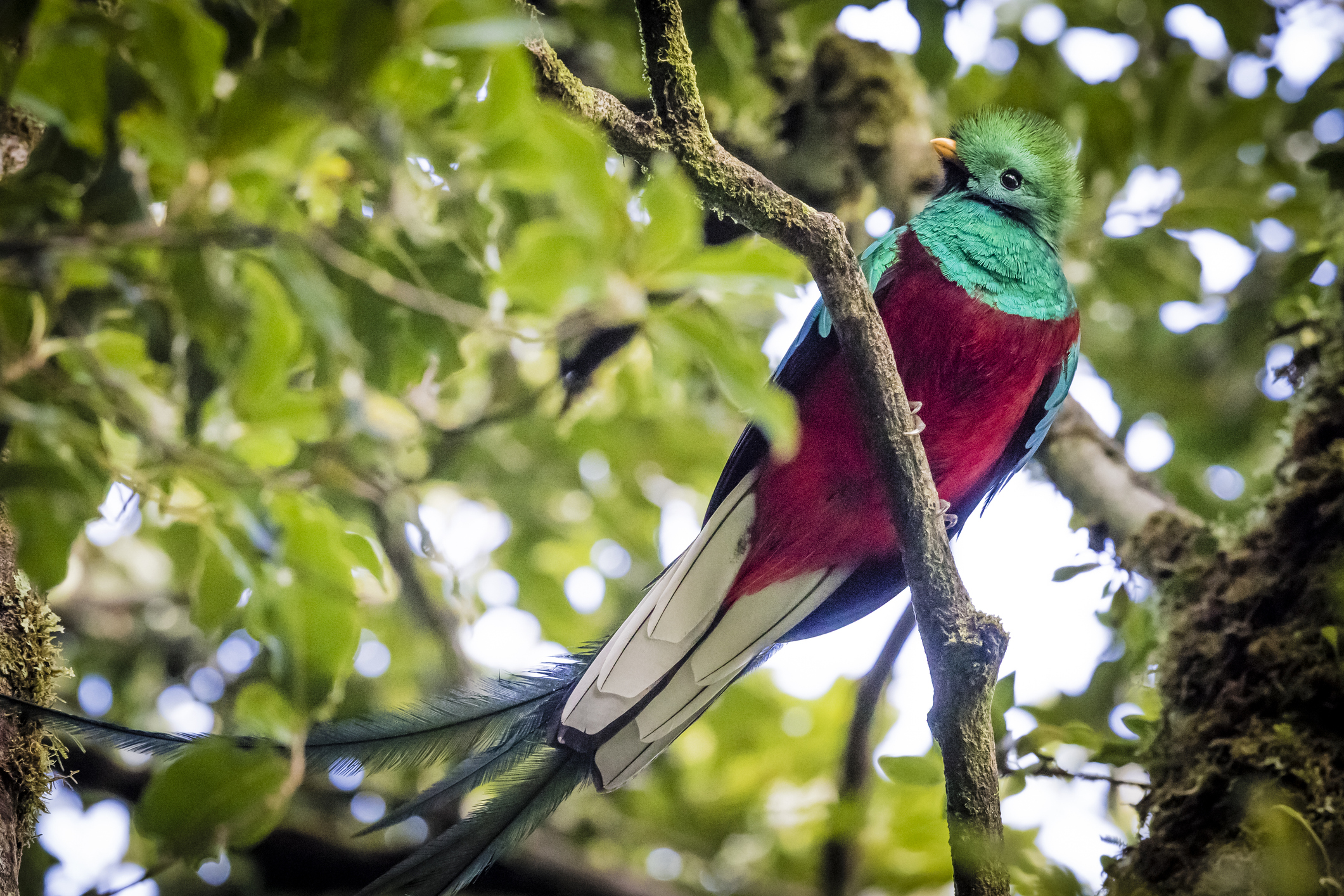
The preserve is also known for its striking and numerous bird species. Resplendent quetzals seek refuge in the forest’s misty canopy. These iridescent birds hollow hole nests in rotten trees or stumps, and eat fruit, insects, lizards and other small creatures. The resplendent quetzal was sacred to the ancient Maya and Aztec peoples, but its population is now declining due to habitat loss.
Its mammals include Baird’s tapirs (the largest native land mammal in Central America), ocelots, jaguars (the largest cat in the Americas), white-faced capuchins, two-toed sloths and greater false vampire bats.
- These 9 incredible, brutal jaguar photos reveal the lethal power and fierce cunning of these top predators
- Perfectly camouflaged as it slips through the forest at twilight, this little-seen, mysterious, ambush predator climbs like a cat and swims like an otter
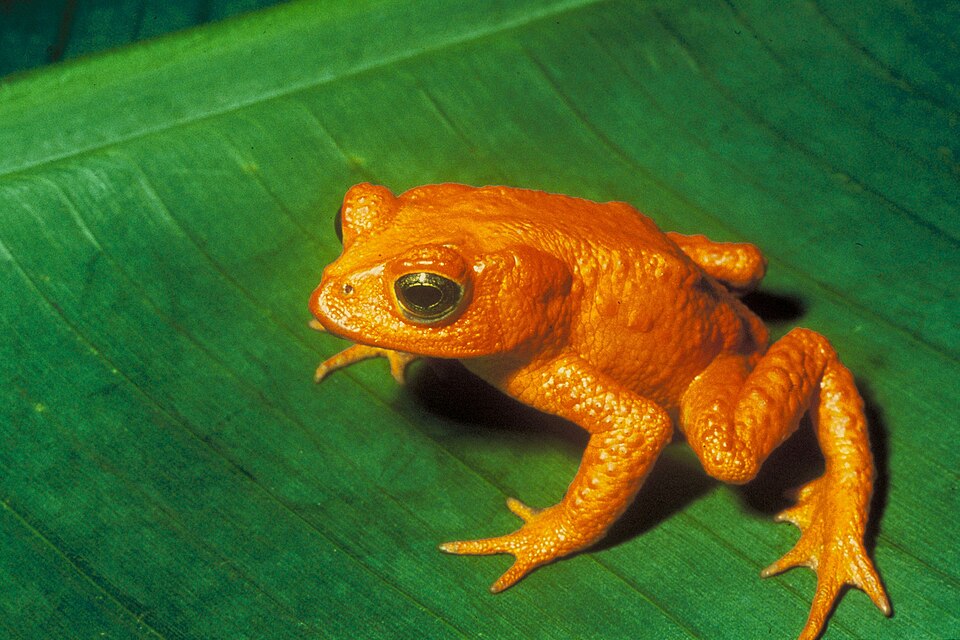
But animals have already been lost from the preserve. The golden toad, once endemic to a small area within the preserve, was certified as extinct in 2004 after its population crashed in 1989. It’s thought that climate change was a key driver in its extinction, and the golden toad is commonly believed to be one of the first terrestrial extinctions linked to the issue. However, other academics have also pointed to a deadly fungus (called chytrid fungus) and habitat loss combining with climate change to explain its sudden extinction.
The Chiriquí harlequin frog, which was found in Costa Rica and Panama, is another amphibian that has experienced similar challenges. Biologists who have seen them in the wild described them as ‘waving’ at one another, perhaps to avoid fights or as a mating behaviour. But the species was last seen in 1996 and declared extinct in 2019.
Top image: view of the Monteverde Cloud Forest Preserve from the top of a hill. Credit: Matt Scholey/Getty Images