
Stretching for 972,000 km2, Northeast Greenland National Park is the largest national park on the planet. But, despite its epic size – the gargantuan park is bigger than the entire country of Tanzania – scientists know surprisingly little about the life beneath its waves.
That’s all changing. In a recent expedition, polar scientists saw an Arctic bobtail squid (Rossia moelleri) in its natural habitat for the first time – and the adult female was surrounded by eggs. Details of the exciting discovery are published in the journal Polar Biology.
- Colossal squid filmed alive in deep ocean for the first time ever
- Drone captures Greenland ice tearing open to reveal colossal animal beneath
“Northeast Greenland National Park is the largest national park on Earth but one of the least biologically documented marine regions in the Arctic,” says the study’s lead author Paige Maroni, a deep-sea biologist at the University of Western Australia’s School of Biological Sciences, in a statement.
Along with other marine scientists, Maroni joined a Secret Atlas Micro Cruise Expedition to visit the remote national park in September 2025.
This was part of their Polar BLAST (Baseline, Life and Structure of the Arctic) research initiative which uses underwater robots (remotely operated vehicles, or ROVs) and deep-sea cameras (baited remote underwater video systems, known as BRUVs) to learn more about what’s living in these harsh environments and how healthy the ecosystems are.
“The mission is straightforward: shine a spotlight on what lies beneath the Arctic’s rapidly warming seas, before it’s too late,” explains Secret Atlas on its website.
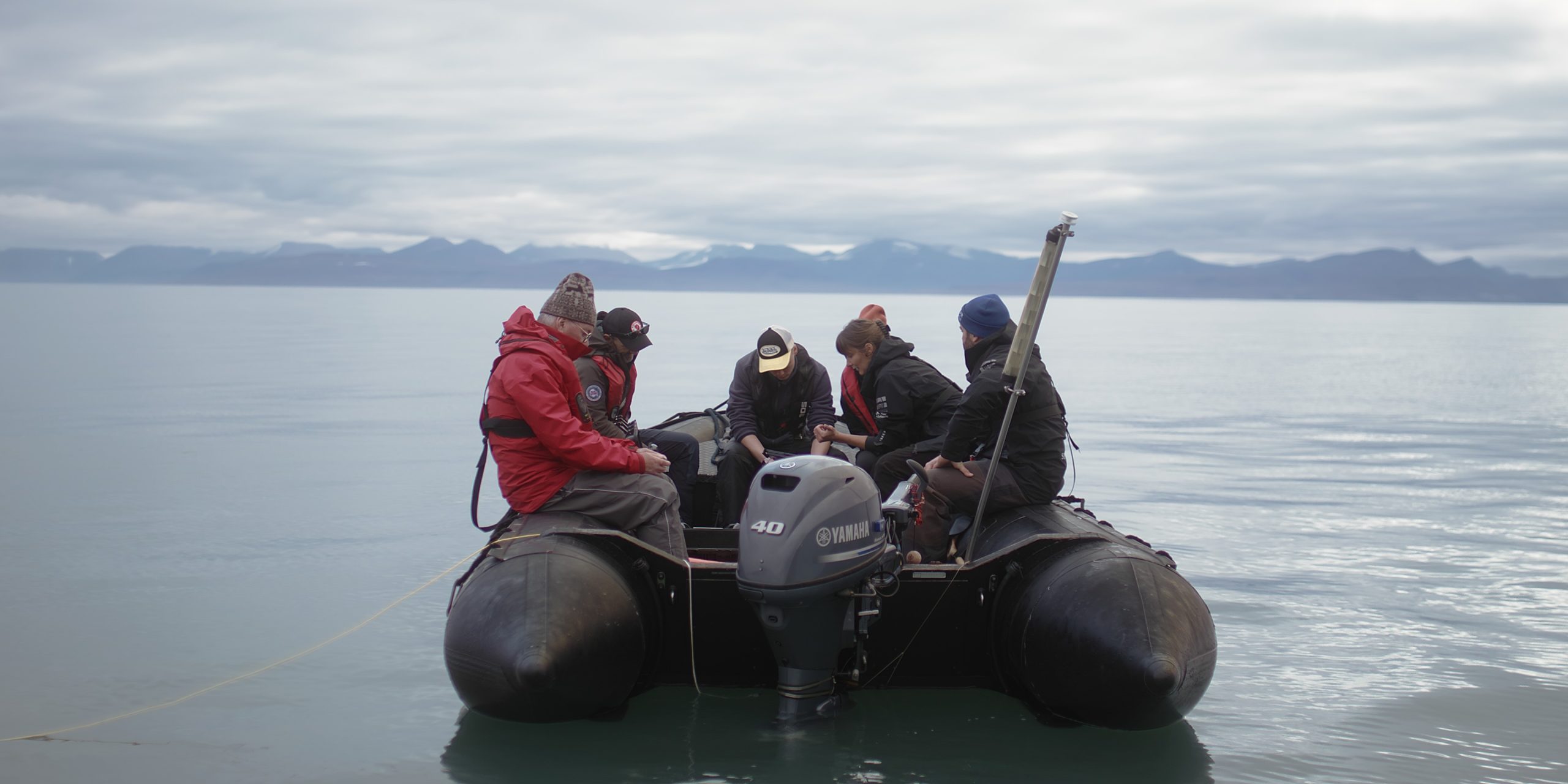
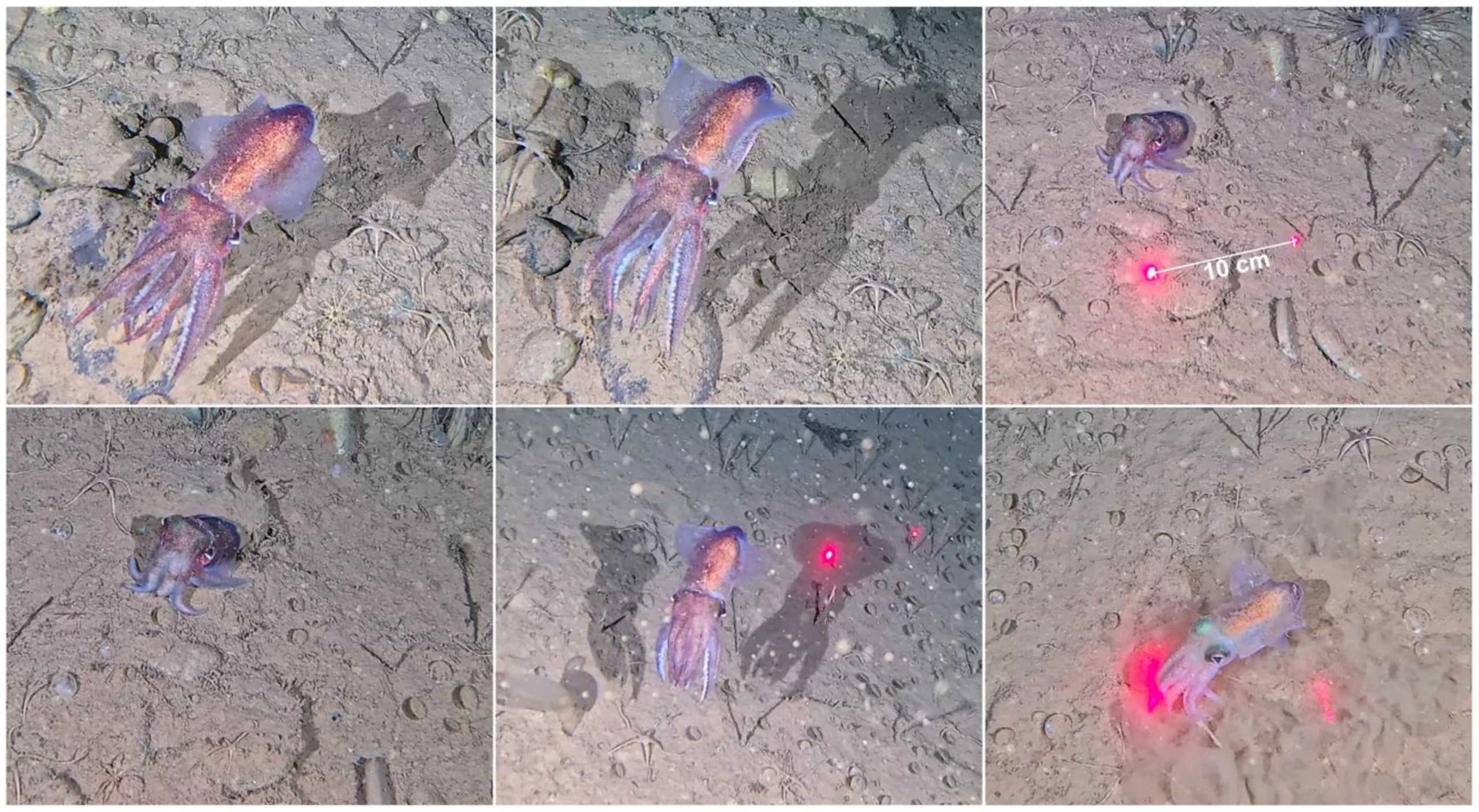
During the expedition, the scientists put an ROV equipped with a GoPro camera in the chilly waters, which were 6.7˚C at the surface but dipped to -1.6°C at 50m.
There, they saw something incredibly special: a mature female Arctic bobtail squid with three egg clusters attached to the hard substrate nearby: the first observation of this species in its natural habitat.
“The squid and eggs were recorded at a depth of 50m in water around -1.6 °C, which highlights the resilience of marine life in one of Earth’s most extreme environments,” says Maroni. It also shows that bobtail squids are reproducing in these sub-zero Arctic fjords.
“Cephalopods, which play vital ecological roles as both predators and prey, remain poorly known in Arctic waters, with few confirmed records,” write the authors in the study. “Despite their ecological importance, confirmed records of cephalopods from East Greenland waters are extremely limited.”
Understanding their lives helps biologists learn about how these animals are faring in the face of climate change. “Owing to their short life spans and rapid turnover, cephalopods are particularly responsive to environmental variability, with even subtle shifts in temperature or salinity potentially affecting their reproductive success and persistence,” they say in the paper.
These sightings can show how different animals are adapting and whether they’re coping with the unprecedented changes to their homes. “As the Arctic continues to warm faster than any other region on Earth, even single verified records from data-poor fjord systems provide rare insight,” says the study.

Getting to the Arctic can be incredibly expensive, which makes it difficult for researchers to make important discoveries like these. That’s why Maroni and the team turned to expedition travel company Secret Atlas for help getting there, with support from Yachts for Science.
“Scientists often face competition for limited, prohibitively expensive vessel time on a small number of specialist research ships,” explains Yachts for Science on its website. “By offering yachts as research platforms, the superyacht sector can uniquely bridge this critical knowledge gap.”
This sighting gives scientists a key reference point so they can trace how this fragile environment changes in future. “In poorly studied polar ecosystems, even one verified observation can provide important insight into species distributions, reproduction and resilience under climate change,” Maroni says.
Read more about the study.
Top image credit: Secret Atlas
More amazing wildlife stories from around the world


