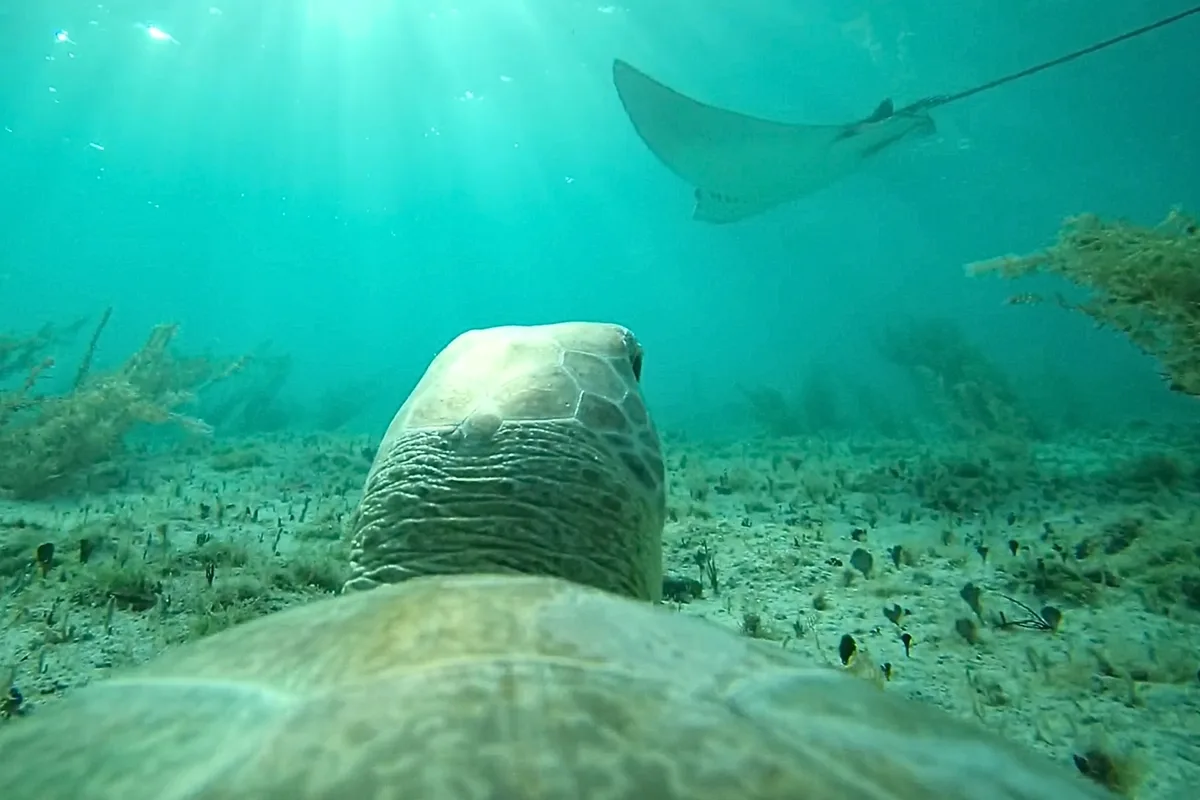
A new study tracking the movements of nine young green sea turtles in the United Arab Emirates (UAE) has produced enlightening results. The turtles spent more than 80% of their time in a protected coastal wetland area – within which their preferred spot was an artificial basin built only two decades ago.
The Al Qurm Wa Lehhfaiiah Protected Area, in the emirate of Sharjah on the Gulf of Oman, is home to the only remaining mangrove ecosystem on the UAE’s east coast. In 2003, ten years before the area was officially recognised as a wetland of international importance, the land behind these mangroves was excavated to create a lagoon as part of a commercial waterfront development.
The wider development never went ahead, but the lagoon remains – and has become a hotspot for the juvenile turtles, who rely on shallow coastal areas where they can forage and mature.
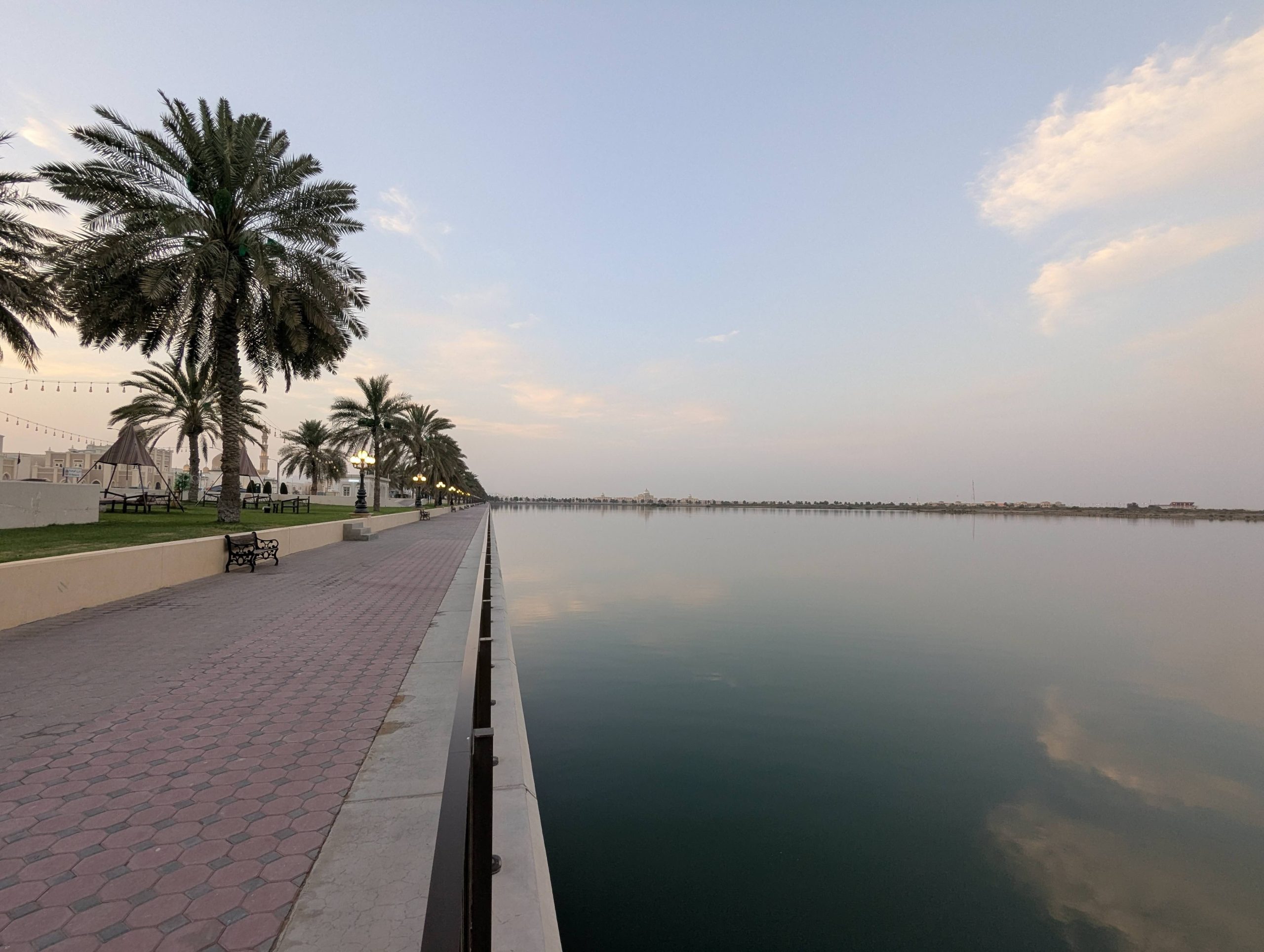
The study, led by the Sharjah Environment and Protected Areas Authority (EPAA) in collaboration with the University of Exeter, showed that the turtles were five times more likely to be found in the lagoon than in surrounding habitats, highlighting how human influence can have a sometimes unpredictable impact on wildlife.
“The fact these turtles are using the artificial basin appears to be a happy accident, and an example of how wildlife can find a way in a world increasingly shaped by humans,” says Dr Owen Exeter, from the University of Exeter. “However, without the natural mangroves connecting to this system, it’s unlikely that this would have occurred.”
“The basin floor is covered in algae, likely providing them with food, and we believe few predators – such as sharks – make their way through the mangrove into this unique habitat,” he continues.
The young turtles, estimated to be between seven and ten years old, were all monitored using satellite tags for an average of 143 days. Green turtles can take between 20 and 50 years just to reach sexual maturity. After spending the first few years of their lives in the open ocean, they return to coastal wetlands such as this to grow before embarking on longer offshore migrations as adults.
The immature juveniles in the study show the vital importance of the species having a specific development habitat – natural or otherwise. “Our results show just how critical coastal wetlands can be to young green turtles,” adds Dr Exeter.
More wildlife stories from around the world
- Turtles in Saudi Arabia just led scientists to a gigantic carbon sink
- Scientists find triplet embryos inside wild sea turtle egg for first time ever
- “This is what a turtle eruption looks like – wait till the end!"
- Incredibly rare giant turtle with a face like a frog found in India's tropics
Top image: Green turtle. Credit: Owen Exeter