
In 2006, National Geographic Explorer and photographer Joel Sartore set out to raise awareness of the importance of wildlife conservation by taking photos of creatures big and small, weird and wonderful, all around the world.
“I started the Photo Ark in 2006 with the idea that if we can illuminate species of all sizes – especially the little ones that don’t get a lot of love – then we might be able to ignite connection and compassion for all of the living things we share this planet with,” says Sartore in a press release.
20 years on, the National Geographic Photo Ark has just reached a huge milestone with Sartore photographing his 18,000th species. He captured shots of a fish so rare that there are believed to be fewer than 250 left in the wild: the critically endangered red handfish.
Like many creatures under the sea, this fish is bonkers. Apart from the fact that it looks a little like a sullen toad wearing lipstick, it uses its modified fins like limbs to waddle along the seafloor.
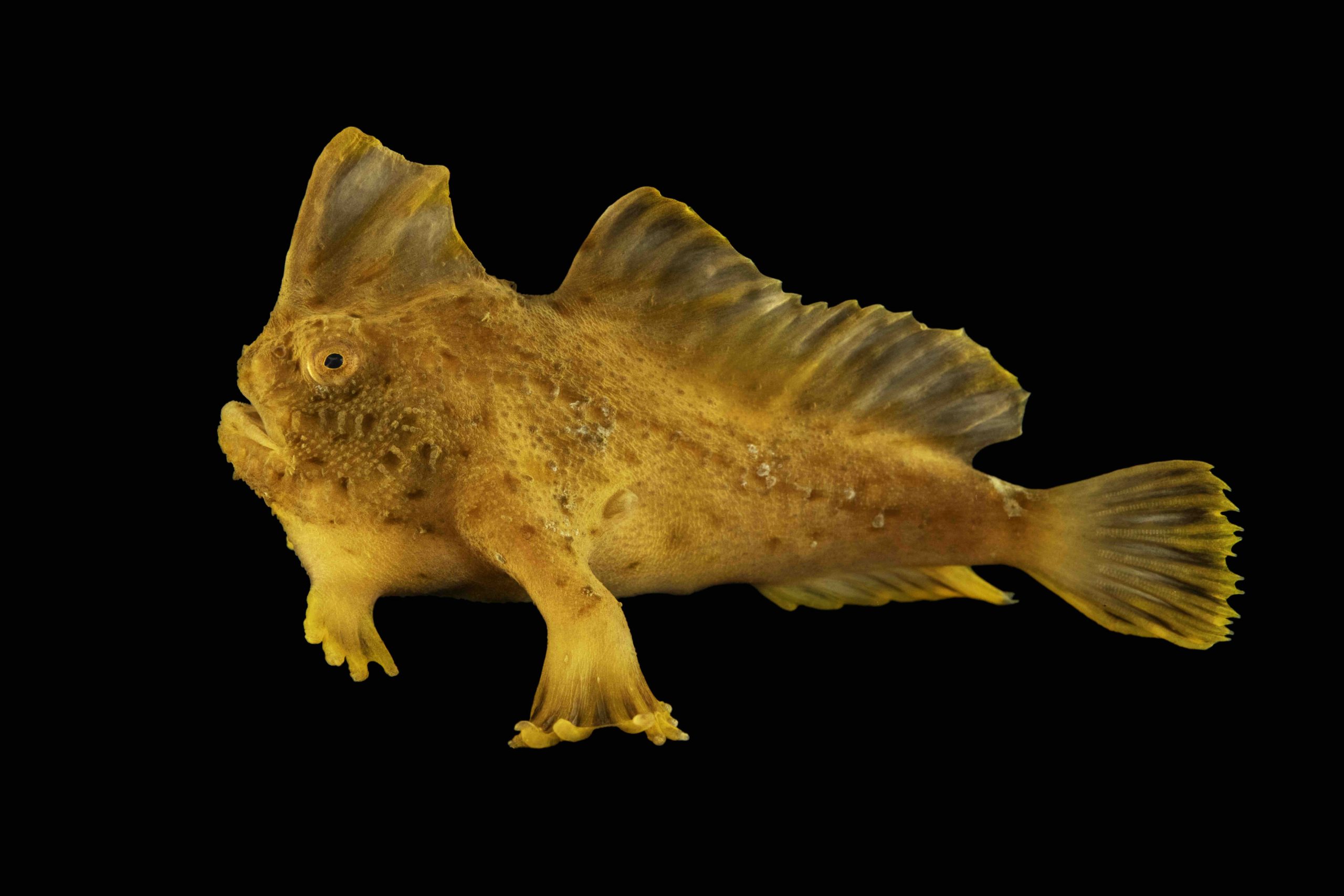
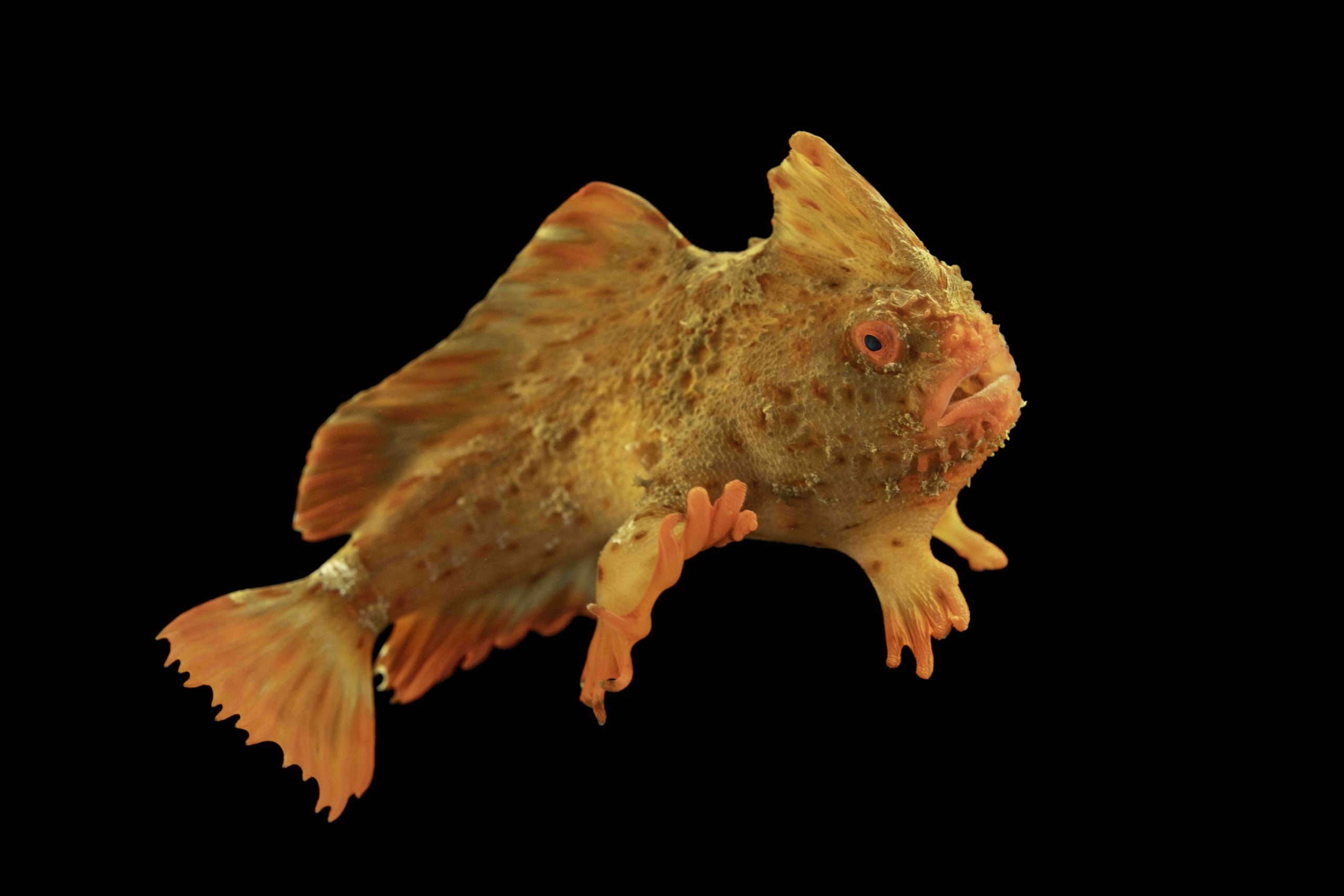
Scientists were so worried about the future of this critically endangered population – found only in a tiny area of rocky reef in Tasmania, Australia – that they took some into captivity for breeding.
Sartore visited the Institute for Marine and Antarctic Studies at the University of Tasmania’s for his photoshoot, capturing adorable video and photos of these little red critters.
“The rare and remarkable red handfish is brilliantly unique and critically important to marine biodiversity,” says Sartore. “We should care about their future as much as we care about our own.”
Photos and video credit: Joel Sartore, National Geographic Photo Ark
More wildlife stories from around the world
- Staggering drone footage shows 24m giants speeding through Indonesian waters
- As a huge storm approached the US coast, California's great white sharks did this
- Drone pilot spots humpback whale acting strangely. What happens next is breathtaking
- "You can hear them talking to each other through your hull.” Sailor alone at sea for a week. Then this happens


