
When large storms are brewing, communities on land brace for the impact, securing their properties and making sure they have plenty of supplies in case of an emergency. As it turns out, there’s a response from ocean animals too.
Scientists from UC San Diego's Scripps Institution of Oceanography and the Shark Lab at California State University, Long Beach (CSULB) have revealed how young white sharks respond when a storm is on the horizon. The findings are published in Movement Ecology.
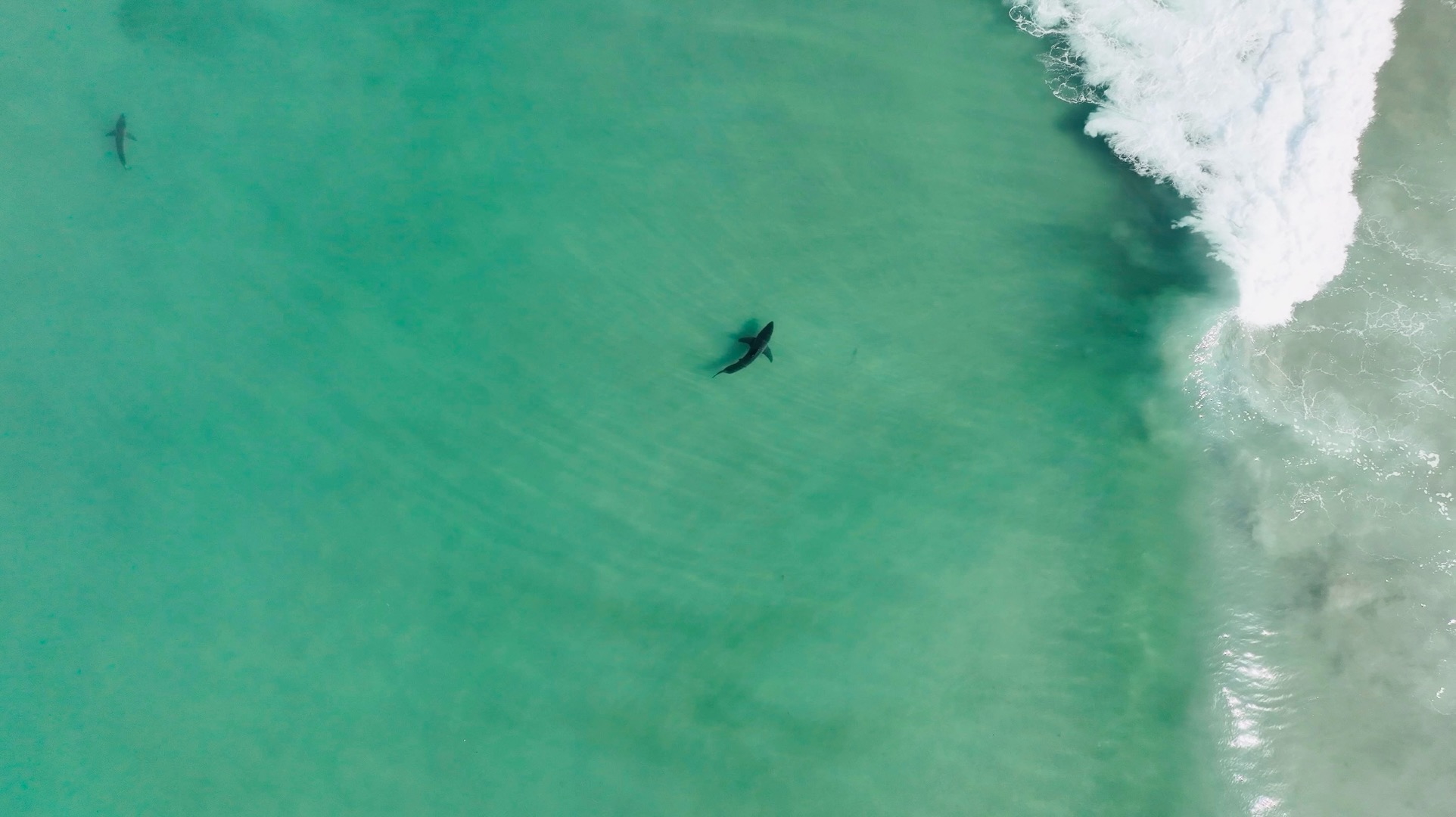
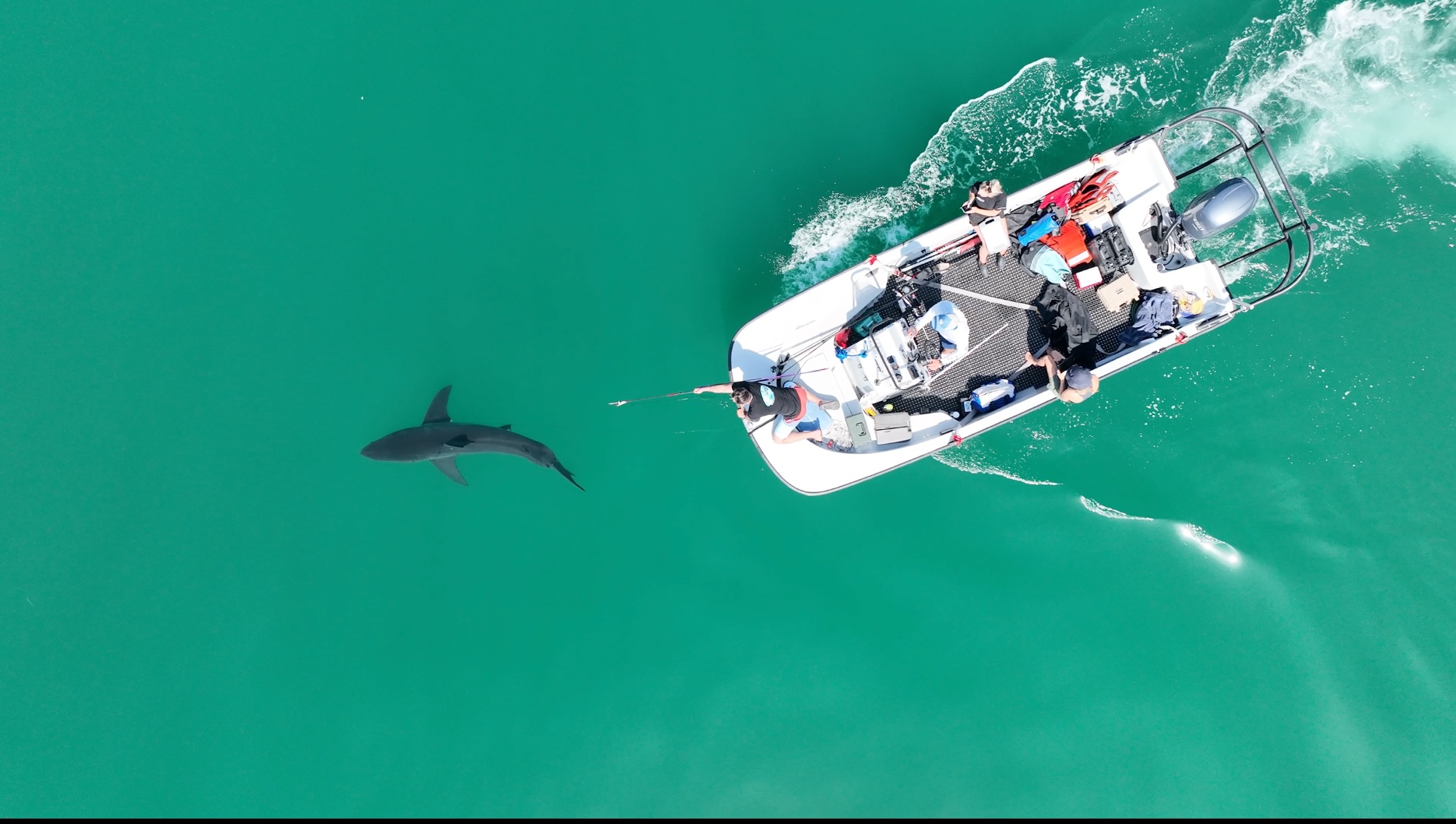
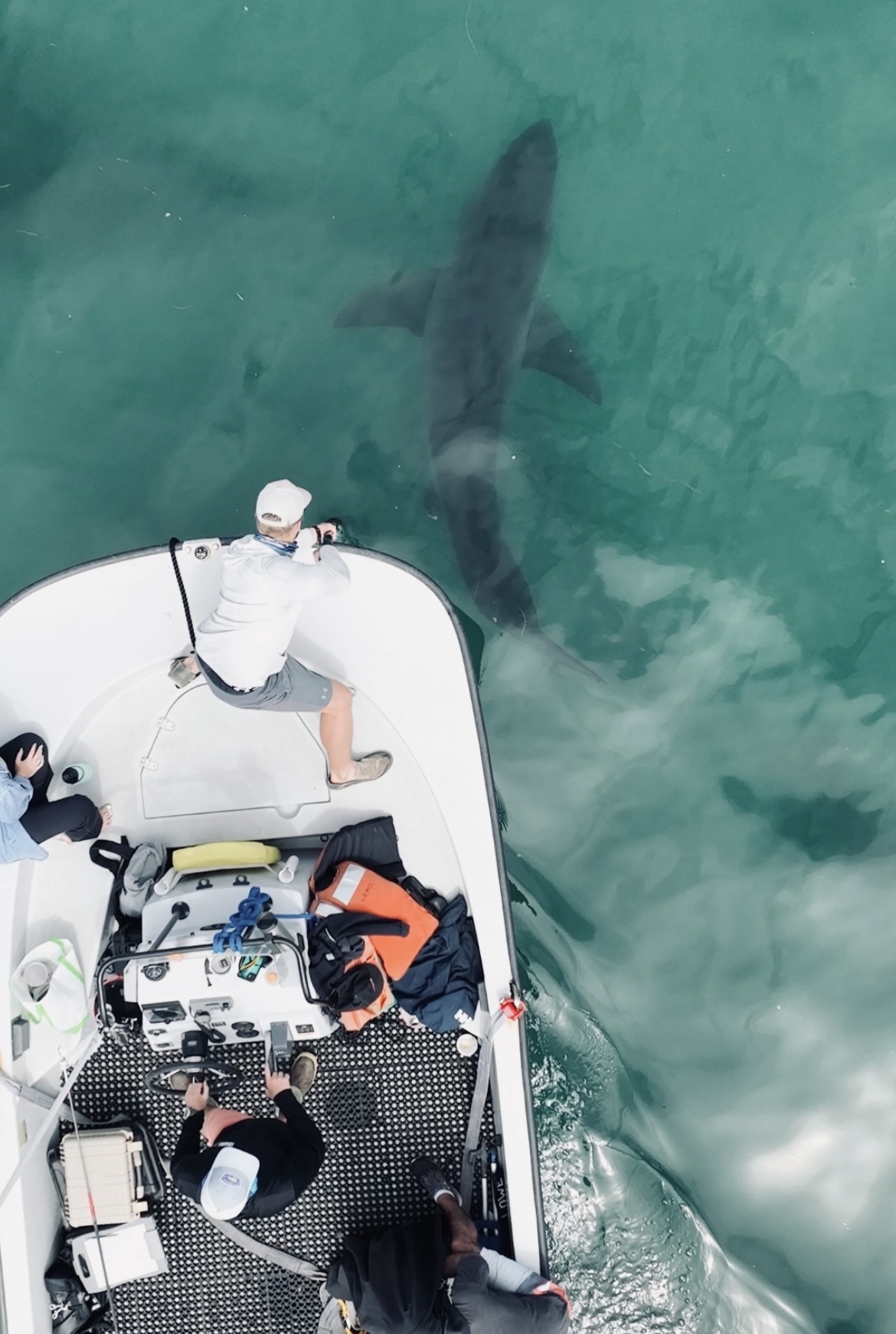
Ahead of the arrival of Storm Hilary in California in August 2023, researchers monitored the response of 22 juvenile white sharks wearing acoustic tags to help track their movements.
“To our knowledge, this is the first study to document storm-response behaviour in white sharks,” says the study’s author Jack Elstner, in a press release.
More than half of the young sharks fled their nursery grounds off the coast of Torrey Pines and Del Mar in northern San Diego to find more sheltered waters, returning later when the coast was clear.
“Many sharks in this nursery temporarily left the area as the storm arrived or just after,” adds Elstner, a PhD student at Scripps Institution of Oceanography.
- "They were going nuts in the wake of the storm”: hurricane causes epic explosion of life off Mexican coast
- The mystery of the White Shark Café: why do great white sharks migrate to this remote stretch of ocean?
It wasn’t clear exactly where all the sharks went but many seemed to travel to La Jolla Cove, an area with deeper waters that was more protected from the storm’s winds. “We believe this more sheltered habitat may have served as an important nearshore refuge for some individuals,” he says.
One shark even swam down to 132 metres – perhaps trying to get away from the rough, stormy conditions at the surface.
“The fact that some sharks ‘tucked’ into the less wave-active La Jolla Cove during the storm was an interesting finding,” says co-author Chris Lowe, leader of the Shark Lab at CSULB. “We think that some were seeking shelter from the storm.”
Temperature may have been one cue for them to leave. In one day, the storm caused sea-surface temperatures in the nursery to dip from 20°C to 13.9°C. Around the same time, the sharks vanished to other waters.
Juvenile white sharks are more sensitive to the cold than adults so the researchers think they bolted in search of somewhere warmer when the thermostat dropped.
Not all the sharks had exactly the same reaction to the impending storm but this doesn’t surprise the researchers. “It makes sense that not all sharks did the same things, in much the same way people respond differently,” says Lowe. “It’s a key survival characteristic that humans seem to share, too.”
Find out more about the study.
Top image credit: pchoui/Getty Images
More amazing wildlife stories from around the world
- “A sight few have ever witnessed”: blue whale gathering stuns wildlife watchers in San Diego
- Cataclysmic volcanic eruption in Hawai'i triggers astonishing explosion of life 1,200 miles away
- “Probably ate it headfirst." Here's what scientists found inside this deep-sea fish’s bulging belly
- "You can hear them talking to each other through your hull.” Sailor alone at sea for a week. Then this happens


