The Arctic waters surrounding Greenland’s Scoresby Sound region are, predictably, freezing. Even in summer, temperatures rarely rise a few degrees above zero.
The area also contains the world’s largest fjord system, which makes it too difficult for many research vessels to navigate. Alternative methods, such as flying over and dropping sensors into the water, can be costly and timely – so it’s little surprise that this area hasn’t been extensively studied.
So, when researchers from the University of Copenhagen and the Greenland Institute of Natural Resources wanted to study the impact of Greenland’s glacial melt, they came up with a novel idea: to recruit creatures who navigate this hostile environment with complete ease.
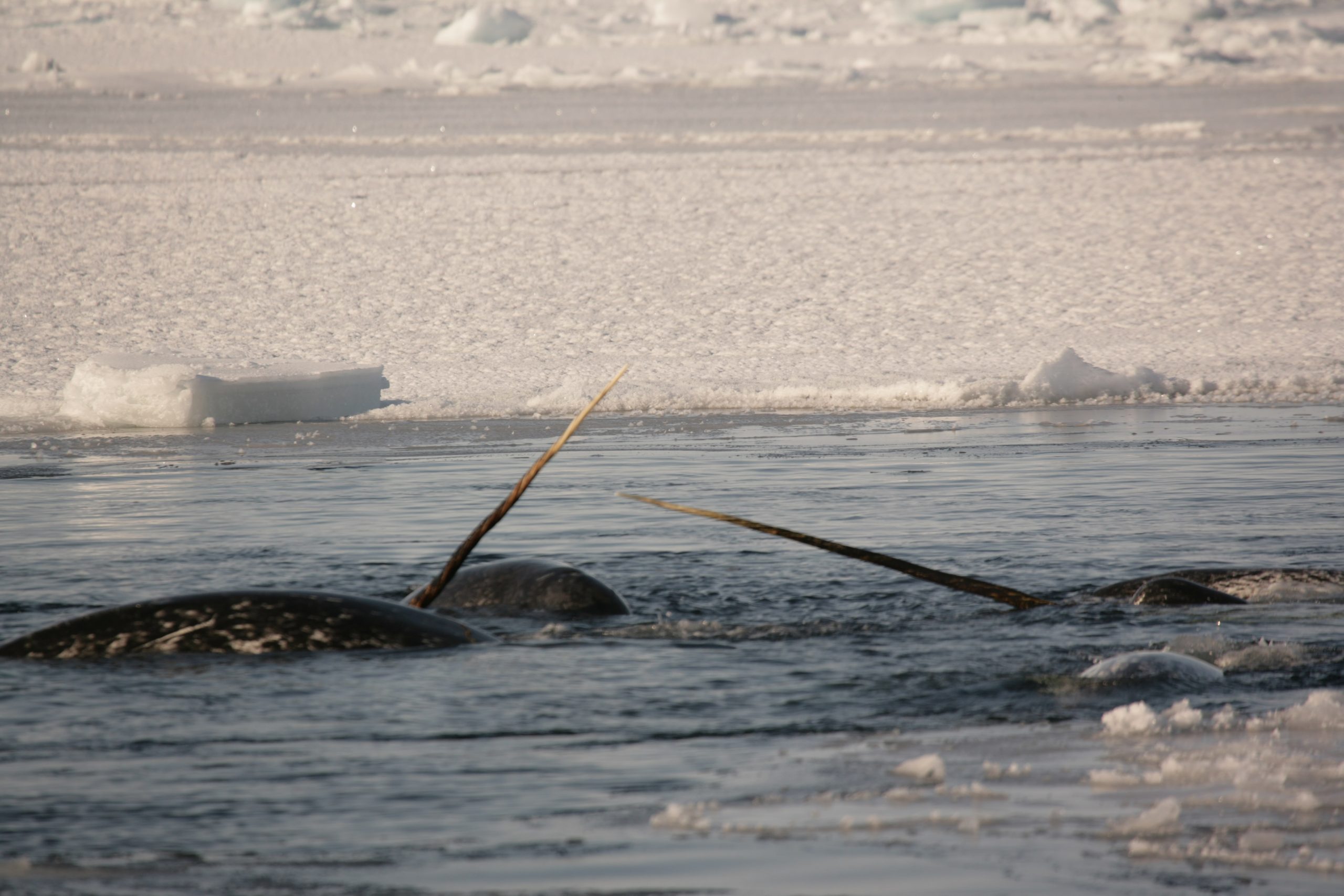
Also referred to as ‘unicorns of the sea’, narwhals are known for their deep-diving abilities and have relatively predictable movement patterns, which made them well-suited for the job.
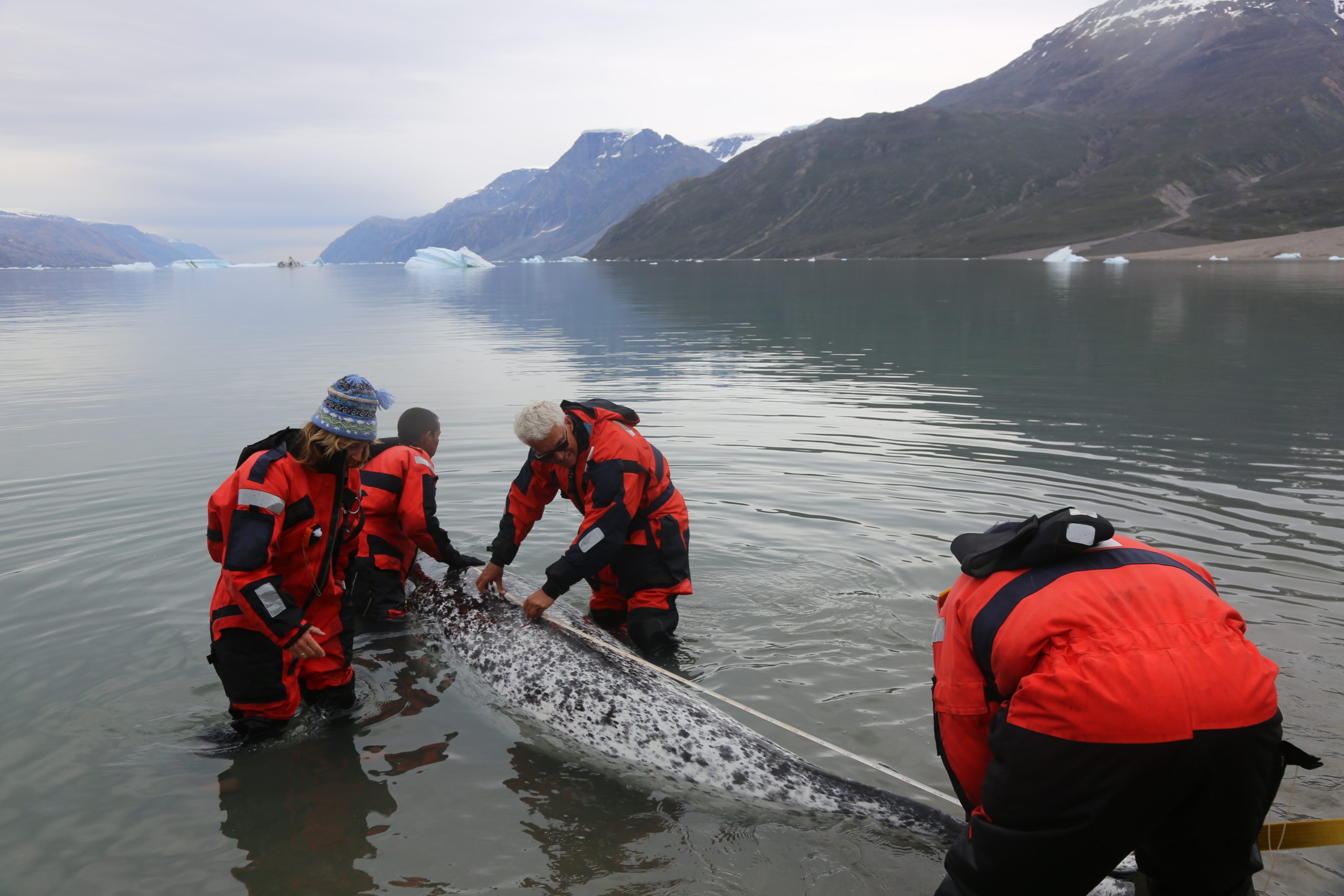
Six narwhals were fitted with sensors that measured ocean temperature, salinity and depth. Over three years, they gathered data that would be almost impossible for humans to collect – accessing some of the most remote and inaccessible glaciers in the region.
“Now we suddenly have measurements from places we can use in our research models, giving us a much more complete picture of the ocean,” explains Susanne Ditlevsen, a professor at the University of Copenhagen and co-author of the resulting study, published in the journal Science Advances.
Warmer waters
The researchers then combined the narwhal data with historical oceanographic data of the Scoresby Sound region from the World Ocean Database.
“We used the two large datasets to build a robust model showing how temperature, salinity and depth are related,” says Ditlevsen.
“The models show that the layer consisting of Atlantic water has become thicker, while the upper layer of Polar Water has become thinner.”
The results show that this warmer, more saline Atlantic water now reaches deep basins in front of glaciers that are hundreds of kilometres into the fjord systems. This water helps melt the glaciers at the base.
“We can therefore show how the warm water can contribute to accelerating the rate at which glaciers lose ice,” explains Mads Peter Heide-Jørgensen, a professor at the Greenland Institute of Natural Resources and one of the study’s co-authors.
Studying Greenland’s glaciers and ice sheet is now vital to climate research. As glaciers melt, they discharge large volumes of freshwater into the ocean, ultimately raising global sea levels. The researchers hope that their findings can also contribute to improved estimates of glacier melt in future climate models.
- Colossal flood explodes through Greenland Ice Sheet. What scientists find in aftermath astounds them
Top image: researchers attach sensors to a narwhal. Credit: Carsten Egevang