
The two species of beaver might look similar at first glance, but there are several fundamental differences between North American beavers and Eurasian beavers.
Of course, one of the most obvious differences is reflected in their names: they are found on opposite sides of the Atlantic on entirely different continents. But the differences don’t end there.
What’s the difference between North American beavers and Eurasian beavers?
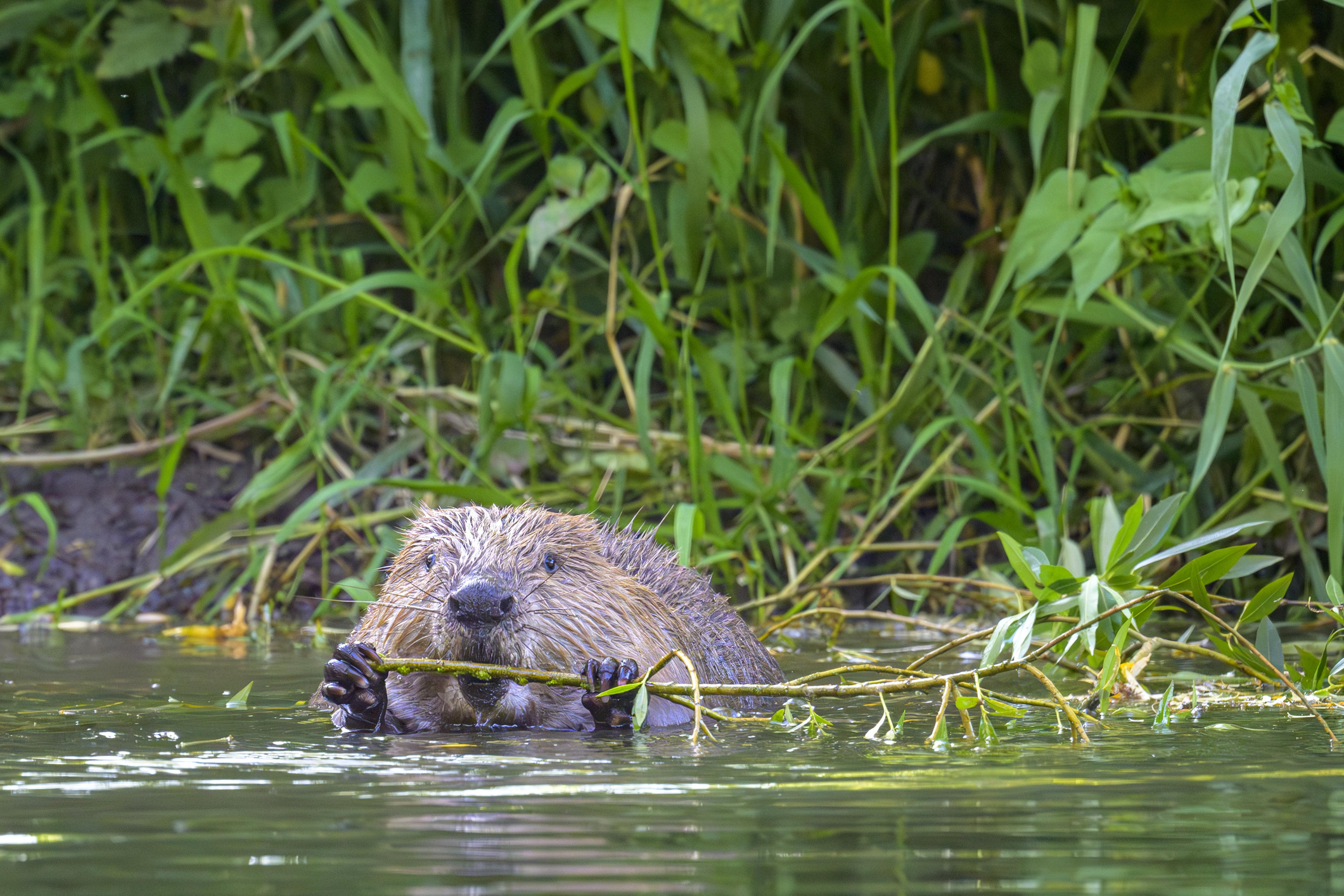
Both North American beavers (Castor canadensis) and Eurasian beavers (Castor fiber) are among the world’s largest rodents. Eurasian beavers tend to be slightly smaller than their American counterparts, though the size difference is fairly negligible to the naked eye – you’d have to whip out a tape measure to really make sure.
North American beavers have round skulls, while Eurasian beavers’ skulls are narrower. Their noses differ too: North American beavers’ round skulls are matched with square nasal openings, while the Eurasian beaver’s nasal opening is more triangular.
The tail of a Eurasian beaver is narrower and more slender than that of the North American beaver.
The two species are slightly different colours too. North American beavers have darker brown fur, often looking almost black in colour, while Eurasian beavers tend to be more reddish-brown.
- Canada may not have existed as we know it today if it wasn’t for the beaver. Here's why
- Here's why beavers are good for fish
Are their behaviours different?
North American and Eurasian beavers have fairly similar behaviours, although North American beavers tend to build larger dams, and they build them more frequently.
Do they live in different types of habitat?
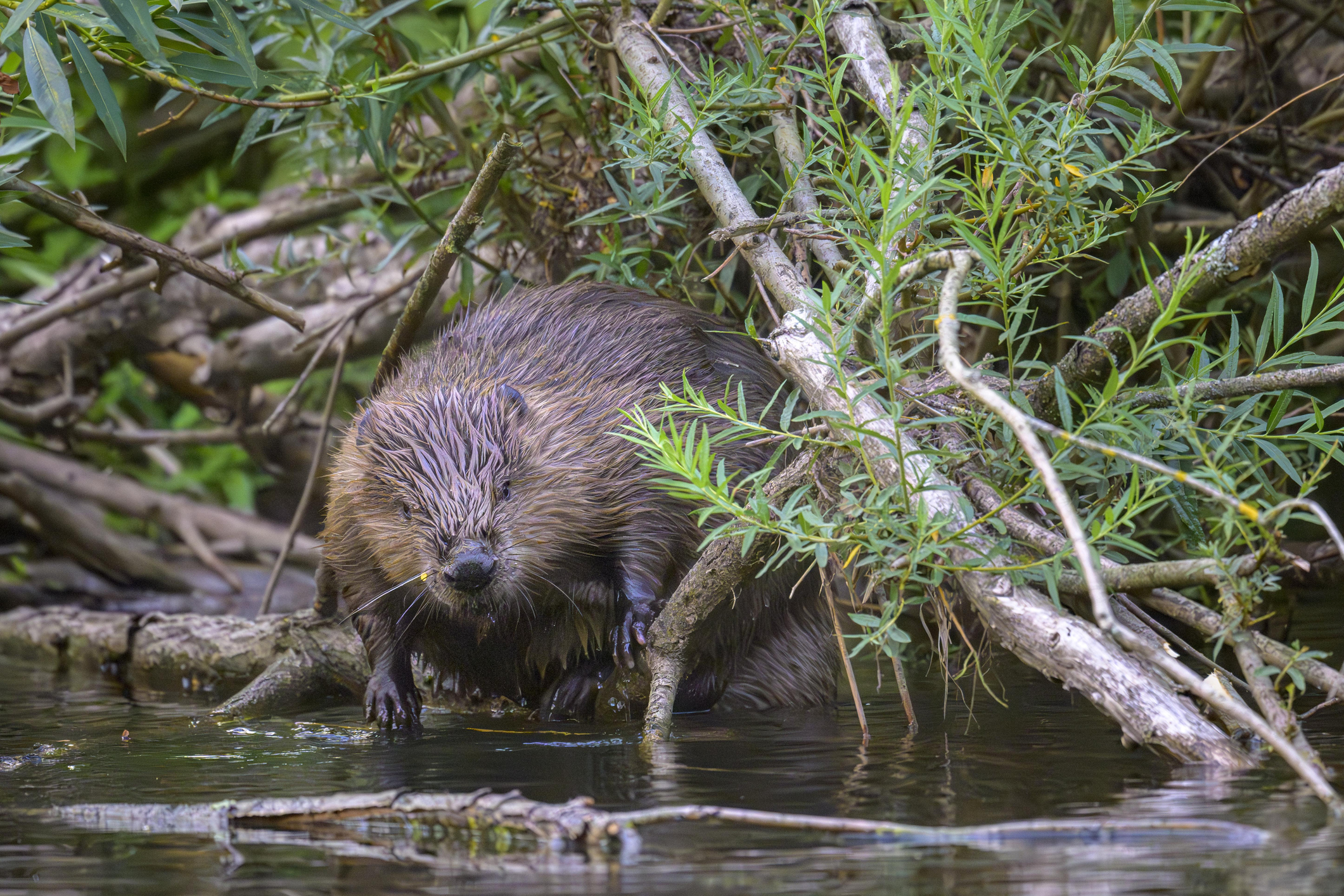
Although North American and Eurasian beavers are divided by many thousands of miles, their lifestyles are surprisingly similar. They both inhabit fresh bodies of water, such as rivers and lakes.
- Camera traps catch beaver farting on a quiet riverbank in England
- Beaver vs otter: how to tell them apart
Do they have different diets?
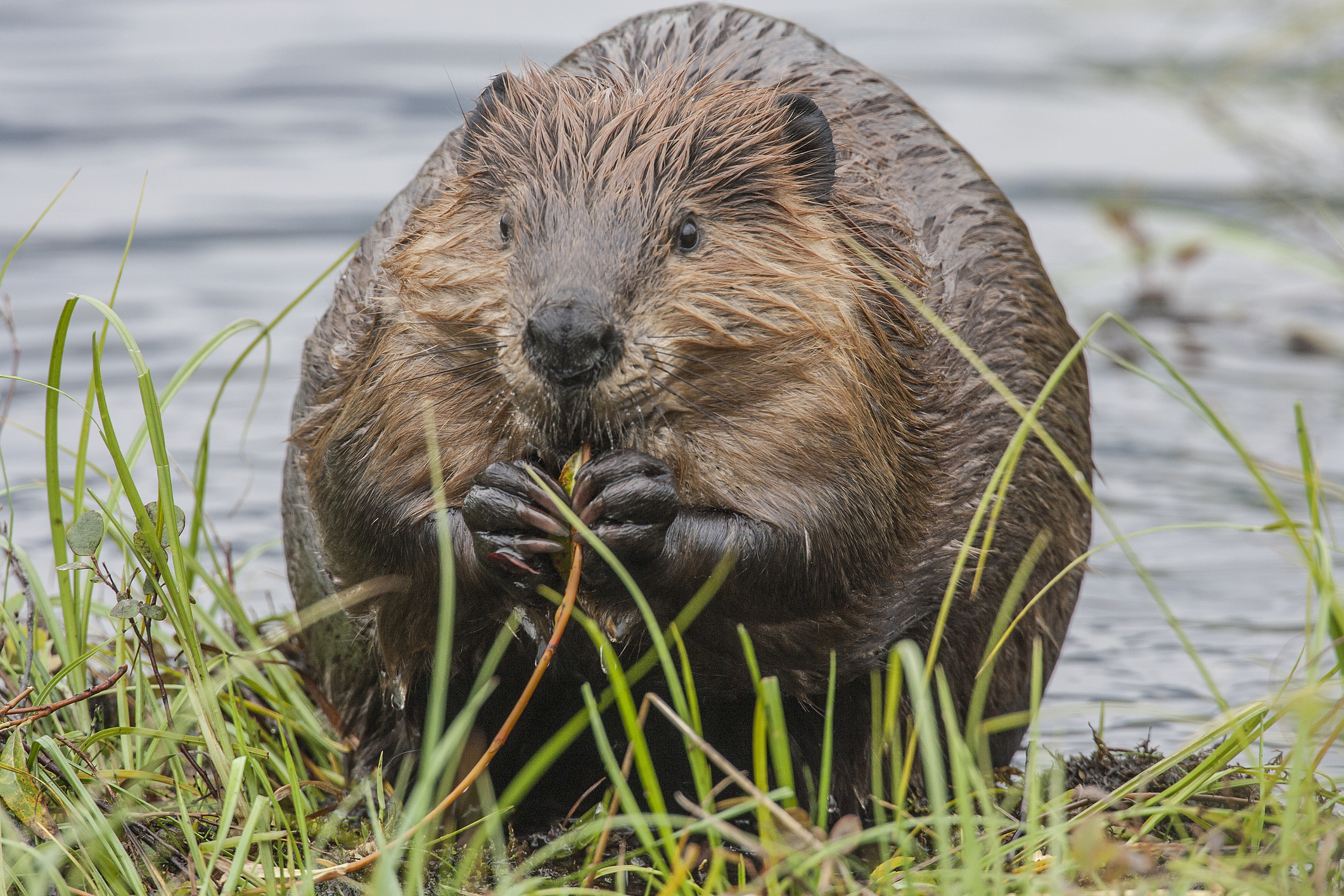
Both the North American and Eurasian beavers are herbivores, feeding on aquatic vegetation, green plants and tree bark.
Can these different species of beaver interbreed?
No, the North American beaver and Eurasian beaver cannot interbreed, because they have different numbers of chromosomes.
The North American beaver has 40 chromosomes, while the Eurasian beaver has 48.
Top image: North American beaver (Castor canadensis), Yukon Territory, Canada. Credit: imageBROKER/Gerhard Kraus/Getty Images


