
If someone told you the story that cats were parachuted from planes to resolve an escalating health crisis, you might disregard it as urban legend.
Yet, behind the bizarre headlines lies a remarkable true story. Operation Cat Drop is one of history’s most unusual ecological interventions – a tale of how an attempt to wipe out malaria ended with parachuting cats.
- It looked like a cat and acted like a cat – but this cat was different. It was the first-ever cat on the planet – the ancestor of all cats today
- How can I stop my cat hunting – and killing – wildlife?
Fighting a major crisis
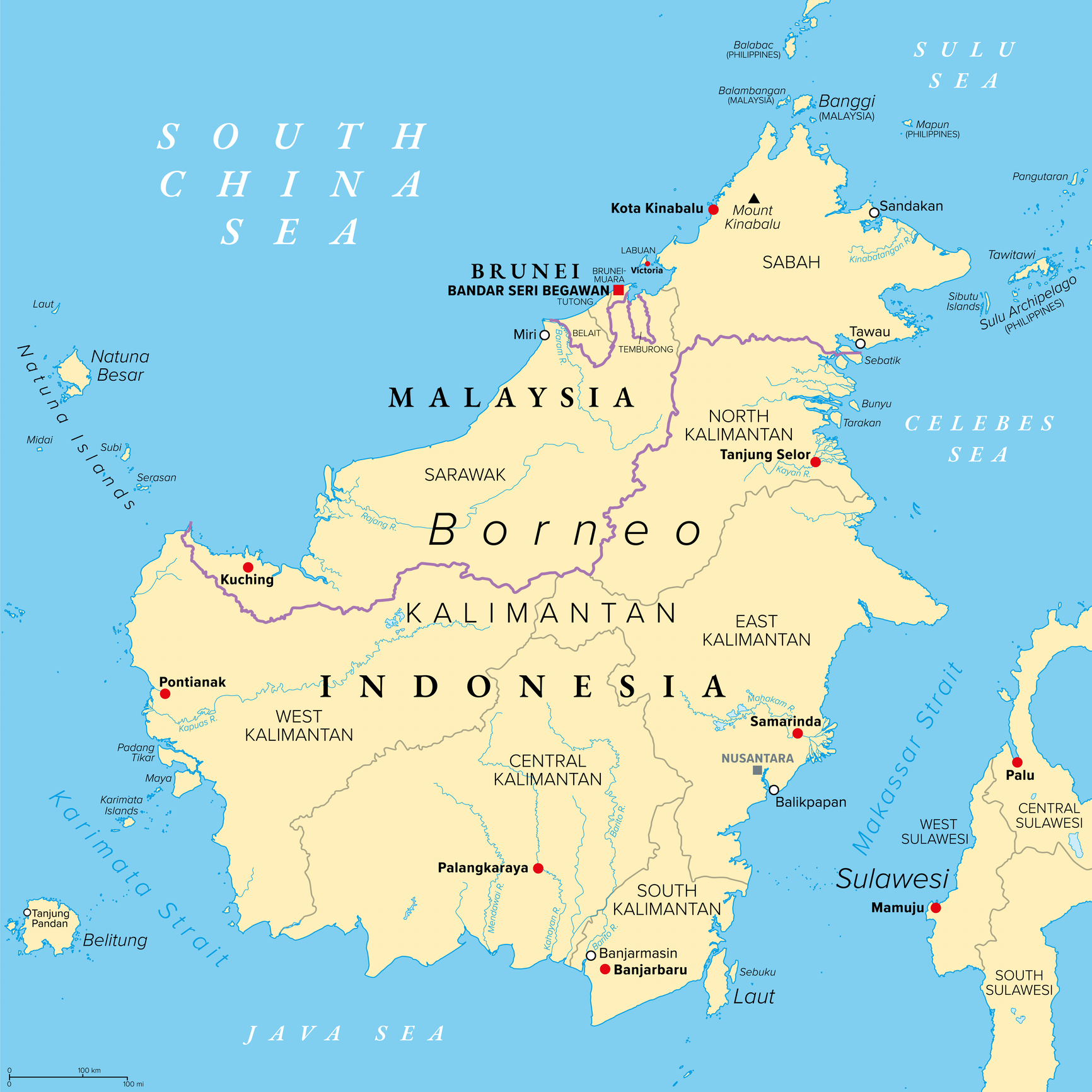
During the 1950s, the island of Borneo faced a major malaria outbreak. To protect the remote communities in Sarawak, the World Health Organisation (WHO) sprayed large amounts of a powerful insecticide known as DDT to kill malaria-carrying mosquitoes.
This was a commonly used method to tackle malaria at the time. Although it successfully lowered malaria rates, it triggered a devastating ecological domino effect.
DDT started to build up in the local food chain through a process called biomagnification. Wasps died, causing thatch-eating caterpillars to multiply and collapse village roofs. Even local cats succumbed to poisoning, either from eating contaminated lizards or licking DDT residue from their fur.
With the native cat population decimated, the rat population exploded, threatening crops and raising fears of typhus and the plague.
Enter Operation Cat Drop
To help restore the balance, the WHO partnered with the UK’s Royal Air Force (RAF) in 1960 for a unique rescue mission: Operation Cat Drop.
Dozens of cats were collected in Singapore, placed in specially designed wicker baskets attached to parachutes, and dropped from an RAF Beverley transport aircraft directly into the upland villages of Sarawak. It was, quite literally, raining cats over Borneo.
Separating fact from fiction
Over the decades, the story grew into a modern myth, making the exact numbers a subject of debate. Local news articles from the time initially mentioned a recruitment drive for "30 flying cats”, with a follow-up report noting a delivery of 23 cats.
As Internet debates over DDT intensified in the 2000s, online retellings inflated the number to an astounding 14,000 cats. Many skeptics dismissed the entire event as a hoax.
- It looks like a cat, acts like a cat, but don't be fooled – this is no cat. Discover Madagascar's agile, stealthy, ferocious apex predator
- How we domesticated the cat
While parachuting felines seems absurd today, and the details of Operation Cat Drop are confused, it still stands as a powerful cautionary tale. It illustrated the delicate balance of ecosystems and the unforeseen risks of chemical pest control that ultimately influenced environmental policy and the eventual global restrictions on DDT.
Plus, it wasn’t the first time animals were delivered via parachute. A similar method was used in 1948 as part of a relocation scheme for a horde of beavers after they wreaked havoc in Idaho – although it’s not a common method used today.
Top image: domestic cat (this individual was not part of Operation Cat Drop). Credit: Irina Nedikova/Getty Images
Discover more stories from around the world:


