
Although some animals out there are – like snakes – long and prefer slithering as their mode of locomotion, these two features are usually where the similarities end.
- From two penises to regrowing teeth and playing dead – discover 14 amazing snake facts you (probably) won't have heard before
- 7 weirdest lizards on the planet: These reptiles are so strange they could be from a sci-fi movie – except every one of them is 100% real
There’s a lot about snakes that make them stand out. For example, they have no eyelids and don’t blink. They also have no external ear openings, but they can hear with their jaw. They have nostrils, but don’t use them to smell – that’s a job for their long, forked tongue.
Most of the animals on this list could be mistaken for snakes due to their shape – but on closer inspection, it’d be pretty easy to figure out one is facing an entirely different creature.
Animals that look like snakes
Slow worm (Anguis fragilis)
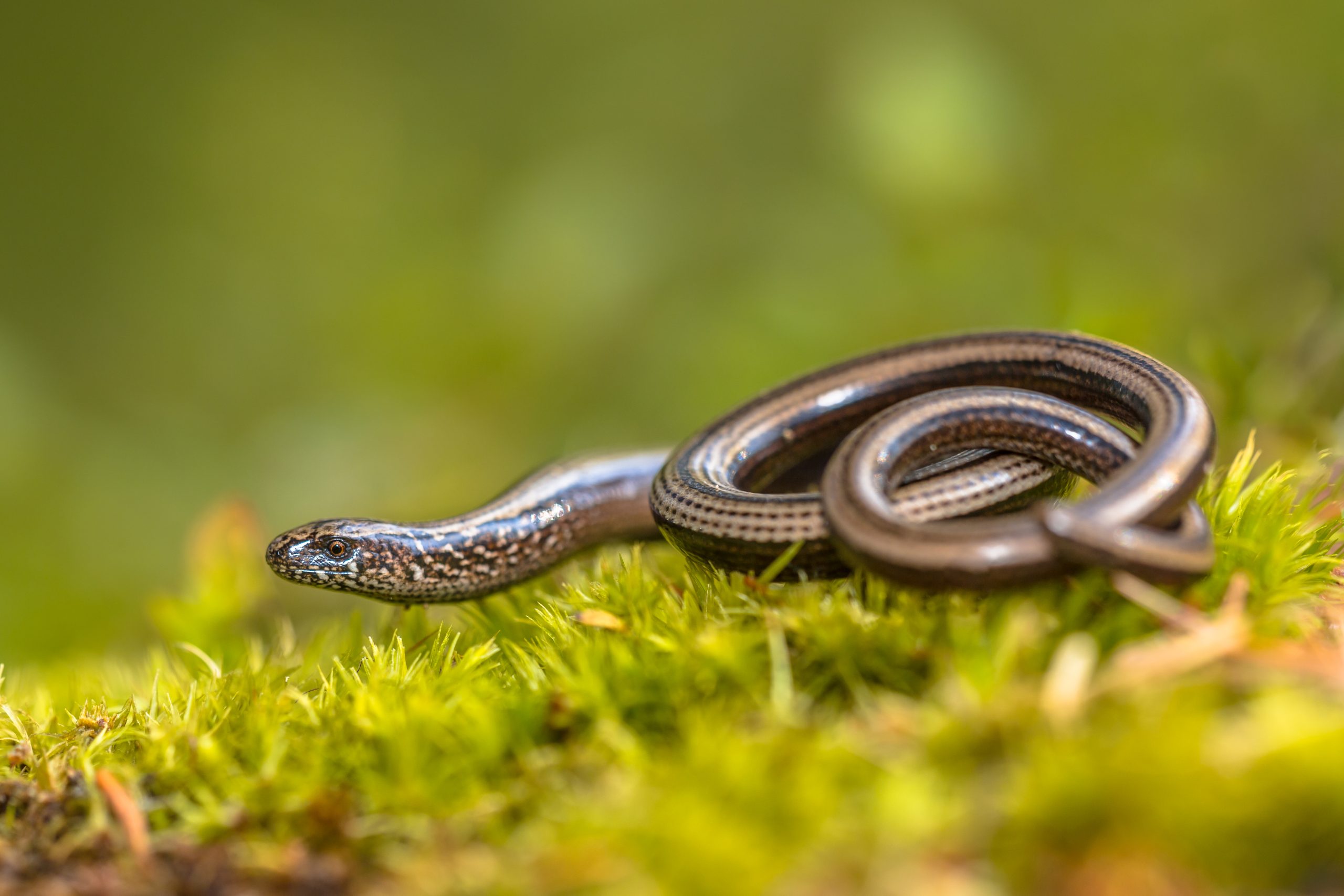
Don’t let the name (or appearance) fool you – a slow worm is not a worm or a snake but a legless lizard. Slow worms are only very distant cousins of snakes and belong to a different suborder, Anguinomorpha.
Found in most of Europe and just into western Asia, slow worms live in damp places in heathland and along the edges of woodland. With no visible neck and a tail growing straight out of the torso, they are usually between 40-45cm in length. Unlike snakes (who famously don’t blink), a slow worm has a flexible eyelid and blinks to keep its eyeball clean.
Both a snake and slow worm shed their skin – although snakes do it all at once, whereas slow worms drop little patches at a time.
Find out more:
- It looks like a snake and moves like a snake - but don't be fooled. This is no snake...
- What's the difference between snakes and slow worms?
Glass lizards (Ophinasaurus)
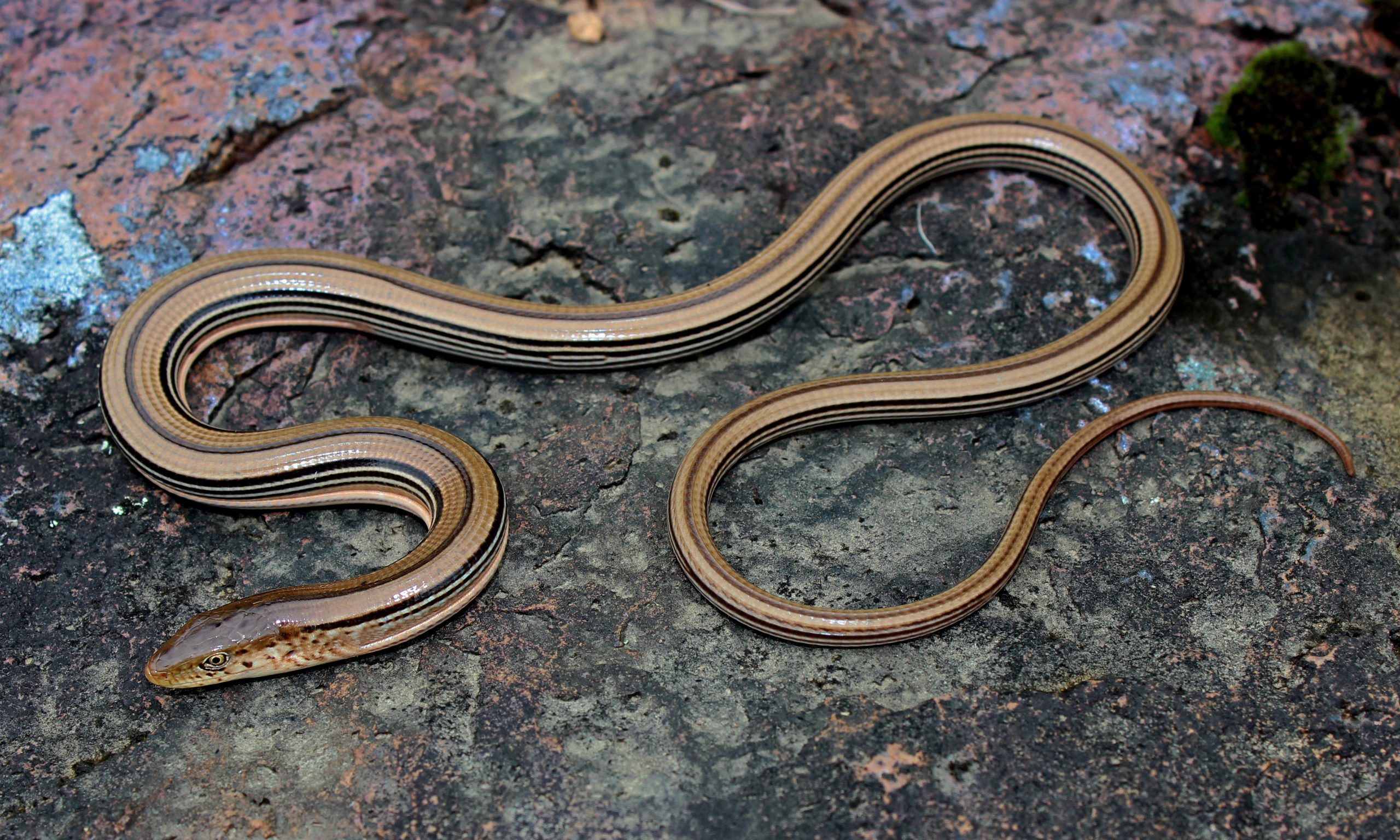
This genus of lizard contains two sister clades: one native to North America; the other to Asia. Glass lizards are snake-like legless lizards, so-named because their tails are easily broken. Like many lizards, they can drop part of their tail to escape predators, and the dropped part can break into several pieces, like glass.
Although most species of glass lizards have no legs, their head shape, movable eyelids and external ear openings distinguish them from snakes. A few species have very small, stub-like legs.
Eastern tiger swallowtail caterpillar (Papilio glaucus)
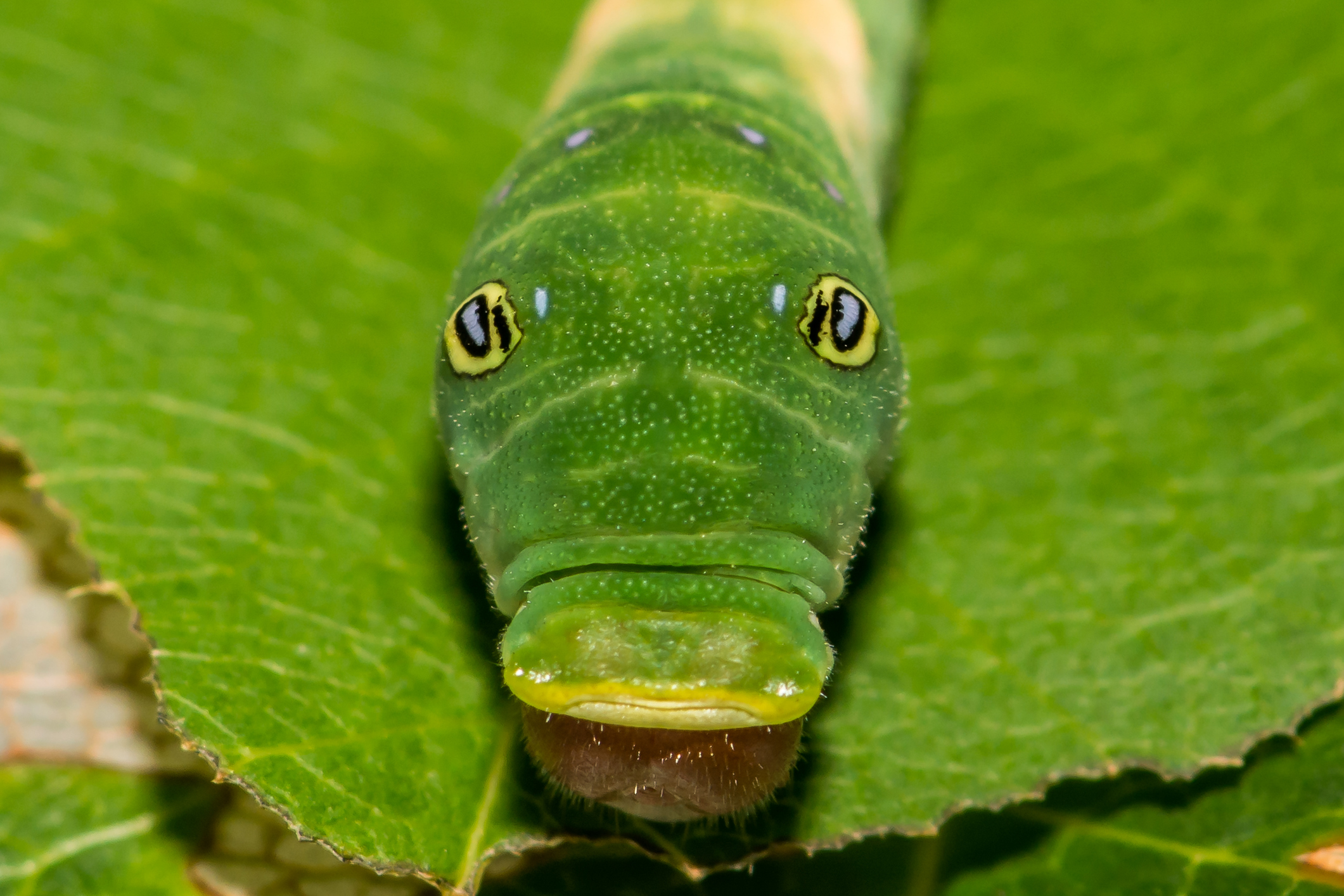
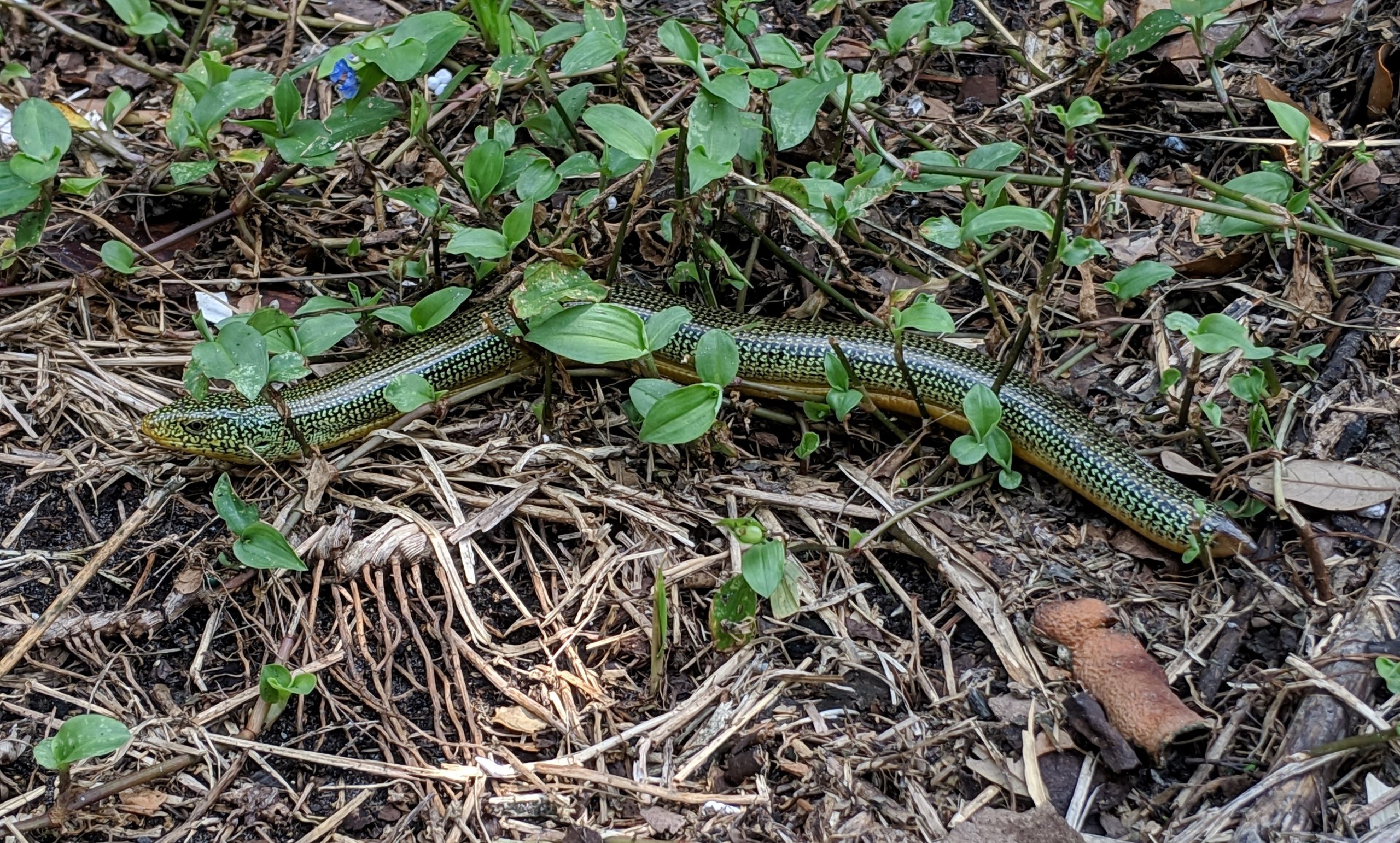
This otherwise defenceless caterpillar has developed a nifty disguise to trick predators. Although we wouldn’t blame you on mistaking it for a snake simply on account of its long, cylindrical body, it has more tricks up its sleeve.
As the eastern tiger swallowtail caterpillar matures, it develops false eyespots, resembling the head of a snake. It can also stick out a forked, smelly organ known as an osmeterium – which to most birds will look just like a snake’s tongue.
Find out more:
Snake eels (Ophichthidae)
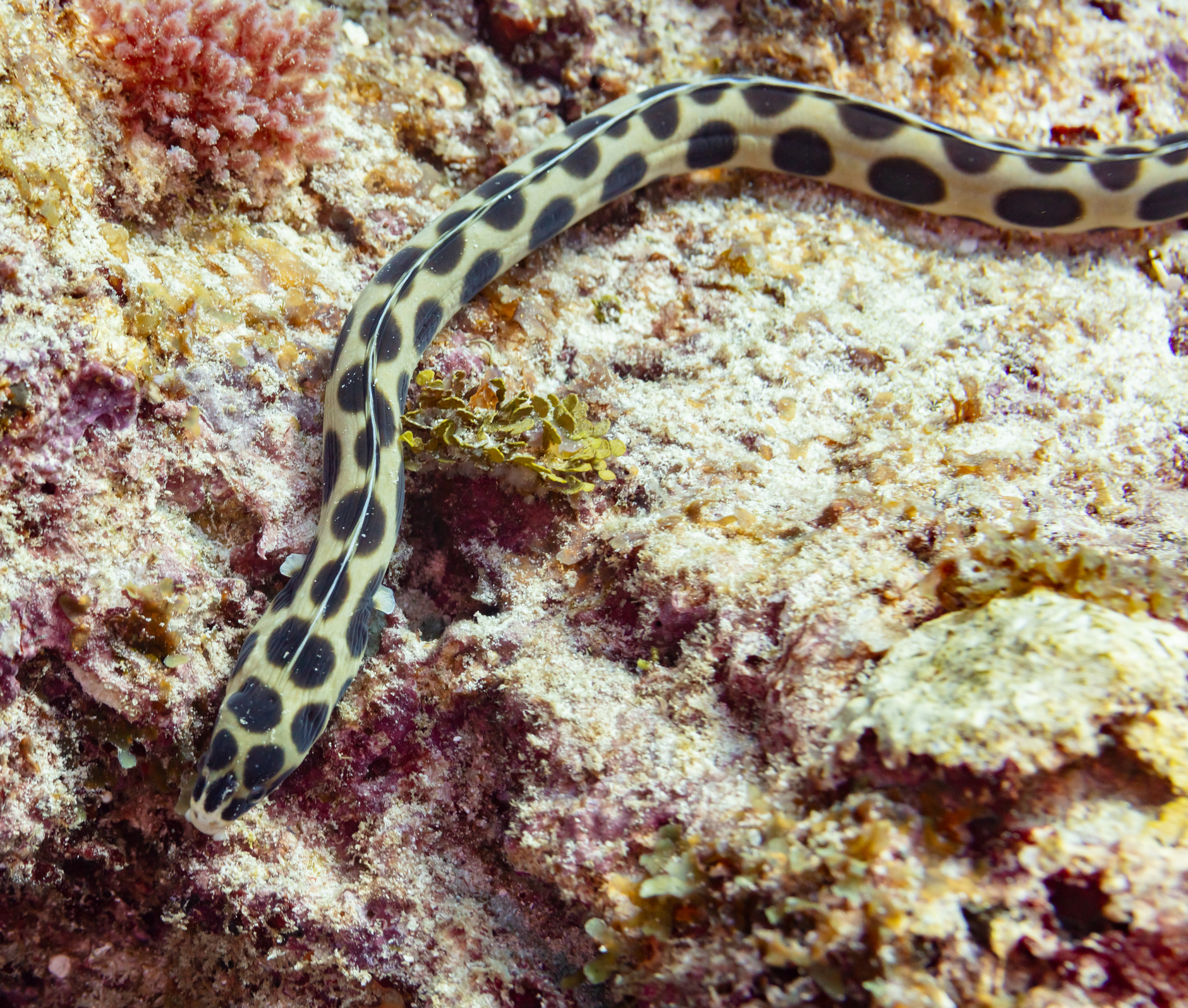
Usually burrowed in the sand with only its eyes and snout visible, snake eels are found worldwide in tropical to warm temperate waters, in a wide range of habitats, from coastal shallows and even rivers, to depths below 800m.
Most species have elongated bodies, relatively large eyes and small, sharp teeth – adaptations that help them hunt while remaining concealed beneath the sand.
Find out more:
Caecilians
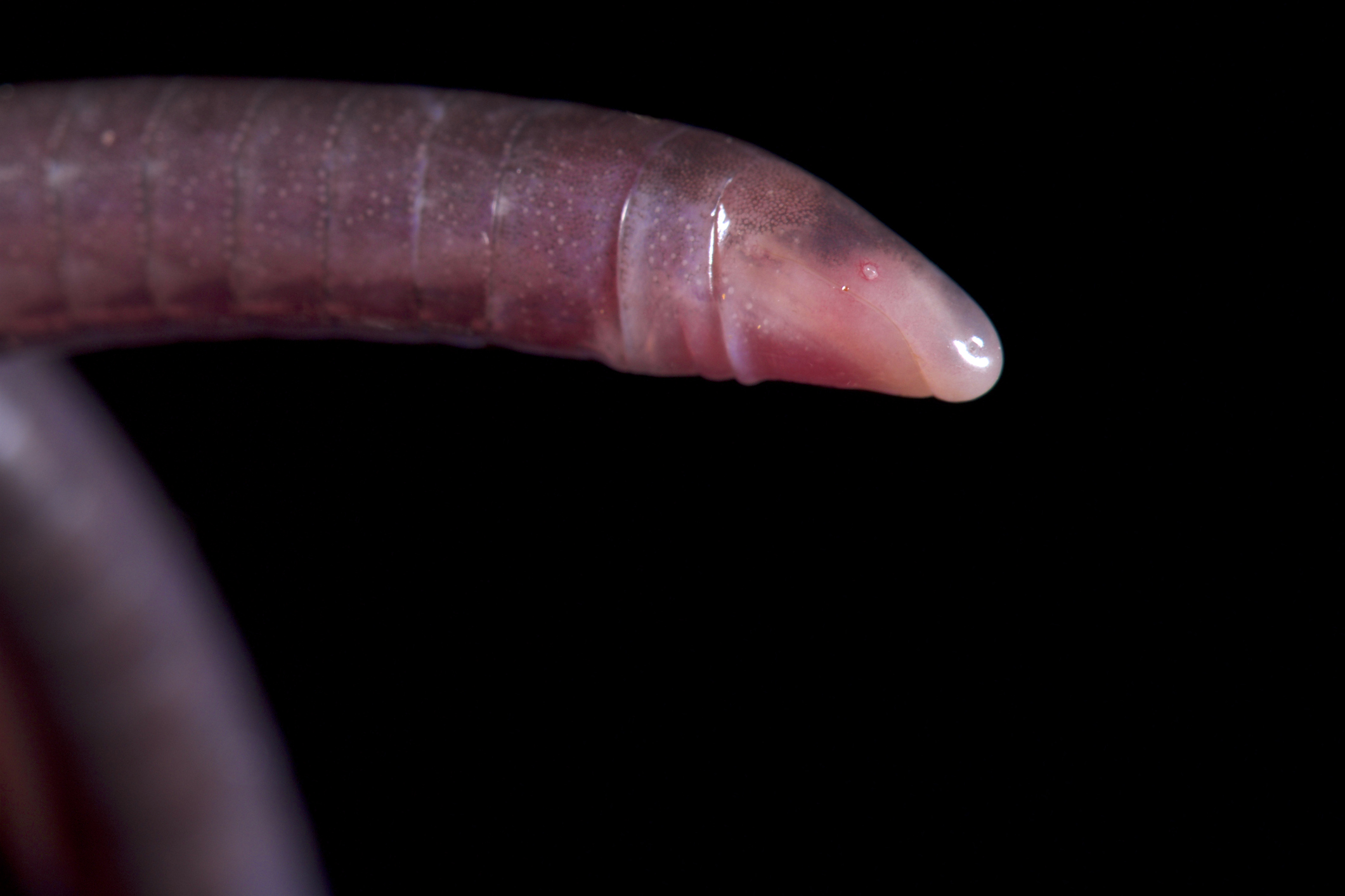
Perhaps the oddest snake-like animal on this list, caecilians are a weird gift that just keeps on giving. They have very little in common with other amphibians – they lack limbs, a few species don’t even have tails, and their eyes are barely there. In fact, the name caecilian translates from Latin to ‘blind one.’
Between those barely-there eyes and their nostrils, caecilians have a pair of tentacled organs which are thought to be used for tasting and sensing the environment around them.
A family of African caecilians, the Scolecomorphids, go one step further – they have their tentacles and eyes so closely positioned that when the tentacle is extended, their eyes move out of the socket and down the tentacle itself.
And if that wasn’t enough, caecilians also have jaws with several rows of jagged teeth and have been identified as the only amphibian to possess venom glands.
Find out more:
Giant African millipede (Archispirostreptus gigas)
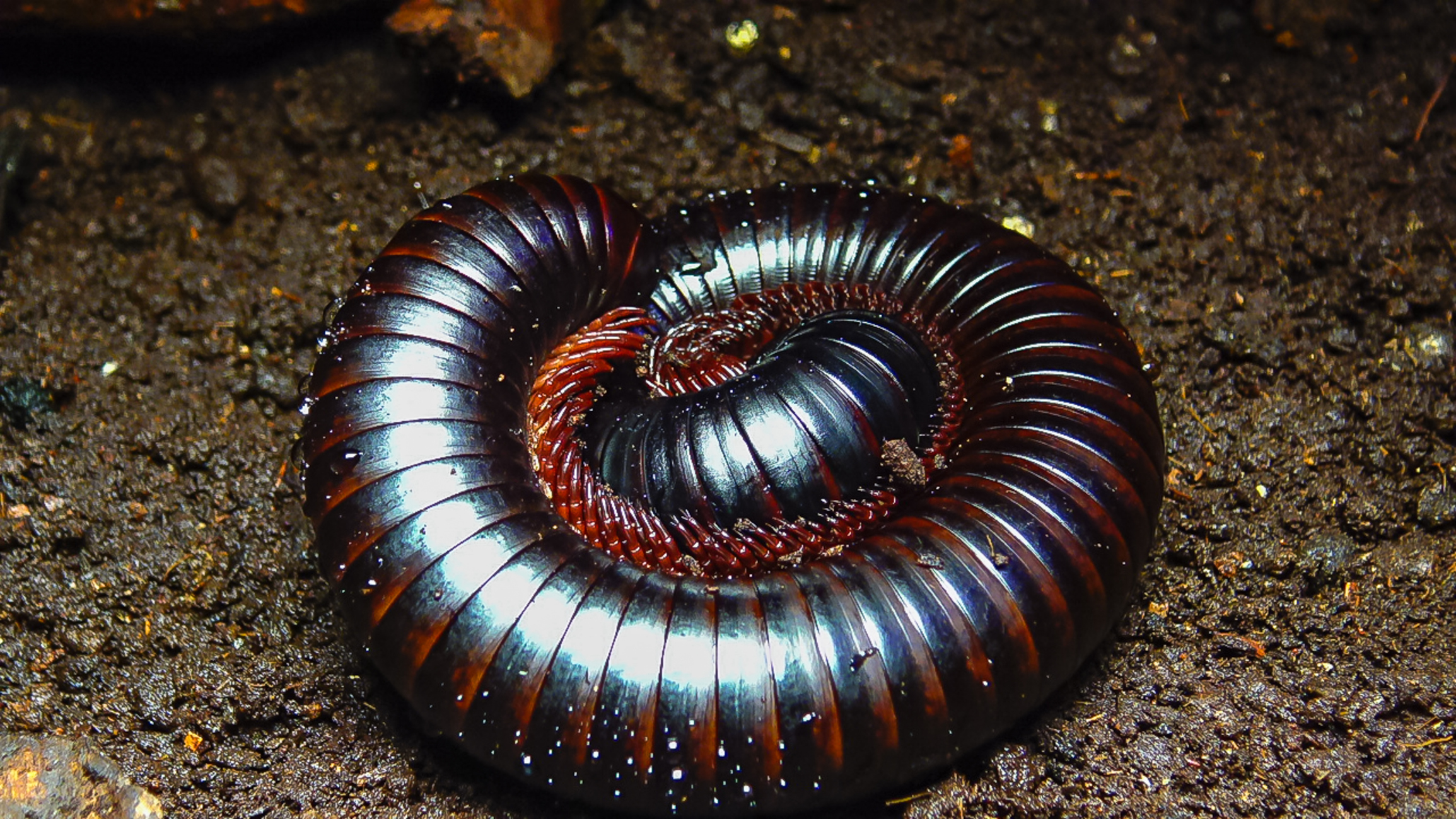
The giant African millipede is the largest extant species of millipede – it grows up to a whopping 33.5cm in length. It’s widespread in lowland parts of East Africa, from Mozambique to Kenya.
From above, it would be quite easy to mistake this millipede for a black, shiny snake, but you probably wouldn’t stay mistaken for long. With a closer look, the rows of its tiny legs (this species has approximately 256) are hard to miss.
Mexican mole lizard (Bipes biporus)
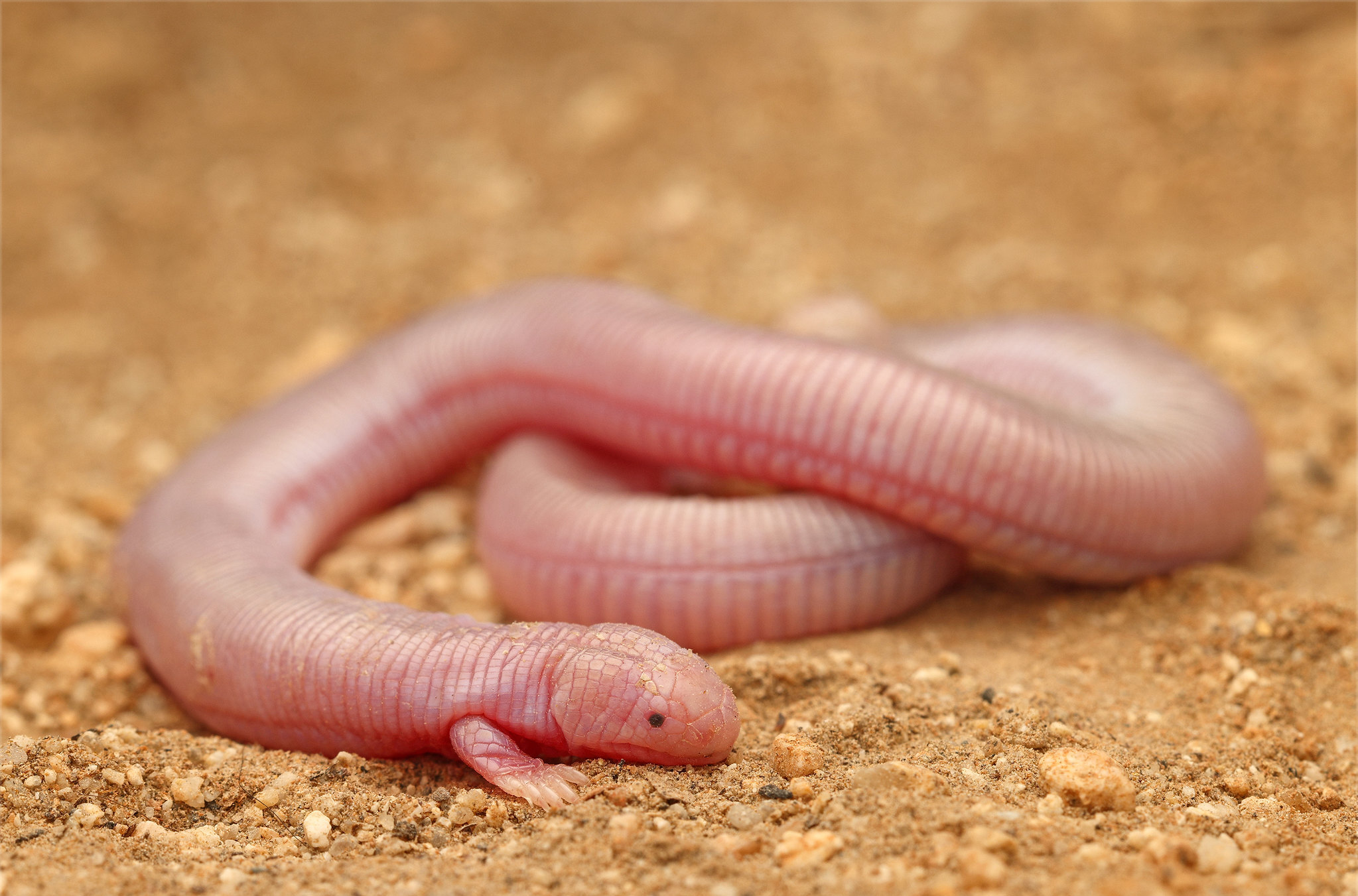
Also known as the five-toed worm lizard, this species is endemic to the Baja California Peninsula. It lives, for the most part, in a burrow system just below the surface and underneath objects.
With a smooth and flexible body and blunt, bony head, the Mexican mole lizard is a burrowing specialist, perfectly adapted to passage through the soil and burrow systems. Its two front limbs are quite noticeable, sticking out of its otherwise worm-like body – but when the animal is not using them to shovel soil and sand, they can fold flat and sit on its flanks.
In contrast, its rear limbs have vanished almost completely, save for vestigial bones that can only be seen on X-rays.
Find out more:
Western three-toed skink (Chalcides striatus)
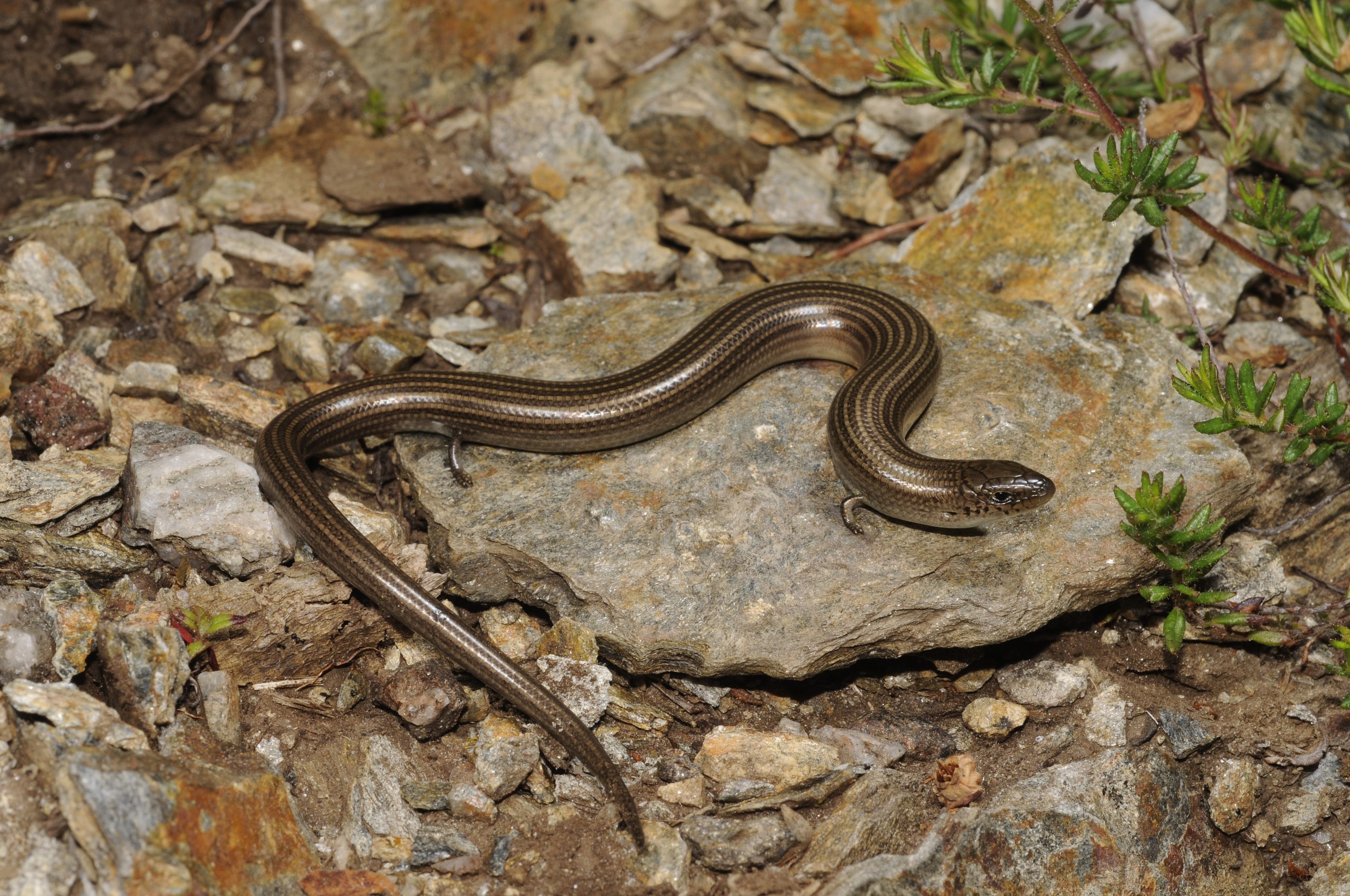
This species of lizard is very easily mistaken for a snake – until you notice the two pairs of tiny, three-toed limbs. Found in the Iberian Peninsula, southern France and parts of northwestern Italy, the western three-toed skink grows to a length of around 43cm.
The western three-toed skink can move slowly using its limbs but can go much faster by undulating its body from side to side in a snake-like fashion.
- It was a snake, but no ordinary snake. At a staggering 4m long this prehistoric monster was the largest venomous serpent to have ever lived
- Meet the animals brave enough to hunt and devour the world’s deadliest, most venomous snakes
Top image: Western three toed skink (Chalcides striatus). Credit: Benny Trapp, CC BY 3.0, via Wikimedia Commons


