
The Larsen Ice Shelf may have once been part of a massive landmass connected to Antarctica, but for the last 10,000 years or so, it has existed as a long ice shelf in the Weddell Sea.
But in 2002, scientists witnessed one of the largest and most significant ice shelf collapses of all time, when an area roughly the size of Luxembourg broke apart at shocking speed.
We revisit this unprecedented event and find out why and how this momentous ice shelf collapse occurred.
What is the Larsen Ice Shelf?
The Larsen Ice Shelf is a long ice shelf in western Antarctica, in the northwest part of the Weddell Sea.
The ice shelf is named after Captain Carl Anton Larsen, the master of the Norwegian whaling vessel, Jason, which sailed along the ice front in 1893.
It is divided into a series of shelves, known as Larsen A (the smallest), Larsen B, Larsen C (the largest), and Larsen D, E, F and G, which are significantly smaller.
What was the Larsen B Ice Shelf collapse?
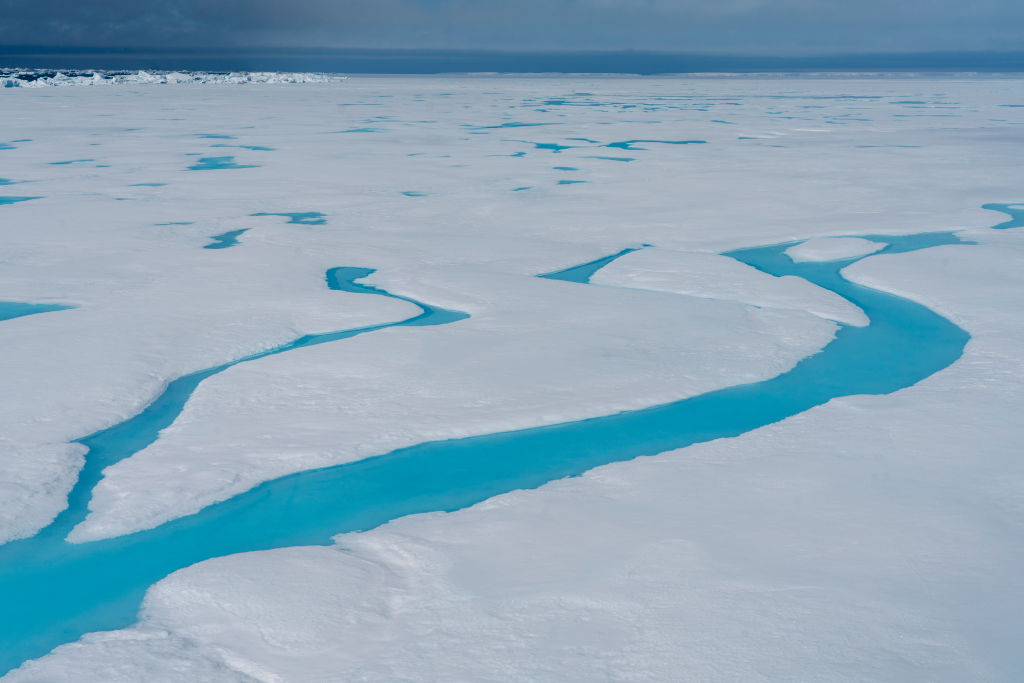
In March 2002, the Larsen B ice shelf collapsed, splitting apart over the course of just 35 days. Before this, Larsen B had been stable for at least 10,000 years.
The area which collapsed and broke off was around 3,250 square kilometres – an area considerably larger than Luxembourg.
Why did the Larsen B Ice Shelf collapse?
The area has been cited as a hotspot for the ramifications of global warming. It is believed that ponds of melted water formed on the surface during the near 24 hours of daylight in the summer. These then flowed into the cracks of the shelf and pushed it apart.
Warm ocean temperatures in the Weddell Sea would have also sped up the process, causing a thinning of ice on the underside of the shelf. Strong winds and waves may have also contributed to the speed with which the shelf collapsed, shaking up the ice.
Have there been any further collapses of this ice shelf?
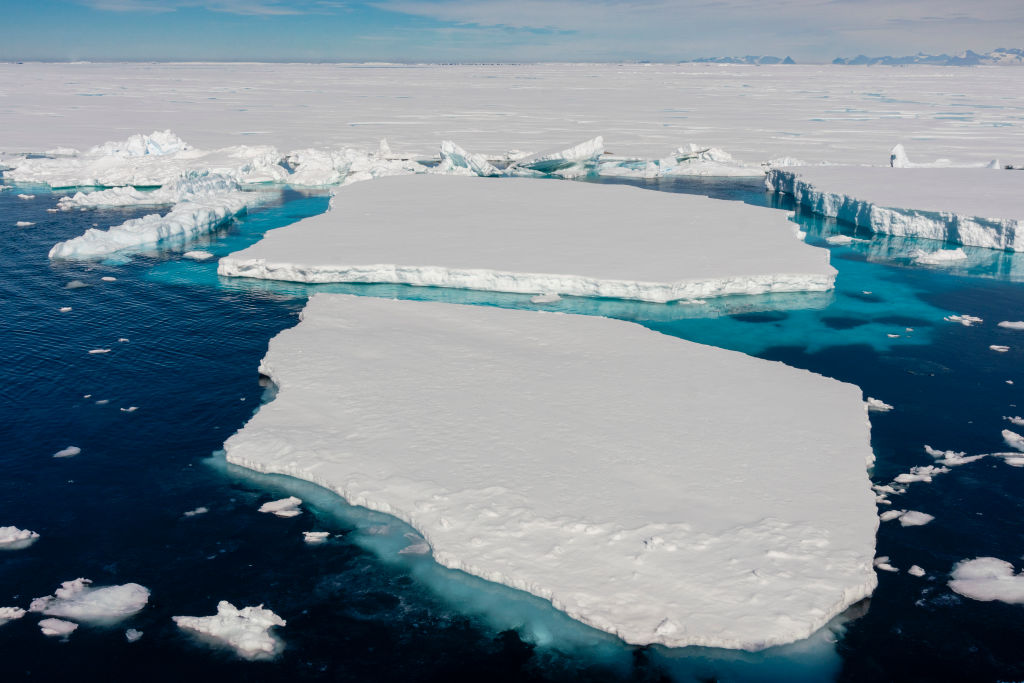
Although the 2002 collapse of Larsen B was the most notable, a large section of Larsen C also broke away in July 2017. This section formed an iceberg now known as A-68.
There was also another preceding collapse of the Larsen Ice Shelf in 1995, when about 1,500 square kilometres of ice were lost from Larsen A.
Before its collapse, it had a surface area of more than 3,200 square kilometres.
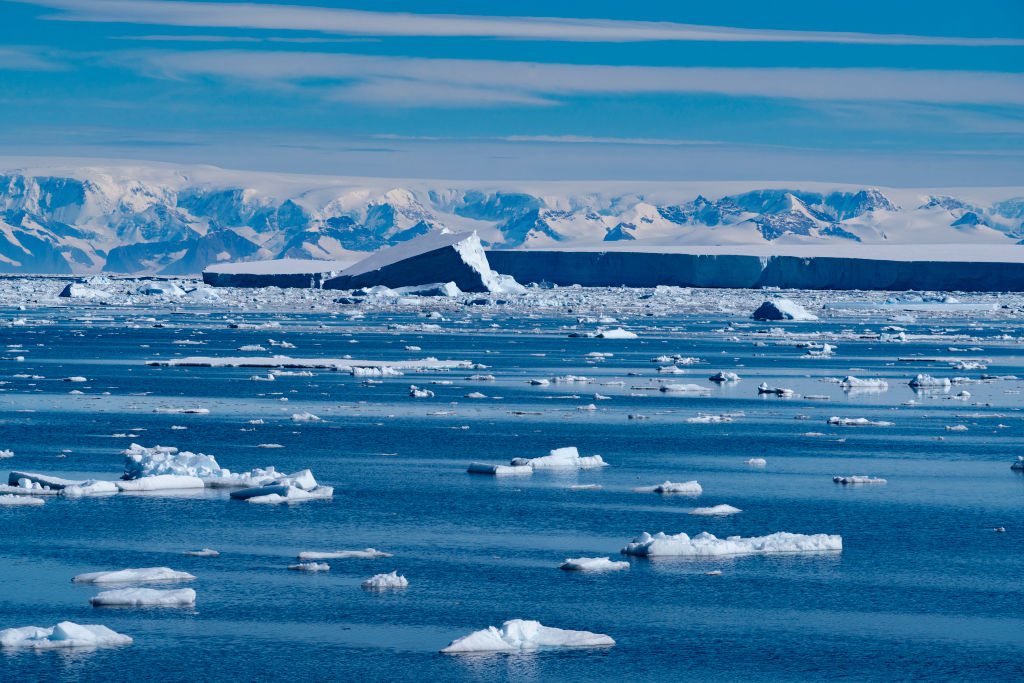
How big was the ice shelf – and how big is it now?
The entire ice shelf originally covered an area of 85,000 square kilometres (33,000 square miles), but following a series of collapses it now covers an area of 67,000 square kilometres (26,000 miles).
- Are there any plants in Antarctica? Discover the flora thriving in the cold, inhospitable wilderness
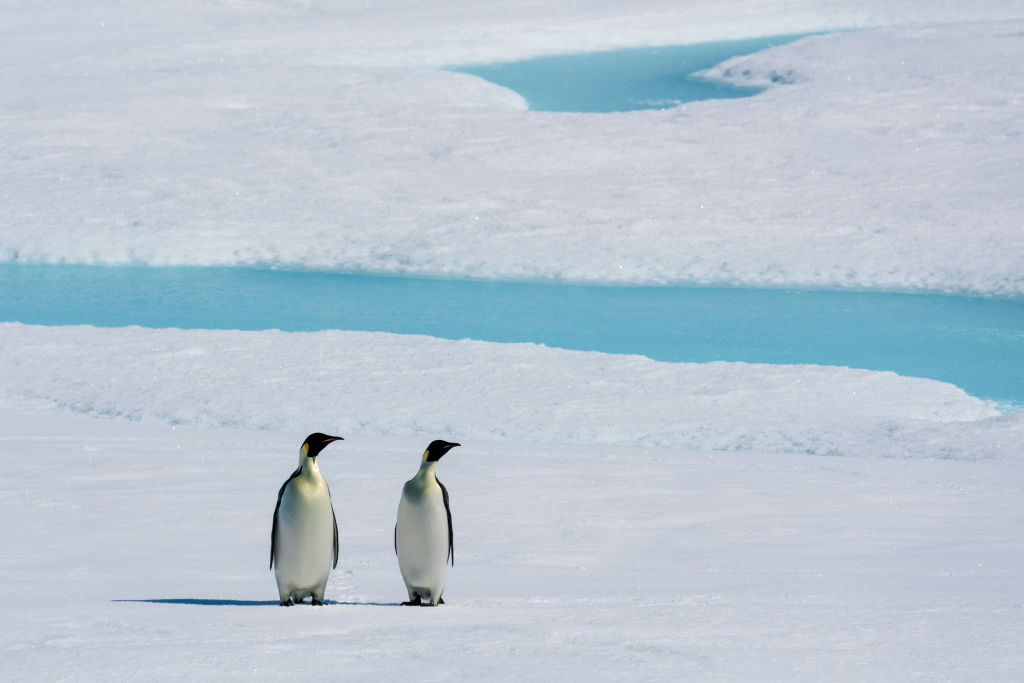
Top image: Emperor penguins on Larsen B Ice Shelf, Weddell Sea, Antarctica. Credit: Sergio Pitamitz/VW Pics/Universal Images Group/Getty Images


