
When space missions set off to explore the cosmos, the whole world watches – entranced by the human desire to know the unknown. However, Earth has its own share of breathtaking and otherworldly landscapes, just waiting to be explored.
- “It survives microwaving and temperatures up to 150ºC and as low as -273ºC.” These 7 biologically bizarre animals are so weird they could be aliens
- Mice, dogs, primates... 10 animals that have been to space: Discover the incredible, tragic creatures that paved the way for human exploration
12 places on Earth that look like other planets
Danakil Depression
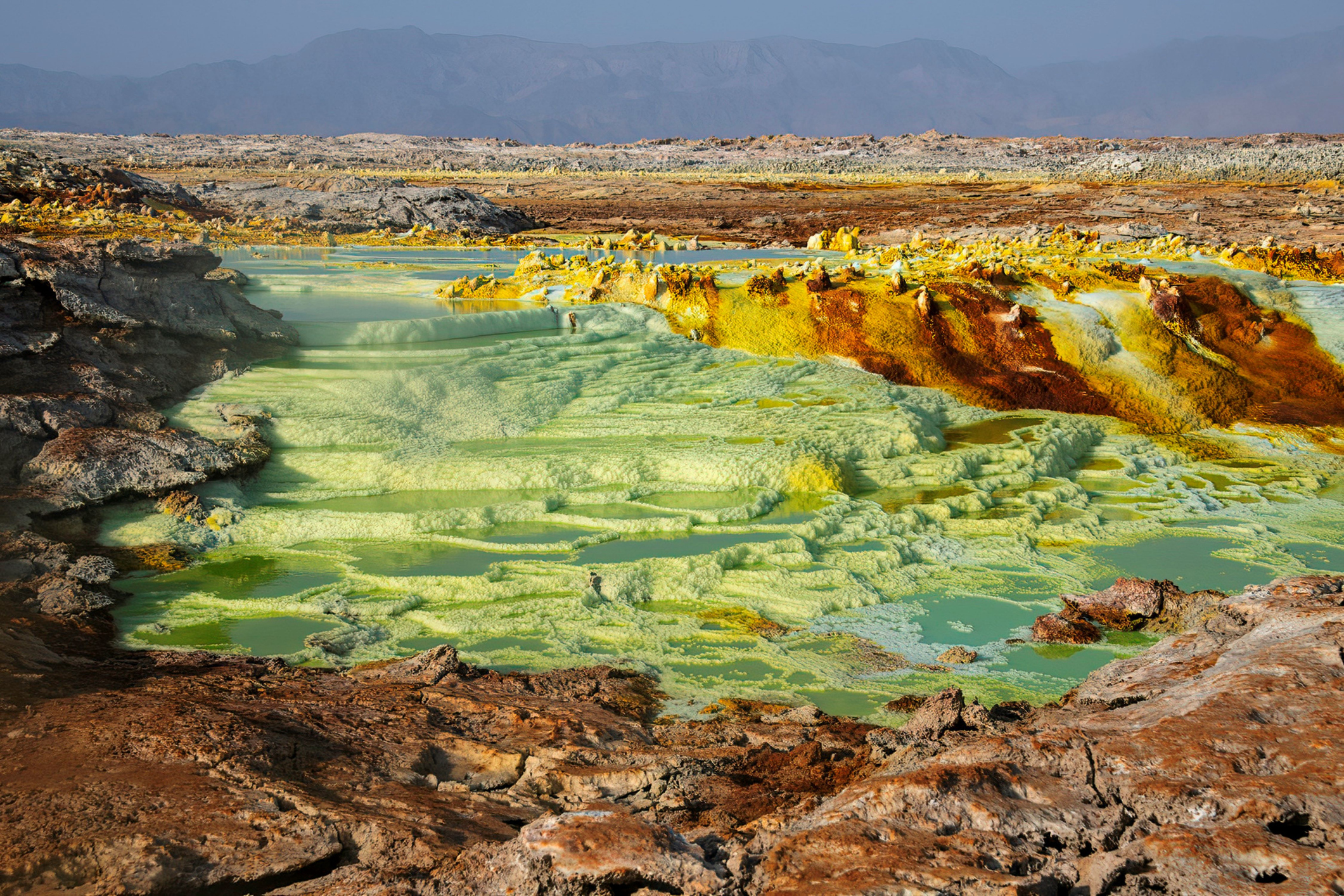
The Danakil Depression is painted in greens, yellows, oranges and glossy whites – a truly magical landscape that looks like something dreamed up by a sci-fi writer. But it’s real and is one of the most inhospitable and alien places on our planet, often referred to as the ‘gateway to hell’.
Located in northern Ethiopia, close to the border of Eritrea, parts of Danakil lie more than 100 metres below sea level. The extraordinary look of this landscape is due to three tectonic plates pulling apart, exposing the ‘guts of the Earth’ in the shape of magma pools and boiling and bubbling geysers.
Rio Tinto, Spain
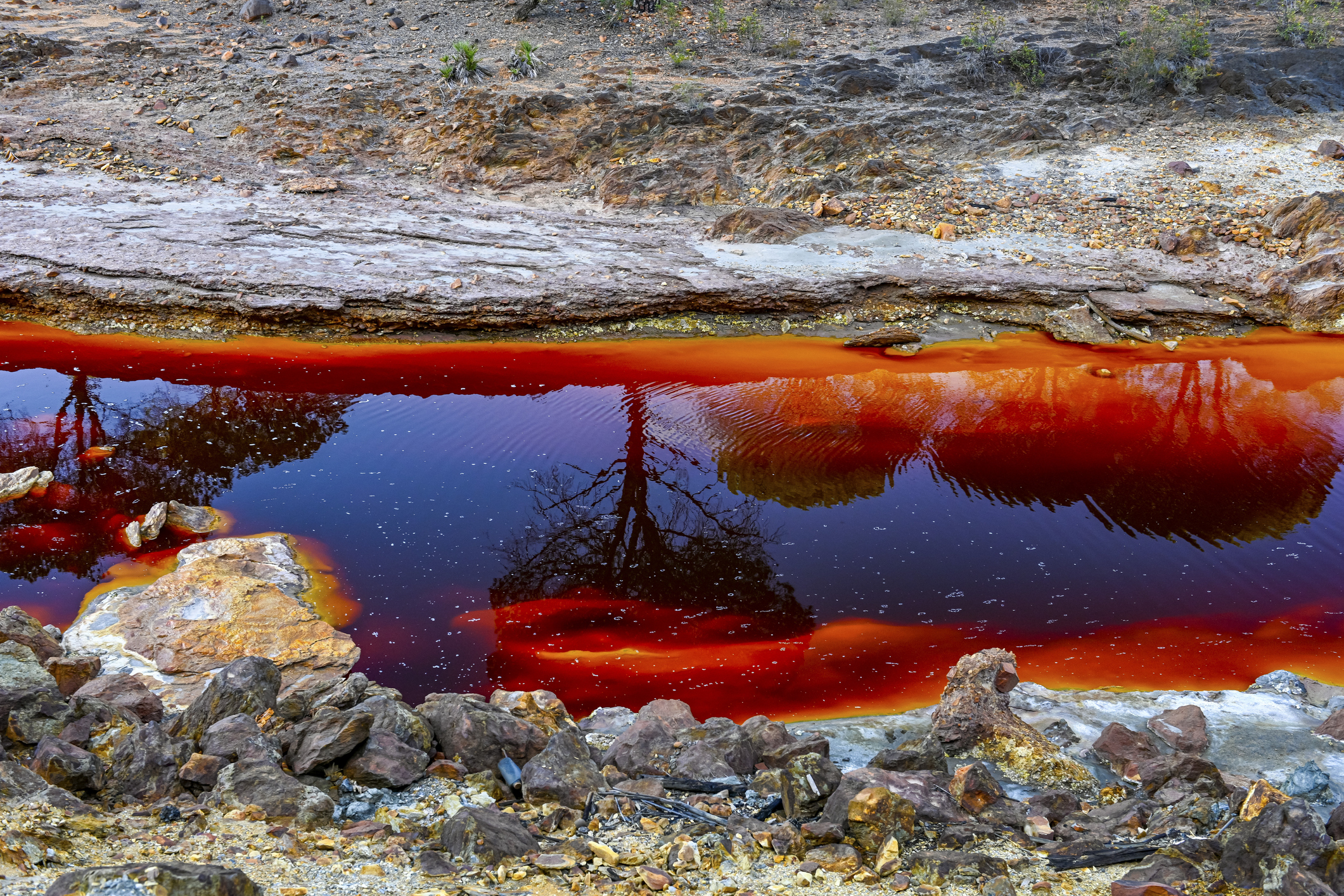
Also known as the red river, Rio Tinto is a toxic river in southwestern Spain. It’s approximately 100 kilometres (62 miles) but doesn’t maintain its red and orange colouring for its full length – after 50 kilometres, the unique chemistry subsides, eventually blending with other streams flowing into the Atlantic.
The river owes its highly acidic make up (and unusual hue) to thousands of years of ore mining in the area, including copper, silver, gold and other minerals. This harsh environment doesn’t support much life, apart from some bacteria, algae and heterotrophs.
Socotra Island
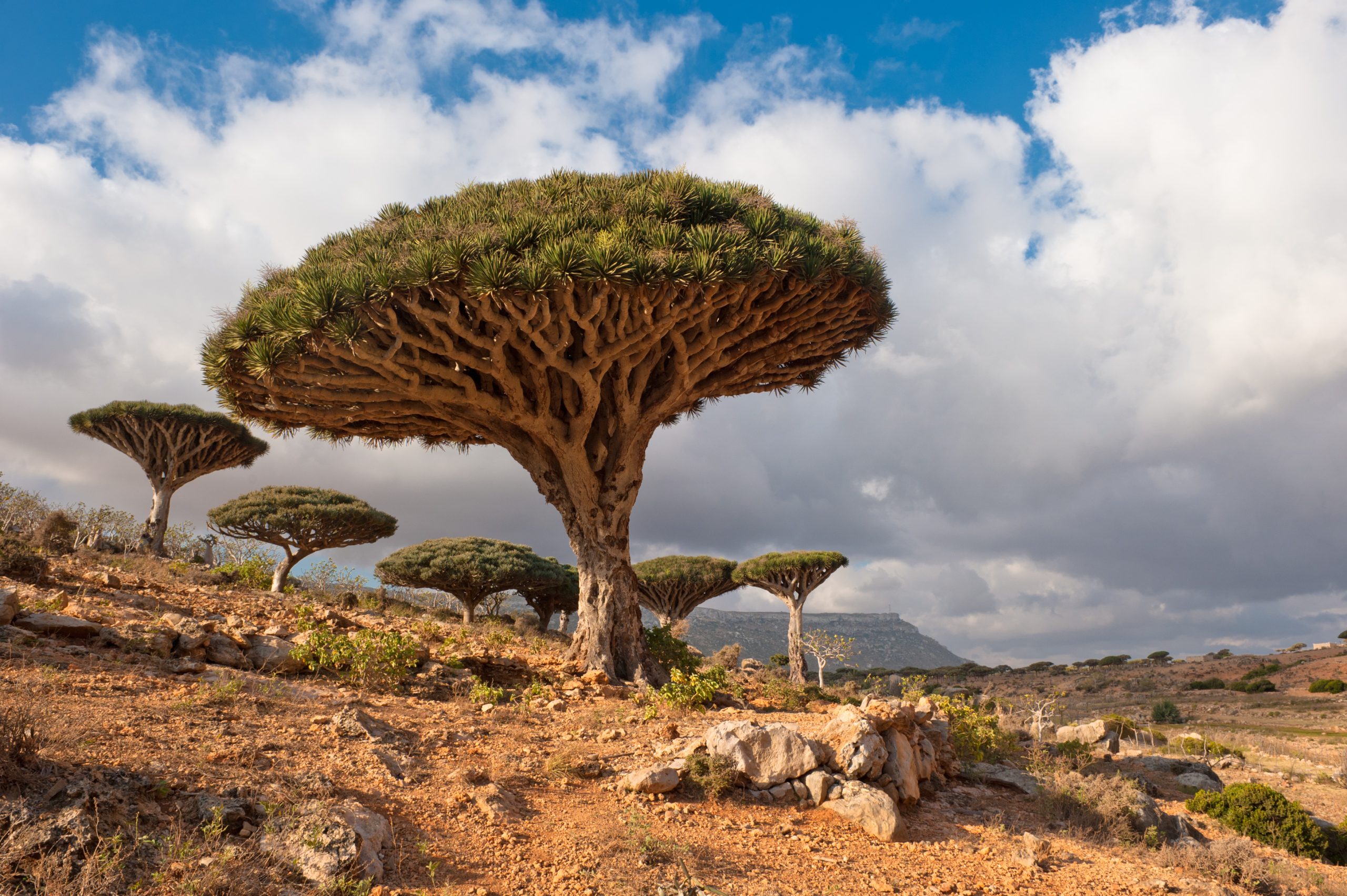
This Yemeni island, located in the Indian Ocean, has been described as “the most alien-looking place on Earth” – and for good reason, with the unusual Dragon’s Blood trees dominating the landscape. Socotra is known for its exceptional level of endemism, with 37 per cent of its plant species, 90 per cent of reptile species, and 95 per cent of land snail species found nowhere else on Earth.
- Deadly snakes, spinning islands and swimming pigs: The 6 weirdest islands on the planet
- Snake Island, Anthrax Island and beyond: 9 deadly Islands you'd be a fool to visit...
Socotra separated from mainland Africa approximately six million years ago, making it one of the most isolated landforms of continental origin on Earth.
Salar de Uyuni, Bolivia
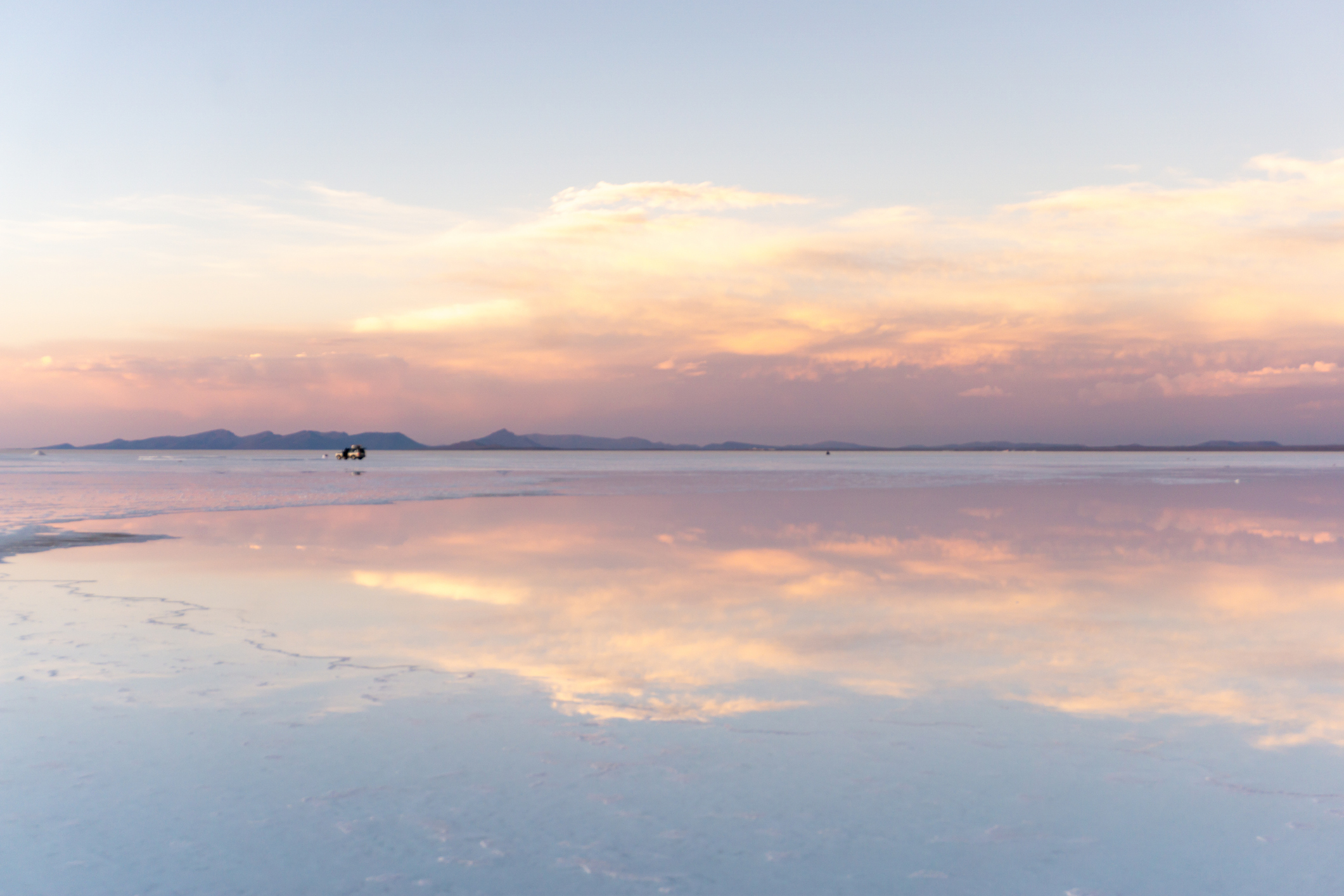
This is the world’s largest salt flat at a whopping 10,582 square kilometres – and during the brief rainy season in February, it becomes the world’s largest natural mirror. When a thin layer of water covers the salt, a reflective surface forms, making sky and ground look one and the same.
Bentonite Hills, Utah, USA
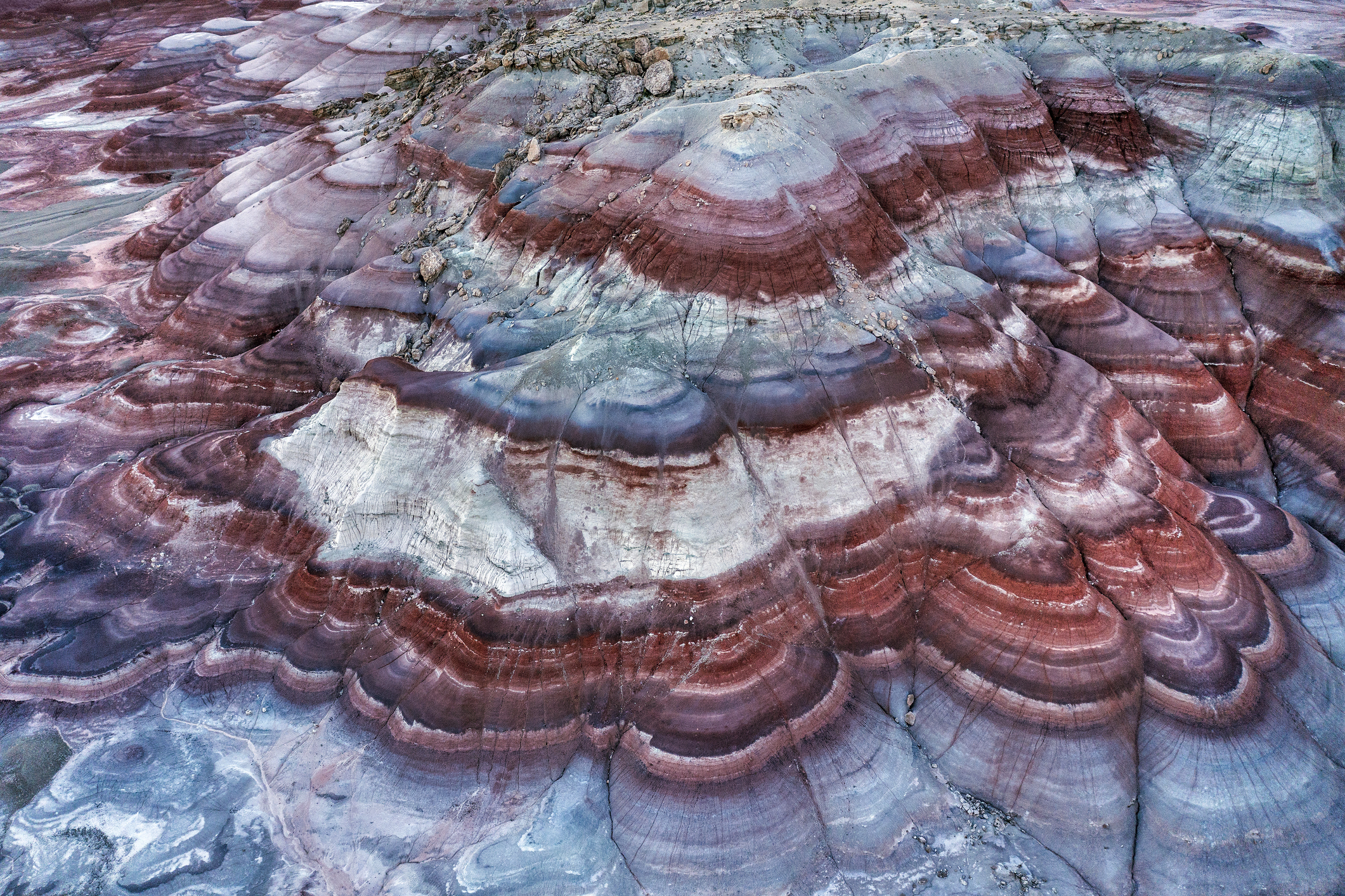
The landscape here is so alien-like, it’s home to the Mars Desert Research Station – a research centre that simulates what life on Mars might look like.
These rock formations are made of colourful clay, ranging from red and orange hues to shades of blue and purple, due to all the different minerals within the layers of clay. They were formed by volcanic activity over millions of years.
Caño Cristales, Colombia
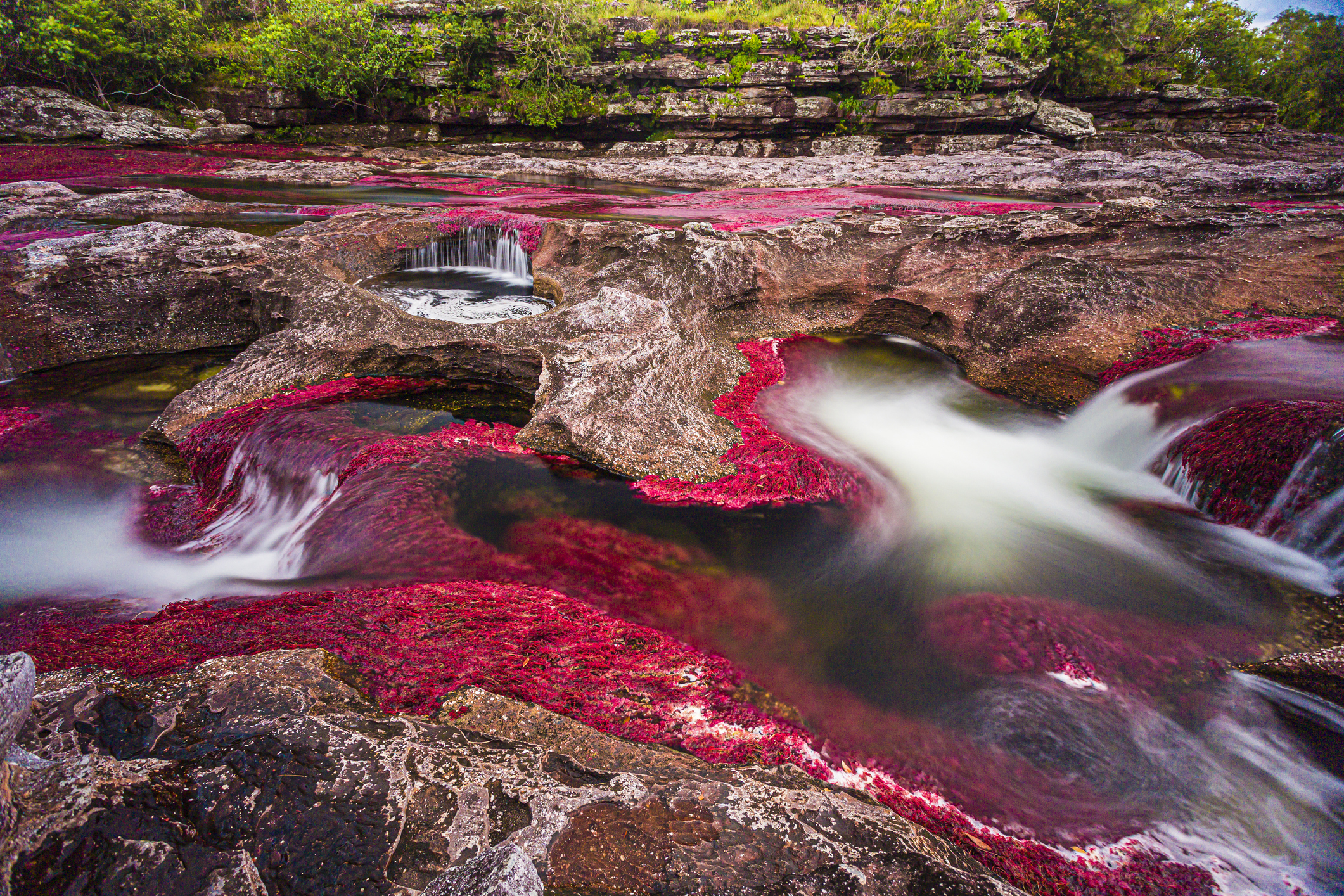
Hidden in the Sierra de la Macarena mountain range in Colombia, this river looks quite ordinary for part of the year – but in June, it becomes a whirl of different hues of red, green, blue, yellow and black.
This is thanks to a combination of algae, mineral deposits and the rare endemic plant Macarenia clavigera. It grows in a few other tropical climates of the world, but nowhere else does it create such a spectacular sight.
Marble Cathedral, Chile
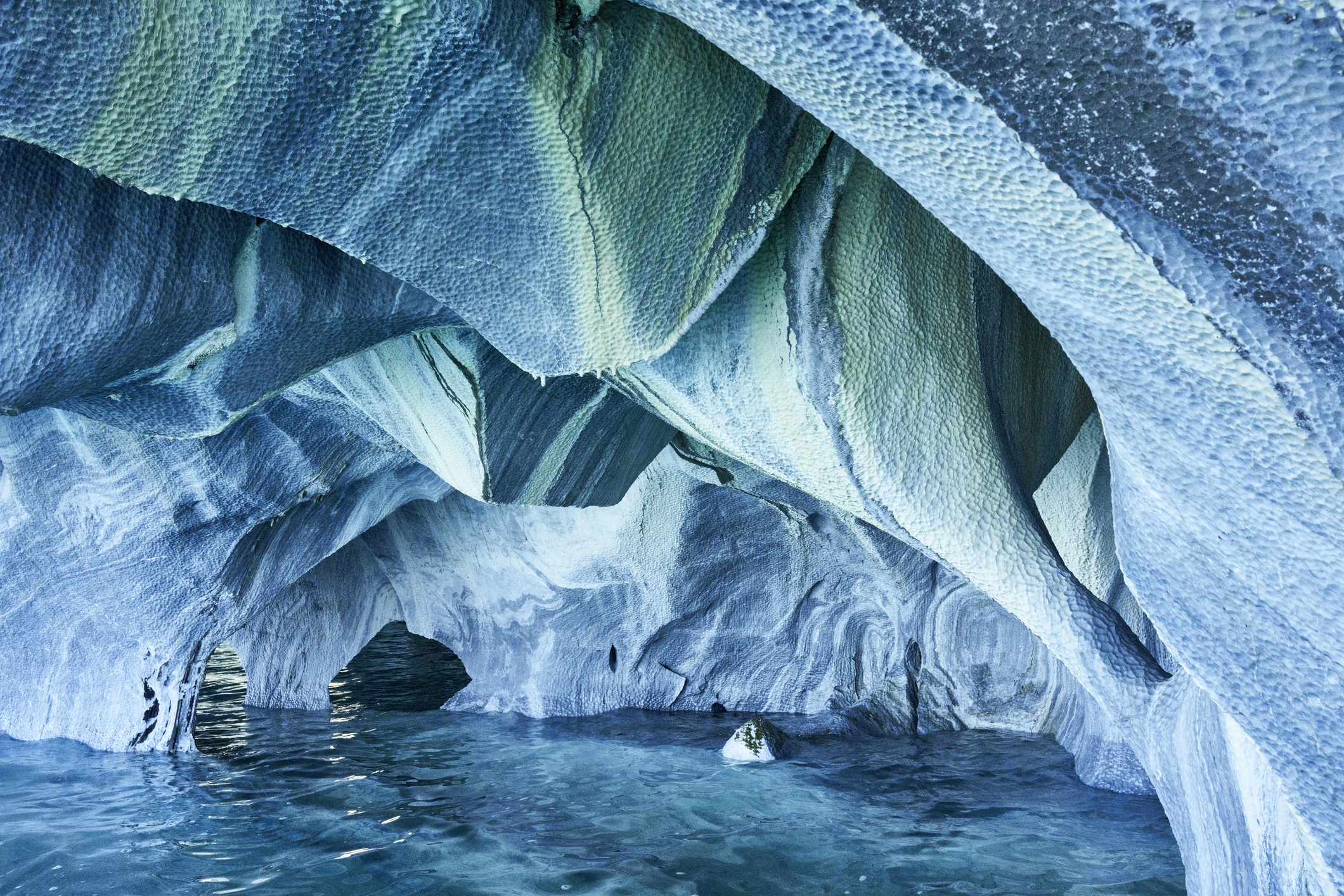
Located on the General Carrera Lake in Chile, a group of rock formations complete with sculpted pillars, arched ceilings and ornate walls rises from the turquoise waters.
This landscape started to form over 12,000 years ago, sculpted by water, wind and ice. Today, the set of caves is painted in shades of blue, white and grey, offering views straight from a story set on another planet.
Valle de la Luna, Chile
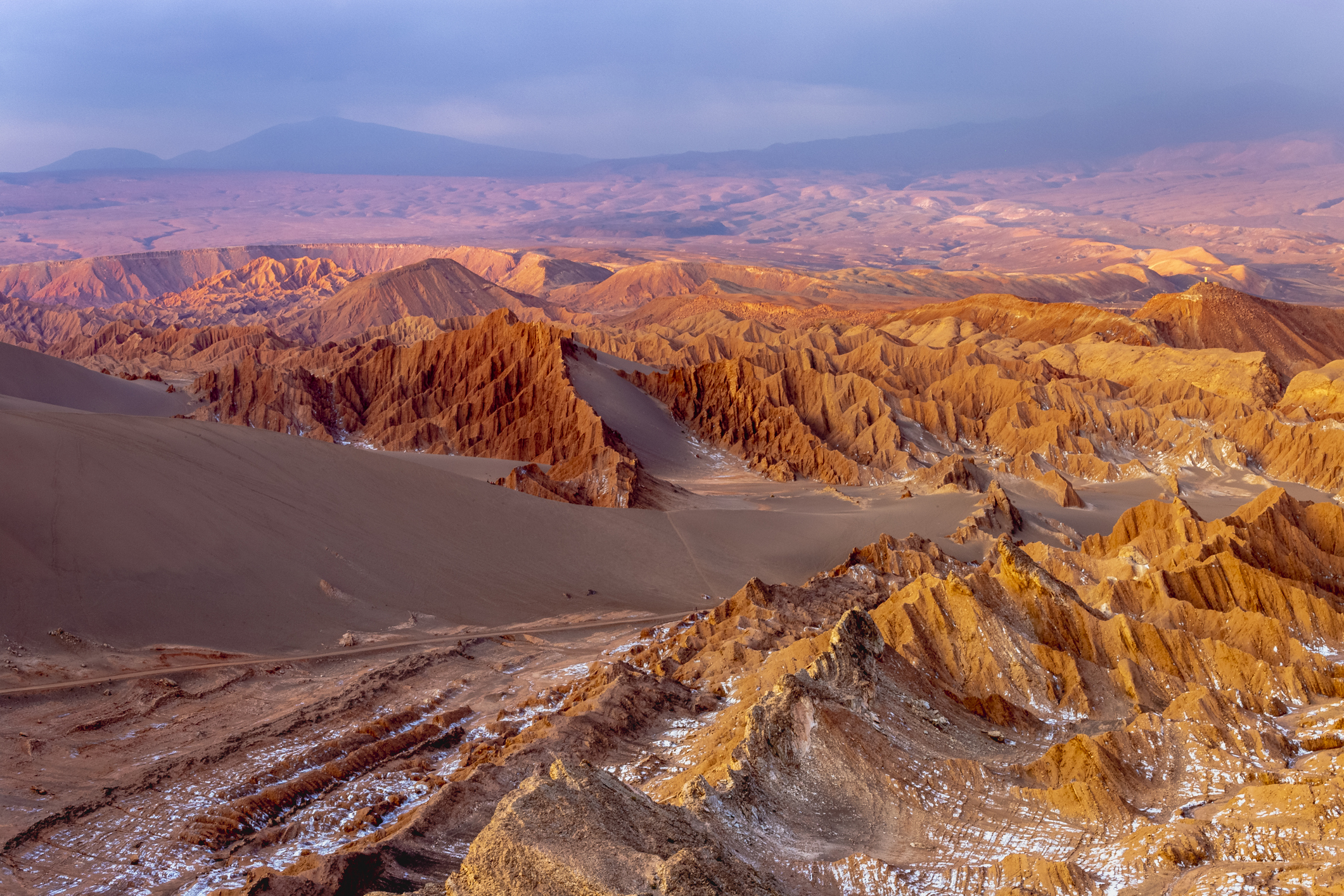
As the name suggests, the landscape of the Valley of the Moon somewhat resembles that of the moon – with stone and sand formations carved by wind and water, dry lakes, and saline outcrops that appear human-made.
Lake Natron, Tanzania
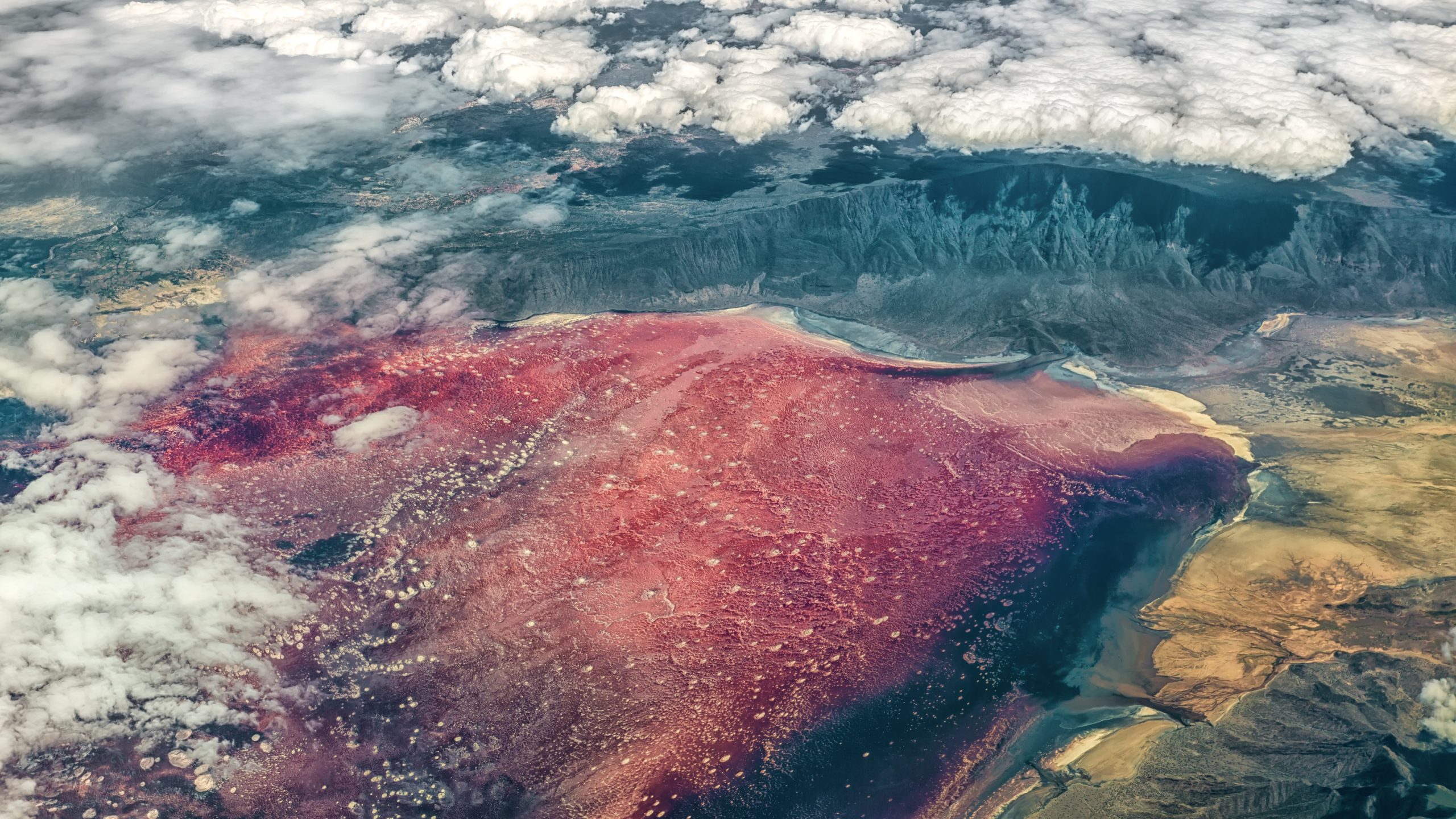
Sometimes called the “Medusa of the natural world”, this lake not only looks striking with its red and pink hues – it’s also quite deadly. This is the world’s most caustic body of water, according to NASA, and derives its colour from salt-loving microorganisms that live in its waters.
Depending on rainfall, the alkalinity of Lake Natron can approach that of straight ammonia, and when it’s flooded with heated water from underground, its temperature can reach 60 degrees Celsius.
- 10 deadliest lakes in the world, from a highly-lethal exploding one to a lake that turns animals to stone
- "One day it’s there. The next it’s gone. Then it’s back again." 11 weirdest, bizarrest lakes on the planet – including one that contains a fluid that's not water...
Lake Khiluk/Spotted Lake, British Columbia, Canada
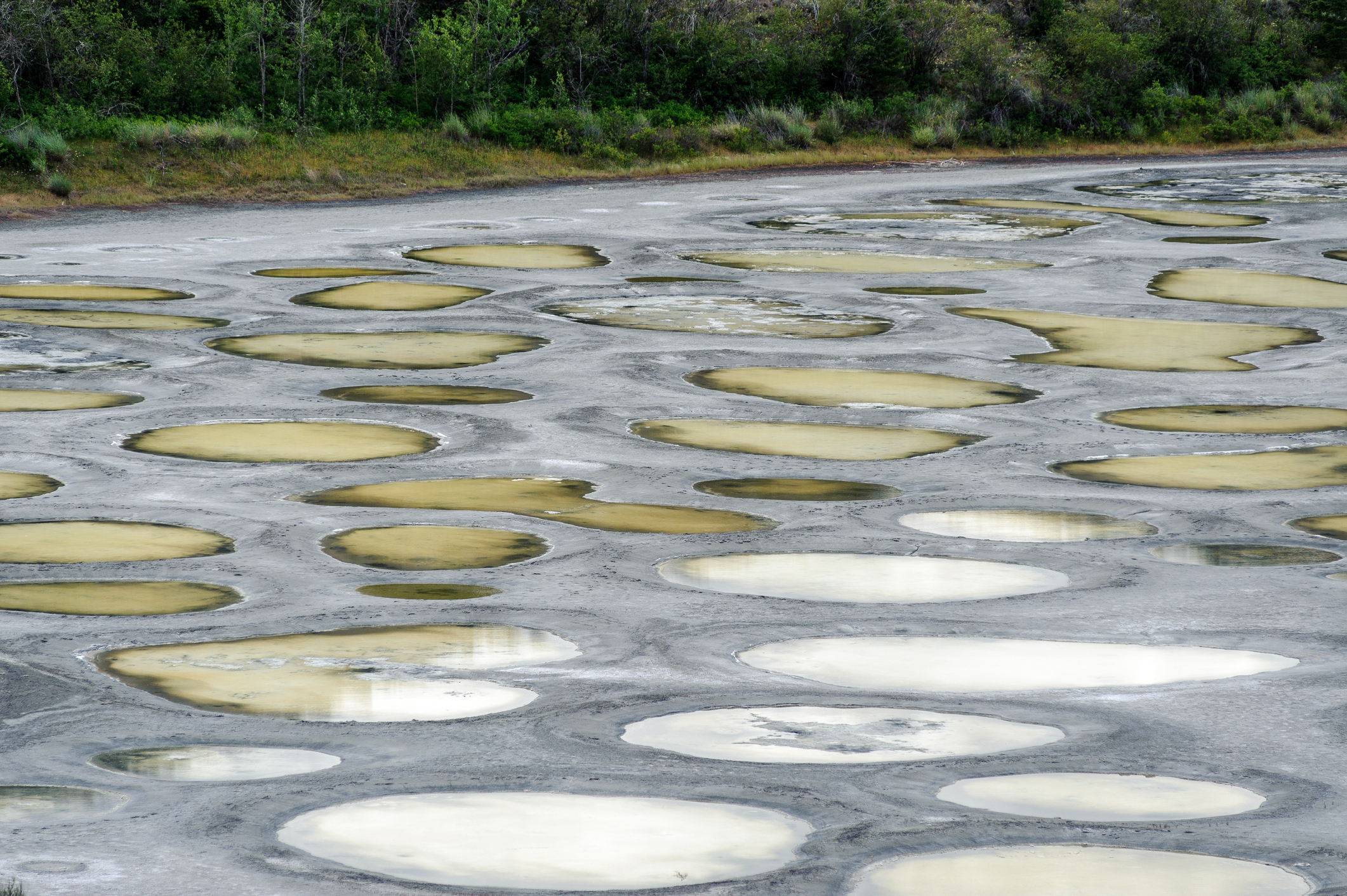
Lake Khiluk is richly concentrated with various minerals, containing dense deposits of magnesium sulfate, calcium, sodium sulphates, and even low amounts of silver and titanium.
In the summer, when most of the water evaporates due to heat, mineral deposits are revealed and form ‘spots’.
Vatnajökull glacier, Iceland
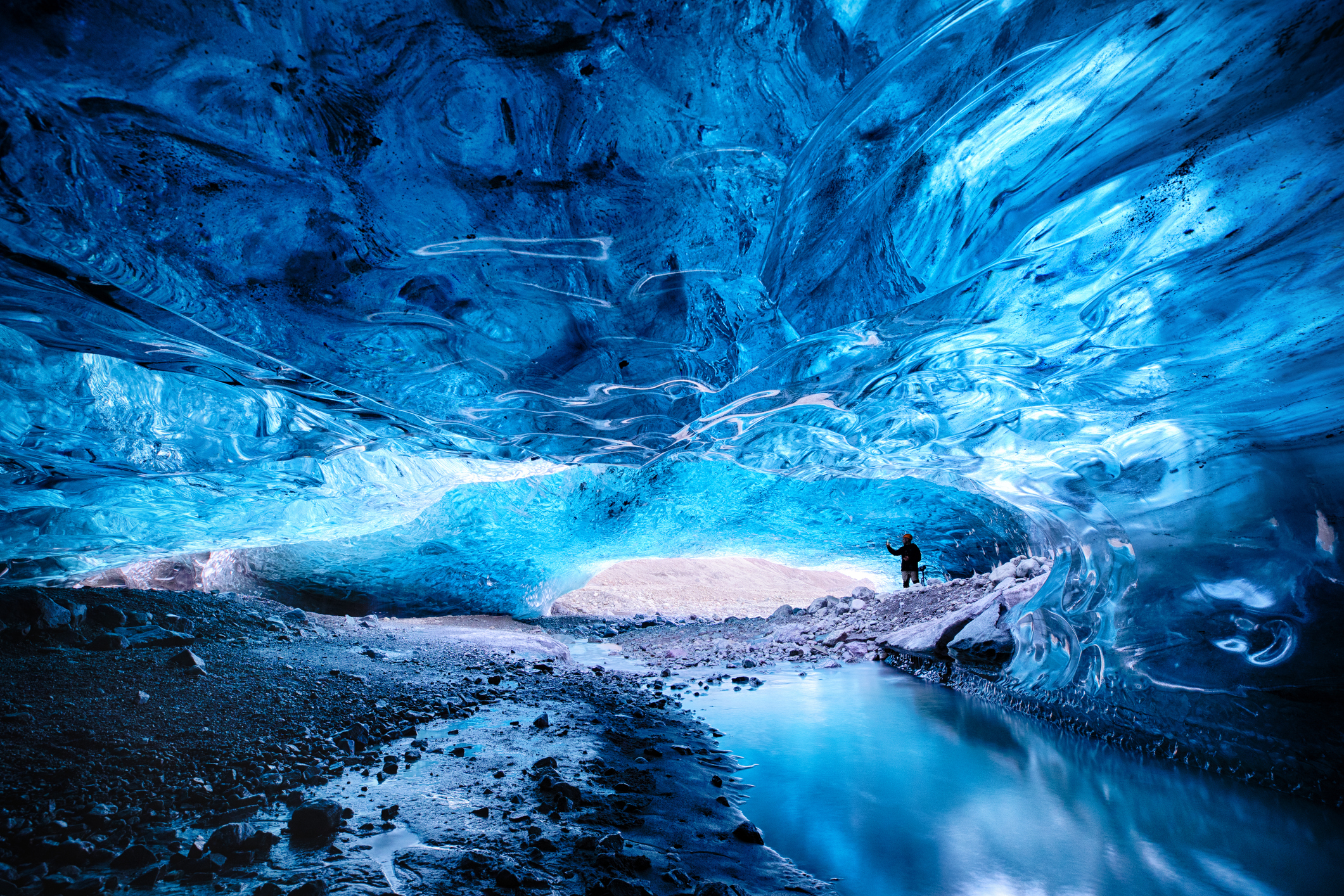
As one of Europe’s largest glacier outside the Arctic, the Vatnajökull covers roughly 8 per cent of Iceland’s landmass. In places, it’s over 3,000 feet (900 metres) deep, and below its surface lurk several active volcanoes. Perhaps the most unearthly and breathtaking views are housed within the glacier's ice caves.
- "A flying block of ice the size of a truck nearly knocked our helicopter out of the air” – A stark reminder of the colossal power of nature
- Why scientists just drilled 1,000m to the bottom of the ‘Doomsday Glacier’
Fly Geyser, Nevada, US
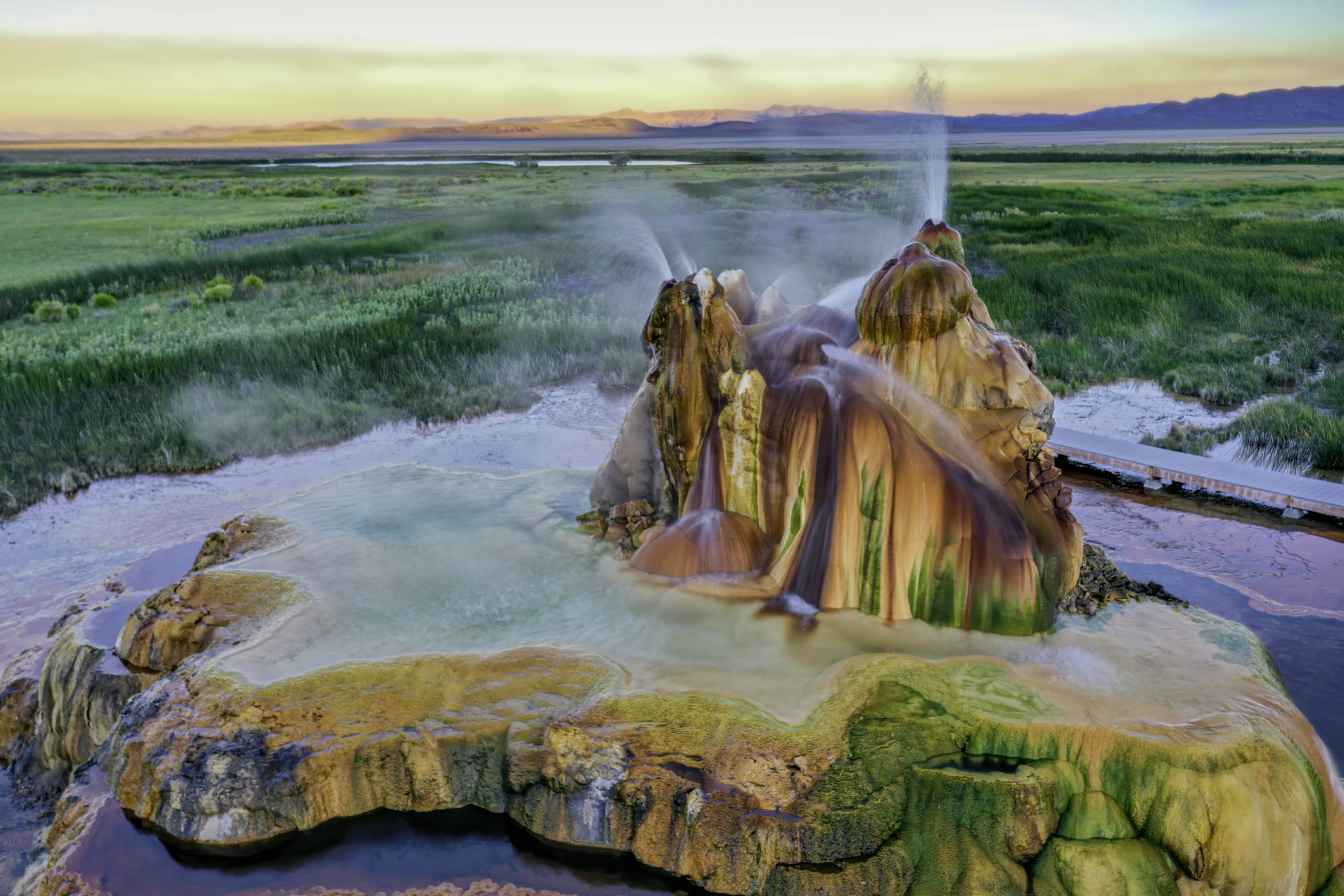
To close out the list, here is a partly human-made landscape – the Fly Geyser is located on the Fly Ranch in Nevada. The 12 feet tall (3.5 meters) structure spews out hot water, resulting in shallow pools beneath.
The geyser was accidentally created in 1964 when a geothermal energy company drilled a well to get to the hot water beneath – and then deemed it not hot enough for energy purposes. The well was capped, but not very well, resulting in the three-mound geyser we can observe today.
The rocks are coloured in hues of green and red thanks to the thermophilic algae in the water produced by the geyser.
- Siberia’s ‘Gateway to Hell’ is getting bigger. And it’s spewing out prehistoric animals
- "It can live for 30 years without food & survive temperatures from zero to boiling point." 8 indestructible animals that are the ultimate survivors
Top image: saltbergs formed in crystalised mounds on a completely flat, almost dried-up lake floor in Salar de Uyuni, Bolivia. Credit: Natalie Redshaw/Getty Images


