
In Hindu tradition, bathing in and drinking the sacred waters of the Ganges will purify your soul. Unfortunately, you are likely to toxify your body in the process.
Millions of litres of industrial waste, chemical effluent and raw sewage are pumped into the river daily, with certain stretches of water measuring anywhere between 150 to 1000 times the recommended safe levels for bathing or drinking.
If the main waterway is a lethal cocktail of heavy metals, coliform bacteria and non-biodegradable plastics – resulting in heightened risk of hepatitis, typhoid, dysentery, giardiasis, gastroenteritis, kidney damage and cancer – the stagnant tributaries choked off by garbage are fertile breeding grounds for cholera and dengue- and malaria-carrying mosquitoes.
Establishing an accurate death toll is impossible given the sheer number of disease vectors and inadequate official records.
- "Little is known about their movement in these river systems” – mysterious animal tagged in India for first time ever
- River dolphins on the brink: Where the enigmatic river dolphins live, why they are at risk of extinction - and the battle to save them
- "He described animals swallowing 94°C water and cooking from the inside out, boiled alive, before being able to escape." 10 deadliest rivers in the world
Rising at 3000 metres in the Himalayas before flowing for more than 2500 kilometres through India and Bangladesh and emptying into Bay of Bengal, the river is named after the goddess Ganga, who, ironically, chose to remain on Earth to cleanse humanity.
An estimated 10% of the world’s population relies on the river for food, sanitation and irrigation, with 450 million people living in the Ganges basin, but much of the wildlife associated with the river is now unsafe to consume or has become critically endangered. Excessive damming and the effects of climate change on Himalayan glaciers has also reduced waterflow, exacerbating the problem of pollution.
Despite being India’s national aquatic animal, there are only a few thousand Ganges River Dolphins surviving. As sight is useless in the river’s sediment-heavy water, these marine mammals are functionally blind and hunt fish and small amphibians by ecolocation. There are two types of crocodilian found in the Ganges, the fish-eating Gharial and the Marsh or Mugger Crocodile which also eats birds and small mammals; although unlikely to attack humans, they often get tangled in fishing nets or are shot by fishermen.
The Ganges River Shark is so rare that decades can pass between confirmed sightings, while attacks on humans attributed to it are likely to be down to Bull Sharks, which are known to migrate upriver from the sea. Smooth-coated Otters and more than a dozen species of turtle are found along regions of the river. It’s in the brackish marshlands as the river empties into the Bay of Bengal that the man-eaters predominate: Saltwater Crocodiles lurk in the tidal mangroves, which are also hunting grounds for Royal Bengal Tigers.
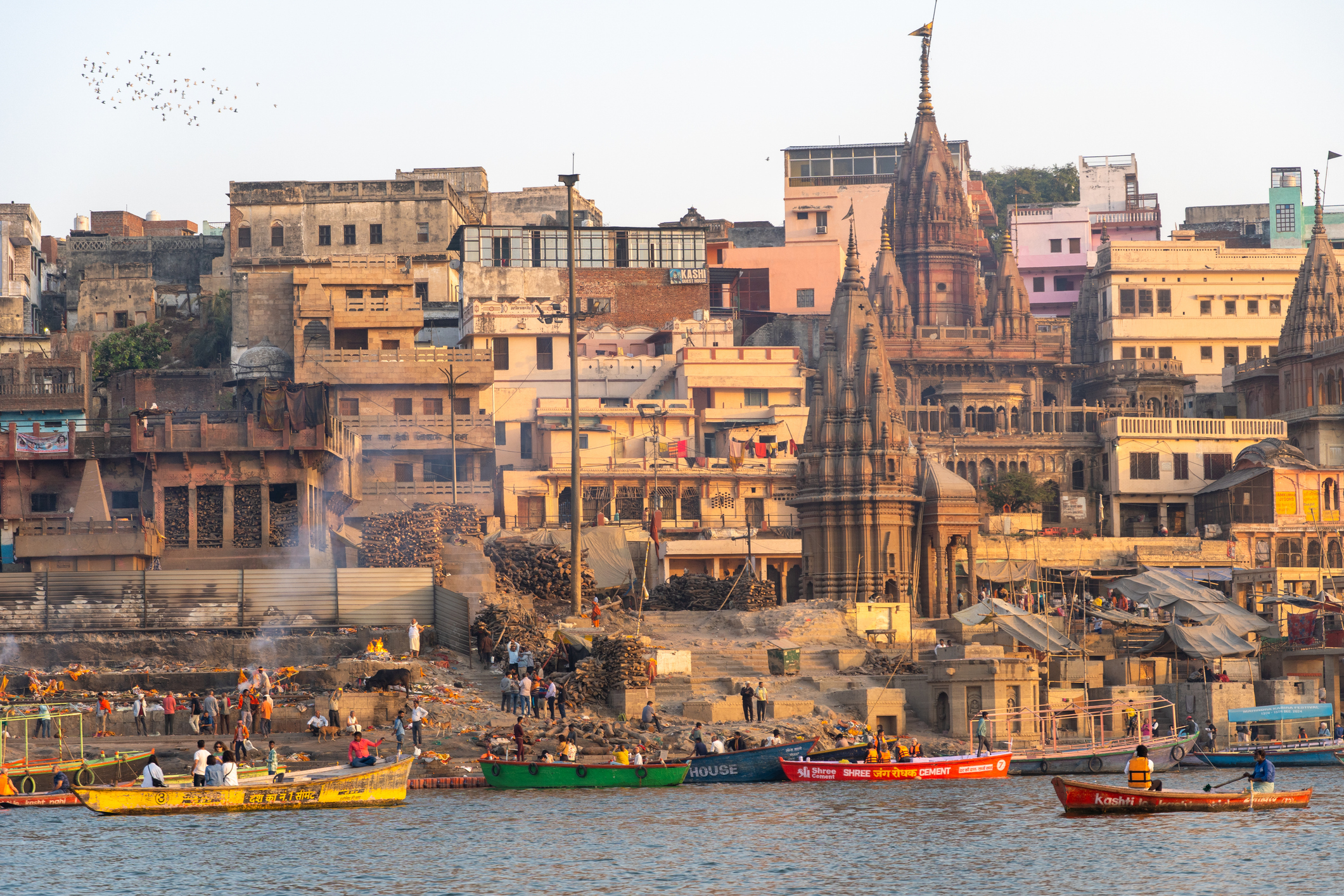
Another issue is that devout Hindus wish to have their ashes scattered in the Ganges after death. In India’s oldest city, Varanasi, the funeral pyres burn 24/7, with up to 32,000 corpses cremated every year. But unlike efficient commercial crematoriums, these traditional methods frequently leave limbs and internal organs only partially burned and, such is the rate of throughput, any body parts are simply cast in the water to decompose as they flow downriver.
The recent Covid-19 pandemic led to an even more gruesome discovery: hundreds of corpses clogging up the waterway at Uttar Pradesh, assumed to be people who had succumbed to the virus but whose families couldn’t afford a proper cremation. Similarly, citizens in the town of Gahmar discovered mass graves on the banks of the Ganges after feral dogs dug up the bodies for food. None of these victims were accounted for in India’s official tally of coronavirus casualties.
- "Parts of it have so little oxygen, they are considered ‘ecologically dead.’" 10 most polluted, toxic rivers on the planet
- "It’s one of the few places on Earth where tigers stalk & attack humans, & the only jungle where the leading cause of human death is an apex predator"
- Researchers looked inside an Indian well – and found a colourless creature hidden in the darkness
Then there are the more than 3000 unofficial slaughterhouses that operate outside the law. The cow is a scared animal for Hindus, but so lucrative is the market for leather that many are prepared to risk imprisonment or hefty fines to operate abattoirs that surreptitiously slaughter cattle under cover of darkness and dispose of any incriminating evidence in the river. The associated tanneries in Kanpur also flood the waters with chromium, arsenic and mercury.
Every attempt to reduce the level of pollution in the Ganges has met with failure, with the conflicting priorities of politicians, environmentalists, industrialists and faith leaders, not to mention rampant corruption in local authorities, effectively blocking any progress.
The deification of the Ganges often feels more like desecration.
top image: A local town on the Ganges River. Credit: Jon Hicks/ Getty Images
Discover more environmental stories from around the world:


