There are almost 46,000 hectares of front garden lawn and an estimated 23 million gardeners in the UK alone.. The sights and smells in the garden all contribute to how we feel, but what if those smells aren't as lovely as they seem?
The UK has long been obsessed with a tidy lawn and people have even attempted to bottle the smell of freshly cut grass for perfume. But behind this attractive smell is some shocking science - that the smell released when you cut grass is actually the plant's extreme distress signal.
- It's the length of a bathtub, can play dead and has a defensive spray - meet Britain's largest snake
- How to make your garden wildlife-friendly
- Bringing back the green: how to make urban gardens suitable for wildlife
Humans and plants alike respond to injury - where humans might scream, run and protect their wound, plants do something different. The smell of freshly cut grass comes from an airborne mix of carbon-based compounds called green leaf volatiles, or GLVs, which are compounds often released by plants when damaged. Each plant releases slightly different compounds according to what is attacking them - whether that be insect, mammal or huge metal lawn mower.

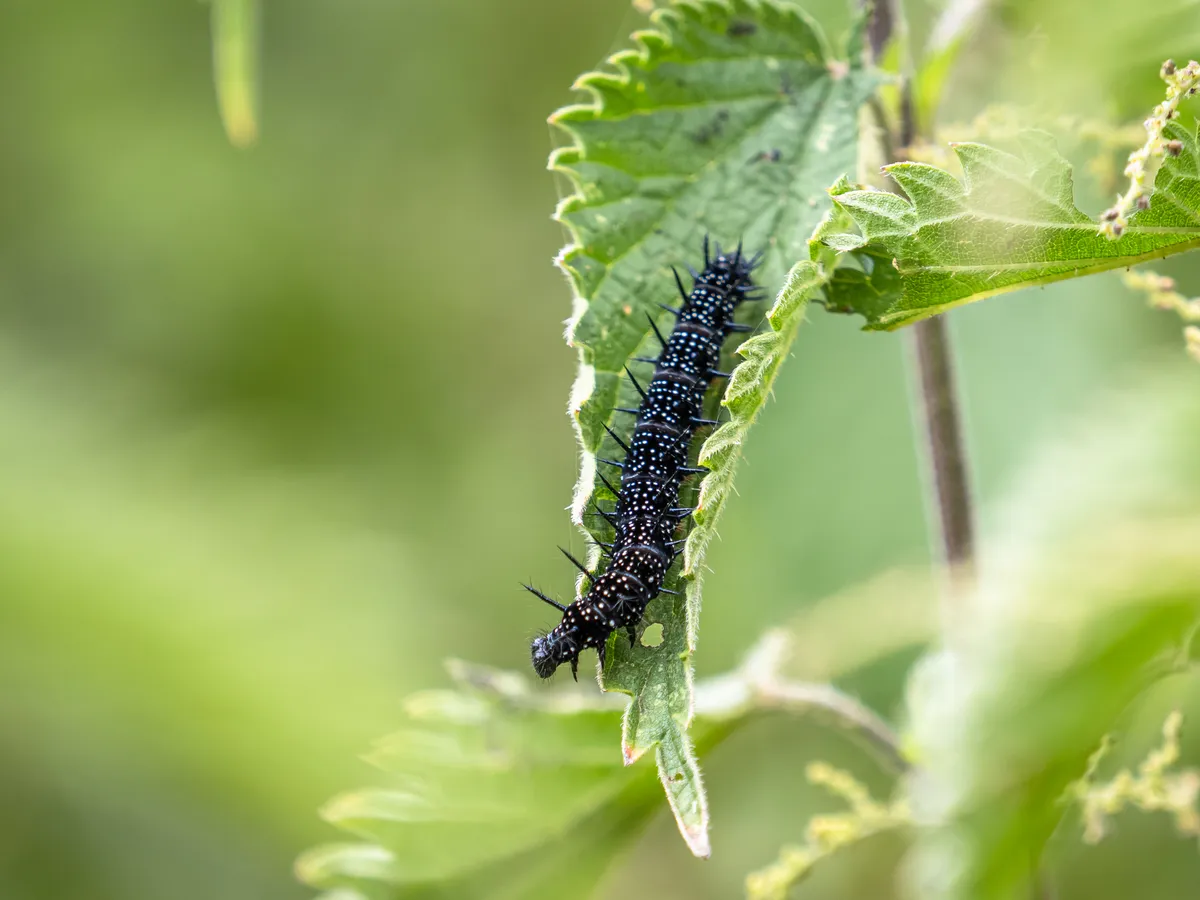
Some GLVs help plants recover and regrow after being eaten or stepped on and some are a form of defence in an even more extraordinary way. In one study from Allmann and Baldwin at the Max Planck Institute in 2010 it was discovered that hornworm caterpillar spit, mixed with the tobacco plant's GLVs makes Geocoris, or big-eyed bug (the predator of the hornworm caterpillar), sit up and notice and head right to where the caterpillars are. The tobacco plant essentially calls the caterpillar predator over for lunch.
The uplifting, lovely aroma you smell during and after cutting your lawn comes from GLVs released by the grass that is being torn up. While GLVs are apparent in many vegetables and whenever you damage a blade of grass, due to the sheer amount of grass being cut by a lawnmower, the smell is much more intense.
Scientists have theories as to why this smell is so attractive to humans, but nothing that can properly explain why grass would have evolved to make its mass cutting back seem so attractive to humans. Some people think it could be because while we don't eat grass, and the cut grass smell doesn't make us want to eat it, vegetables all release GLVs and so it reminds our bodies of food. There's also a theory that the smell of mown grass is nostalgic for lots of people, with the smell reminding us of our childhoods.
In the UK the charity Plantlife's campaign No Mow May encourages people to cut their lawn a little less, as this can be beneficial to wildlife. With approximately 97 per cent of flower-rich meadows in the UK disappeared since the 1930s, the 959,800 hectares of gardens are key sources of habitats and food for all types of animals. And if you still want to experience that lovely smell, the good news is that Plantlife suggest keeping varied lengths of grass in your garden - some short, some mid-length and some long.