
Mind-altering plants range across continents and taxonomic groups. The compounds that make them so appealing to humans are produced in order to deter predation - that is, they are essentially toxins. While unappealing or even deadly to insects and other herbivores, they can have more pleasant effects in humans.
- Has nature gone rogue? Discover 10 freaky monstrous plants that think they're animals, from vampires to zombies
- "It looks like an extra-terrestrial being that fell to Earth and behaves like a subterranean vampire." 10 weirdest, wackiest plants on the planet...
Substances that alter the human mental state are referred to as psychoactive - or sometimes as psychotropic. The effects on the nervous system vary depending on the plant: some depress or stimulate it. Others, known as psychedelics, create hallucinogenic states, leading to altered perceptions of reality.
The physical and mental health benefits of ingesting these plants have been extensively debated. While some have proven effective in treating conditions ranging from physical pain to psychological trauma, most can lead to serious and even fatal side effects. And while recreational and therapeutic use of psychedelics has gained traction, it remains a controversial practice and caution is urged even by proponents.
As such, this list is intended to be descriptive rather than prescriptive. Local laws, potential deleterious effects and medical efficacy should all be assessed by the reader prior to any ingestion of psychoactive plants.
10 psychoactive plants
Kratom (Mitragyna speciosa)
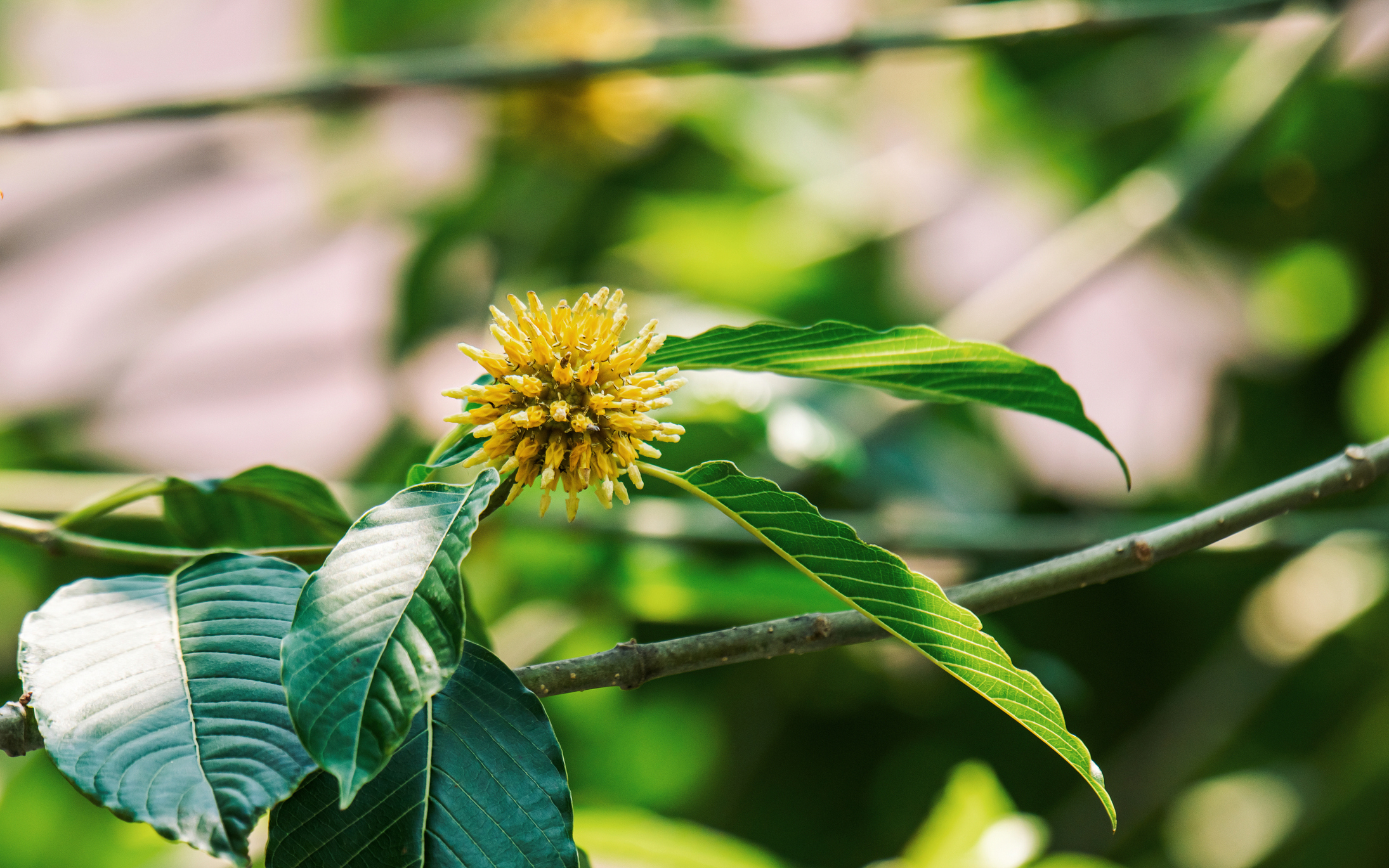
The leaves of this Southeast Asian tree contain a range of alkaloids. The two that act on the human nervous system are mitragynine and 7-hydroxymitragynine. In small doses, the plant has a stimulant effect and as such was often chewed by farm laborers to boost their energy while they worked. It was also consumed as a tea.
Larger doses have a depressant effect and were used as a treatment for a range of ailments - including withdrawal from opium, as the chemical targets opioid receptors.
Botanist Pieter Willem Korthals formally described the plant in 1831 but it was not until around 2015 that it became widely available in the United States, where it is sold at smoke shops and gas stations - and is often used as an alternative pain remedy. It is illegal in the United Kingdom. A surge in the availability of concentrated synthetic forms of the active compounds has led to serious medical complications and even death.
Iboga (Tabernanthe iboga)
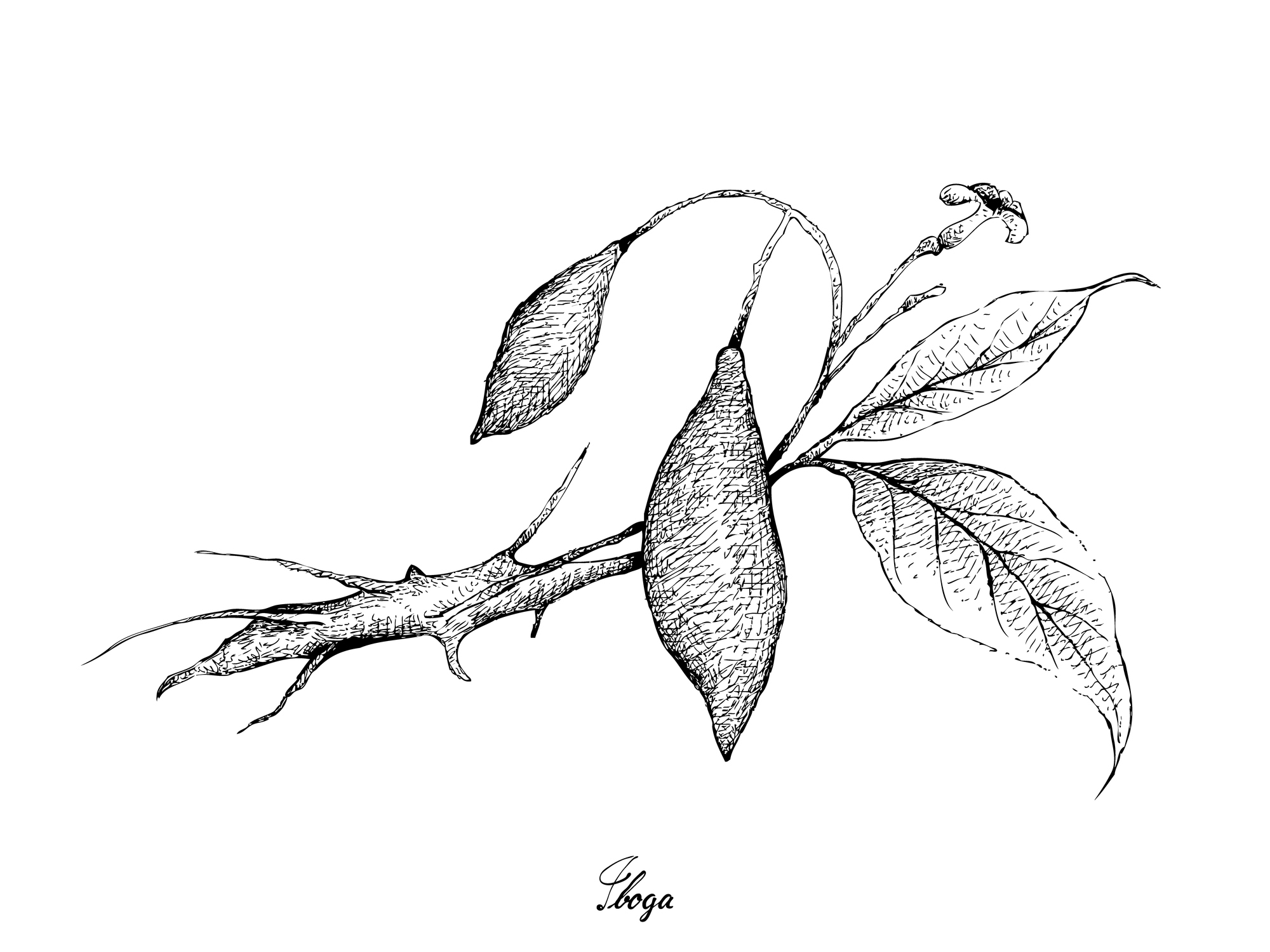
The leaves of this Central and West African plant contain an alkaloid called ibogaine. Native peoples chew the bark of the roots for its stimulant effects. However, large doses can result in vivid hallucinations. These effects can last for over a day and are said to be intense. The root is consumed in Bwiti religious ceremonies intended to facilitate ancestral connections.
Ibogaine has been used in Western medicinal contexts since 1939, when an extract was introduced in France as an antidepressant. It has shown promise in treating addiction to other substances — in 1962, Howard Lotsof reported that he successfully cured his heroin addiction using the plant. Further studies have substantiated this use. Research published in 2025 found that it was also useful in treating PTSD in military veterans.
Ibogaine retreats - sold as therapeutic or mind-expanding - have grown in popularity. However, fatal cardiac events have resulted from ibogaine consumption. The substance remains illegal in the United States and United Kingdom.
Peyote (Lophophora williamsii)
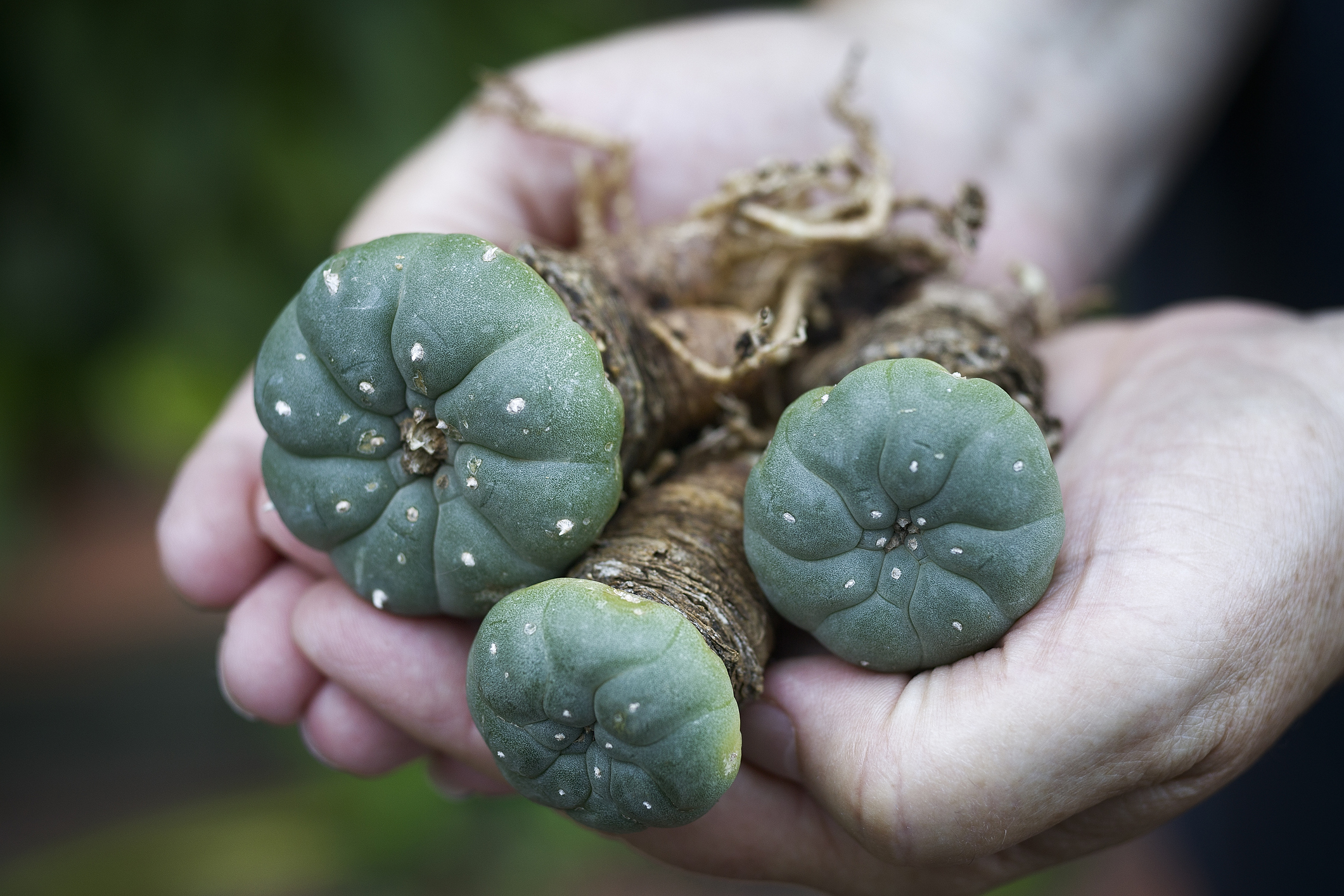
Peyote is a cactus native to the southern United States and Mexico. It contains an alkaloid called mescaline, which induces hallucinations when consumed. Users report seeing vivid colors and entering a meditative or euphoric state.
The cactus has been used by native peoples in religious rituals for thousands of years. Dried peyote was found at a burial site in Mexico dating to around 1000 AD. And material from a cave in Texas dates to 4000 BC. It is still used by approximately 40 Native American tribes.
The Native American Church, which blends elements of Christianity and Native mythology, considers peyote consumption a sacrament - which is exempted from laws banning its use in the United States. Like other hallucinogenic drugs, it is illegal in the United Kingdom.
Morning glory (members of the family Convolvulaceae)
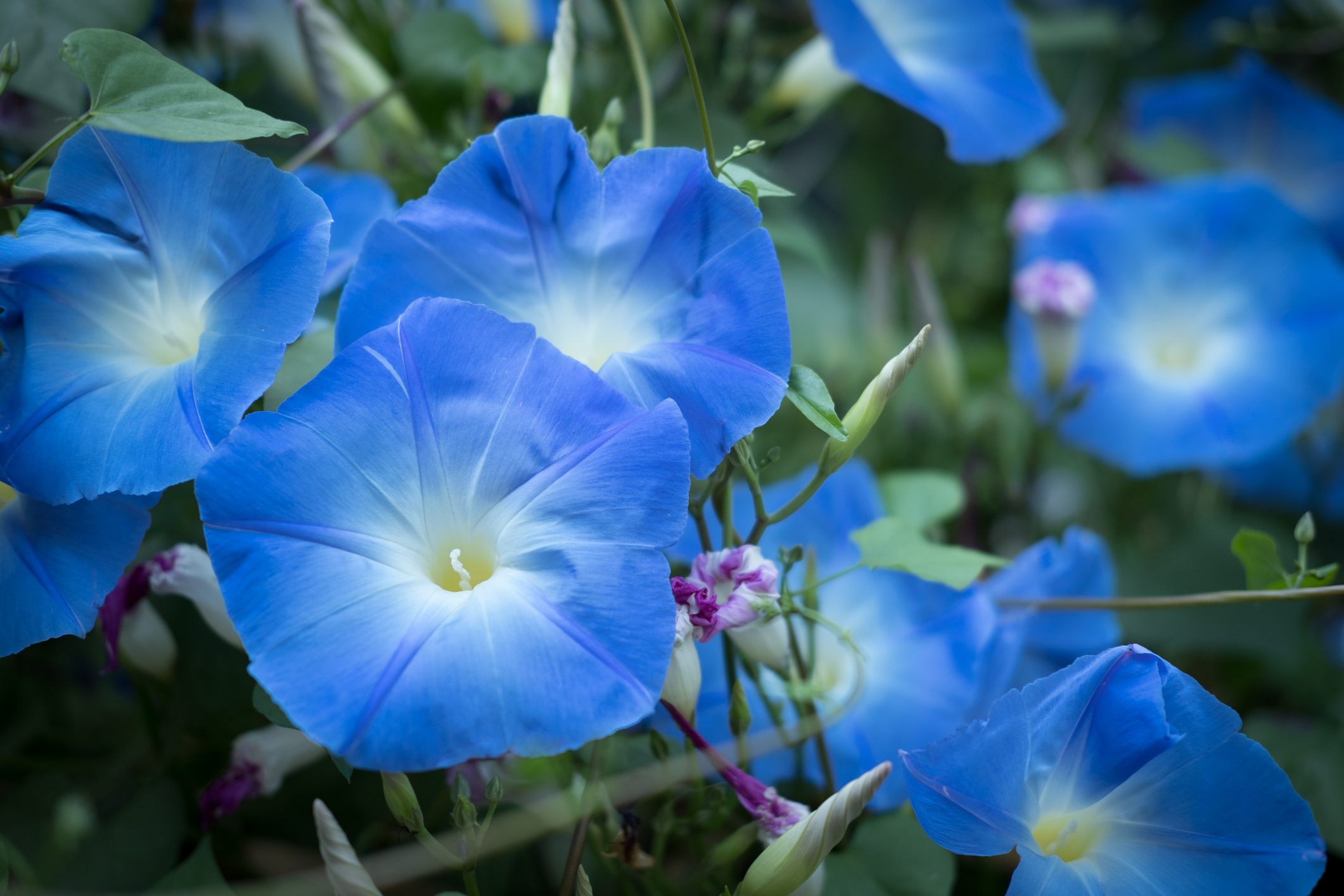
The seeds of many members of the morning glory family contain ergot alkaloids - the products of a symbiotic fungus similar to those found in ergot of rye - from which lysergic acid diethylamide (LSD) is derived. A recent study of 210 species found that 53 contained ergot alkaloids. Two species - ololiuqui (Turbina corymbosa) and tlitliltzin (Ipomoea violacea) - were used in religious rituals by the Aztecs and other Mesoamerican groups, as documented by early Spanish explorers.
- Why are some mushrooms magic?
- 7 weirdest fungi in the world you (probably) haven't heard of, from the gross-looking bleeding tooth to the creepy dead man's fingers
The effects of ingesting these seeds or their derivatives varies - they may induce a lethargic state accompanied by dizziness, nausea and vomiting. The hallucinogenic effects differ from LSD - they are more introspective and trancelike. While the compounds themselves are illegal, growing the plants is not.
Salvia (Salvia divinorum)
The drug known as salvia belongs to the mint family (Lamiaciae). Native to southwest Mexico, it contains a hallucinogenic compound called Salvinorin A. Unlike many other psychoactive substances produced by plants, it is not an alkaloid. Rather, it belongs to a class of compounds known as terpenes. Like alkaloids, terpenes are produced to repel herbivores.
Salvia has become a popular, cheap alternative to other recreational hallucinogens. Consumption may result in dissociative states, visions of bright colors and cartoonish, surreal imagery. Albert Hoffman, the chemist who first described LSD, journeyed to Mexico and collected specimens in 1962. He found the consumption of the plant to result in less intense hallucinations than LSD or psilocybin mushrooms. Experiences are typically brief, lasting perhaps half an hour at most. It is legal in some areas of the United States and illegal in the United Kingdom.
Deadly nightshade (Atropa belladonna)
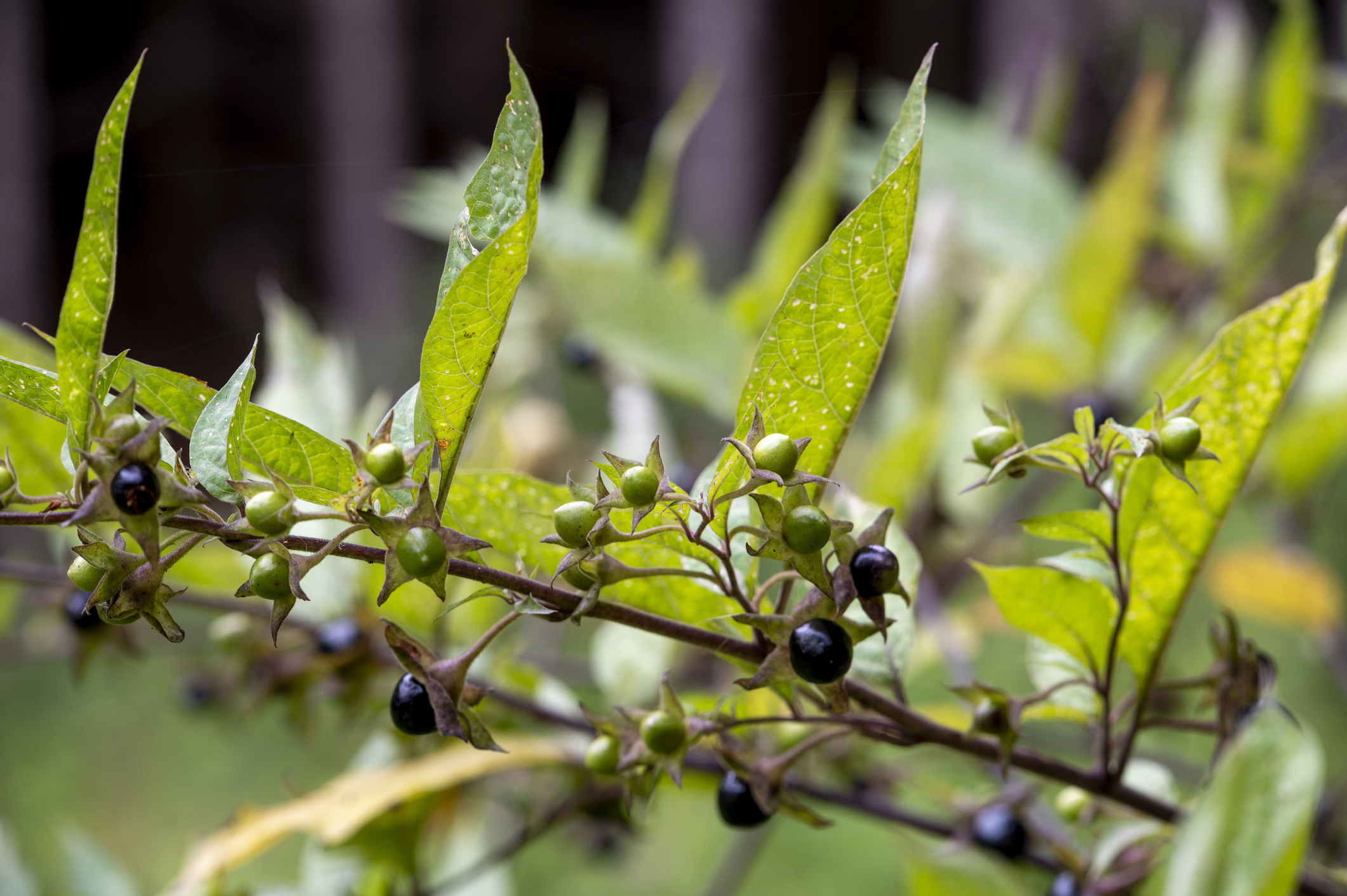
This relative of tomatoes and potatoes contains alkaloids that have been used medically, to induce hallucinations and as a deadly poison. Native to Europe and Asia, it has a long history in myth and legend. Belladonna was supposedly used by women to dilate their eyes in order to appear more attractive and was believed to help witches fly - likely due to the flying sensation induced by consumption.
It contains the alkaloids scopolamine and atropine, which remain medicinally useful even today. Atropine is used to dilate pupils and scopolamine to alleviate nausea, among other purposes. Though it has been used recreationally, the hallucinations are said to be frightening and unpleasant. Growing the plant is legal in the United States and United Kingdom but sale as a drug is not.
Ayahuasca (Banisteriopsis caapi)
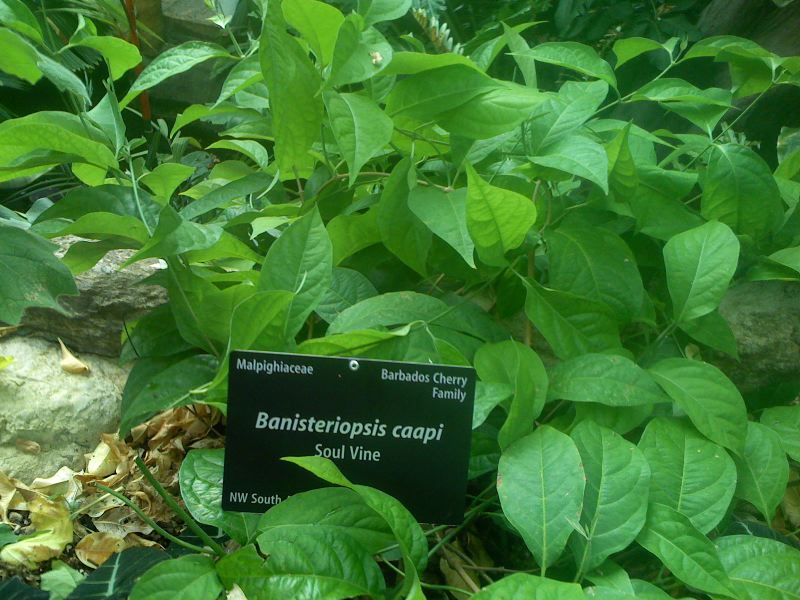
Ayahuasca is the main ingredient of a psychedelic concoction prepared by South American tribes. The brew itself may be referred to as ayahuasca too, though leaves from the shrub chacruna (Psychotria viridis), which contain dimethyltryptamine (DMT), are responsible for the hallucinogenic effects. The alkaloids in the leaves from the ayahuasca vine facilitate absorption of the DMT, resulting in extremely vivid hallucinations that include distortions of time, colorful imagery and dream-like experiences.
Evidence of ayahuasca use dates back to at least 1000 AD - a pouch containing traces of the chemicals was discovered in Bolivia. Ayahuasca has become a popular recreational and therapeutic drug in the West, though its efficacy and safety are debated. A tourist who took ayahuasca died in Peru in 2025 and several other deaths have been attributed to unsafe consumption practices at so-called ayahuasca retreats. It is illegal in the United States and United Kingdom, though occasional religious and local exemptions have been granted.
Datura (genus Datura)
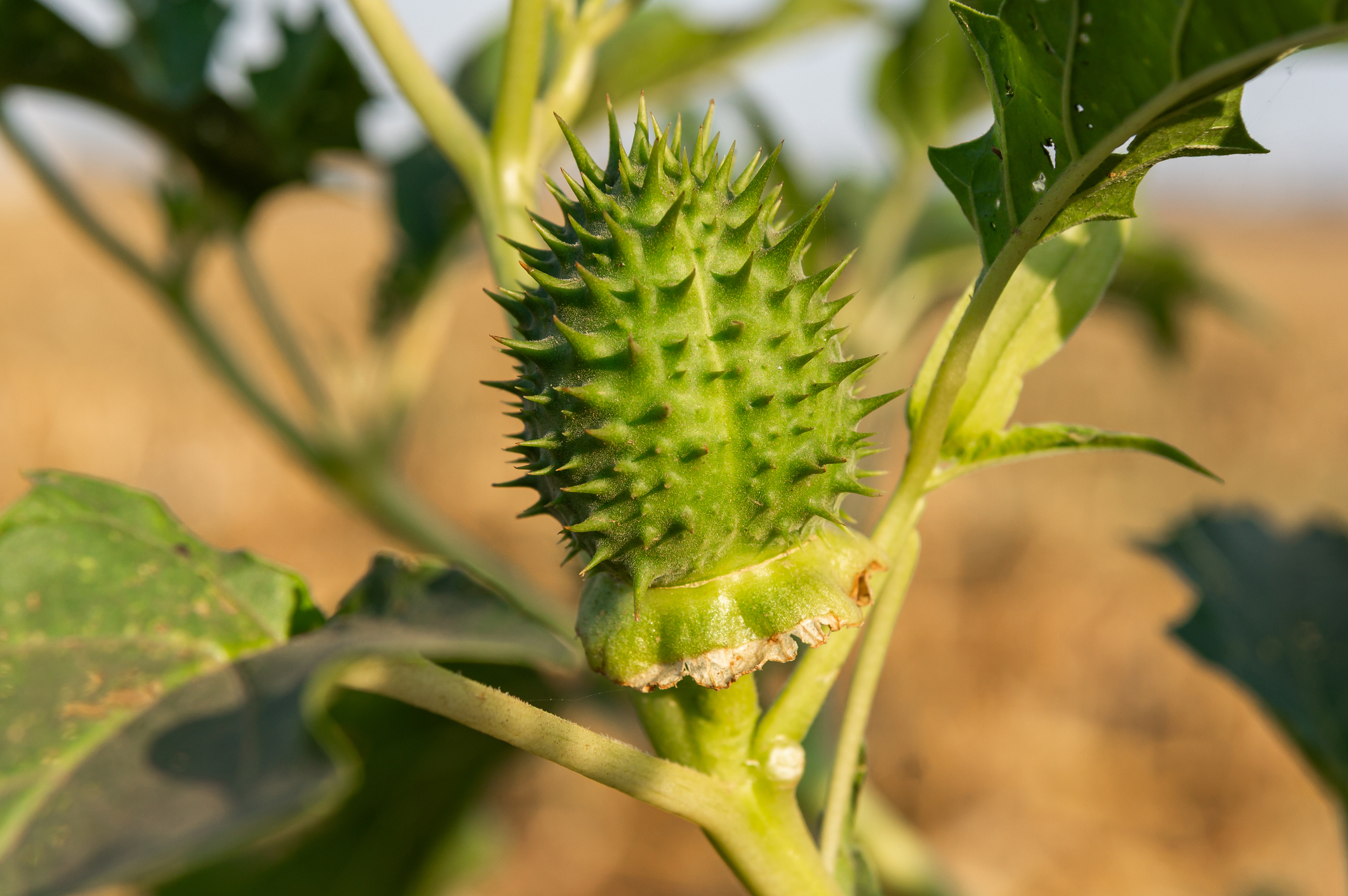
Like deadly nightshade, the dozen or so species in the genus Datura belong to the Solanaceae family - containing tomatoes, potatoes and eggplants, among others. They contain similar alkaloid compounds. Some species are valued as ornamentals due to their beautiful, trumpet-shaped flowers. But others, such as jimsonweed (Datura stramonium), are invasive and considered pest plants.
Its name derives from the Jamestown settlement, after British soldiers who were attempting to quash a rebellion were fed the leaves in a salad and spent the ensuing eleven days in a state of delirium - and without their clothes on. Datura has been used for thousands of years by indigenous peoples in order to commune with the supernatural world. While also used as a medicinal plant - it has pain-relieving properties - it has also resulted in fatalities. It is not illegal to grow but derivatives are considered illegal drugs in the United Kingdom.
Cannabis (Cannabis sativa and Cannabis indica)
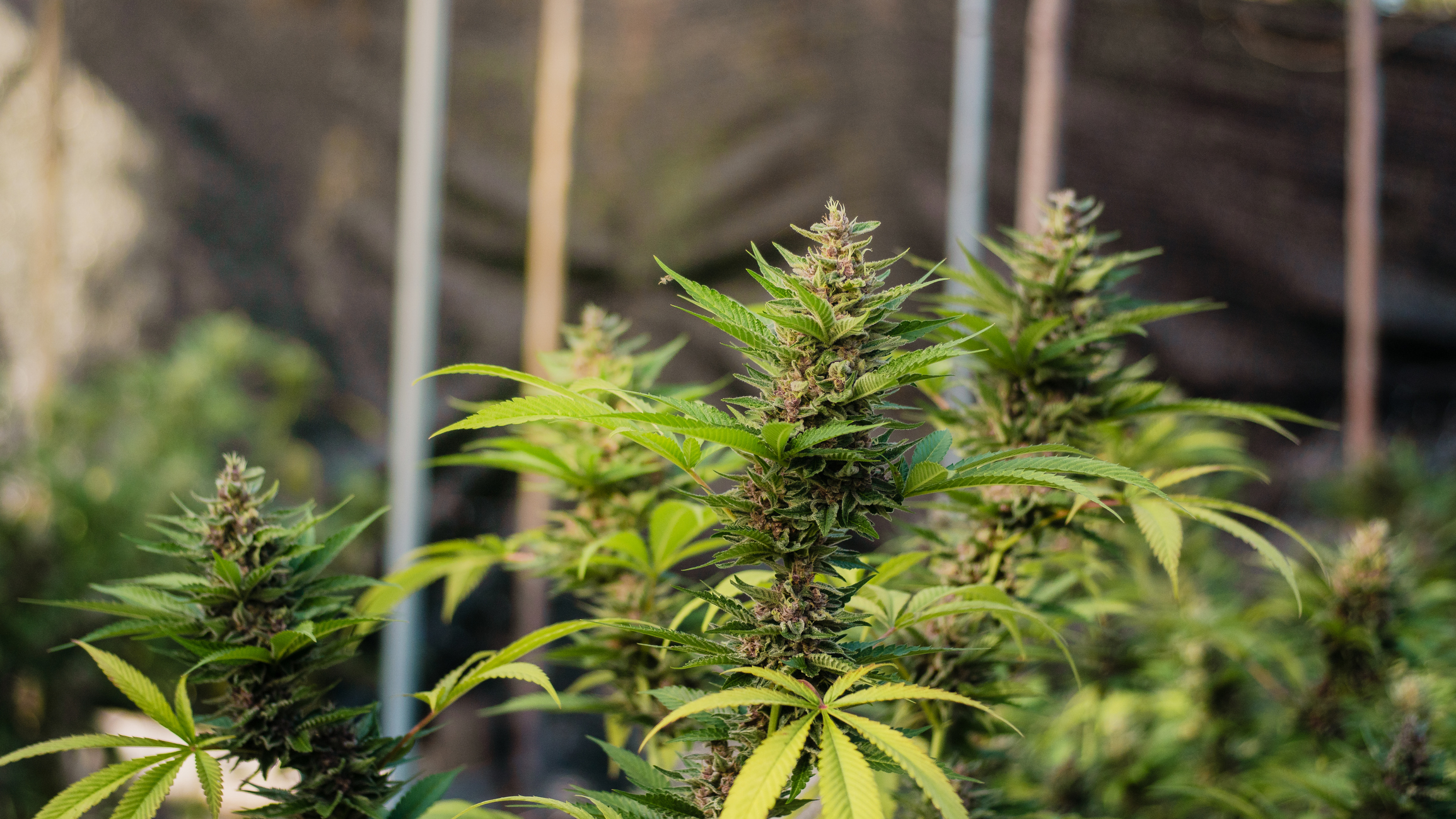
Cannabis, colloquially known as weed, pot or marijuana, is one of the most popular psychoactive drugs worldwide. Native to Asia, it may have been grown as early as 12,000 years ago - though reliable records of its use as a medicine as well as in ritualistic and recreational contexts are more recent. 2,500-year-old braziers laden with cannabis residue were found in a Chinese cemetery.
Some classify cannabis as a hallucinogen though its psychedelic effects are far less dramatic than those produced by consumption of other plants. The compounds responsible for its effects are called cannabinoids - tetrahydrocannabinol (THC) primary among them.
Cannabis has been at the centre of significant cultural and legal debates over the past century. Proponents view cannabis as an enjoyable and harmless substance and a useful analgesic for otherwise intractable pain conditions. However, its addictive potential and countercultural associations have resulted in significant opposition. Recreational use remains illegal in the United Kingdom but it was legalized for medical use in 2018. Medical and recreational use is legal in some United States jurisdictions.
Opium poppy (Papaver somniferum)
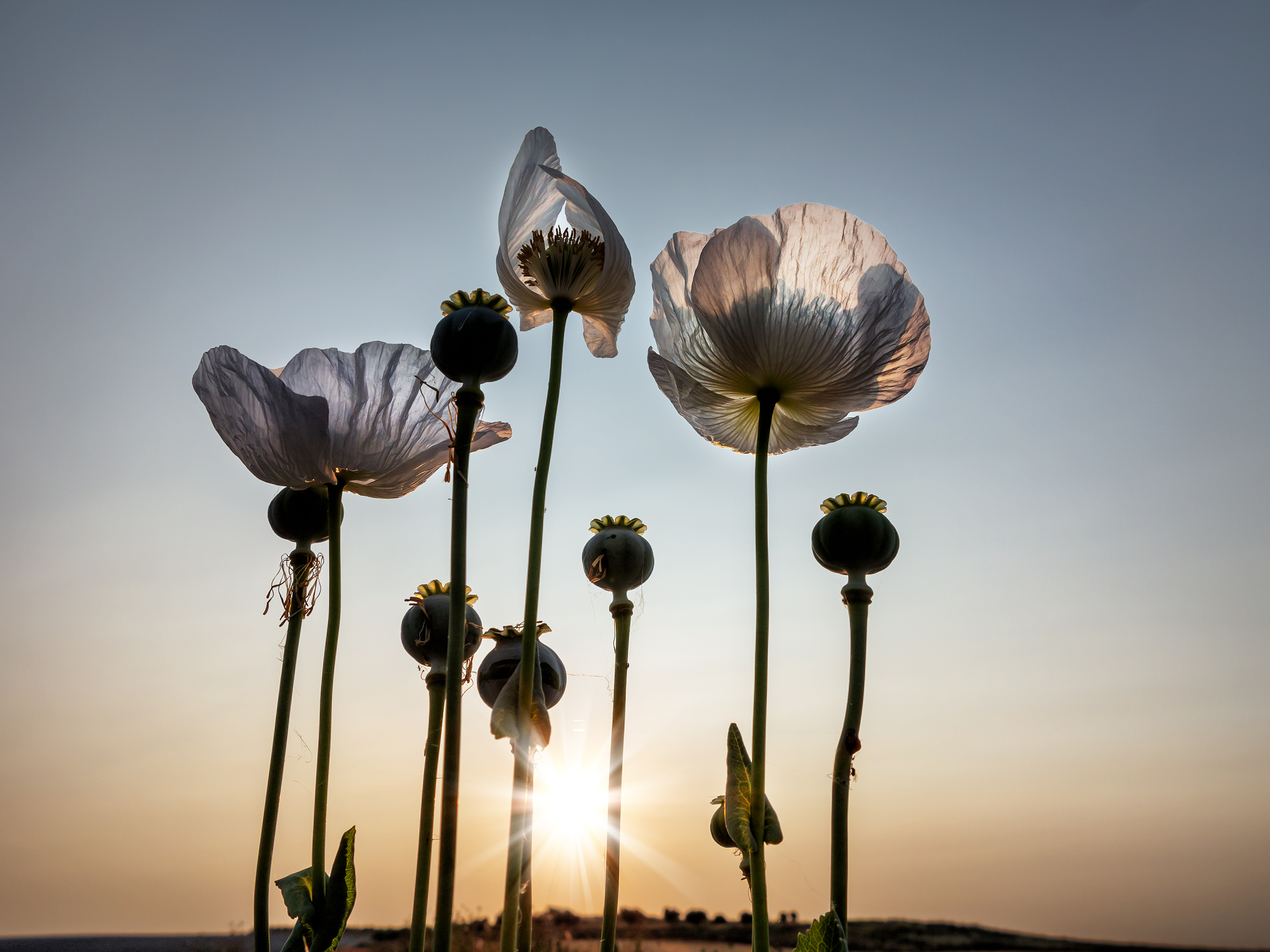
The milky latex produced by the seedpods of the opium poppy has long been used as a sedative, pain killer and narcotic drug. It is smoked as opium, a resinous compound — and is the progenitor of heroin as well as painkillers such as laudanum, morphine, oxycodone and codeine. Records of opium use date to as early as 3400 BC, in Mesopotamia.
The alkaloids in opium bind to opioid receptors and result in analgesic and euphoric effects. The raw substance and its derivatives are highly addictive. Consumption has resulted in major conflicts and social crises throughout history - from the Opium Wars between China and the United Kingdom in the mid-1800s to the current opioid crisis in the West.
Opium poppies are often grown simply as ornamental plants by gardeners around the world. However, only licensed pharmaceutical manufacturers can legally extract the drug components of the plant.
- Science may finally have discovered why humans are so good at drinking booze
- "It drops large cones that weigh 40 pounds apiece – more than heavy enough to kill a passer-by..." 8 most dangerous trees on the planet
Top image: A surreal image depicting a formal garden with multi coloured plants and flowers. Credit: coldsnowstorm/Getty Images


