Grandeur and resilience of Antarctic wildlife captured in 14 incredible photos
Grandeur and resilience of Antarctic wildlife captured in 14 incredible photos
Striking images of life in Antarctica, from penguins and seals, to seabirds and whales.
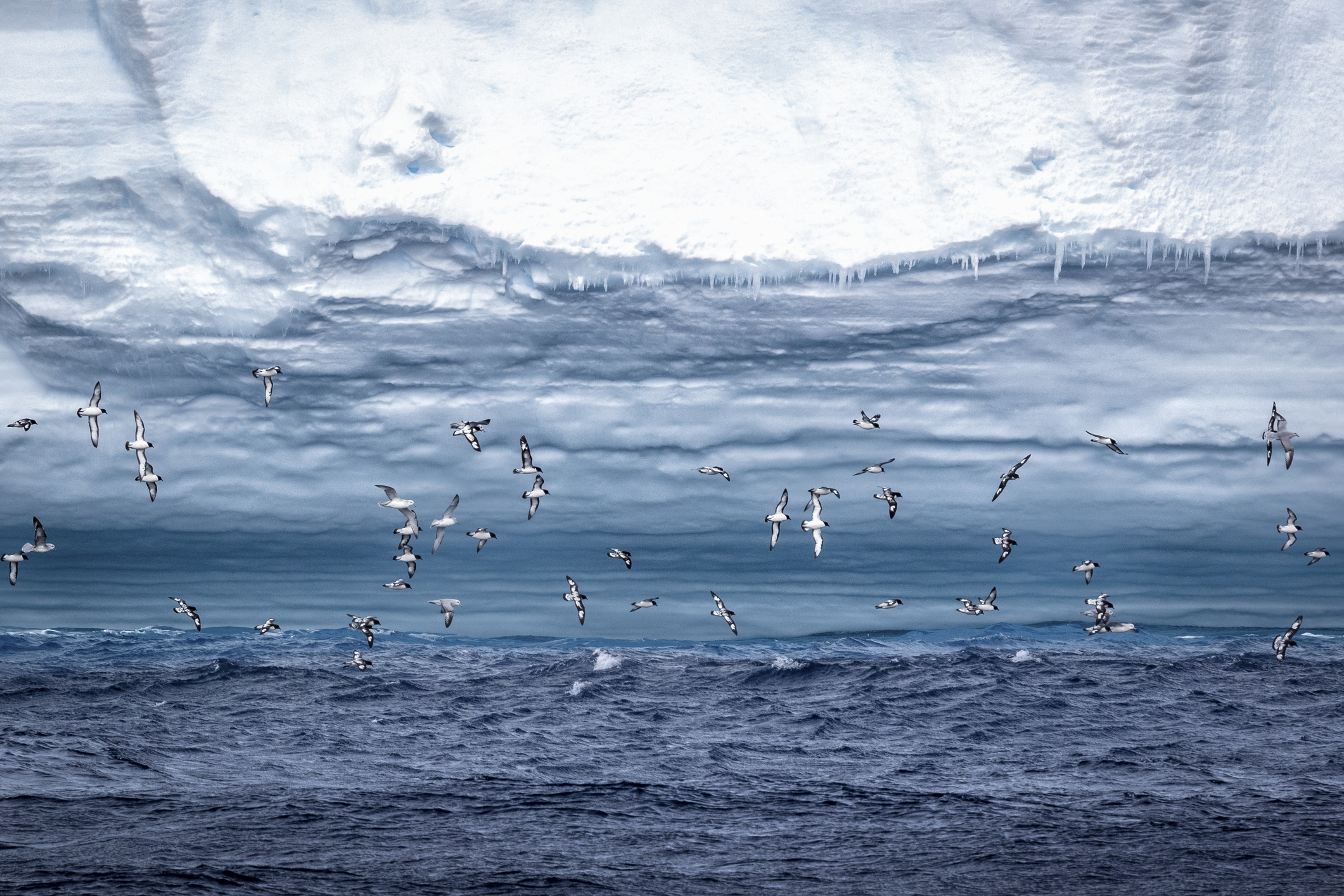
Cape petrels spotted among the seabirds travelling by Antarctica's famous tabular iceberg, A57a. Icebergs are seen as 'ecological hotpots' in the ocean, particularly for seabirds, for whom they act as food and resting spots (Photo by Peter Orr Photography via Getty Images)
Antarctica and the Southern Ocean host some of the most enigmatic, charming and hardy species in the animal kingdom.
From vast penguin colonies and whales on epic migrations, to seals raising their young on remote shores and seabirds moving through iceberg-filled seas, this photo gallery offers a glimpse into what life is like in one of the most demanding environments on Earth.
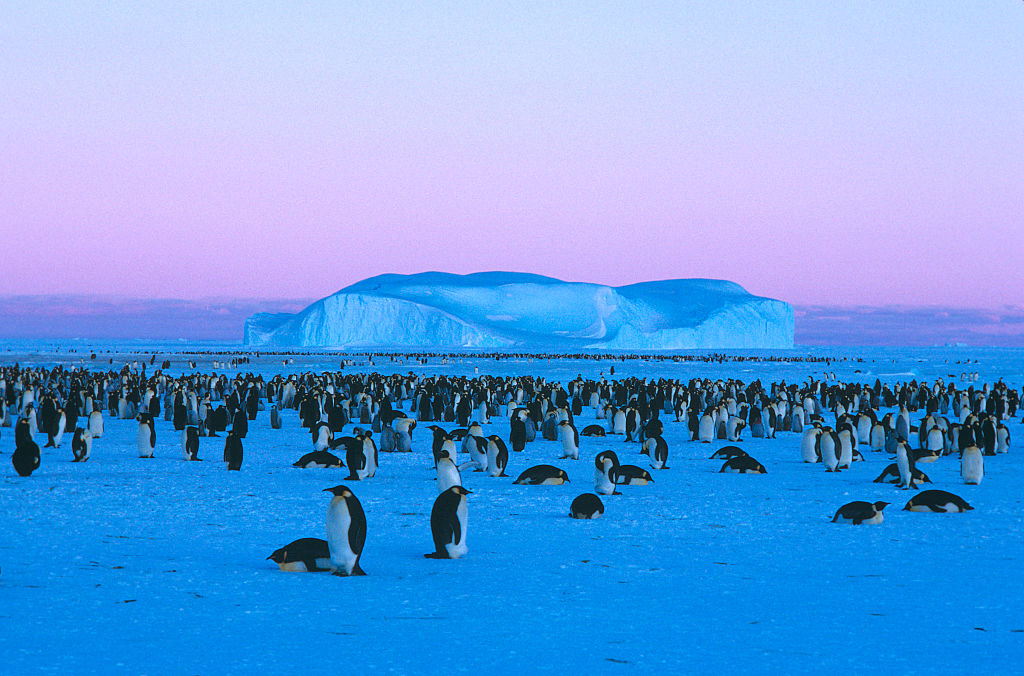
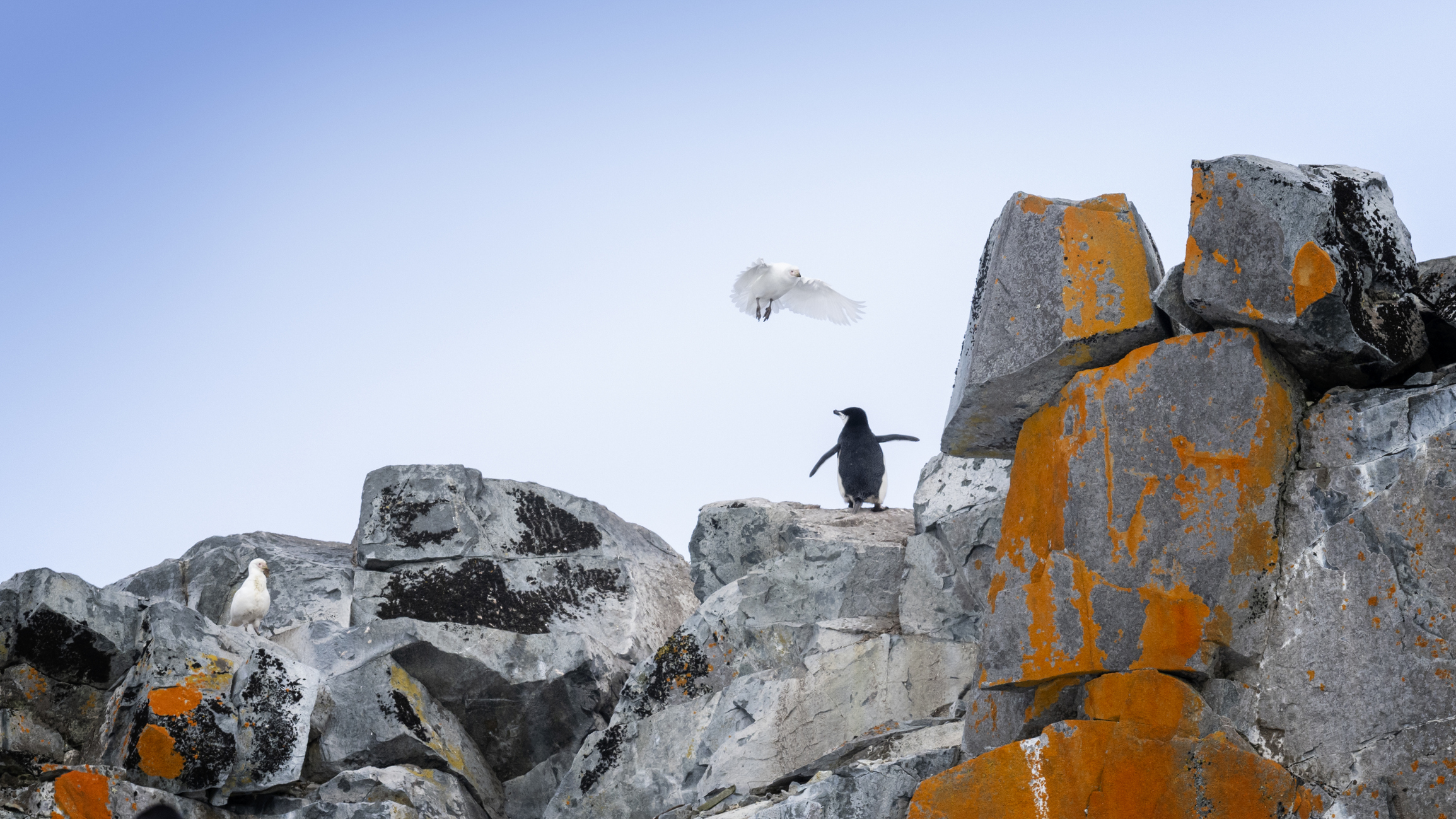
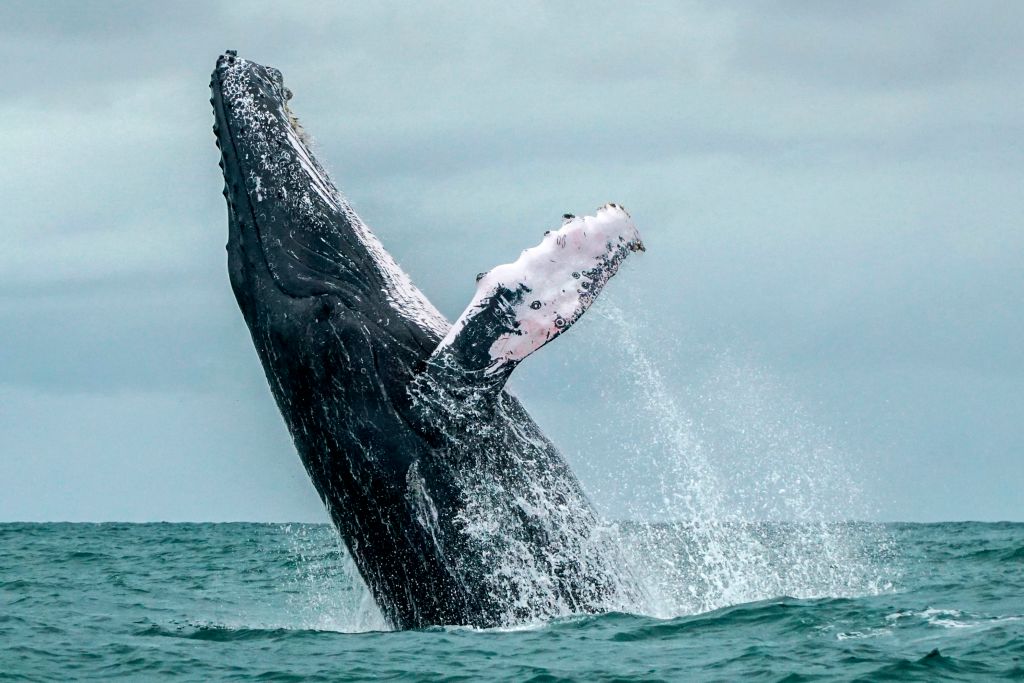
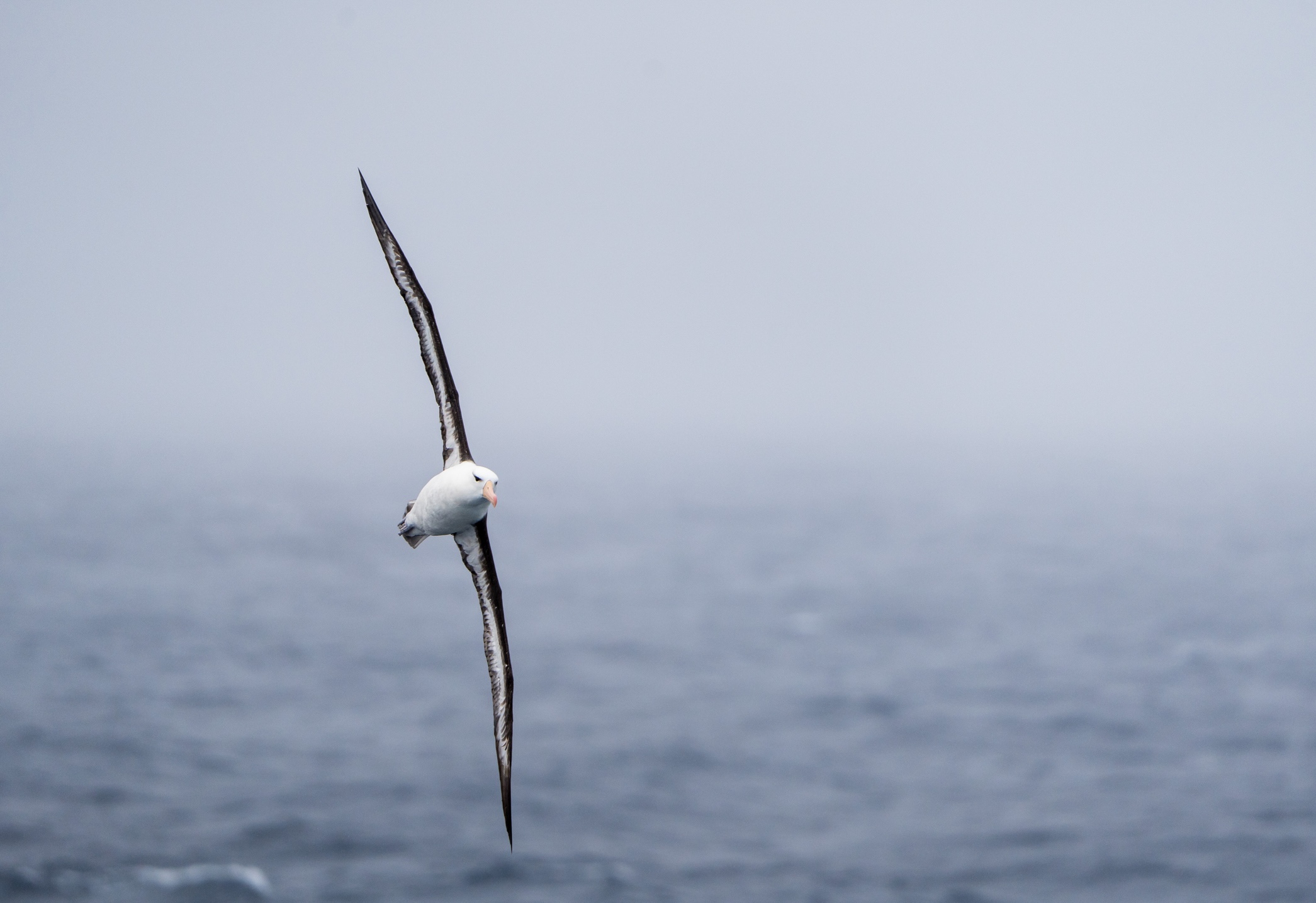
Emperor penguin colony on ice shelf near Mawson, Antarctica. Emperor penguins undertake an extreme migration every year, in which they walk across Antarctic sea ice to reach inland breeding colonies. They then move to more stable ice to breed, and then return to coastal areas for a summer molt, with some penguins travelling over 1,000km during this annual pilgrimage (Photo by: Auscape/Universal Images Group via Getty Images)A snowy sheathbill flies above a chinstrap penguin, which stands on lichen-covered rocks at the colony on Half Moon Island, Antarctic Peninsula. The snowy sheathbill is the only land bird native to Antarctica, and is known as the scavenger of the Antarctic, often stealing food from near penguin colonies (photo by Vicki Jauron, Babylon and Beyond Photography/Getty Images)A humpback whale leaps to the surface of the Pacific Ocean at the Uramba Bahia Malaga National Natural Park in Colombia, where it has migrated from the Antarctic Peninsula. Humpback whales do this journey every year, travelling an approximate distance of 8,500 km, to give birth and nurse their young (Photo by MIGUEL MEDINA/AFP via Getty Images)Black-browed albatross soaring through Antartica skies. Albatrosses spend their lives at sea, travelling vast distances using the 'dynamic soaring' method, which allows them to use the wind and air currents over the waves to expend less energy and travel long distances. (Photo by Peter Belfield via Getty Images)
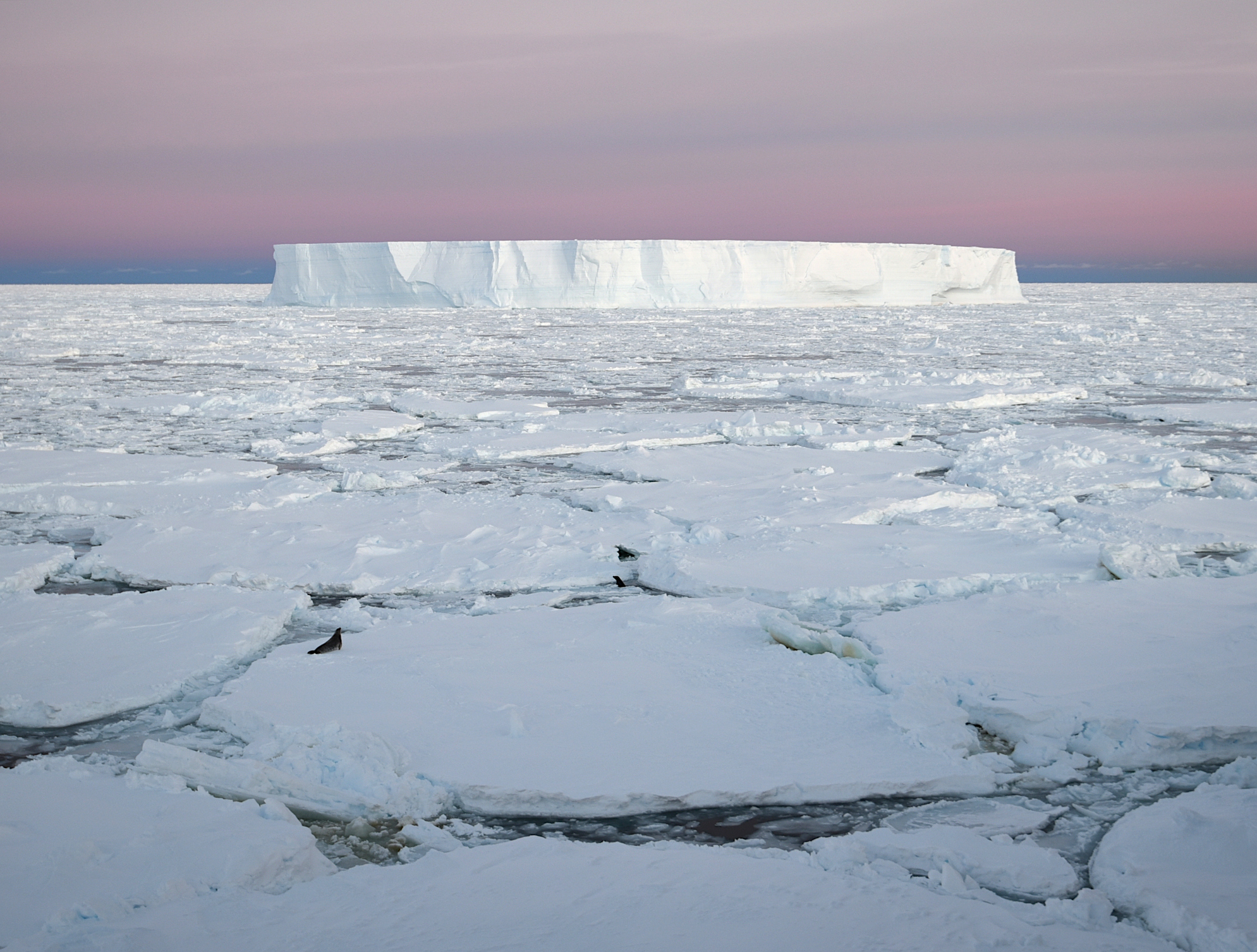
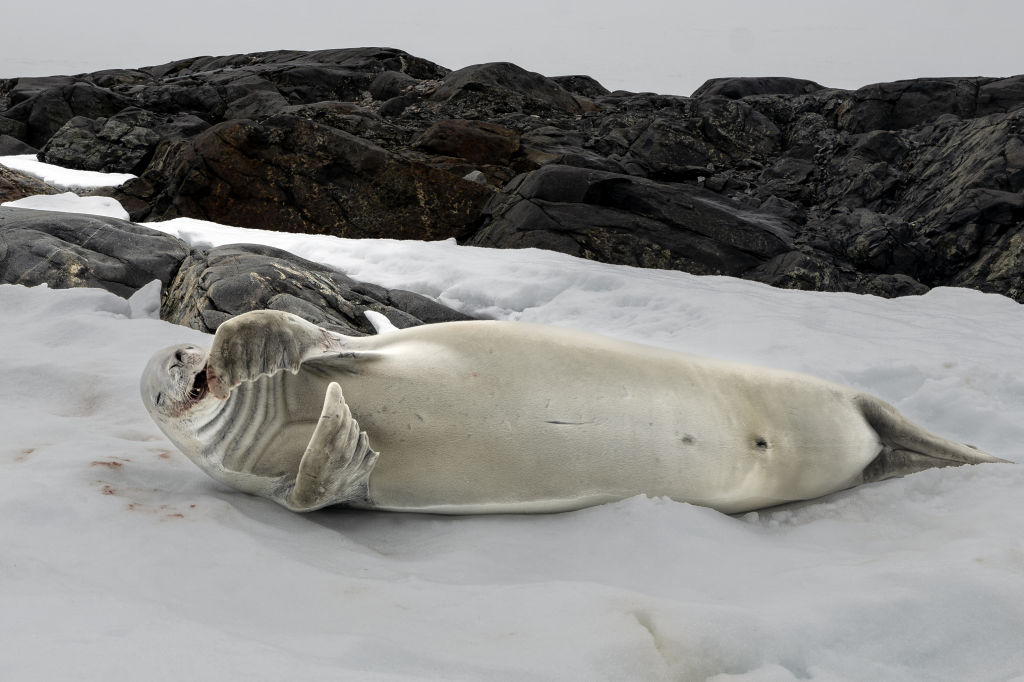
Two crabeater seals lie on pack ice with a large tabular iceberg in the background. Tabular icebergs are massive, flat-topped, steep-sided icebergs that are carved from ice shelves. They are predominately found in the Southern Ocean surrounding Antarctica (photo by Jeff Miller via Getty Images)A crabeater seal enjoying a rest. Surprisingly, perhaps, crabeater seals don't eat crabs – instead they feed almost exclusively on krill. Crabeater seals have a unique adaptation for feeding: they have evolved a sieve-like structure in their mouths which filters krill (Photo by Sebnem Coskun/Anadolu via Getty Images)
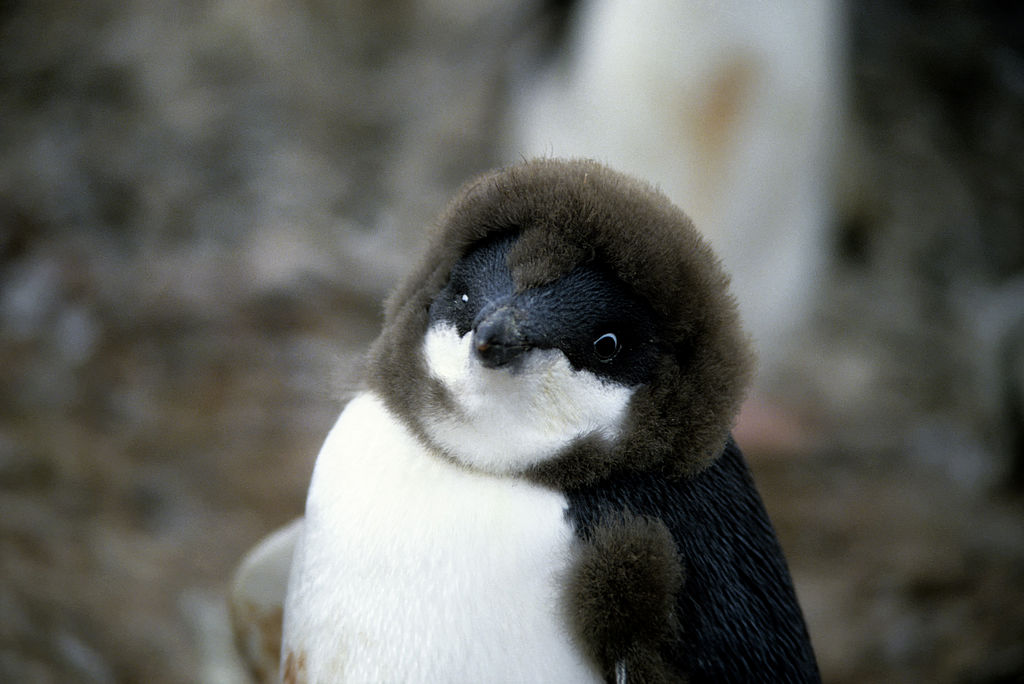
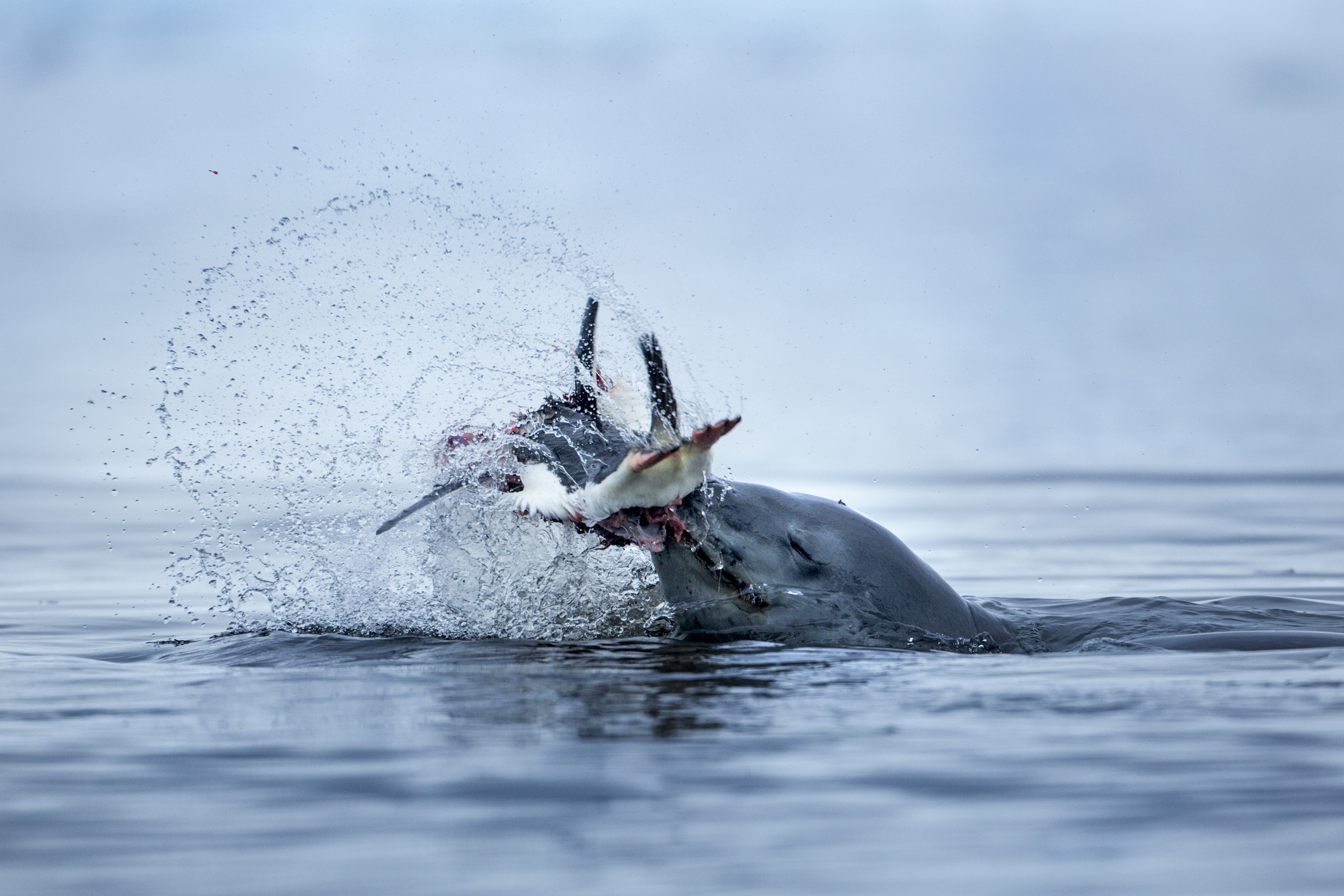
Adelie penguin chick during its moulting period, aged between 7–8 weeks old. This species undergoes a major moult every year, usually in February or March as the warmer season approaches. They lose all their old, damage feathers over a three-week period (Photo by Wolfgang Kaehler/LightRocket via Getty Images)Leopard seal shakes and kills a gentoo penguin, caught on the shoreline of Cuverville Island in Antarctica. Leopard seals ambush and hunt penguins near ice edges, but they only make up a small part of their diet – 45% of which consists of krill (photo by Paul Souders via Getty Images)
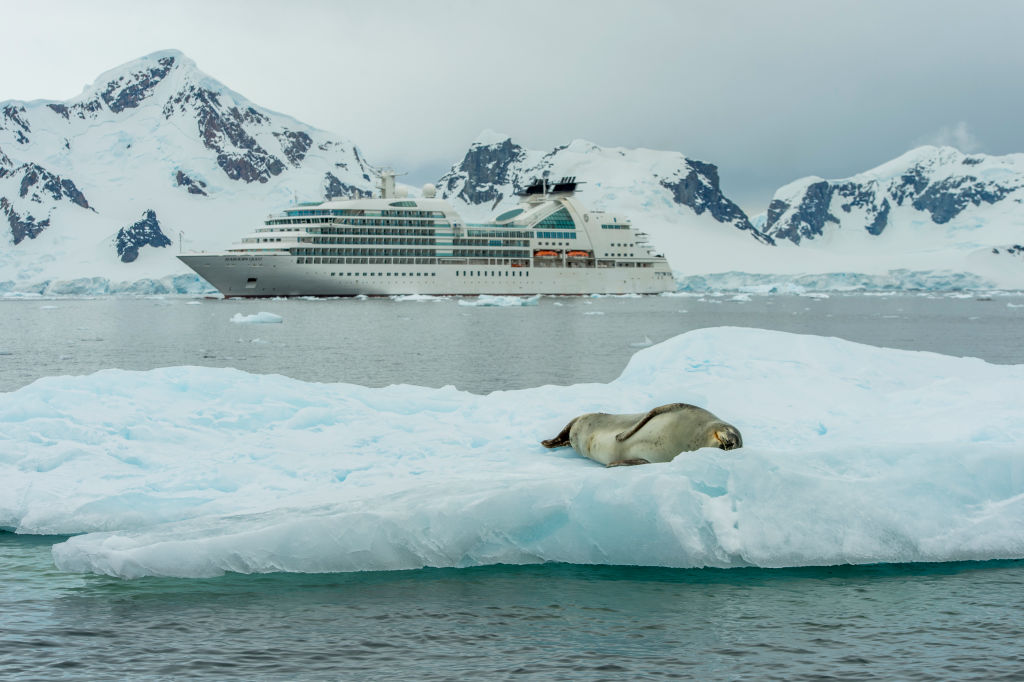
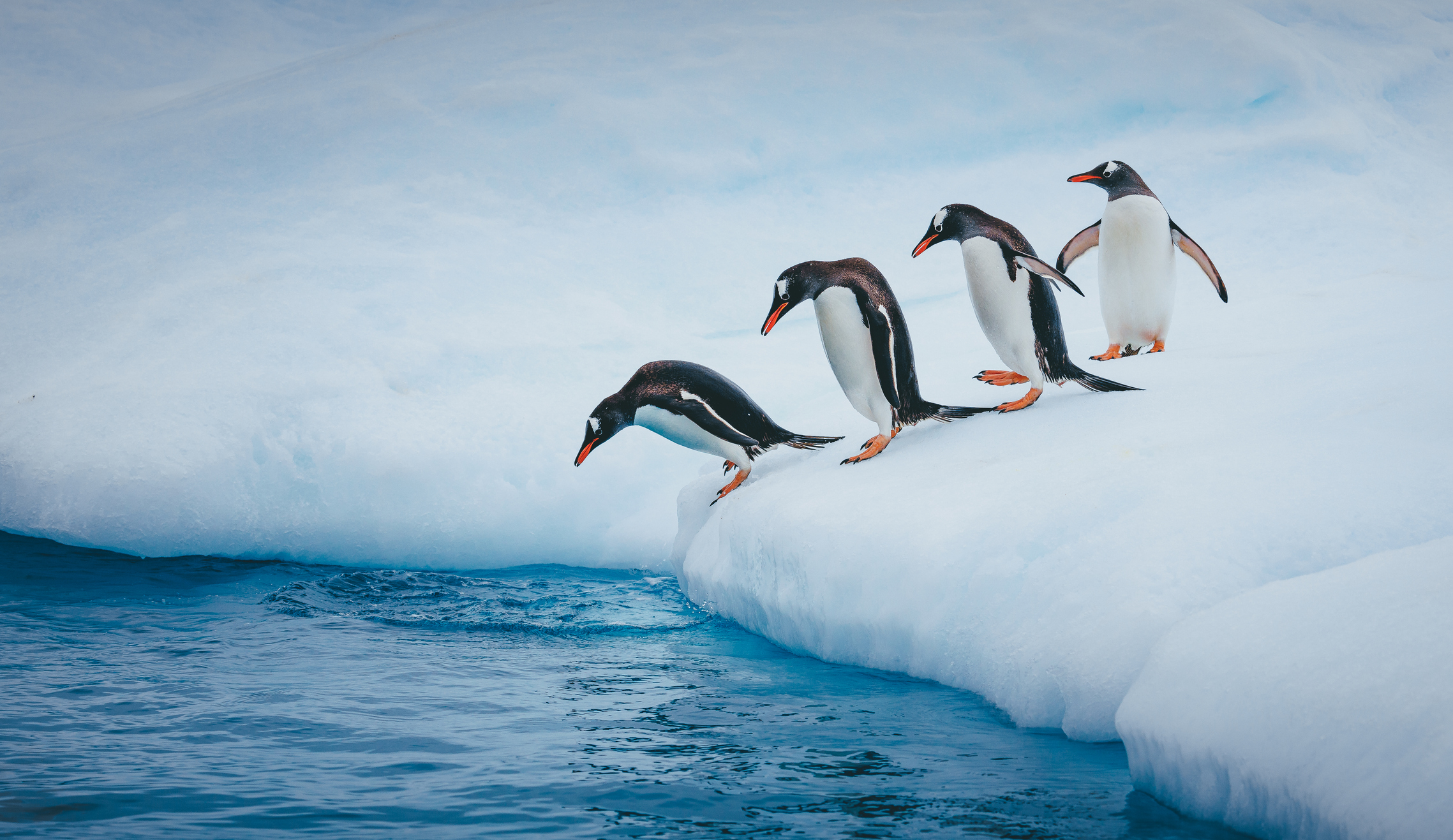
Cape petrels spotted along with other seabirds travelling by Antarctica's famous tabular iceberg, A57a. Icebergs are seen as 'ecological hotpots' in the ocean, particularly for seabirds, for whom they act as food and resting spots (Photo by Peter Orr Photography via Getty Images)The cruise ship Seabourn Quest in Paradise Bay is visible in the background, as a leopard seal rests on an ice floe. Larger cruise ships travel through Antarctica, giving hundreds of tourists the opportunity to see wildlife from the decks and windows of the boat (Photo by Wolfgang Kaehler/LightRocket via Getty Images)Gentoo penguins enter the frigid waters of Antarctica. Gentoo penguins are the fastest-swimming penguins in the world, reaching underwater speeds of up to 22mph (photo by David Merron Photography via Getty Images)
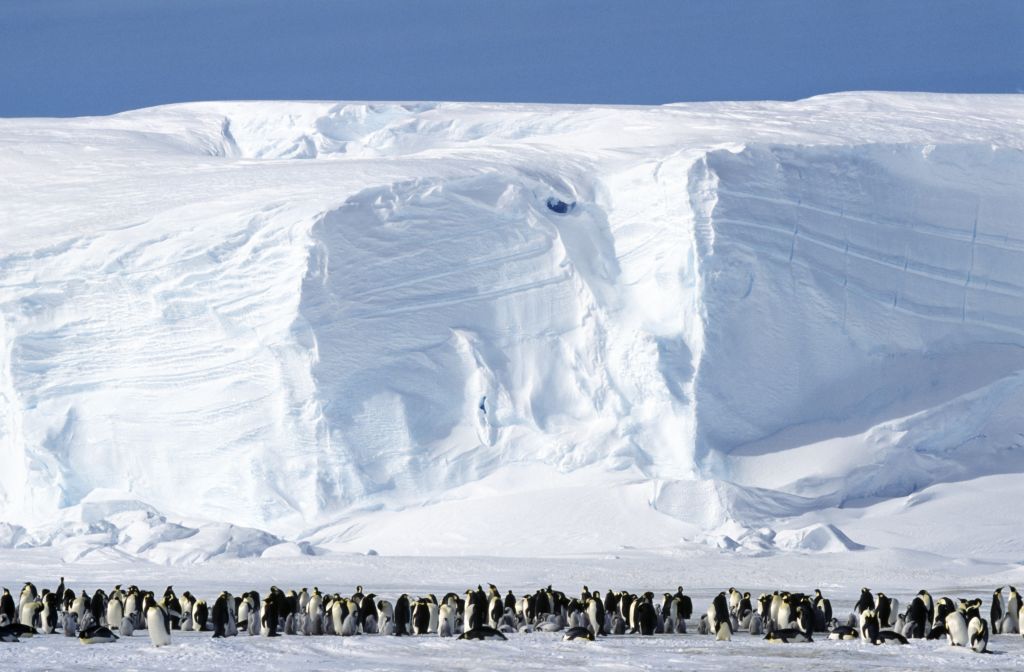
Emperor penguins by the Dawson Lambton Glacier, Antarctica. They survive brutal conditions by forming enormous huddles, which rotate, giving each member warmth in challenging conditions (Photo by Fritz POLKING/Gamma-Rapho via Getty Images)
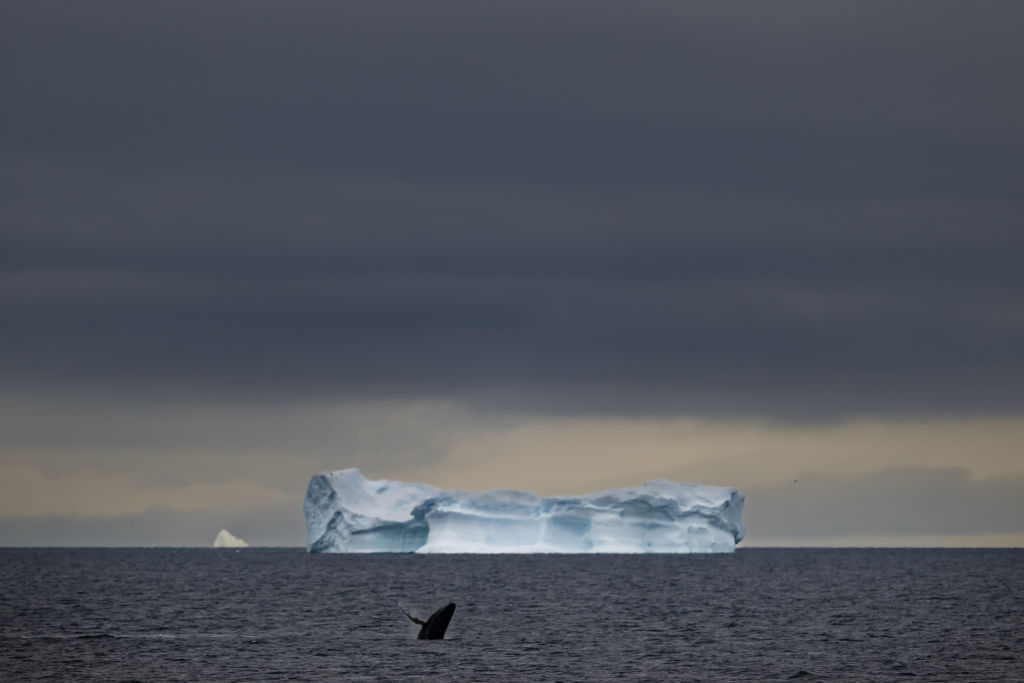
Humpback whales are often seen at Gerlache Strait, which separates the Palmer Archipelago from the Antarctic Peninsula. This photo was captured as part of Turkish scientists' fieldwork on Horseshoe Island. The Gerlache Strait features spiky blue icebergs and is a whale hotspot (Photo by Sebnem Coskun/Anadolu Agency via Getty Images)
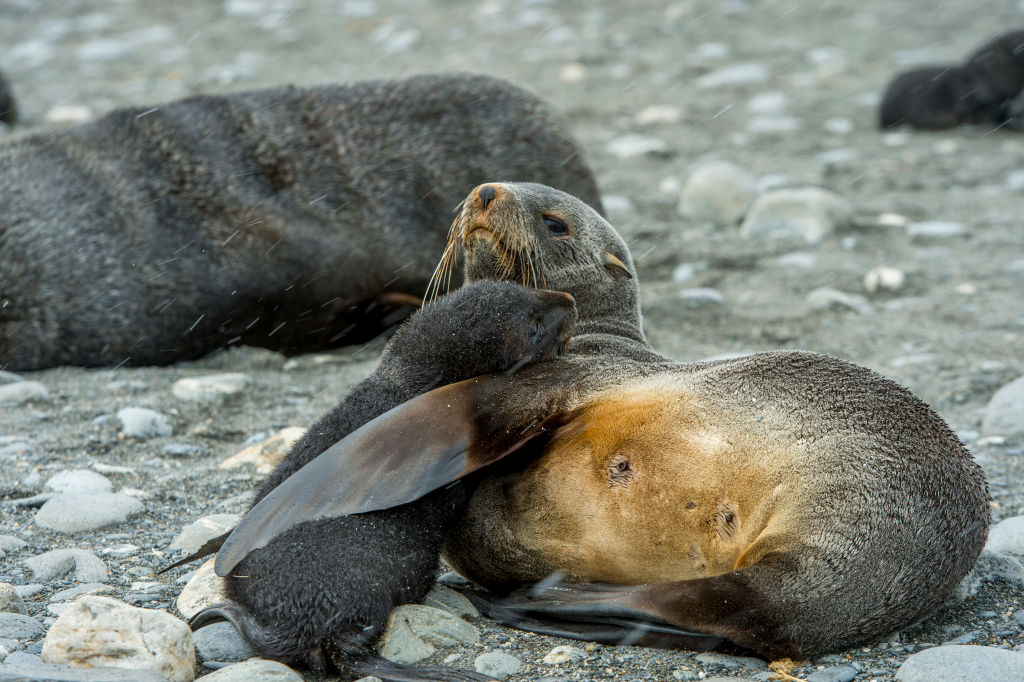
Antarctic fur seal mother with her pup on a beach at Salisbury Plain on South Georgia Island, Sub-Antarctica. Antarctic fur seals are smaller than other species of seal found in the area, and are found in the Southern Ocean, with more than 95% of the population breeding on South Georgia, the enormous mountainous island renowned for its high concentration of wildlife (Photo by Wolfgang Kaehler/LightRocket via Getty Images)
More amazing wildlife stories from around the world