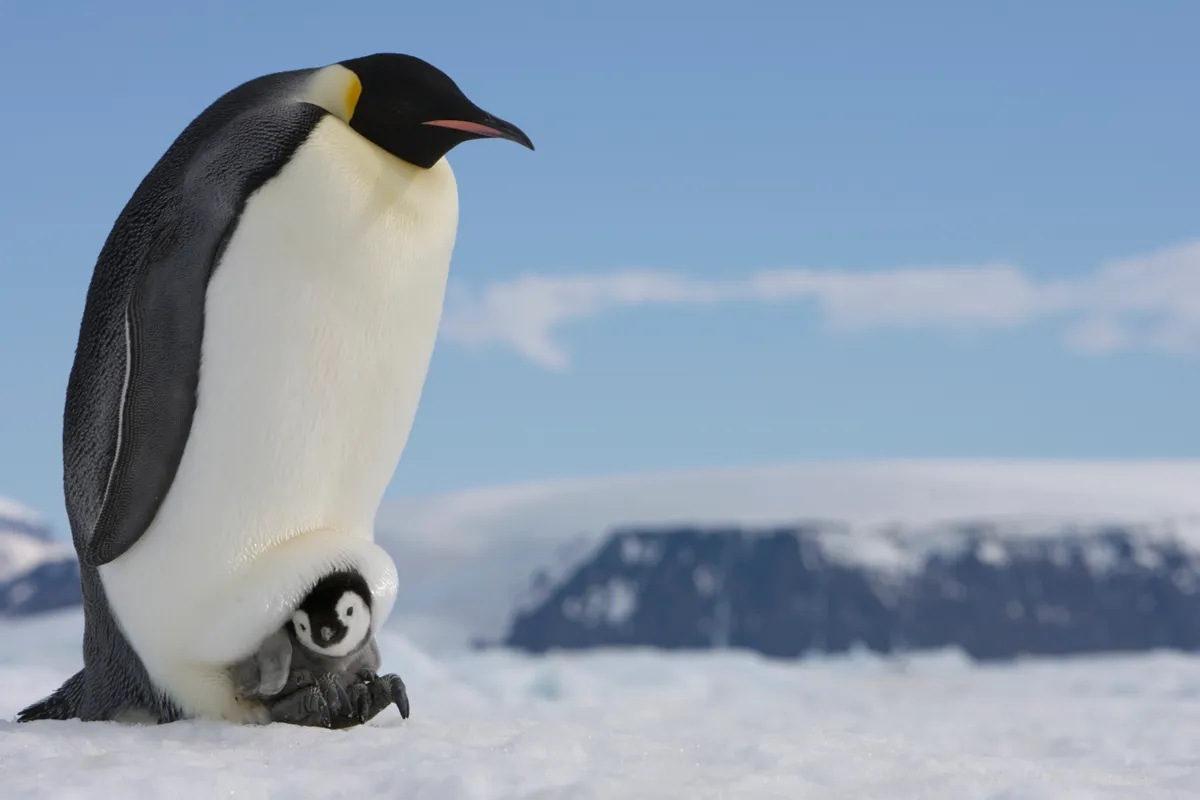
The erect-crested penguin is one of four extant penguin species currently listed as Endangered on the IUCN Red List. Now a groundbreaking species-wide assessment of all the breeding colonies of these penguins has revealed new information crucial for the future conservation and survival of the species.
- Amazing new penguin discovered for first time in over 100 years
- “They’re just waddling around in their poop.” Penguin poop is melting snow in Antarctica. Here’s how
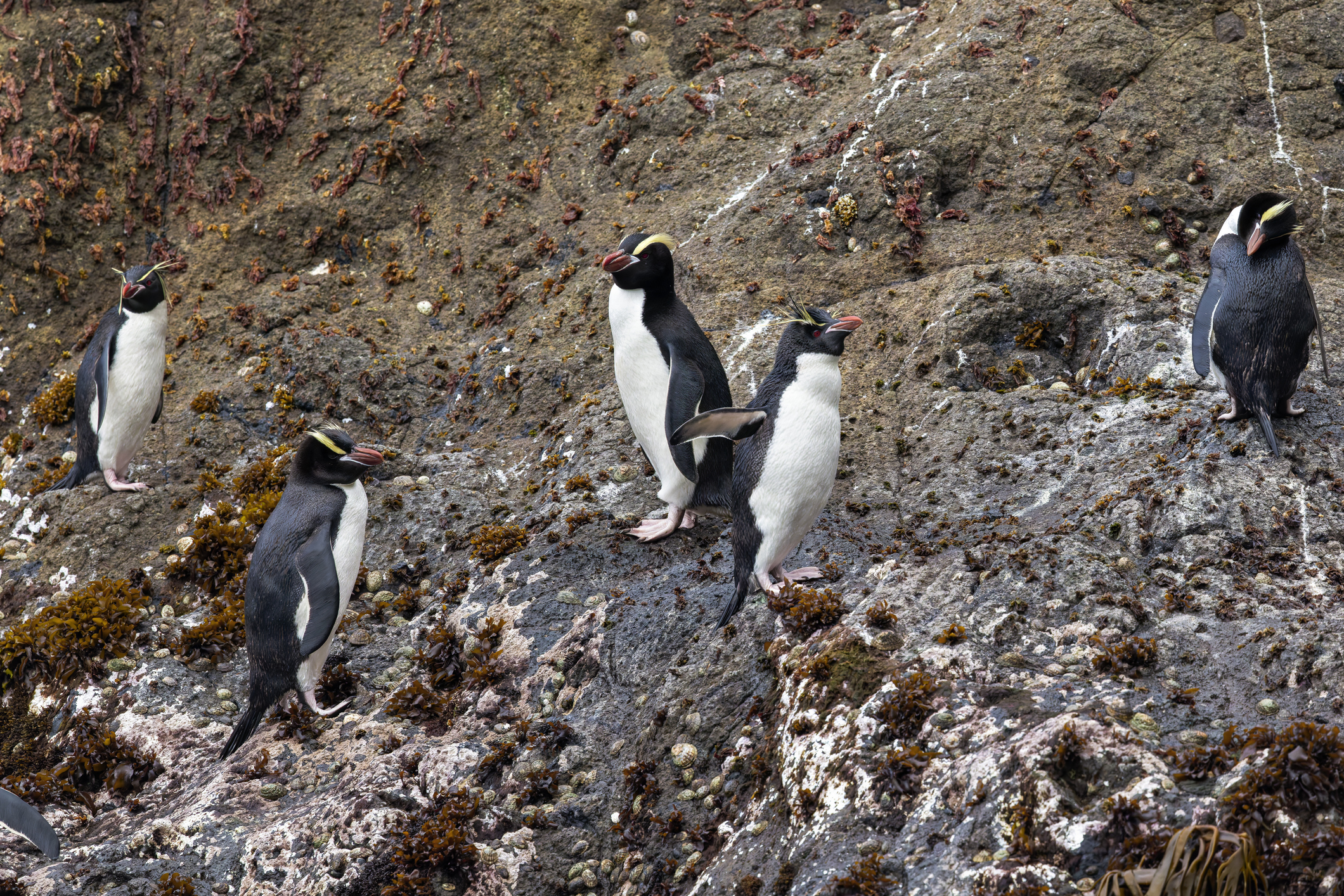
The erect-crested penguin (Eudyptes sclateri) is limited to two remote groups of subantarctic islands – Bounty Islands and Antipodes Islands – which lie in the Southern Ocean, around 800km southeast of New Zealand’s South Island. The two archipelagos are separated from each other by approximately 200km of open ocean.
The research, conducted by scientists from the University of Otago in New Zealand, in collaboration with the Antarctic Research Trust and the Global Penguin Society, was carried out between 2022 and 2024, and the findings are published in the journal PLOS ONE. The scientists used drones to photograph and count every breeding colony across both islands.
The Antipodes are roughly 40 times larger in area than the Bounty Islands and have historically been considered the stronghold of this penguin species, with an estimated 52,081 breeding pairs in 1995. But the new data shows a much more complicated story.
“The results overturn a long-standing assumption,” says Thomas Mattern, an ecologist at the University of Otago and the lead author of the study. “The tiny Bounty Islands, at just 50 hectares, were found to hold almost as many breeding pairs (about 27,800) as the Antipodes Islands (about 29,800).”
And, perhaps more surprisingly, the two populations are on two entirely different paths. When compared to historical records going back to the mid-1990s, the smaller colony of the Bounty Islands appears to have remained stable and almost unchanged for at least 25 years.
Meanwhile, the Antipodes Islands population has lost more than 40 per cent of individuals in the past three decades.
- Scientists X-rayed ancient penguin bones from remote Antarctic island. Here’s why
- Ginormous king penguin colony filmed on remote Atlantic island. The sound of it is ear-splitting
The threats
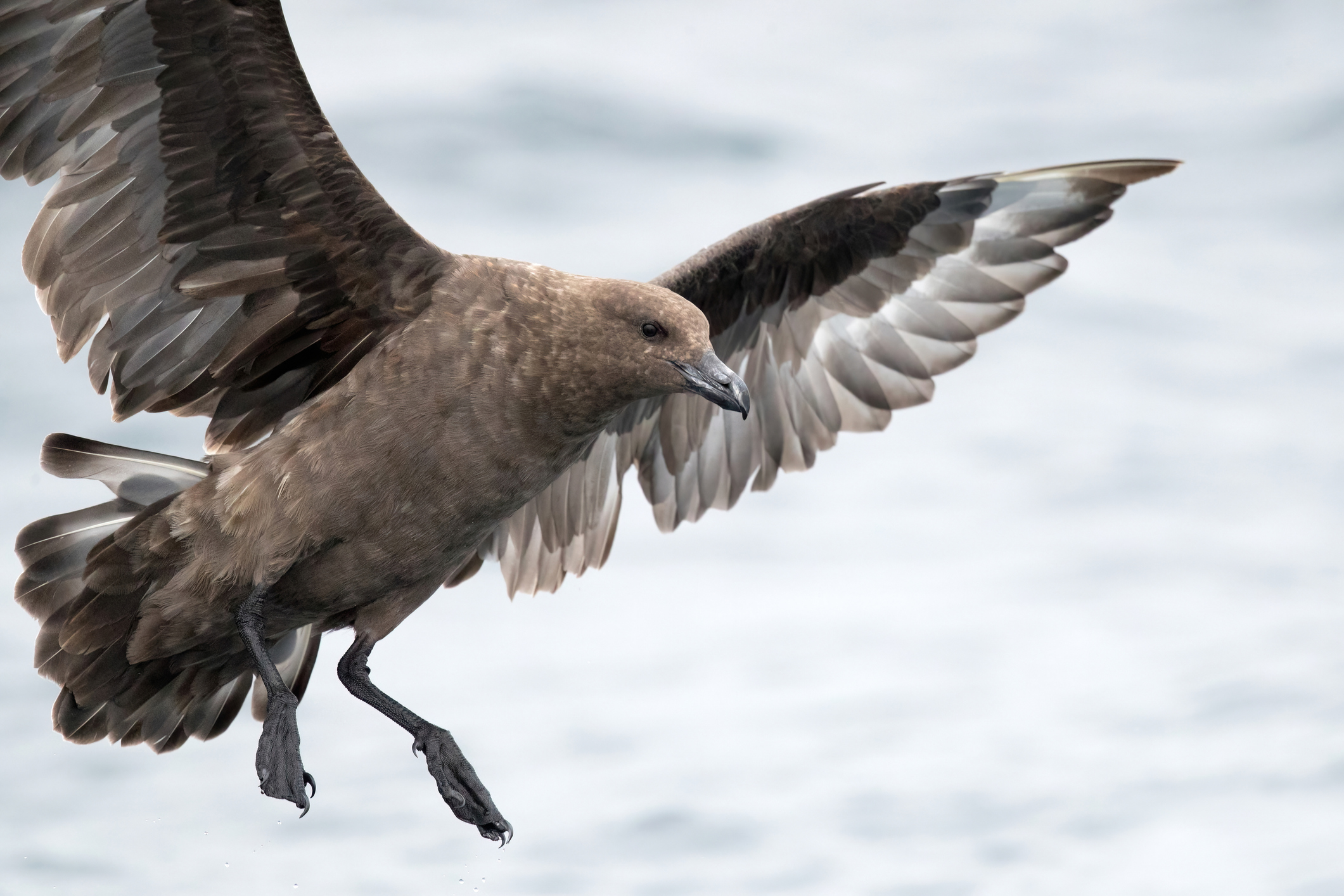
According to Mattern, there are many reasons for this declining trend, including predators, weather and migration routes. On land, one of the more dangerous predators for penguins living on the Antipodes is the skua – a native subantarctic bird that preys on their eggs and chicks.
“As Antipodes colonies have shrunk over recent decades, the collective defence they once provided against the skua has weakened, allowing predation losses to increase and colonies to fragment further,” says Mattern.
In the most extreme cases, small groups of less than 10 breeding pairs can experience a near-total chick mortality due to skua predation.
It’s also possible that erect-crested penguins became more of a target after the drastic decline in the eastern rockhopper penguin population (Eudyptes filholi) on the Antipodes archipelago in the second half of the 20th century. Today, less than 1,000 breeding pairs of this species remain on the Antipodes Islands.
“As rockhoppers disappeared, skuas may have turned to erect-crested penguin eggs and chicks instead,” says Klemens Pütz, from the Antarctic Research Trust and co-author of the study.
Another factor working against the Antipodes population is increasingly severe storms, often followed by landslides, which permanently alter the physical features of the land, further fragmenting the population and exposing it to more predation.
Because of the differences in the oceanic habitats around the Antipodes and the Bounty Islands, the two populations also behave differently outside of breeding season. After breeding, Bounty Islands birds stay close to home, only averaging a distance of around 300km away. This is because this archipelago sits right next to the Subtropical Front, a rich feeding zone.
In contrast, Antipodes birds head far south, over 1,000km from their colony, reaching cold waters near Antarctica. These waters are increasingly disrupted by marine heatwaves across the South Pacific, which can affect food supplies, contributing to lower survival rates among these penguins.
Schrödinger’s penguin
When it comes to conserving these penguins, the researchers argue that general assessments that don’t consider various populations of the same species (which might be facing different pressures) have significant drawbacks.
When risk assessments are conducted at the global species level, the resulting status puts those different populations in the same box. The researchers have dubbed this conundrum ‘Schrödinger’s Penguin’, in reference to the widely-known thought experiment in which a cat in a box exists in two states (alive and dead) simultaneously – until someone opens the box and checks. In this case, the logic works in reverse.
“With Schrödinger’s cat, opening the box settles the question one way or the other,” says Mattern. “With erect-crested penguins, it’s the opposite. From a distance, without proper surveys, everyone assumed there was a single answer for the whole species.
“Once we actually opened the metaphorical box and looked, we found there wasn’t one state at all, but two: stable on the Bounty Islands, declining on the Antipodes Islands.”
The current IUCN Red List ranking of the erect-crested penguin (most recently assessed in 2020) is, according to Mattern, based on the inflated population estimates from the 1970s. Paradoxically, a general reassessment against the new data would most probably improve the ranking to Vulnerable.
But it would simultaneously mask the severity of the Antipodes population and downplay the importance of protecting the Bounty Islands population.
“A single, ostensibly improved threat ranking is like putting the lid back on Schrödinger’s box, trading a convenient illusion for the stronger protection the Bounty Islands population actually needs,” argues Mattern.
Read the full findings here.
Top image: group of erect-crested penguins (Eudyptes sclateri) on the Antipodes Islands, New Zealand. Credit: Marc Guyt/Getty Images