
A study has found that red-winged blackbirds will react differently to venomous and non-venomous snakes when defending their nests, even if they are unfamiliar with the specific species.
Researchers from the Oregon State University placed lifelike facsimiles of predators within a few metres of active red-winged blackbird (Agelaius phoeniceus) nests to monitor their reaction.
They were exposed to various mammalian, avian and reptilian species including the gopher snake (Pituophis catenifer), the brown-headed cowbird (Molothrus ater), which is a brood parasite, and, as a control species, the song sparrow (Melospiza melodia) which offers no known threat.
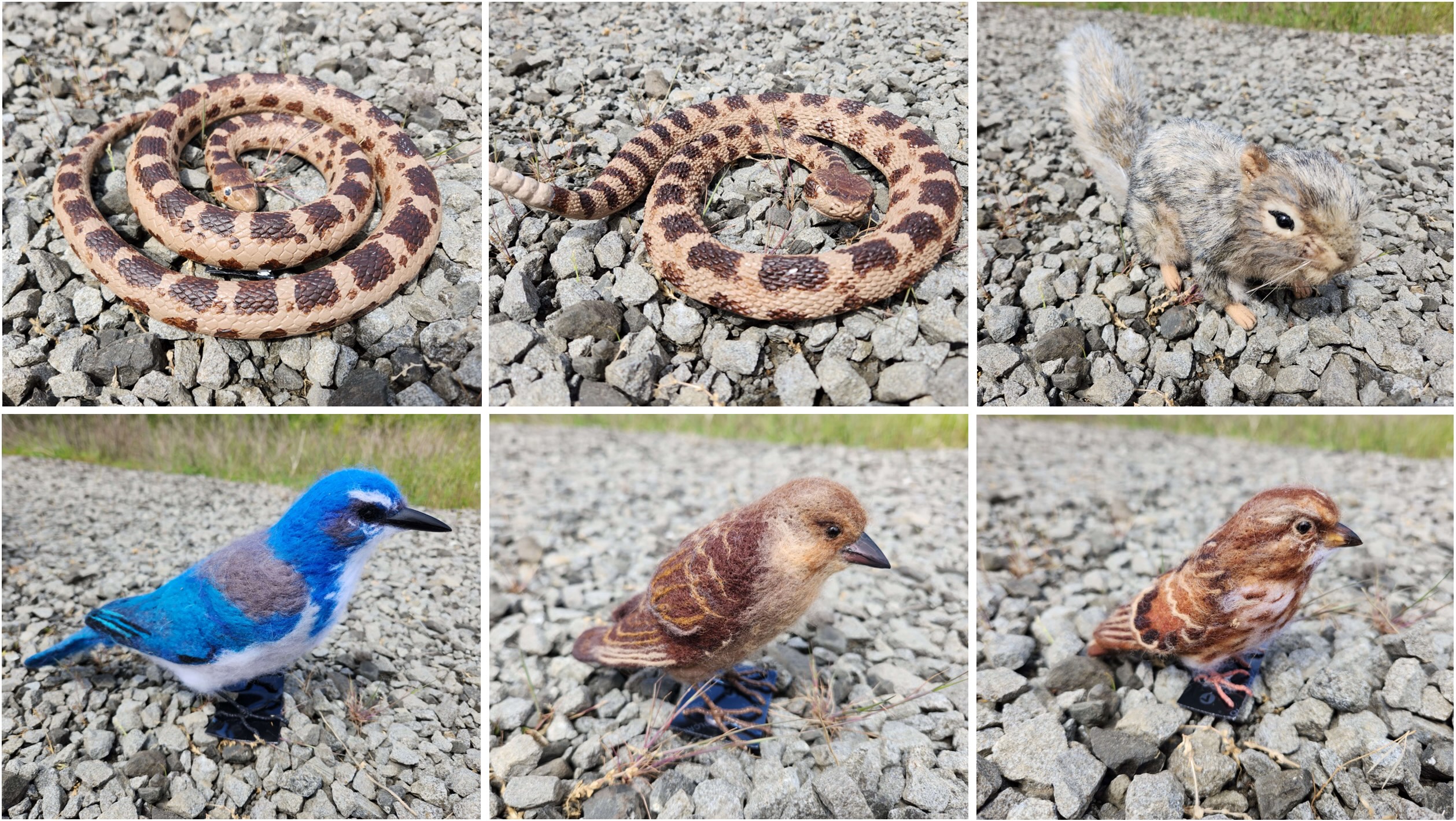
Despite the greater risk to the adults, the blackbirds showed no greater caution in response to snakes, although their behaviour differed between species.
Tests at dozens of nests showed that blackbirds physically struck a rattlesnake (Crotalus sp) on just a single occasion, whereas more than 80 strikes were made on non-venomous gopher snakes.
“In our experiment, the gopher snakes and rattlesnakes represented medium-sized adults that would be unlikely to pursue healthy adult blackbirds but definitely able to injure them during close-range nest defence,” explained Shelby Lawson, leader of the study. “And obviously a rattlesnake’s venom makes it inherently more dangerous to deal with.”
The blackbirds within the study were unlikely to be familiar with rattlesnakes, which, although native to western Oregon, were persecuted to near extinction in the region during the 19th century. Despite this, the blackbirds seemed aware of the added venomous threat that the rattlesnakes carry.
“We don’t know whether that’s because they recognised the danger or if there’s something about the viperid features or the rattle that gave the birds pause,” said Lawson.
- Fierce, majestic – and built to kill: the world's biggest and mightiest birds of prey
- The weirdest animal homes: 10 extraordinary shelters by nature's best architects
Red-winged blackbirds are widespread across North America and are noted for forming huge winter flocks. They nest in loose colonies in the spring and are typically polygynous, with males then becoming territorial in behaviour. Although they will show aggression to one another during this period, blackbirds will often unite against a common threat.
The study, published in Behavioural Ecology, found that defensive actions of the red-winged blackbirds would alter between the period of incubation and hatching of eggs. With nestlings to protect, adults were more likely to physically strike predators rather than harass or distract. This did not include the rattlesnake, however, with blackbirds seemingly aware of the increased risk of damage to themselves.
“This is the first paper to test responses of breeding birds to both non-venomous and venomous snakes within a parental investment theory framework,” Lawson explained. “We still don’t fully know how birds recognse or make decisions regarding snakes despite them being a major threat to their nests, and this study is a good step toward understanding that.”
Find out more about the study.
Top image credit: Russell Campbell
More wildlife stories from around the world
- Remote cameras capture woodcocks aggressively charging deer in West Virginia
- More than 1,000 rattlesnakes caught in Michigan wetlands. What scientists find in their DNA is concerning
- Oregon’s biggest city was drowning in crow poop. Then a new predator came to town
- “I was photographing seabirds on a remote island off Norway. Then a huge predator appeared from nowhere”
- Great crested grebe seen drowning and eating chiffchaffs in Spain


