Tiny yet deadly. When thinking of things in nature that could kill you, seeds are probably not the first thing that comes to mind - but don't be fooled, as they can carry some of the deadliest toxins out there.
- "Ingestion can lead to liver failure, kidney failure, encephalopathy, and death" – 10 deadliest poisons found in nature
- Nature's deadliest poisons and toxins can kill in minutes – here's the terrifying reason why…
Here are eight seeds you should really steer clear of.
8 of the world's most deadly seeds
Rosary pea (Abrus precatorius)
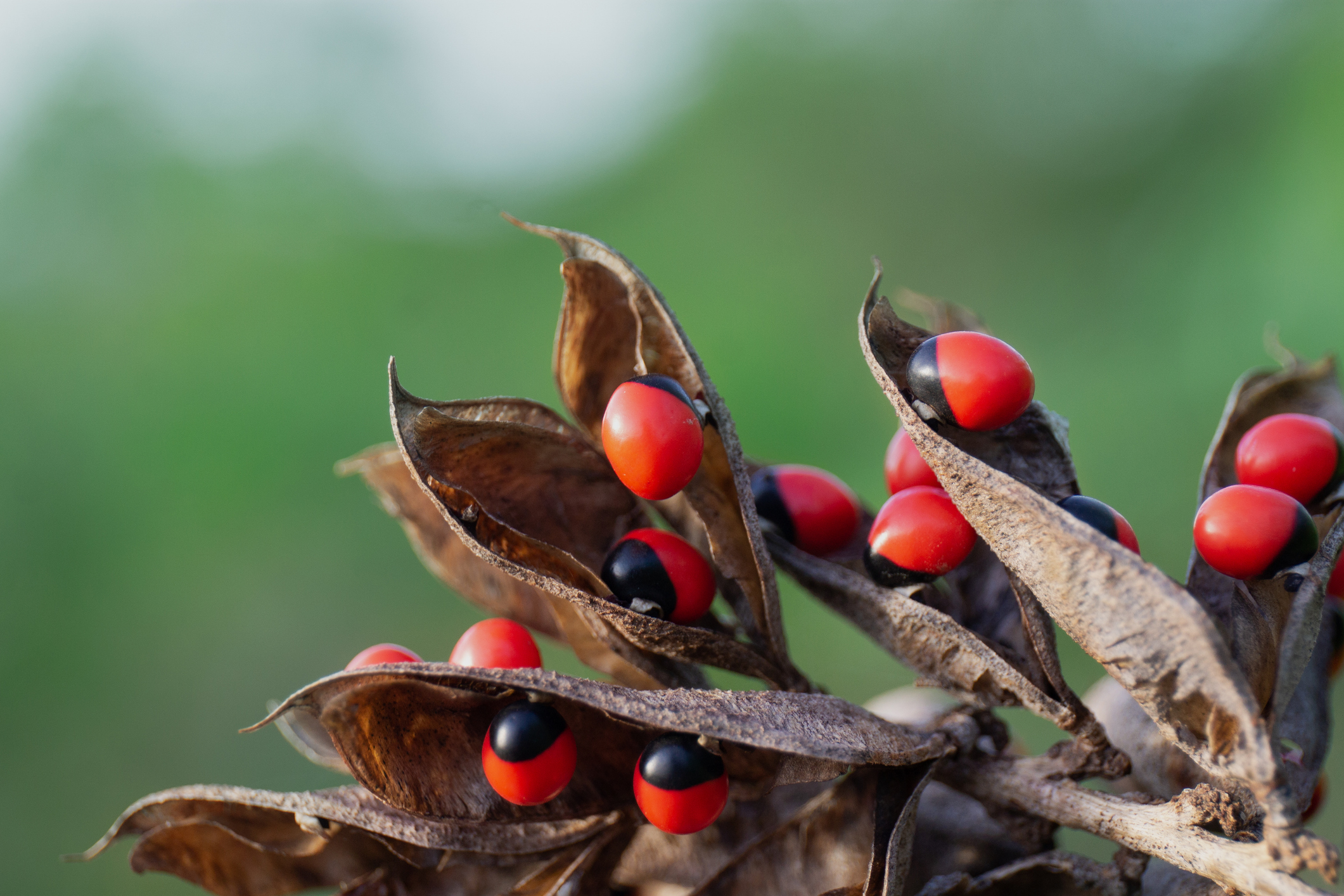
Native to Asia and Australia, the rosary pea is often known as the jequirity bean and while its flowers look jolly, if even one of its seeds is ingested, both adults and children are at risk of death.
Considered highly invasive, it is usually found in warm temperate and tropical areas and has been introduced by humans because it is popular as an ornamental plant and spread by birds. The seeds are often made into jewellery because of their bright colour, although Kew Gardens suggests avoiding wearing the seeds altogether would be best.
The main toxin in the seeds is abrin, which is a poison similar to ricin, except more deadly. Symptoms of poisoning include nausea, vomiting, convulsions, liver failure and death after a few days of suffering.
Castor bean (Ricinus communis)
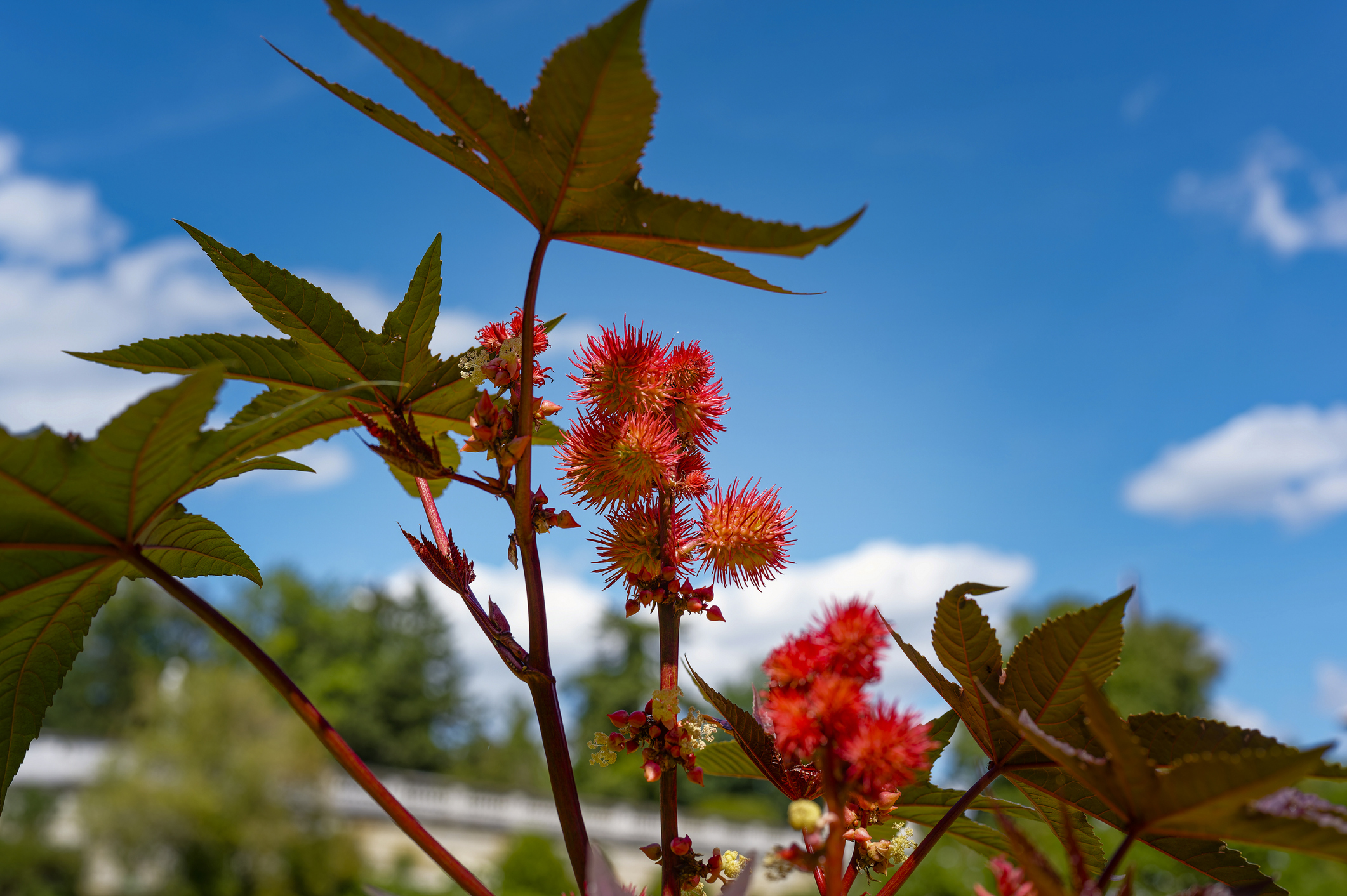
The castor bean, or castor oil plant is a perennial plant that you'll find growing in many tropical regions. The source of castor oil, the seeds contain ricin, which inhibits protein synthesis in the body, leading to cellular death and organ failure within 3-5 days.
It's been used as a biological weapon in the past – in the UK, Ricin falls under the Chemical Weapons Act 1996 which means it is illegal to acquire, produce, possess, or use without an appropriate licence issued by a UK National Authority.
The seed has been found in Egyptian tombs and mentioned in the 'Ebers Papyrus', while ancient Greeks used to use castor oil as an ointment to help heal wounds and to burn for light.
Pangium (Pangium edule)
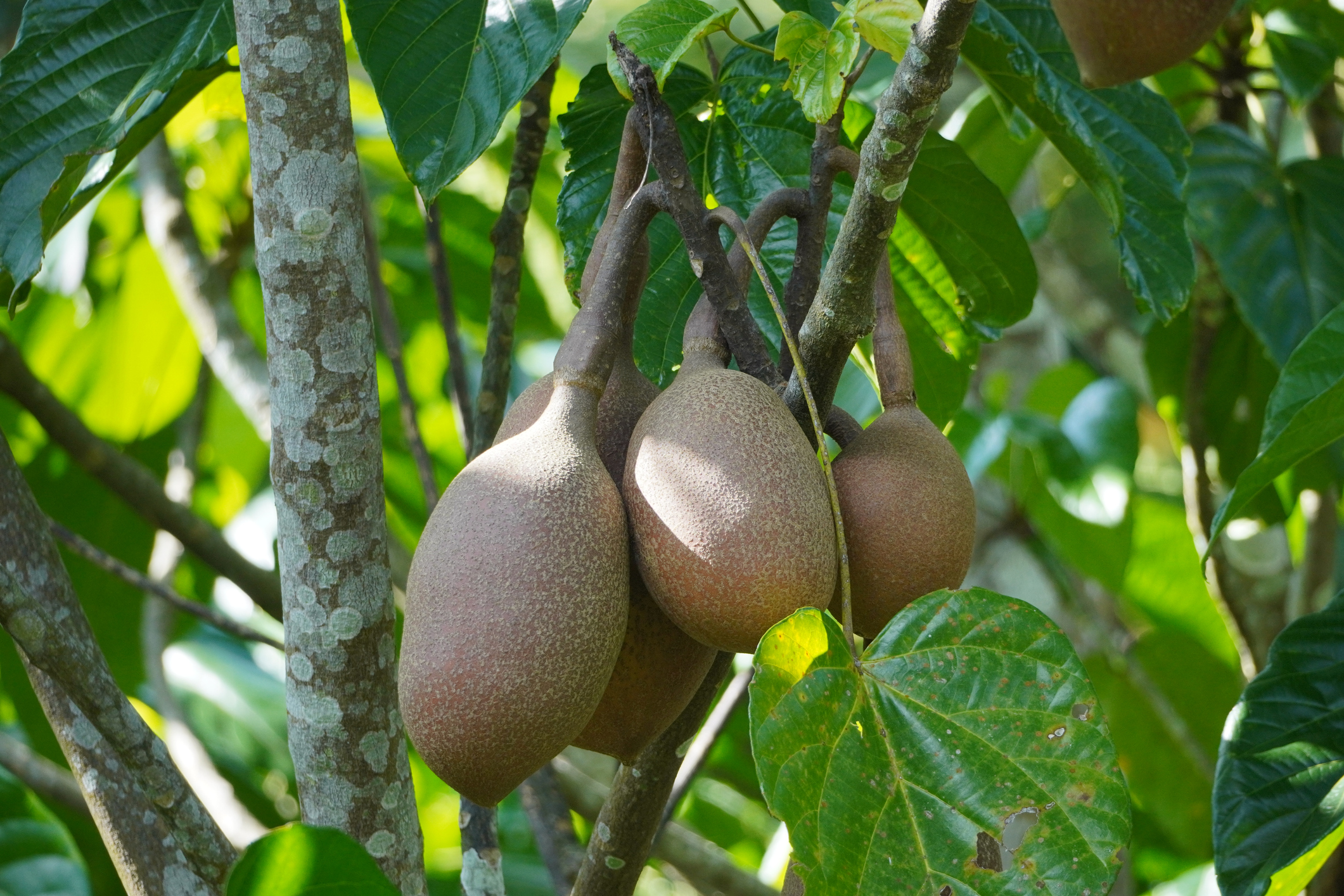
This tall tree hails from the mangrove swamps of Southeast Asia, has heart-shaped leaves and takes a long time to mature, which means you'll struggle to get seeds from any cultivated plant. Both the seeds and the fruit of the plant contain hydrogen cyanide, and are deadly poisonous.
Despite this, the seeds are still eaten in Indonesia, but they are prepared very carefully in a process that includes boiling and burying them for 40 days. The seeds can be used to make a gravy called rawon, as well as other soups. Interestingly, the seeds are poisonous to humans, but not to babirusa - a type of pig from Indonesia.
Hemlock (Conium maculatum)

While all parts of the hemlock plant are highly toxic to humans and animals, it is the seeds and roots that are most dangerous. Containing coniine, the seeds are highly toxic with as little as 150mg of coniine being fatal. That amount can be found in around 6 leaves and a small number of seeds.
Hemlock poison is quick to act, but it will result in a slow and painful death. Symptoms can range from vomiting, seizures, respiratory failure, to paralysis and kidney failure and there is no specific antidote available.
Suicide tree (Cerbera odollam)
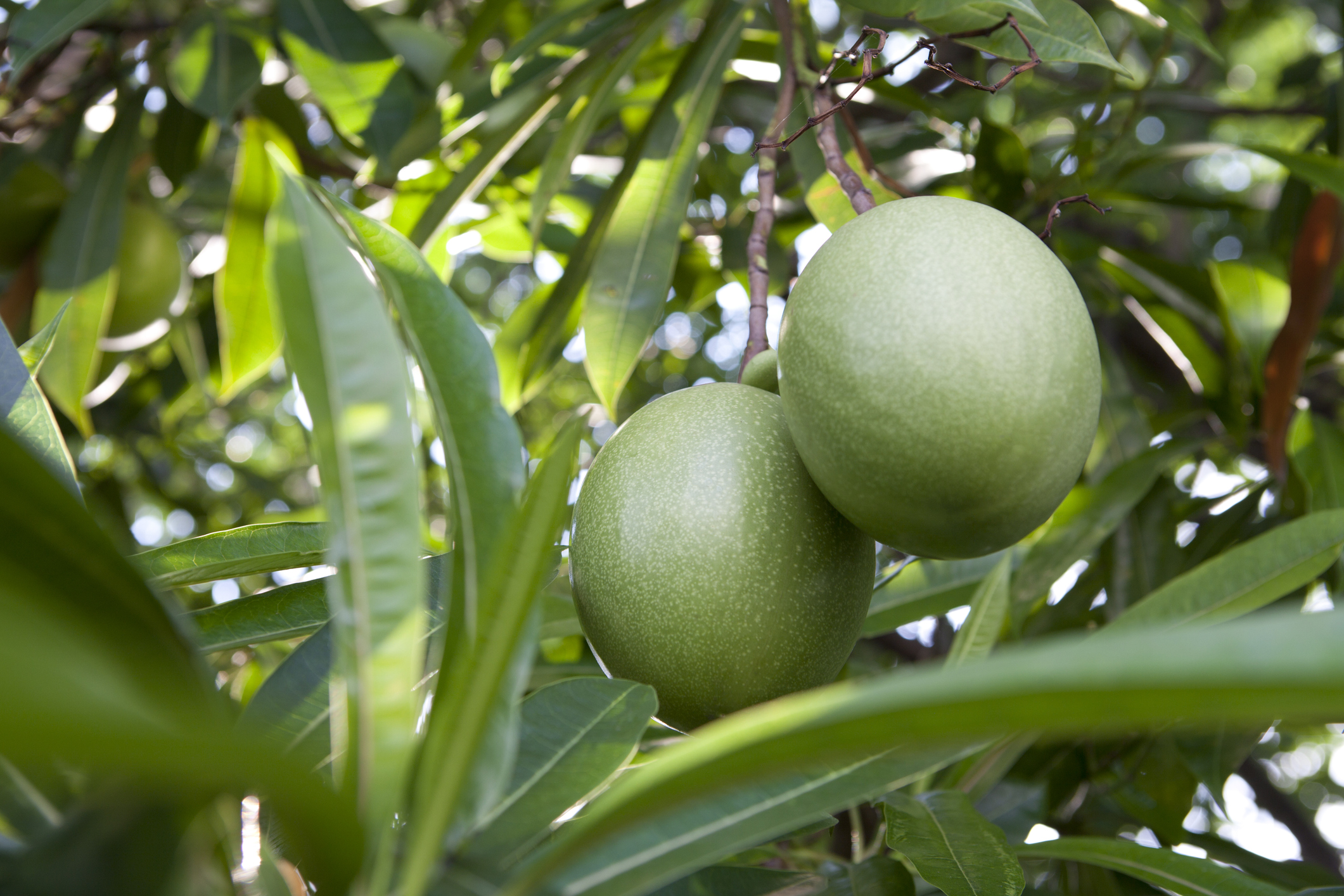
Also known as ‘pong-pong’ to inhabitants of South East Asia, it grows orange fruit that look delicious, but don't be fooled. Each fruit contains one or two large seeds packed with concentrated toxins. The most potent of these, cerberin, works by disrupting the molecular pumps that regulate the heart's rhythm.
Just 30 milligrams of these potent toxins is enough to kill normal sized adult – usually in a very painful manner. Left untreated, the progression is grim: nausea and vomiting give way to cardiac arrest.
Worryingly, it’s relatively mild to the taste, so you probably wouldn’t notice any parts of the suicide tree in your cup of tea.
In 2004, a study found that Cerbera odollam was responsible for about 50 per cent of plant poisoning cases and 10 per cent of all poisoning cases in Kerala, India.
Four o'clock flowers (Mirabilis jalapa)
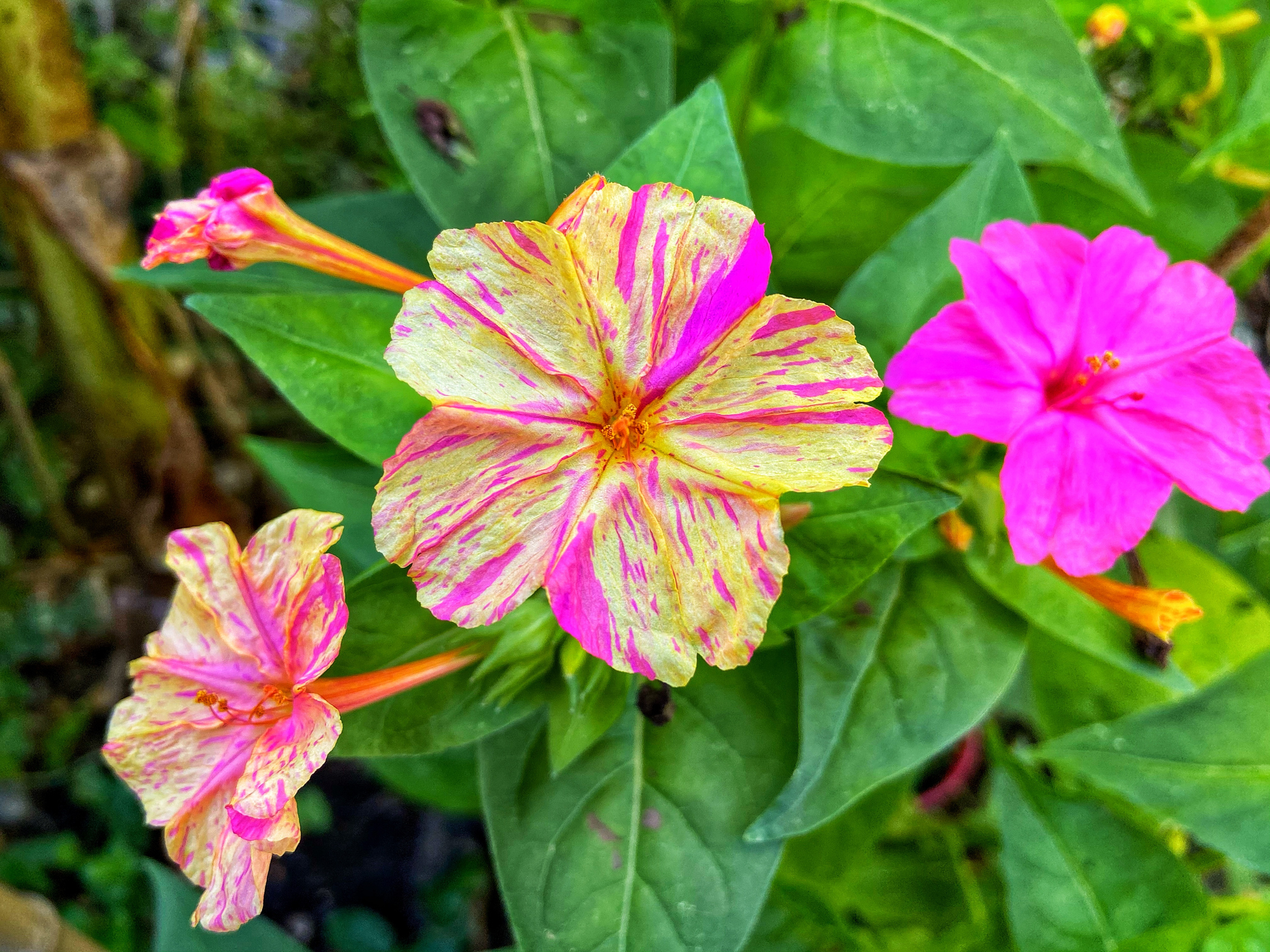
While the flowers are highly prized for their beauty, the seeds of the Mirabilis jalapa plant are toxic.
Dubbed the four o'clock flower because of the way the flowers usually open from late afternoon, the plant arrived in Europe from its native north, central and south America in 1525. It is thought the seeds were used in medicine by the Aztecs, but they do contain toxins and can be poisonous if ingested in large quantities. This means it's very important to keep them out of reach of children and pets.
Morning glory
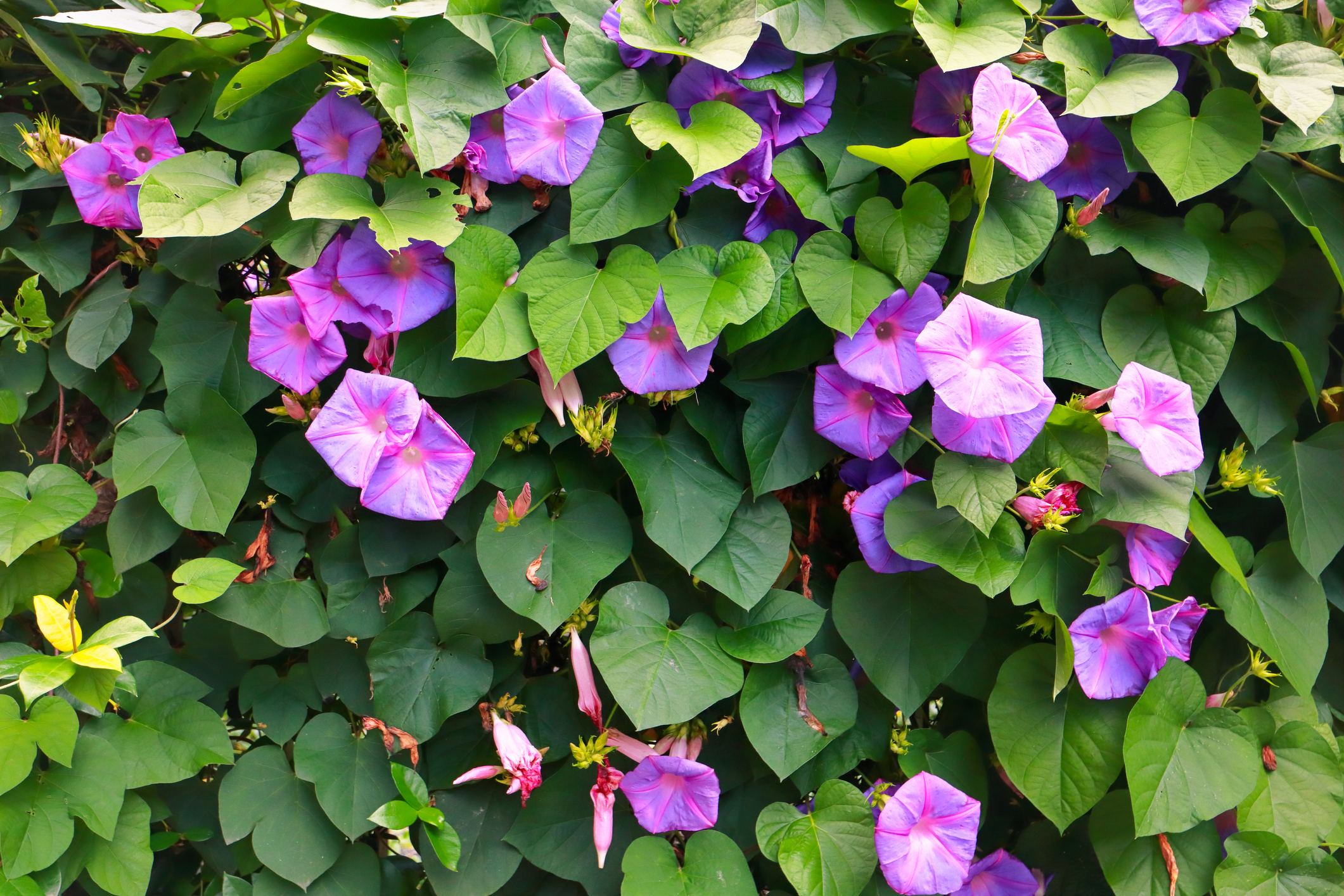
As the name suggests, most morning glory flowers open early in the day - and although they look beautiful, they harbour a deadly secret.
The flowers themselves are not dangerous. But the seeds of morning glory contain a chemical called lysergic acid amide, a substance closely related to LSD. It's particularly dangerous for children and pets.
Eating enough of them can cause many types of symptoms, from bad stomach pain, throwing up, diarrhoea, to hallucinations.
Common stone fruits
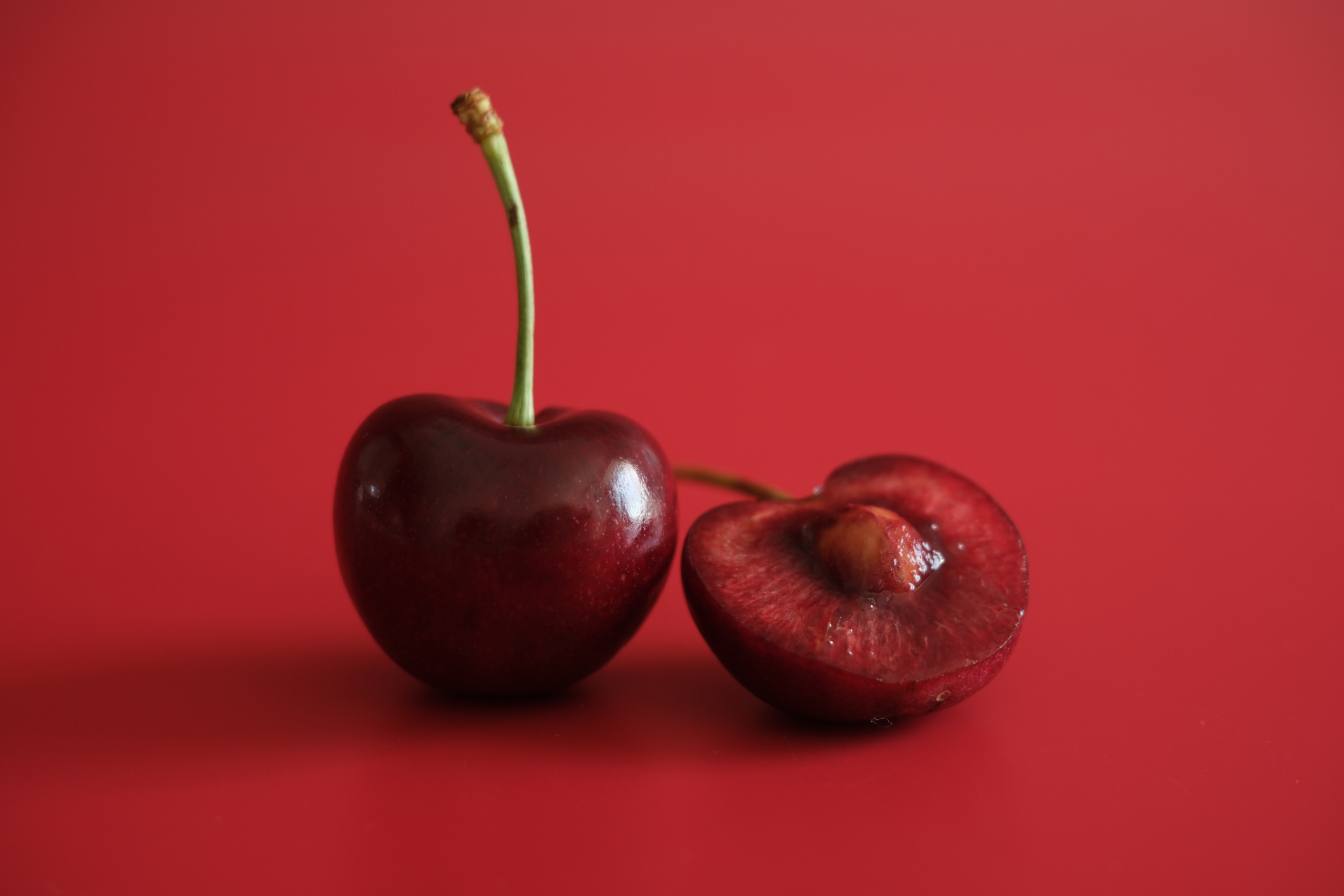
This entry might be surprising - and don't worry, if you accidentally swallow an apple, cherry or apricot seed or two, you won't drop dead. In fact, you will be totally fine - what you should avoid is crushing the seeds down, chewing them for a long time, or swallowing large quantities.
Seeds of most common fruits contain a plant compound called amygdalin - and when these seeds are chewed or crushed, the body breaks it down into cyanide, which prevents cells from using oxygen. Symptoms of cyanide poisoning include headache, difficulty breathing, fainting, seizures, coma and cardiovascular collapse.
The amount of amygdalin in the pits of stone fruits varies widely, both between different types of fruit and even within the same type of fruit depending on where they've been grown. Find out more here.
Top image: Weber/Getty Images