
A king cobra can deliver enough venom in a single bite to kill a human, a box jellyfish can deliver a potentially fatal sting, while some cone snails can paralyse fish before they have a chance to escape.
But which animal possesses the fastest-acting venom on Earth?
The answer might surprise you. Because when it comes to speed, the most effective venom isn't necessarily the one that kills. Sometimes, it's the one that causes such excruciating pain that a predator instantly lets go.
Venom is one of evolution's most extraordinary weapons, capable of triggering paralysis, unconsciousness, tissue damage and death. Yet measuring its speed is surprisingly complicated.
“In brief, no,” says Dr Kevin Arbuckle, Associate Professor in Evolution and Herpetology at Swansea University, when asked whether scientists can identify the world's fastest-acting venom.
“The fastest-acting venom in the world suffers from all the same issues as the question of ‘the most toxic venom’, plus the additional consideration of: ‘fastest to do what?’
“We simply don't have good information on the vast majority of venomous species,” he added.
But broaden the question beyond which venom kills fastest, and a fascinating evolutionary arms race emerges. And surprisingly, some of the speediest may be designed not to kill at all.
Why venom isn't always designed to kill
When it comes to speed, neurotoxins are among the most formidable venom components. They attack the nervous system – the body's rapid communication network – and can interfere with nerve signalling extremely quickly.
- “Effects range from internal bleeding to manipulating behaviour or liquifying a host.” These are the deadliest weapons in the animal kingdom
- Why jellyfish can still sting when they're dead
Dr Kevin says: “Neurotoxins, which attack the nervous system, are almost certainly the fastest-acting venom components as they are targeting an abundant and extremely rapidly firing physiological system.”
But evolution has produced other ingenious chemical weapons.
Some cone snails use “weaponised insulin”, which Kevin says “causes hypoglycaemic shock that renders fish unconscious extremely quickly”.
Some snake venoms contain components that cause blood vessels to dilate, rapidly reducing blood pressure and causing fainting. But neither, he says, is as fast as many venom neurotoxins.
Yet one of the fastest effects of venom may be much simpler: pain.
“I firmly believe that we need to consider venom actions as more than just killing,” says Kevin.
“If you are about to be eaten then speed is of the essence, and consequently defensive venoms almost always have evolved to cause immediate and intense pain.”
It explains why animals including bees, wasps, ants and many venomous fish have evolved defensive venoms capable of producing intense pain almost immediately.
For a predator pursuing its dinner, it may not matter if its venom takes a little time to work. But for an animal seconds away from being swallowed, speed is everything.
As Dr Kevin puts it: “Catching food can wait longer than surviving a predator.”
Scorpions take this strategy a step further essentially having two venoms within their stinger.
“The first sting injects a defensive venom that causes immediate pain in vertebrates like us, whereas subsequent stings have a venom more targeted to killing invertebrates as prey,” explains Dr Kevin.
In other words, they can reserve different chemical cocktails for defence and dinner - deploying the fastest one first when their own life may depend on it.
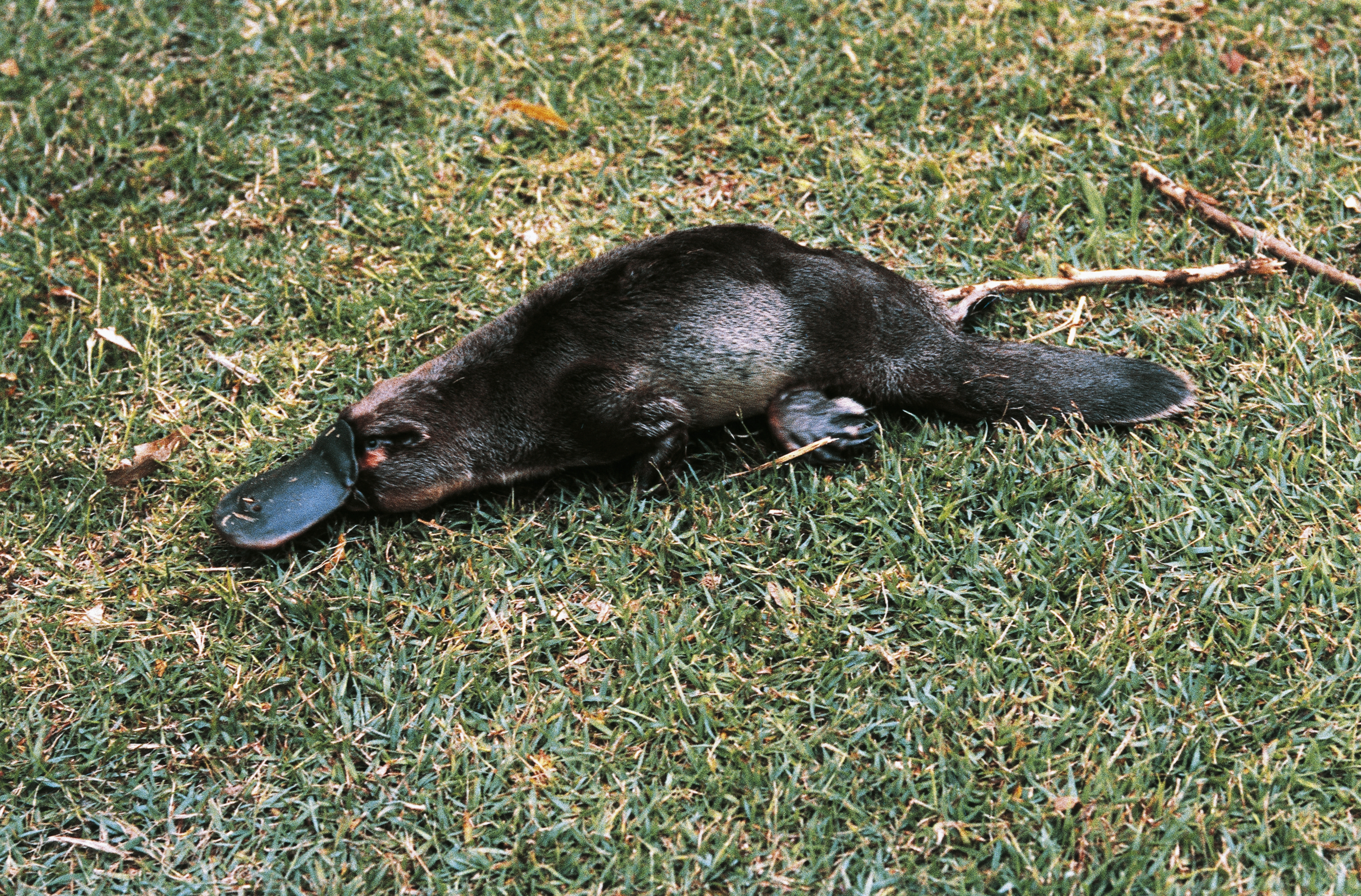
The platypus has taken another evolutionary route. Male platypuses possess venomous spurs on their hind legs, capable of inflicting immediate, agonising pain. But their principal targets are not animals trying to eat them.
“Platypus also have a venom that causes immediate and intense pain, but for different evolutionary reasons,” says Dr Kevin.
“Rather than having evolved primarily for defence, platypus venom is primarily used to fight other platypuses.”
In this case, venom is a weapon in battles between rivals rather than a means of capturing prey or escaping predators.
So why can't scientists simply measure how long different venoms take to kill and declare a winner?
For a start, venom doesn't always kill. “Almost no venomous animals have a 100 percent mortality rate,” Dr Kevin explains.
The same venom can produce dramatically different effects depending on the species receiving it, the dose injected and where it enters the body.
A quantity capable of rapidly incapacitating a cricket might have a very different effect on a human weighing 70kg.
Some animals have even evolved resistance to the venoms of their natural predators, while venomous hunters may possess toxins specifically adapted to particular prey.
A venom that causes almost instantaneous pain might take considerably longer to cause paralysis, organ damage or death.
“This is why statements like ‘can kill in X minutes’ or ‘can kill X many people’ are usually meaningless,” says Dr Kevin.
“Human deaths from many potentially lethal venomous animals can occur in minutes, hours, or never – the range encompasses almost all possibilities.”
It also means that popular rankings of the world's deadliest venoms often tell us remarkably little about how quickly they actually work.
So which venom acts the fastest?
There is no scientifically defensible top three as "without truly comparable data, a top three is almost just personal preference out of a large number of immediately painful defensive venoms,” Kevin said.
But focusing on venoms producing immediate pain rather than simply those that kill, he points to three intriguing contenders.
Box jellyfish are covered in microscopic stinging structures called nematocysts that can fire venom into their victim on contact.
Some species can cause immediate, excruciating pain, while the most dangerous can also cause rapidly developing, potentially life-threatening effects.
Dr Kevin says cnidarians such as jellyfish can produce “immediate and intense pain” and their need for speed makes evolutionary sense.
They are slow or largely stationary animals attempting to catch fast-moving prey such as fish in a three-dimensional environment where there is plenty of opportunity to escape “if they aren't killed almost immediately”.
A predator attacking a wasp needs to be persuaded to stop - immediately - and that is where defensive venom comes into its own.
“If you are about to be eaten then speed is of the essence,” says Dr Kevin. Social insects including bees, wasps and ants have venoms that “almost immediately cause intense pain”.
Rather than relying on venom slowly damaging an attacker, the pain itself is the weapon – encouraging the predator to retreat before it can finish its meal.
Masters of camouflage, stonefish spend much of their time almost invisible on the seabed.But step on one and dorsal spines can inject venom capable of producing severe pain extremely quickly.
Again, its purpose helps explain its speed. Dr Kevin includes venomous fish among those whose defensive venoms have evolved to cause “immediate and intense pain”.
A stonefish doesn't need to chase down its attacker. It needs to convince it, as quickly as possible, that making contact was a very bad idea.


