There are more than 20,000 species of bees and 30,000 species of wasps. Not all of them sting and none of them want to sting you. In most cases, the behaviour is a last resort when the insects feel threatened.
- "It's like walking over flaming charcoal with a three-inch nail embedded in your heel.” The wasps and bees with the most painful, savage stings on the planet
- It’s bigger than your thumb, has immense jaws and is nicknamed the flying bulldog – Meet the largest bee on the planet
Stings can be painful, but they’re rarely lethal. When fatalities do occur, it’s usually because a person is allergic, or has been stung many, many times. Please treat them with the respect and read on for some of the world’s most dangerous – and notorious – bees and wasps.
8 deadliest bees, wasps and hornets
Africanized honeybee
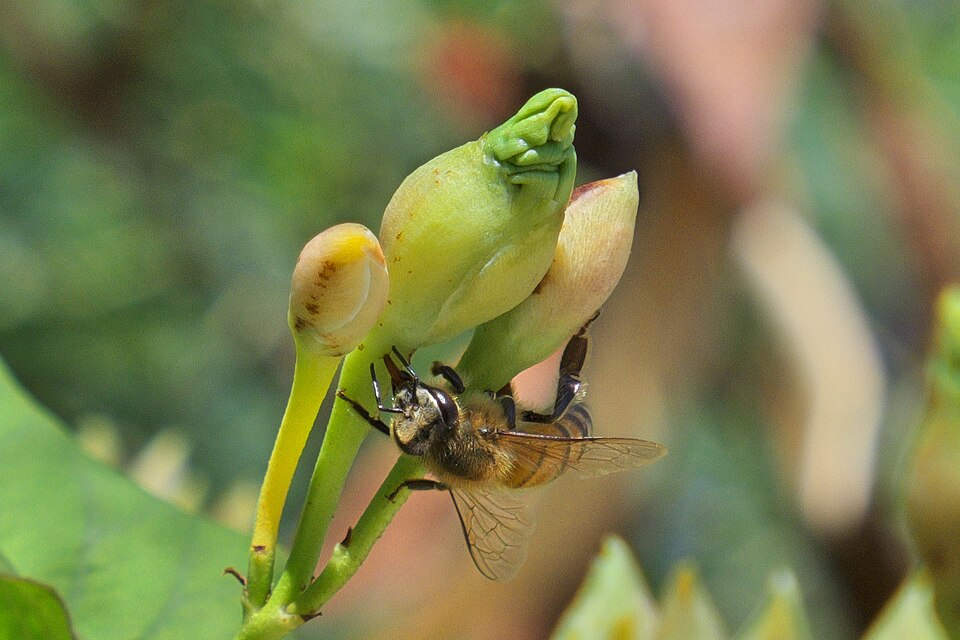
Scientists in Brazil created the Africanized honeybee by crossbreeding African and European honeybees. They wanted to produce an insect that could make honey in hotter climates, but some escaped. Now, 70 years later, their descendants can be found in North, Central and South America.
Although smaller than other honeybees, they defend their colonies with ferocity. Swarms of up to 800,000 individuals will pursue threats relentlessly, and with each sting, a pheromone is released that signals extra bees to join in.
It’s thought that a thousand stings can kill a person, and in Brazil, where the species is common, bee stings caused 649 fatalities in 2023 alone. Little wonder they’re also known as ‘killer bees’.
Asian giant hornet
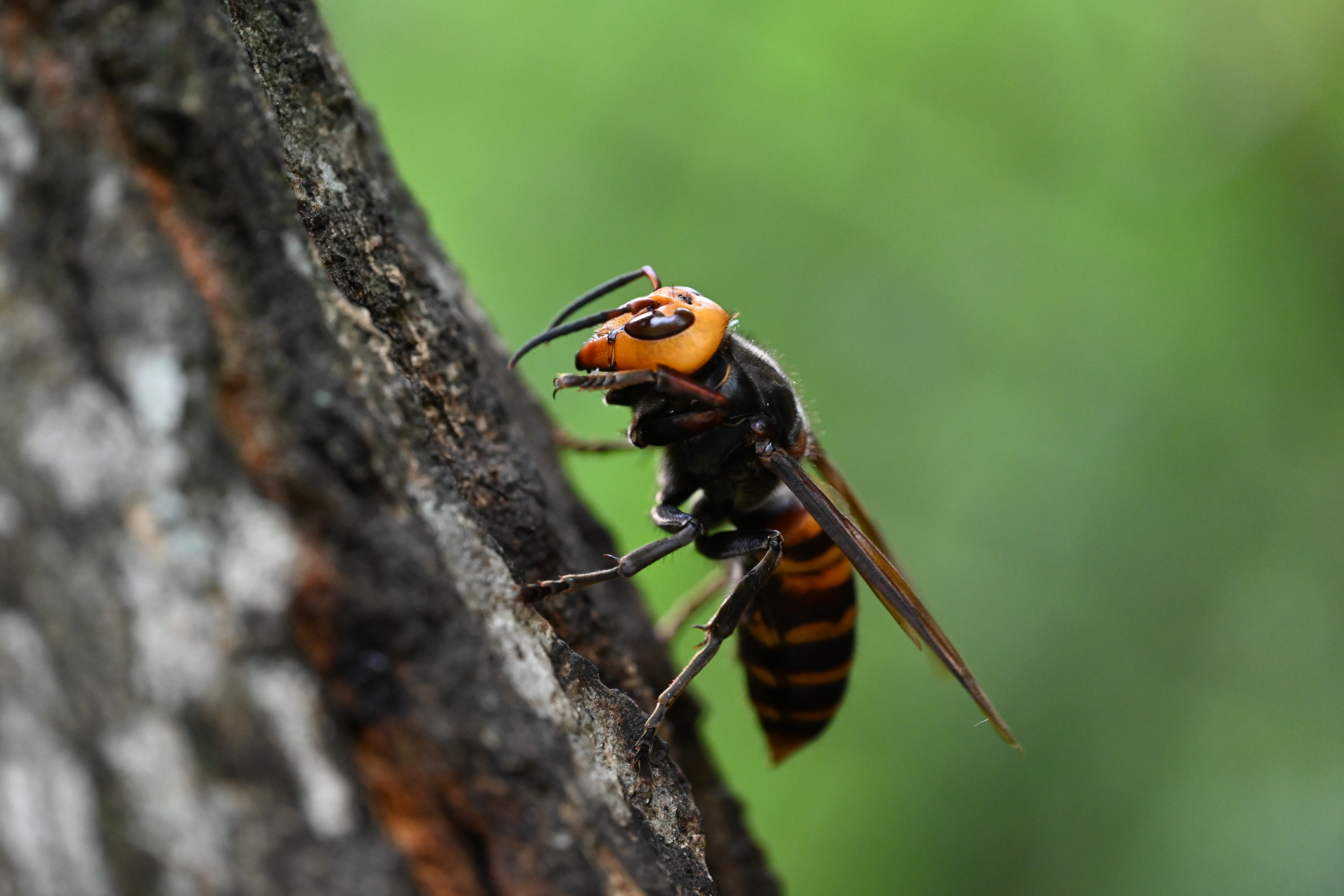
With a wingspan the length of a credit card and a body the size of your pinkie, the Asian giant hornet is the biggest wasp in the world. Its stinger, which is as long as the prongs of an office stapler, delivers an especially potent venom that contains a neurotoxin called mandaratoxin.
Entomologist Masato Ono described being stung as feeling “like a hot nail being driven into my leg.” And while a single sting may smart, multiple stings can be lethal. In 2013, at least 28 people died and hundreds were injured in a wave of giant hornet attacks in central China. Victims described being chased for hundreds of metres and being stung hundreds of times.
Yellowjacket
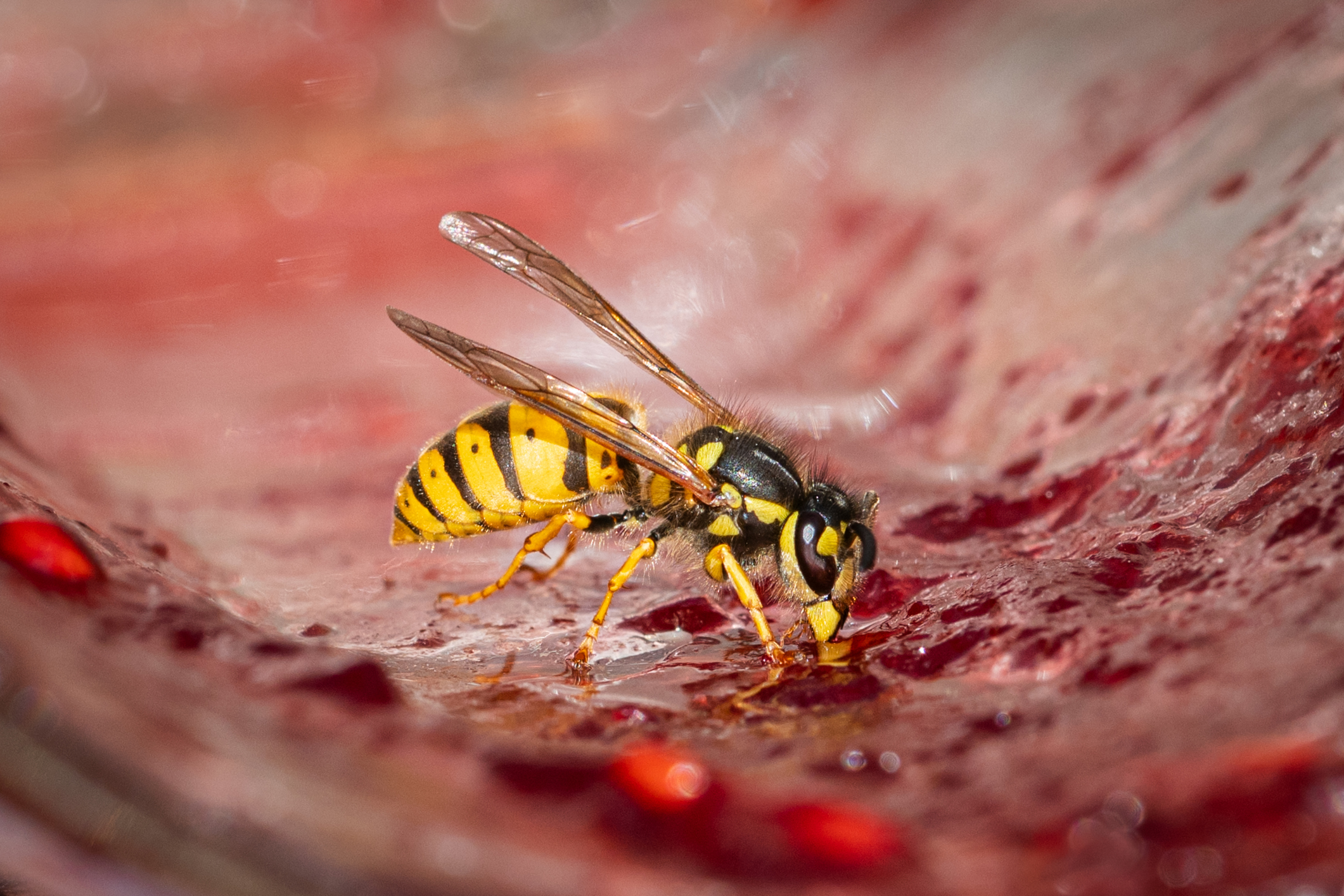
Yellowjackets, or ‘common wasps’ as we’d call them in the UK, are highly aggressive social wasps that can sting repeatedly. Known for their persistence around picnics, pubs and people, single stings are unpleasant, but rarely lethal.
The danger arises when someone has a venom allergy, or when a nest is disturbed and a victim is stung hundreds of times. In 2002, an 83-year-old man who accidentally disturbed a nest of yellowjackets near his home in Hillsborough County, Florida, died after being stung 248 times.
Honeybee
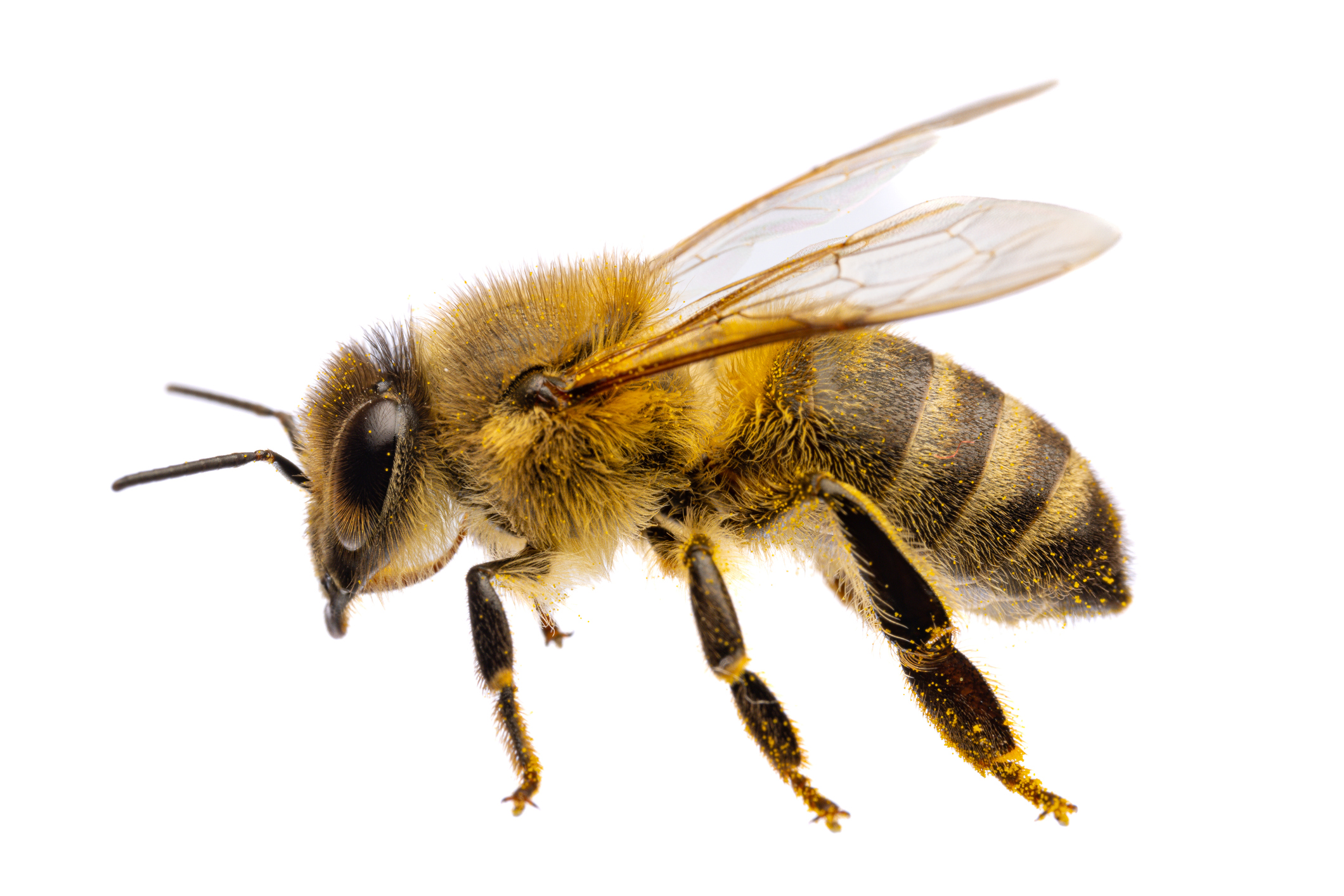
Spare a thought for the honeybee. For those allergic to its venom, it’s a danger, sure. But it’s not naturally aggressive. When individuals sting, it’s almost always in defence and does not end well for the insect.
Honeybees sting once and once only. Barbs on their stingers get lodged in the skin, and when the bee tries to fly off, the stinger stays behind. Its innards are ripped out and the bee dies shortly afterwards.
In the US, around 70 people die each year form hornet, wasp and bee stings. Honeybees account for only a small portion of these deaths, so whilst there’s cause for concern, there’s no need to demonise them.
Tarantula Hawk Wasp
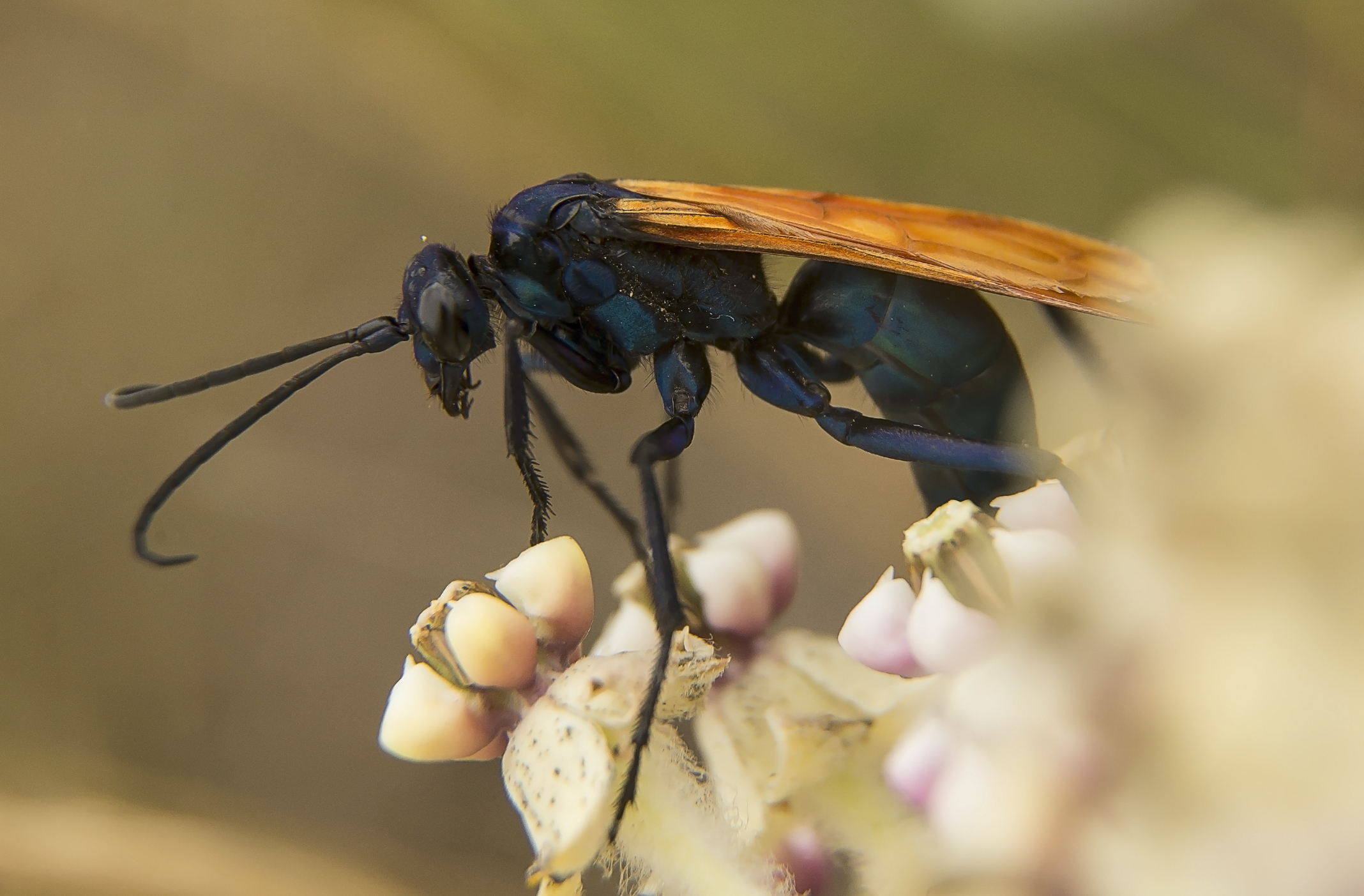
Female tarantula hawk wasps sting, paralyse and then feed tarantulas to their developing larvae. Adults only sting people when they are threatened, and while the sting is usually not fatal, it is ridiculously painful.
- Scientists searching for a devastating crop-killing pest discovered an 'alien' nightmare instead…
- There’s a parasitic ‘Alien’-like wasp that bursts out of its bug host – and it could save modern crop farming
Entomologist Justin Schmidt, who allowed himself to be stung by over 150 species of stinging insect, developed a scale that ranks the pain they cause. The tarantula hawk wasp is one of just three species to score top marks on the so-called Schmidt sting pain index. He described its sting as ‘blinding, fierce, shockingly electric. A running hair dryer has just been dropped in your bubble bath. A bolt out of the heavens. Lie down and scream.’
Philippine hornet
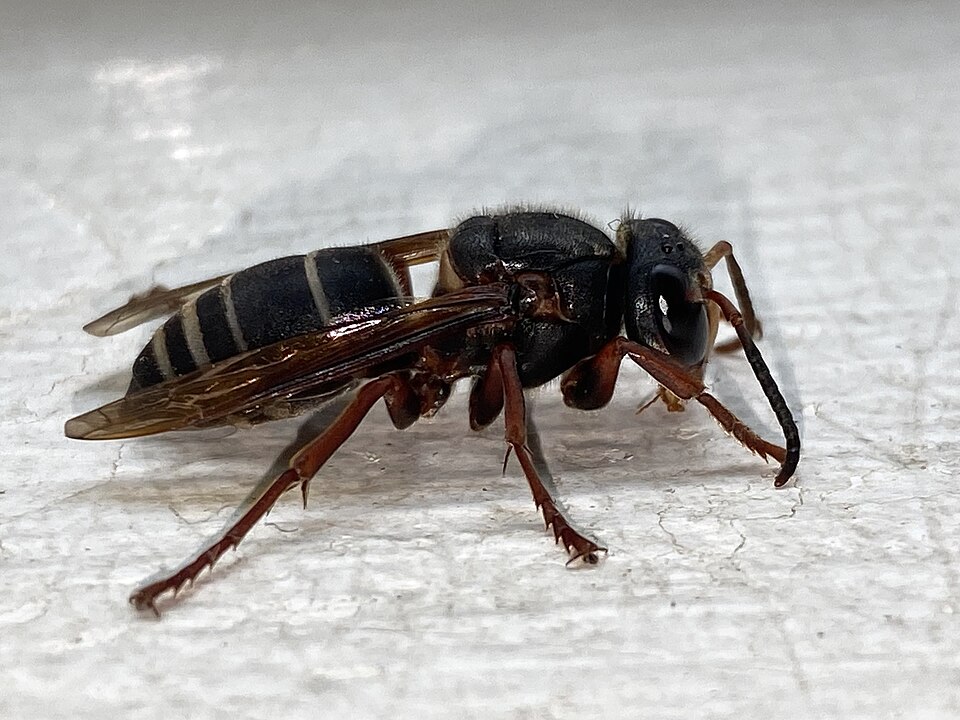
This sleek, black insect is found only in the Philippines. There are no confirmed records of it killing people, but it earns a place on this list because of its venom. In 1986, entomologist Justin Schmidt compared the venoms of four hornet species by injecting measured doses into mice to determine their lethality. The Philippine hornet’s venom proved by far the most potent.
Fortunately, the wasp inhabits remote lowland forests and rural areas, so encounters with people are rare. When stings do occur, they can cause intense pain, swelling and convulsions.
Paper Wasp
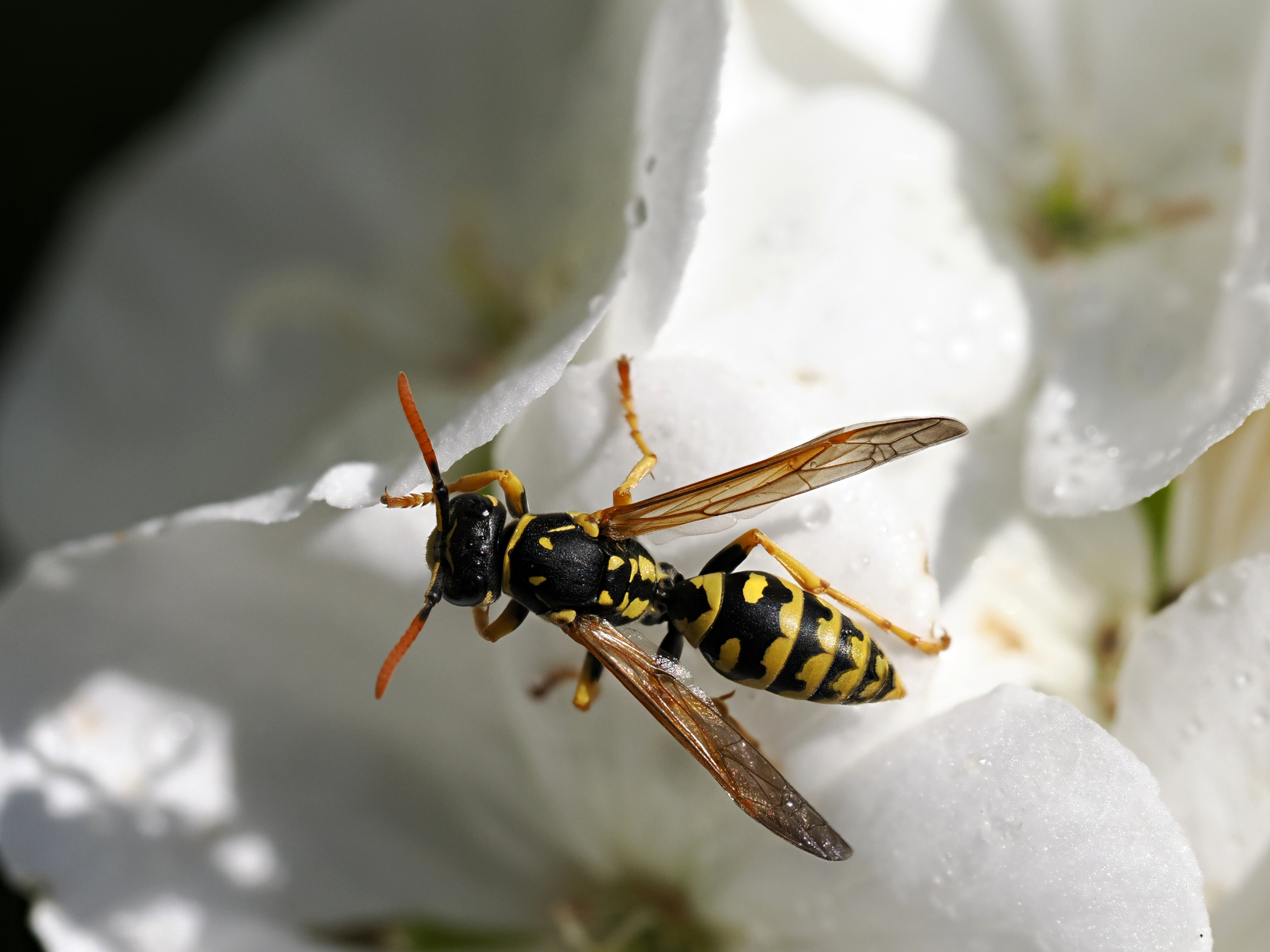
Paper wasps are social wasps known for building open, honeycomb-like nests that look like upside-down umbrellas. According to a persistent internet myth, Egypt’s first pharaoh, Menes, was killed by a paper wasp while travelling through what is now Great Britain, with a relief on his sarcophagus supposedly depicting the attack.
It’s a cracking story, but almost certainly untrue. Historians have found no contemporary evidence that Menes died from a wasp sting – or even that he ever set foot in Britain. Still, it deserves a place on the list for the tale alone.
‘Waspus Imaginarium’
In 2024, a man holidaying in Calabria, Italy, disturbed a wasp nest on the beach. An angry swarm rose up, sending the 47-year-old engineer fleeing into the sea, where he collapsed. Emergency services were called, but it was too late.
At first, doctors suspected anaphylactic shock, but no sting marks were found on his body. Instead, investigators concluded that the man, who had a known allergy to insect venom, most likely suffered a heart attack brought on by the fear of being stung.
So, if you take one message from this list, let it be this. Take care, especially if you have a venom allergy – but there's no need to fear every bee or wasp you encounter.
- This utterly surreal bee is like nothing you've ever seen before – unless you're from Australia
- 5.5 million bees found beneath New York State cemetery. It's one of the largest populations ever recorded
Top image credit: Almacron/Getty Images