
Despite the limitations of food, water temperature and space, some huge fish can be found in the freshwater systems of the world, and finned giants swim in rivers such as the Mekong in Southeast Asia and Amazon in South America.
- "Capable of striking fear into the heart of divers everywhere, it's as dangerous as it is beautiful..." 10 deadliest, most dangerous fish on the planet
- World's 11 deadliest sea creatures: Meet the most dangerous animals in the ocean
Creating a definitive list is tricky, with many species reaching similar sizes and some now so scarce that they may never grow as big as they have in the past.
But with a nod to species such as the mangar (Luciobarbus esocinus), tapah (Wallagonia leerii) and Siberian taimen (Hucho taimen), here is a list of ten of the largest freshwater fish in the world.
10 largest freshwater fish
Giant freshwater stingray (Urogymnus polylepis)
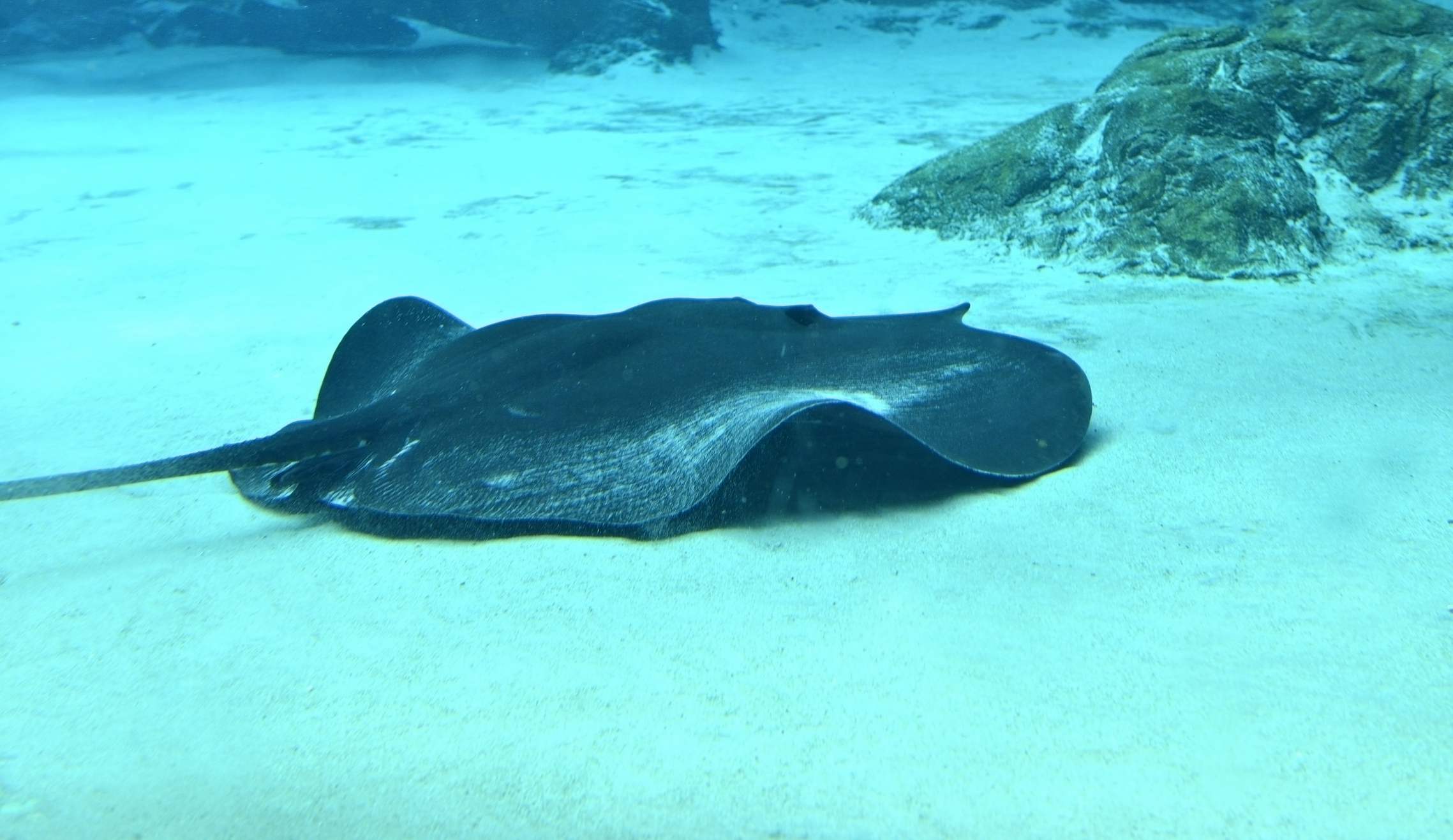
An enormous fish and the largest species of stingray in the world, a giant freshwater stingray caught from Mekon River in 2022 measured 4m long, 2.2m wide and weighed 300kg. A fish the size of a dining table and as heavy as a grizzly bear, yet there are reports of specimens twice that size.
The stinging barb on its tail is coated with toxic mucus and can measure 40cm in length, but it is a weapon rarely required, not least because of the stingray’s increasing scarcity. Overfishing is the principal driver behind the IUCN (International Union for Conservation of Nature) rating the fish as Endangered.
Arapaima (Arapaima gigas)
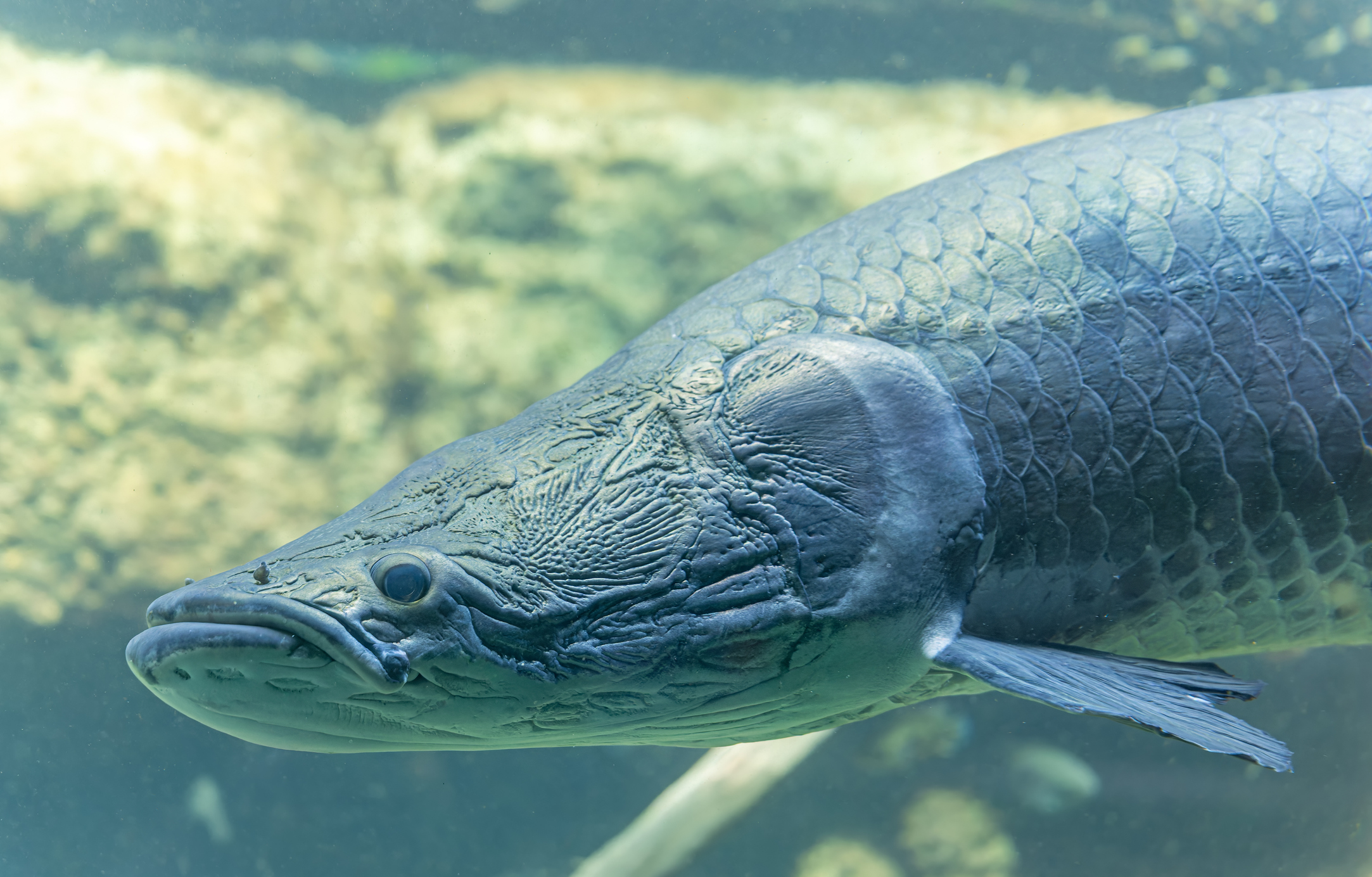
Native to rivers in the South American tropics, the arapaima is a fast-growing, air-breathing leviathan that can weigh up to 200kg and measure more than 3 metres in length.
Also known as a pirarucu, the arapaima has a long, slender body with a flattened, bony head. They are known for launching themselves at a perceived aggressor, with people having been knocked unconscious or had bones broken. The body is olive-grey in colour with red flecks, and the mineralised scales are formed in a Bouligand structure to create one of the toughest natural substances known to science.
Alligator gar (Atractosteus spatula)
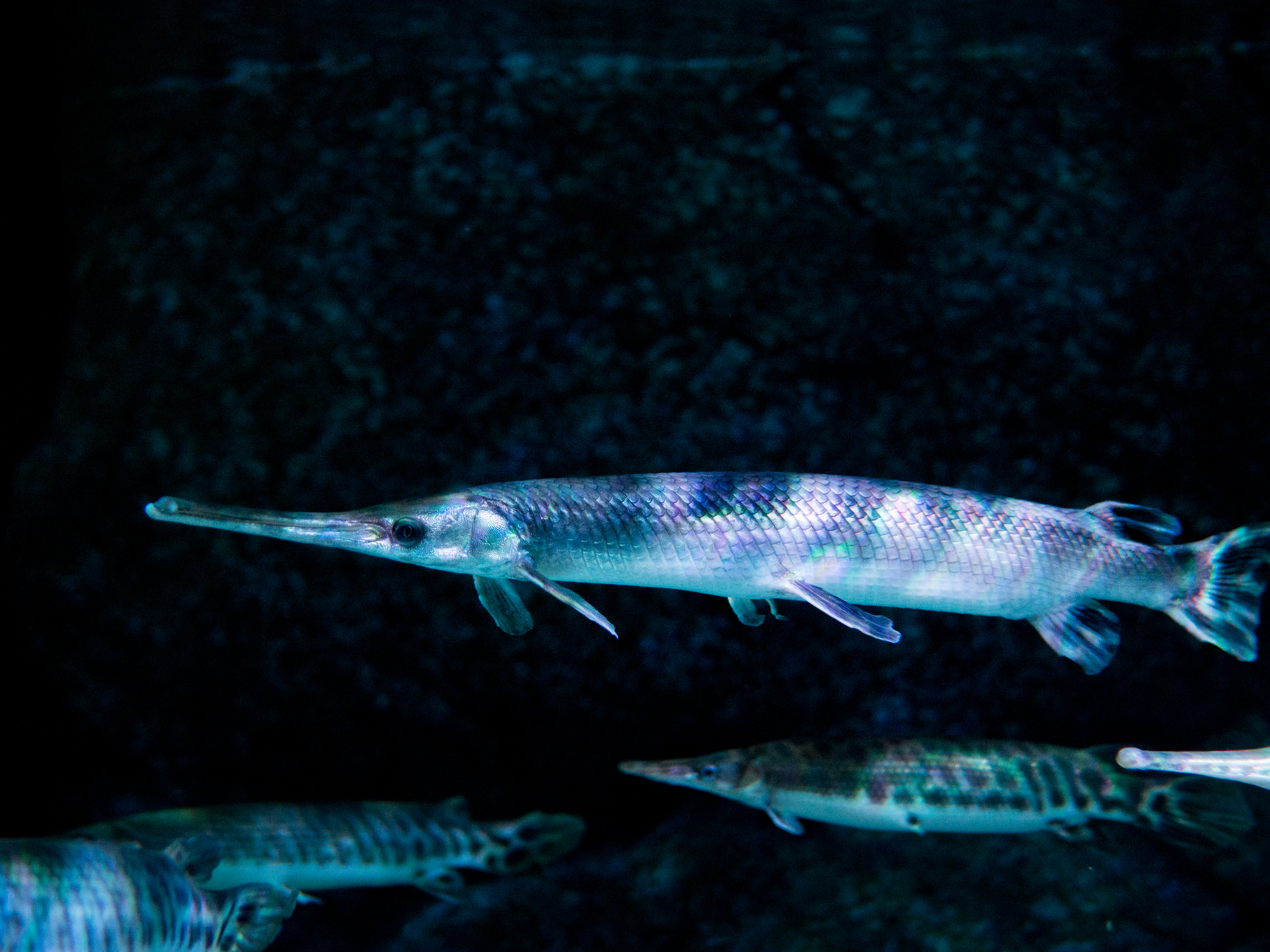
An extraordinary fish that dates back to the time of dinosaurs, the alligator gar is named after its broad snout and long-crocodilian mouth that has two rows of needle-sharp teeth. The dorsal and anal fins are set back, much like a pike, giving the gar explosive ambush speed.
One of the largest freshwater fish in North America, the largest authenticated alligator gar measured more than 2.5 metres long and weighed almost 150 kg, but bigger fish have been reported.
Alligator gar have a vascularised swim bladder that enables them to breathe air, allowing them to survive in water with low oxygen levels.
Short-tailed river ray (Potamotrygon brachyura)
With Urogymnus polylepis able to tolerate brackish water, Potamotrygon brachyura may have a claim to be the largest obligate freshwater ray in the world. What is certain is that, with a disc width approaching 2 metres and a potential weight of over 200 kg, the short-tailed river stingray is one of the largest freshwater fish in South America.
They are limited in range, found only in rivers that make up the Río de la Plata basin, and have a distinctive brown ink-spot pattern across the back. The body is humped and rounded, with a short, spined, club-like tail that carries a single, venomous stinger.
Piraiba (Brachyplatystoma filamentosum)
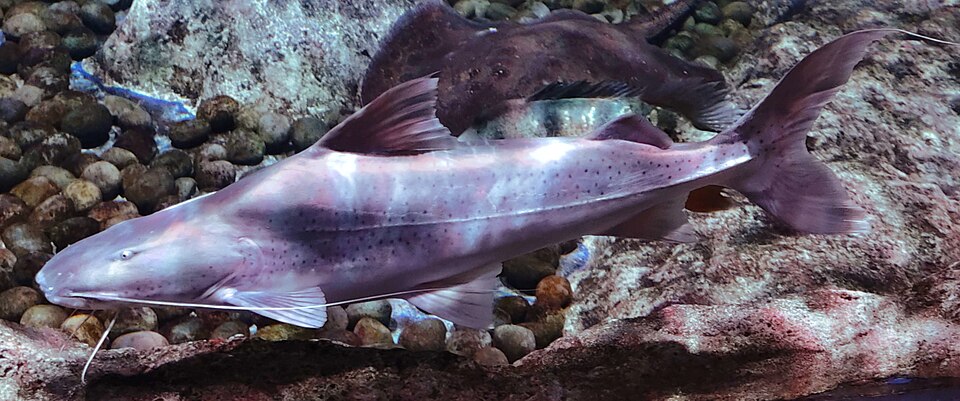
Although a catfish, the piraiba is almost shark-like in appearance, with a long, sleek body, pointed nose and distinctive, triangular dorsal fin. Found in the lower reaches and estuarine parts of the Amazon and Orinoco river systems, the piraiba can grow to more than 3 metres in length and 200 kg in weight. They are unfussy predators, with a diet formed predominantly from other fish, including less palatable species such as pufferfish or stingrays.
There are reports of the piraiba having attacked and even eaten humans, but the species threat is greater in the opposite direction. Piraiba is another fish in decline with overfishing a key factor.
Nile perch (Lates niloticus)
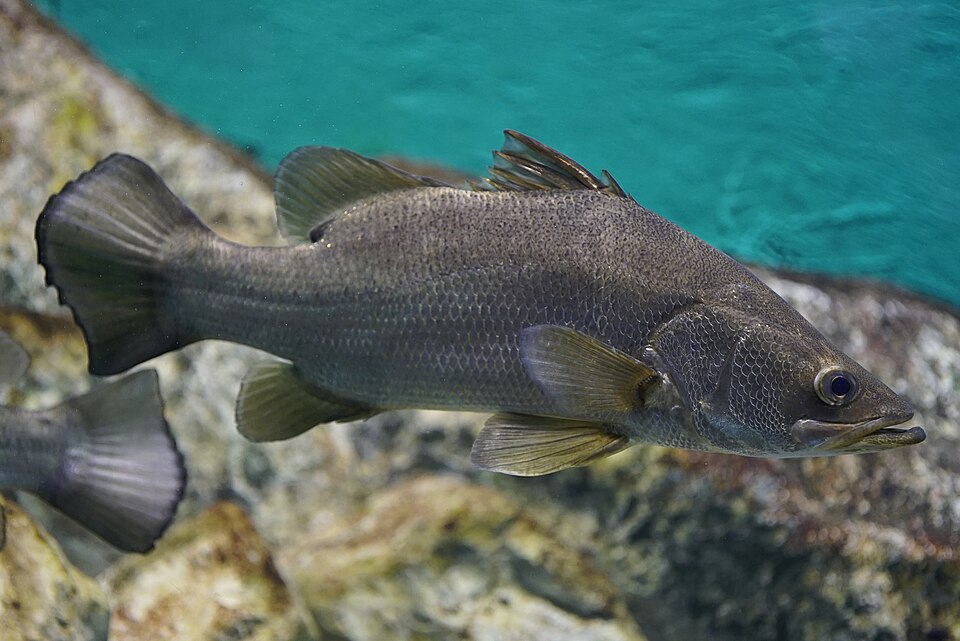
A fish of many names, the Nile perch is found in many African river systems and lakes, including waterways where it has been introduced. They are a species sought for food and sport.
Nile perch can grow to 2 metres long and with a thickset, silver-scaled body, they might weigh as much as 200 kg. They have large heads, with a huge mouth and gape that is used to engulf prey through vacuum feeding. Fish form the bulk of their diet and the species’ introduction to Lake Victoria in the 1950’s has had a significant impact on many endemic species.
Mekong giant catfish (Pangasianodon gigas)
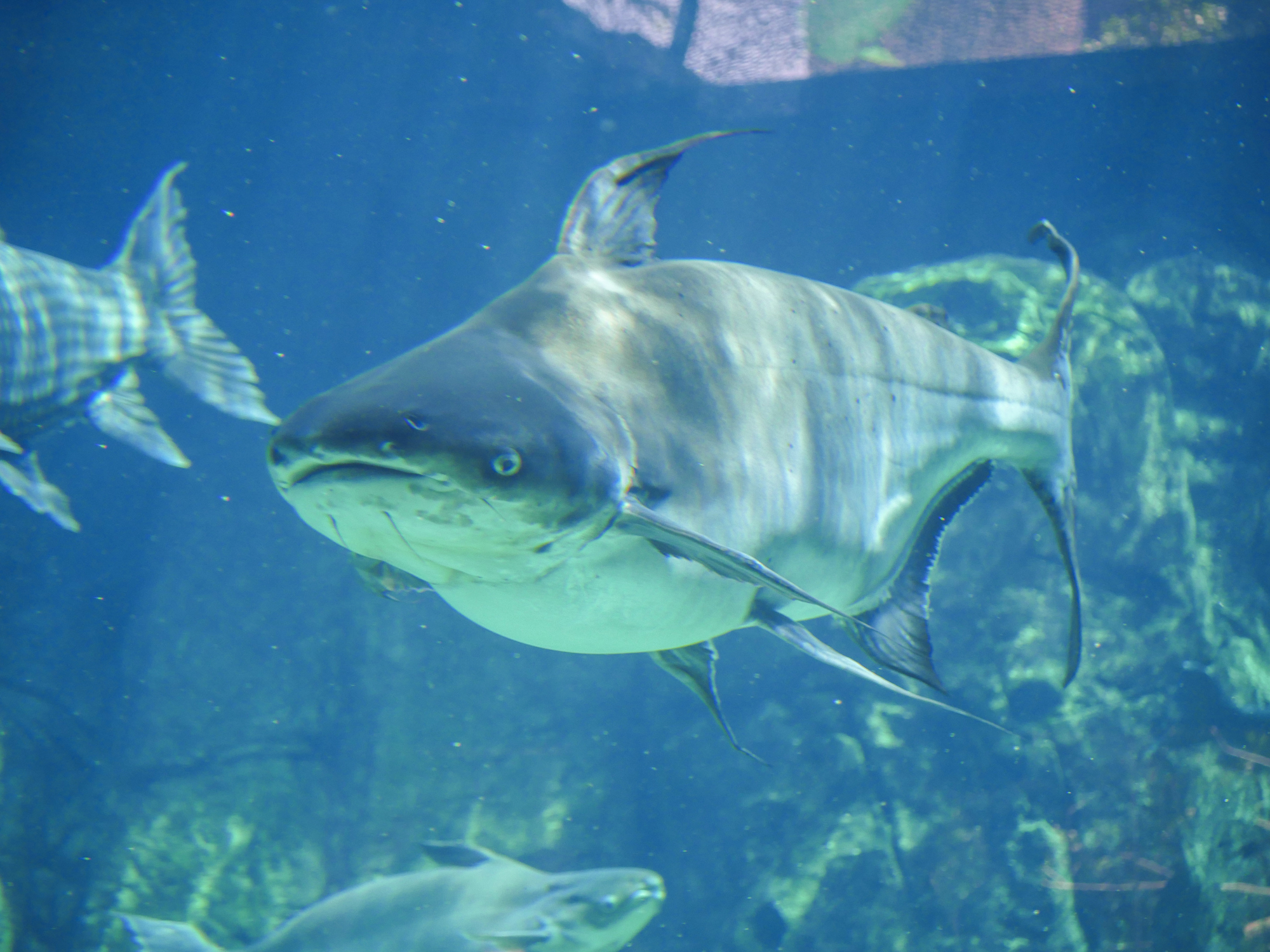
Found in the lower Mekong River, this herbivorous giant has no teeth and, unlike most catfish species, no barbules as an adult. Although revered in Thai folklore, its culinary qualities have led to a dramatic decline and although fishing bans are in place, its future within the Mekong looks bleak.
A similar fate faces the giant pangasius (Pangasius sanitwongsei), a fellow leviathan of the Mekong, though the fast-growing giant catfish attains greater size, reaching up to 3 metres in length and weighing more than 300 kg. Such enormity gives the fish sporting allure, so perhaps long-term survival may depend upon stockings for leisure fishing.
Giant barb/Siamese carp (Catlocarpio siamensis)
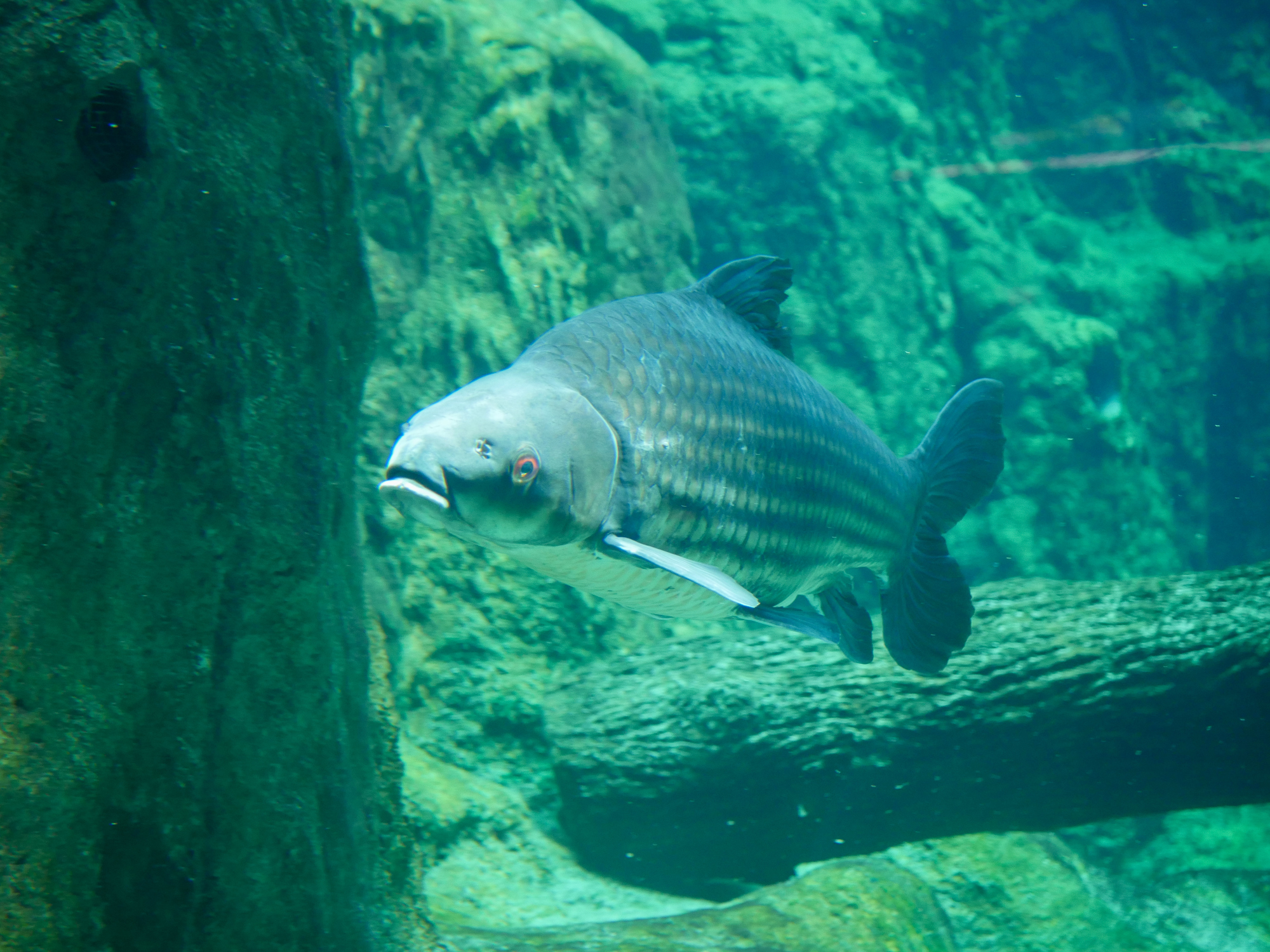
The river basins of Indochina hold several of the largest freshwater fish species, and among them swims the giant barb. Also known as the giant Siamese carp, this is another fish with a bleak future. Overfishing has left the species critically endangered, and a slow growth rate means fewer fish are reaching sexual maturity.
An adult giant barb can reach 3 metres in length and weigh 300 kg. It is a bulky fish, chocolate-brown in colour, with palm-sized scales and distinctive pale lips. They lack barbules and have a mainly herbivorous diet. Captive breeding programmes, aiming to restore stocks, are ongoing.
Wels catfish (Silurus glanis)
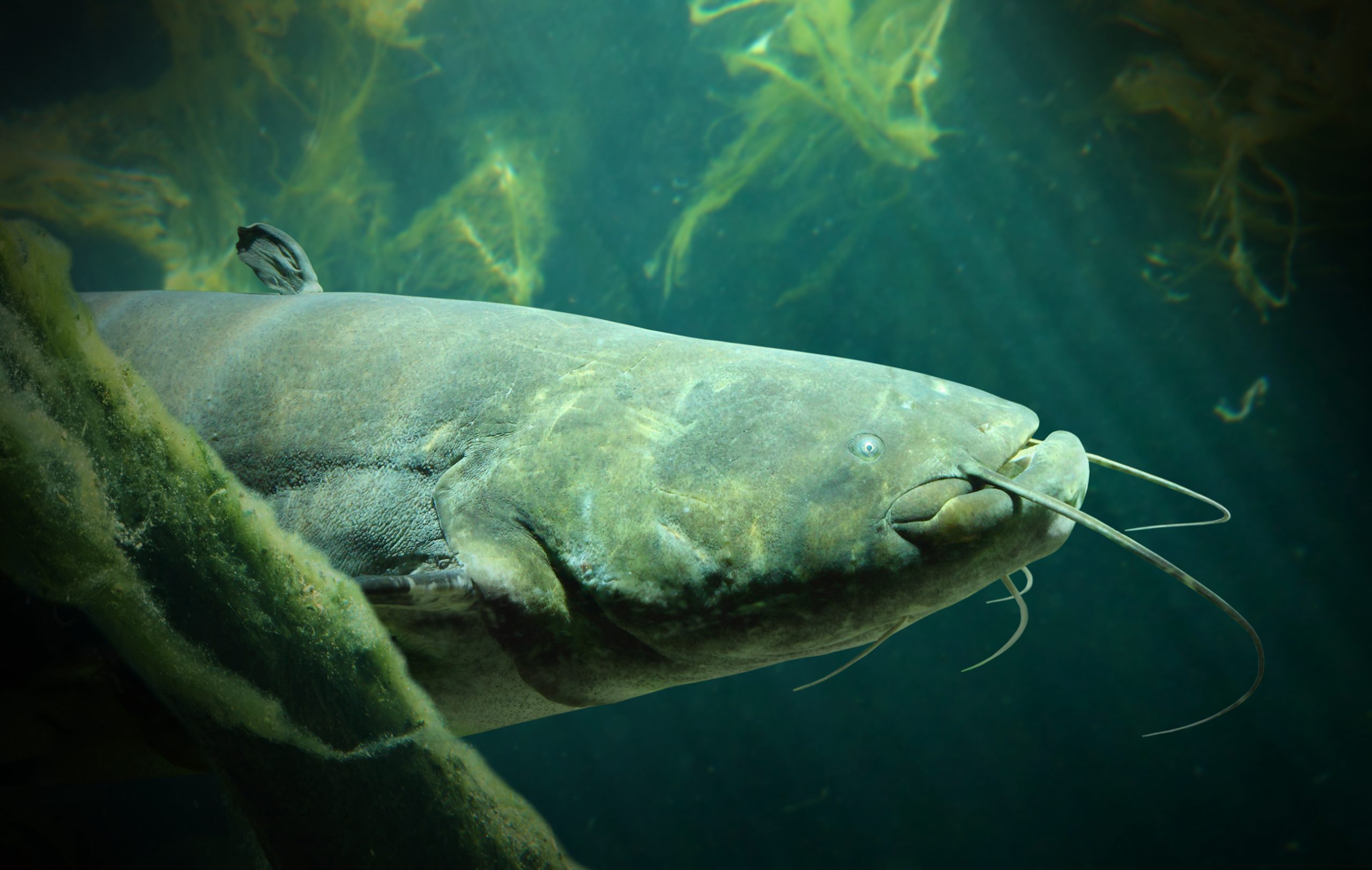
The only giant on this list to be found in Europe, the wels is unusual by not being considered threatened or endangered. A long-bodied, tadpole-shaped fish, the wels is found across the slow river systems of Eurasia where it may reach a length of 3 metres and weigh more than 150kg.
Introductions of wels to western Europe have caused concern for endemic fauna. They are predators and scavengers, with huge mouths filled with small teeth that are perfect for grasping and rasping. Remains of wild boar and deer have been found in wels, suggesting an opportunistic diet.
Beluga sturgeon (Huso huso)
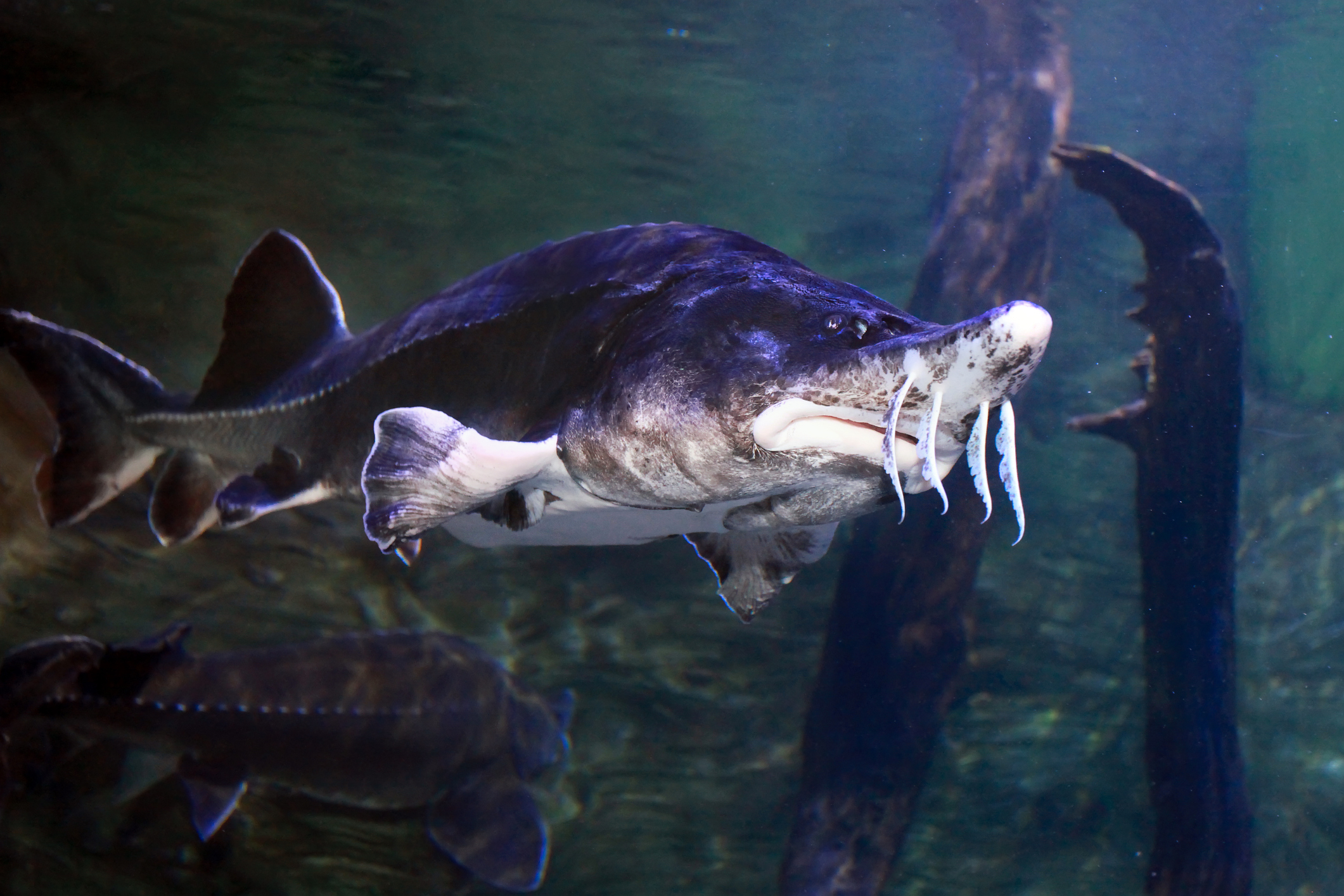
Although anadromous, meaning they migrate from saltwater to fresh to breed, the sheer enormity of sturgeon means they warrant a mention on this list, and Huso huso is the largest of them all.
Found in the basins of the Black and Caspian Seas, the beluga is long-lived and slow to mature. A female may not reach sexual maturity until more than 20 years of age, meaning any recovery from centuries of overfishing will be painstaking. Today, the beluga is critically endangered, with specimens such as that found in 1827 in the Volga (weighing 1,571 kg and 7.2 metres in length) unlikely to be matched.
Top image: Catfish (Silurus Glanis). Credit: abadonian/Getty Images


