
When an expedition team visited Tsingy de Namoroka National Park in Madagascar, they were amazed to see hundreds of flying foxes swarming the sky.
The Edges of Earth Expedition team was hoping to find a newly documented flying fox roost but weren’t sure if they’d be able to track the animals down.
Then, they saw hundreds of them soaring above, explains expedition leader Andi Cross: “The scene that unfolded was spectacular: the animals filling the canopy overhead with light passing through their wings so clearly you can see the veins.”
Cross and her team were visiting Dr. Tim Eppley, chief conservation officer of Wildlife Madagascar to find out how the nonprofit is finding ways to protect the island’s biodiversity.
In particular, they were interested in three species of fruit bat that are endemic to Madagascar: Madagascan flying foxes (Pteropus rufus), Madagascan fruit bats (Eidolon dupreanum) and Madagascan rousettes (Rousettus madagascariensis).
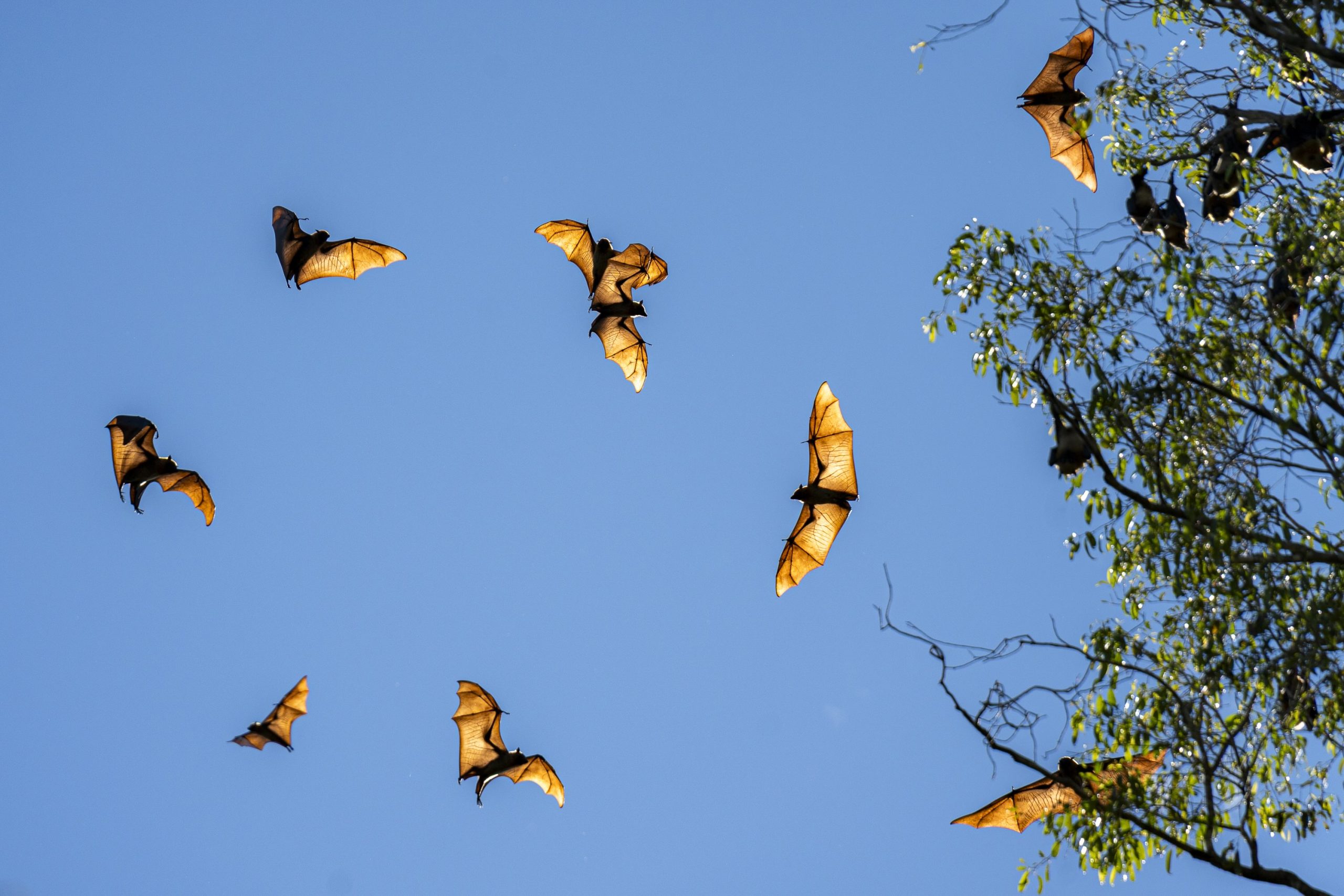
Wildlife Madagascar is monitoring this newly documented roost of Madagascan flying foxes in partnership with Malagasy (Madagascan) communities and researchers to study the lives of these amazing animals.
One of the things they’re interested in is how they can spread seeds far and wide. These nocturnal bats can fly up to up to 30 miles in a night looking for food. When they poop, they drop seeds of the plants they’ve been eating, helping forests to grow.

Deforestation is a huge issue in Madagascar. The island is thought to be losing 200,000 hectares (around 770 square miles) of its natural areas each year to illegal logging, agriculture and charcoal production. “As forests become increasingly fragmented, these animals are losing both the places they roost and the food sources they depend on,” says Cross.
Understanding that fruit bats not only depend upon forests but also help them bounce back sheds light on their importance. “Protecting Madagascar's fruit bats is not simply about preventing the loss of three remarkable species,” she says. “It is about safeguarding the natural processes that allow forests to recover, biodiversity to persist and surrounding communities to continue benefiting from healthy ecosystems.”
Having seen these mammals fly above her in their hundreds, Cross sees the importance of considering tree planting together with species protections, saying: “As pressure on Madagascar's remaining forests intensifies, understanding the role of these often-overlooked animals could become an important part of building a more resilient future for the island.”

More amazing wildlife stories from around the world
- Invasive rabbits were removed from an island in Chile – then something "extraordinary" happened
- Fox finds bird of prey nest in tree – then does something that has never been seen before
- "The rats went bananas." Here's what scientists say actually happened on Easter Island
Top image: Flying foxes in Madagascar. Credit: Adam Moore | Edges Of Earth


