
Sexual reproduction (as opposed to asexual reproduction) can bring plenty of benefits to a species: it maintains genetic variation; delivers better outcomes for offspring and improves resistance to disease.
While most animals manage to avoid inbreeding through scent recognition or by leaving their packs, others (such as those whose populations stay in the same place) do not. However, research suggests that there can be some advantages of inbreeding in certain species. But for others, this proximity is cause for concern.
- Wild hybrids: Unlike the liger, these real-life crossbred animals naturally exist in the wild
- Do animals cross breed with other species in the wild? How and why interbreeding between different species happens
- What was the first animal to have sex?
- Deadliest siblings on the planet – when sibling rivalry turns lethal
Incestuous animals
Naked mole-rat

Naked mole-rats are the only mammal that live like insects such as termites: each colony is ruled by one queen who gives birth to dozens of babies each year. The queen even has a special trick of supressing the sexual development of the male and female mole rats in the colony, so she is free to mate with a variety of male mole rats. As mole rats typically stay in their colonies their entire life, this can lead to the queens mating with their brothers – and sometimes even their sons.
- Naked mole rat: what they are and how the queen rules the colony
- The naked mole rat's superpower: Here's what it reveals about living longer
Mongoose
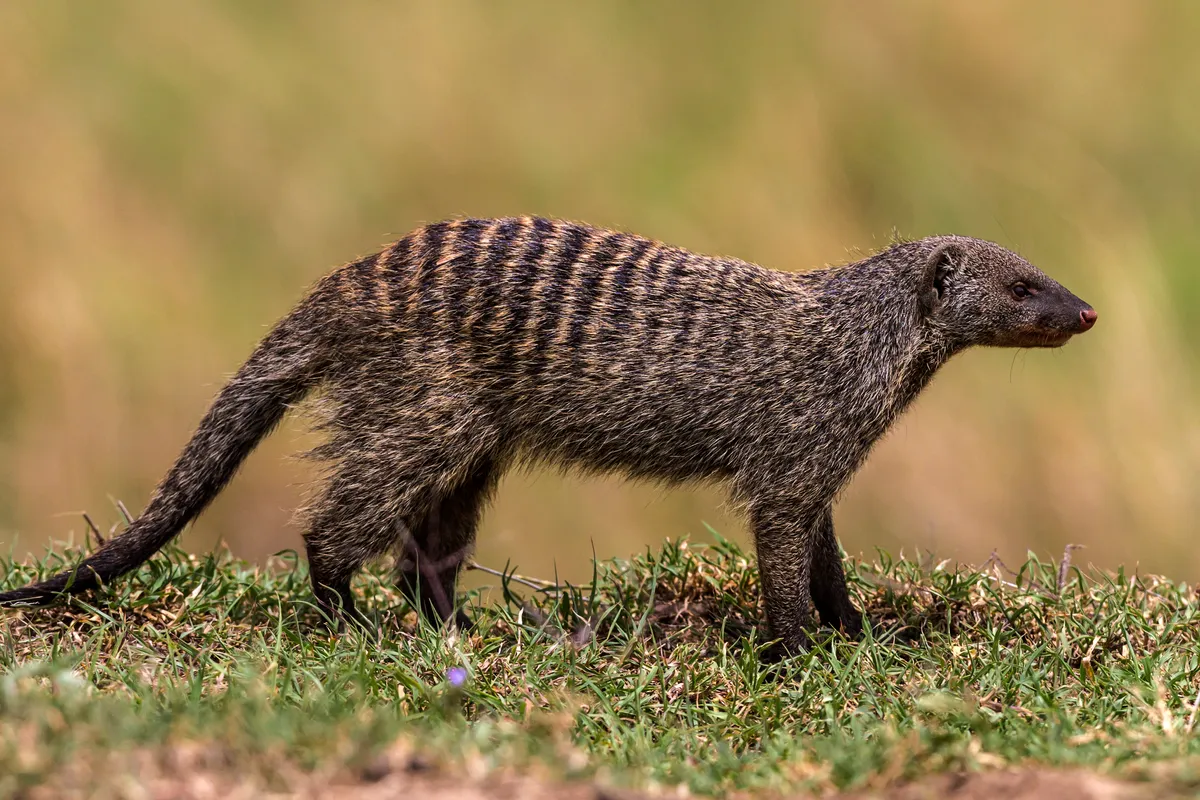
Mongooses are another species which stay within their group for most of their lives – consequently leading to inbreeding. However, the level to which this occurs differs. A 2014 study found that 63.6% of pups were born to females that conceived within the natal group, while a 2015 study found that females mate outside of their group to avoid inbreeding depression (reduced biological fitness caused by inbreeding).
But this strategy of extra-group paternity isn’t without risk, as rival ‘mobs’ of mongoose can fight if they encroach on territory – sometimes resulting in injury or death (including the pups). Females therefore adapt their strategy according to the current inbreeding risk, with the extra-group paternity more common in older social groups which are more likely to contain more relatives.
Rattlesnake

Scientific research is also demonstrating how habitat fragmentation can increase to inbreeding among animals. A team of researchers studied eastern massasauga rattlesnakes in the US state of Michigan over 15 years. These snakes rarely leave the wetland where they are born and as human presence increases, they are even less inclined to travel between habitats.
The team discovered that the most inbred individuals were 13% less likely to produce offspring that survived – putting its population further at risk.
- More than 1,000 rattlesnakes caught in Michigan wetlands. What scientists find in their DNA is concerning
- Ever wondered what goes on inside a rattlesnake 'mega-den'?
Spotted salamander
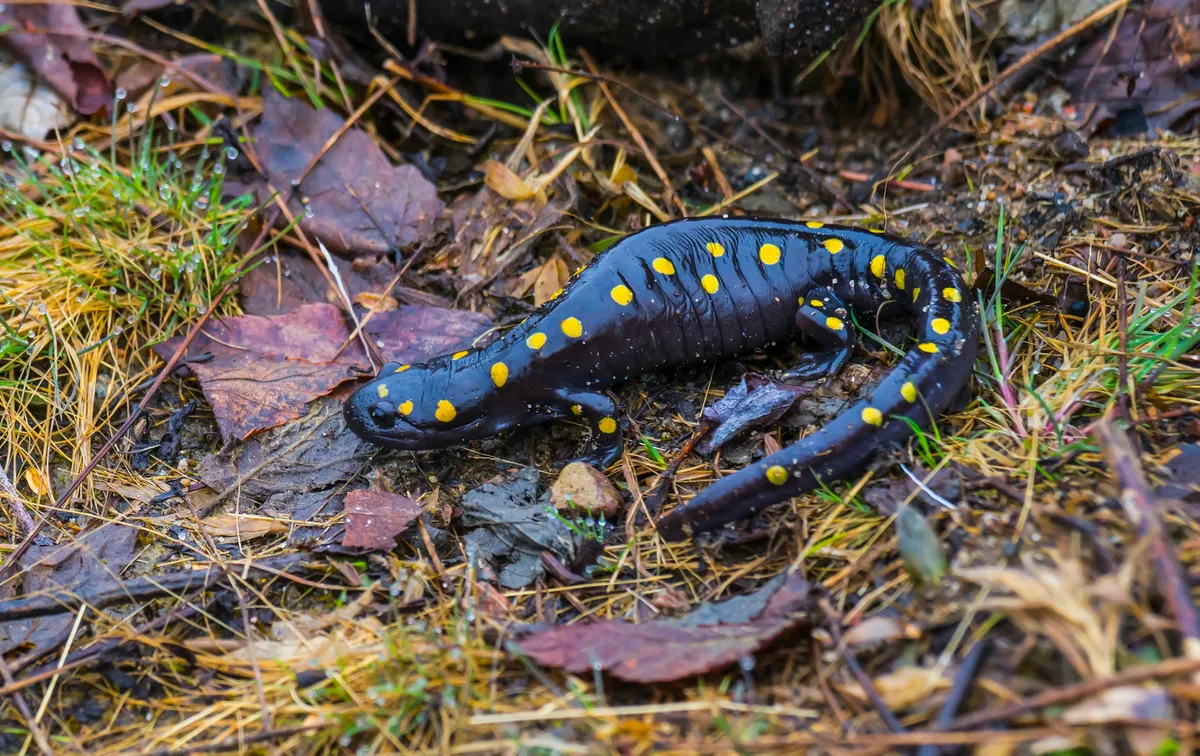
In a 2008 study, female spotted salamanders were found to prefer to mate with genetically similar males. When a wild-caught female was presented with three wild-caught males in a natural setting, she tended to produce larger number of offspring from sires that are most genetically similar to her.
This may be because this reduces some unspecified cost of outcrossing (crossing between different breeds) and potentially improving offspring fitness: many organisms will have specific adaptations for specific habitats, and too much outcrossing could dilute this.
Cichlid

A 2007 study found that Pelvicachromis taeniatus, an African freshwater fish, actually prefer mating with unfamiliar close kin than non-kin. Both parents look after their offspring and the study found that relatedness enhanced cooperation between the parents, which potentially leads to improved outcomes for the offspring. Males of inbreeding pairs also spent significantly more time guarding their caves than males who had outbreeded. The study found no evidence for interbreeding depression, suggesting that at least in the case of Pelvicachromis taeniatus, inbreeding has its advantages.
Wolf

Wolves are incredibly social animals, living in packs made up of an alpha male and female, their pups and unrelated adults. However, scientists carried out full-genome sequencing in a population of 97 Scandinavian wolves and found high levels of inbreeding – with many of the wolves having chromosome pairs that were very similar or even identical. This could be a long-term threat to their population, as their individual fitness is decreased.


