
If you find yourself in a tropical forest in the Americas and come across what looks like armadillo skin on a tree, it’s probably best you move on – and fast.
That’s because these unusual-looking nests are the efforts of the Synoeca paper wasp, also known as the warrior wasp.
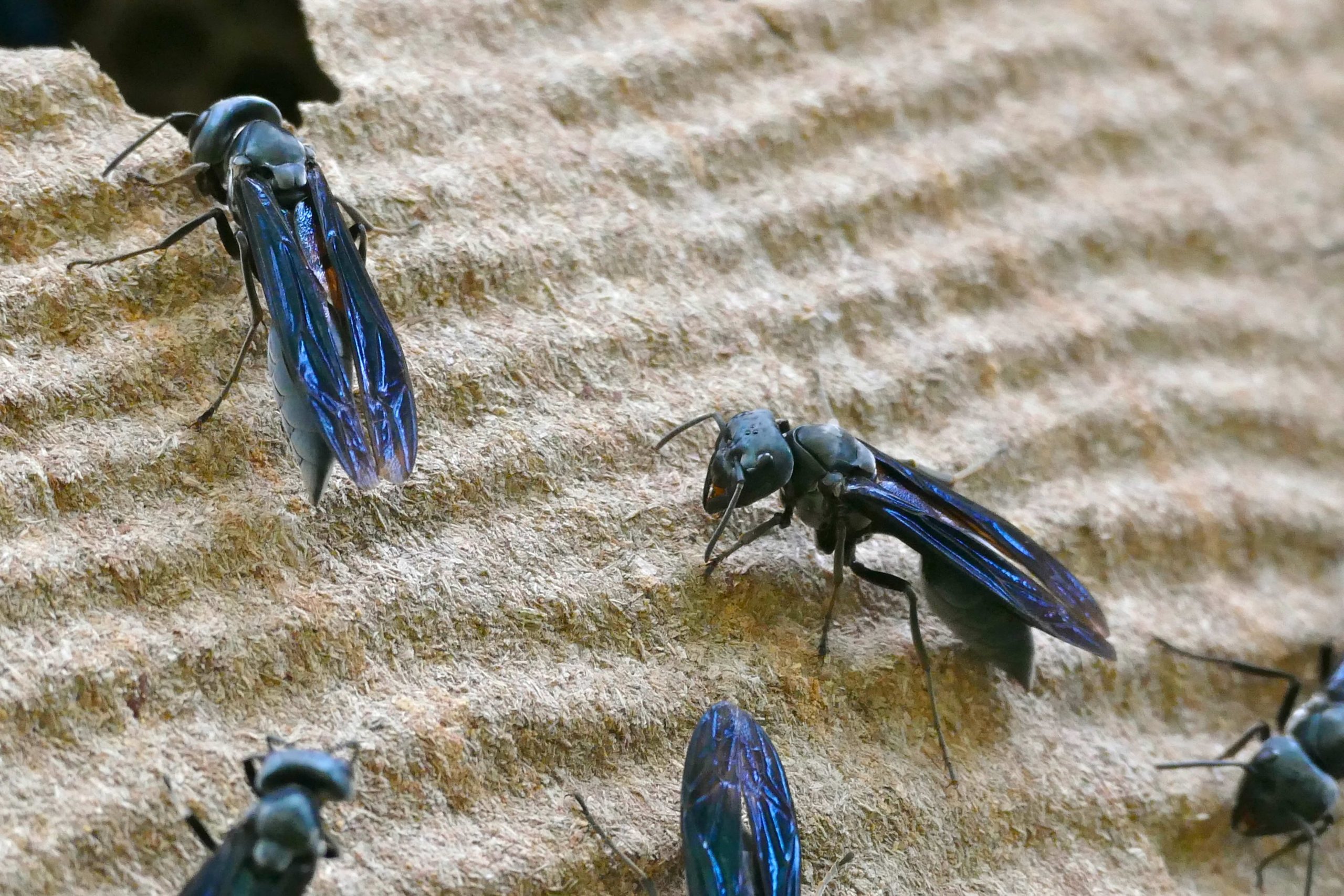
The warrior wasp is known for its aggressive behaviour and incredibly painful sting. If threatened, they engage in defensive group displays. First, multiple wasps will beat their wings in sync against inside the nest. If this doesn’t work, then hundreds of them will move to the outer layer of the nest continuing this display. The drumming noise this results in has also earned them the name of the drumming wasp.
But warrior wasps will only sting if this drumming does not deter the threat.
So just how painful is the sting? Entomologist Justin Schmidt developed a scale of the pain inflicted by stinging insects, dubbed the Schmidt pain index.
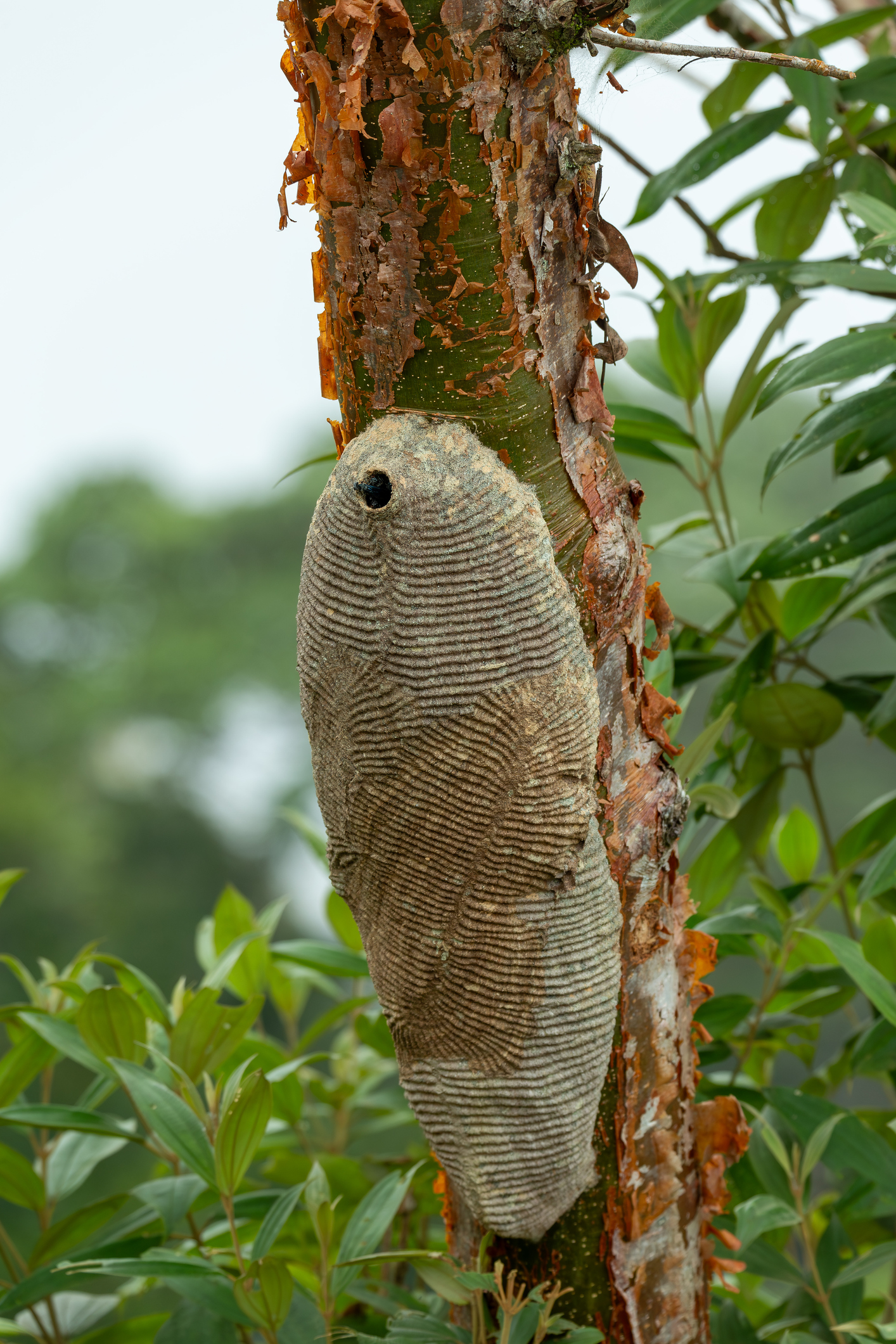
Synoeca septentrionalis, one warrior wasp species, sits with the bullet ant and tarantula hawk wasp at pain level 4 – the highest level there is. He wrote of the warrior wasp, “Torture. You are chained in the flow of an active volcano. Why did I start this list?”
- This innocent-looking insect delivers the most painful sting in the world and can leave you in agony for 24 hours or more
- It has one of the most painful stings on Earth and can eat a tarantula alive from inside out
However, this excruciating defence doesn’t mean the warrior wasp is never preyed upon. Army ants can use swarming tactics to overpower prey much larger than themselves within minutes.


