In the Mamirauá Reserve in the heart of the Amazon rainforest, jaguars live at densities not seen almost anywhere else in their range.
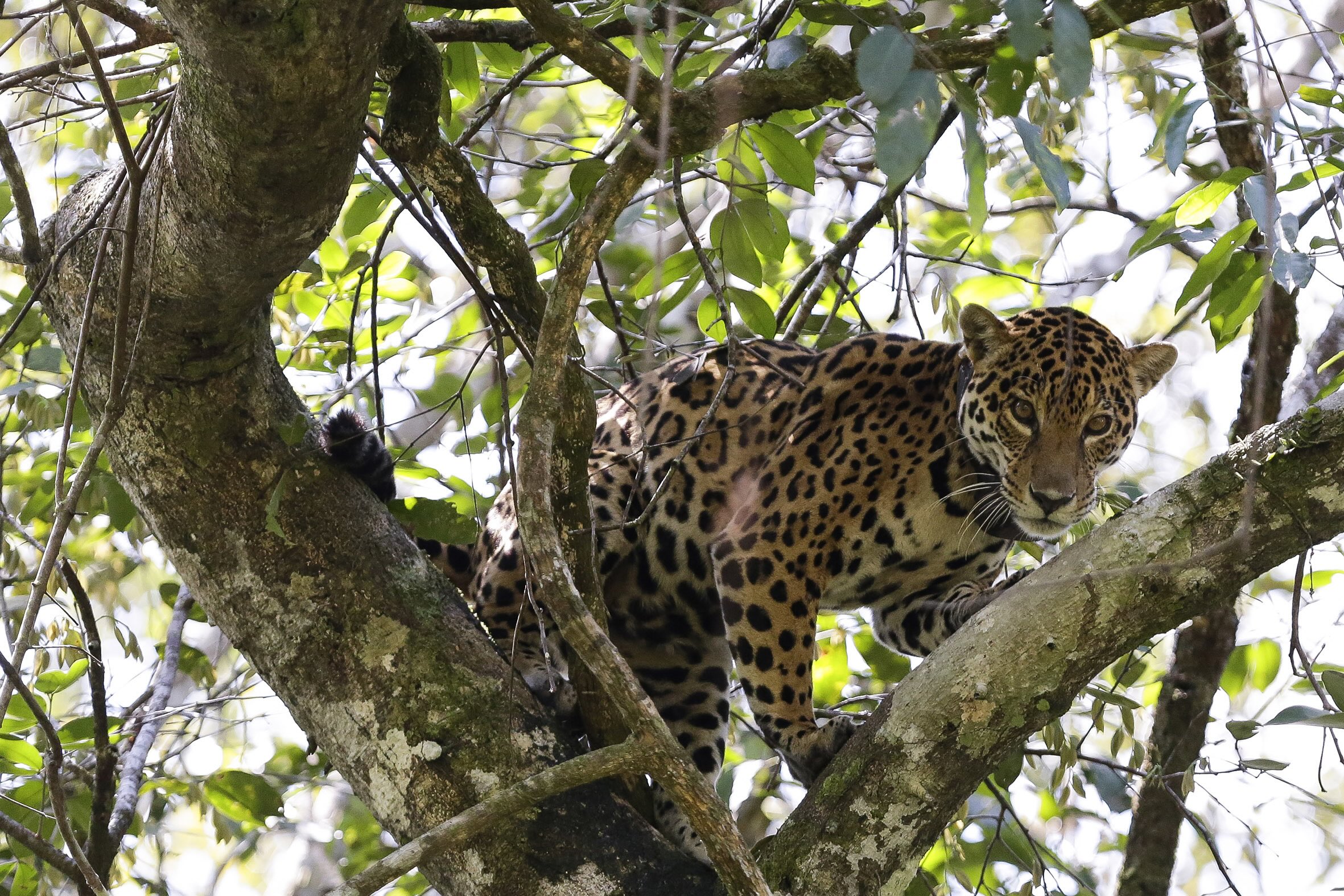
Their behaviour is also rather unusual. This area of the Amazon floods for four months of the year, and jaguars adapt to this by living and hunting in trees, predating on animals such as monkeys and sloths.
These so-called flooded forests, or várzeas, are renowned for being highly productive ecosystems, and that probably explains why South America’s largest felid appears to be doing well.
“The peak density we found was 15 individuals per 100km2,” says researcher Raíssa Sepulvida from the Federal University of Mato Grosso do Sul. “In comparison, in the Pantanal which is considered a hotspot for the species, the mean is about six per 100km2.”
But in this reserve that spans more than 11,000km2 – more than half the size of Wales – statistics can be deceptive.
- Why 8 Texan pumas were released in Florida – and what happened next
- Trail cameras catch jaguars in Brazil acting just like house cats
Sepulvida and her colleagues dug into 17 years of camera-trap data and discovered a dark secret hiding within the dataset. While the population has remained stable during this time, numbers of males have increased while females decreased by 77 per cent between 2005 and 2022, they report in a study published in the Journal of Applied Ecology.
“The increase in male numbers is probably due to them coming in from other areas,” Sepulvida says. “And what we see for other big cats is that when you have external males entering a population, it causes higher rates of infanticide.”
New males will kill young cubs so they can mate with females and ensure their offspring – and their genes – form the next generation. But they don’t know if this happening or not. “We don’t have much information about cub survival,” Sepulvida says. “We haven’t recorded many cubs on the cameras.”
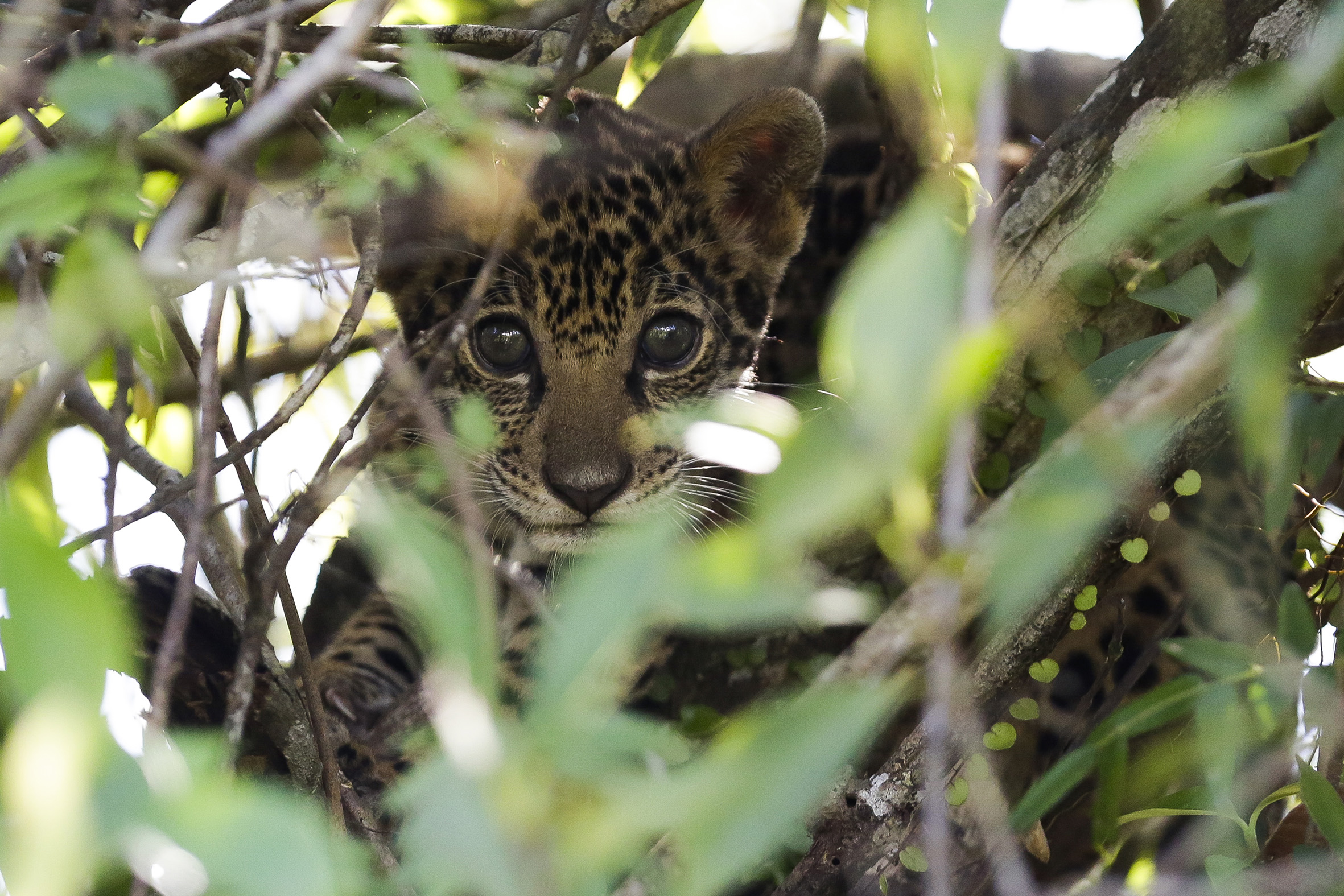
And there is the concern that if female numbers are dropping, that will also reduce how many cubs are being born. While the population is healthy now, this could change if there is insufficient recruitment.
Sepulvida says they don’t know why this is happening. She and her colleagues have theorised that hunting of male jaguars by local people – possibly as a result of conflict or it could simply be opportunistic – is creating a vacuum into which outside males are drawn.
Killing of jaguars is not permitted, but hunting of other animals for food is, so is this reducing prey density and impacting the jaguars? Environmental changes connected to climate change could be another factor they need to consider, but Sepulvida says they need an even longer-term dataset for this to become clear.
Find out more about the study.
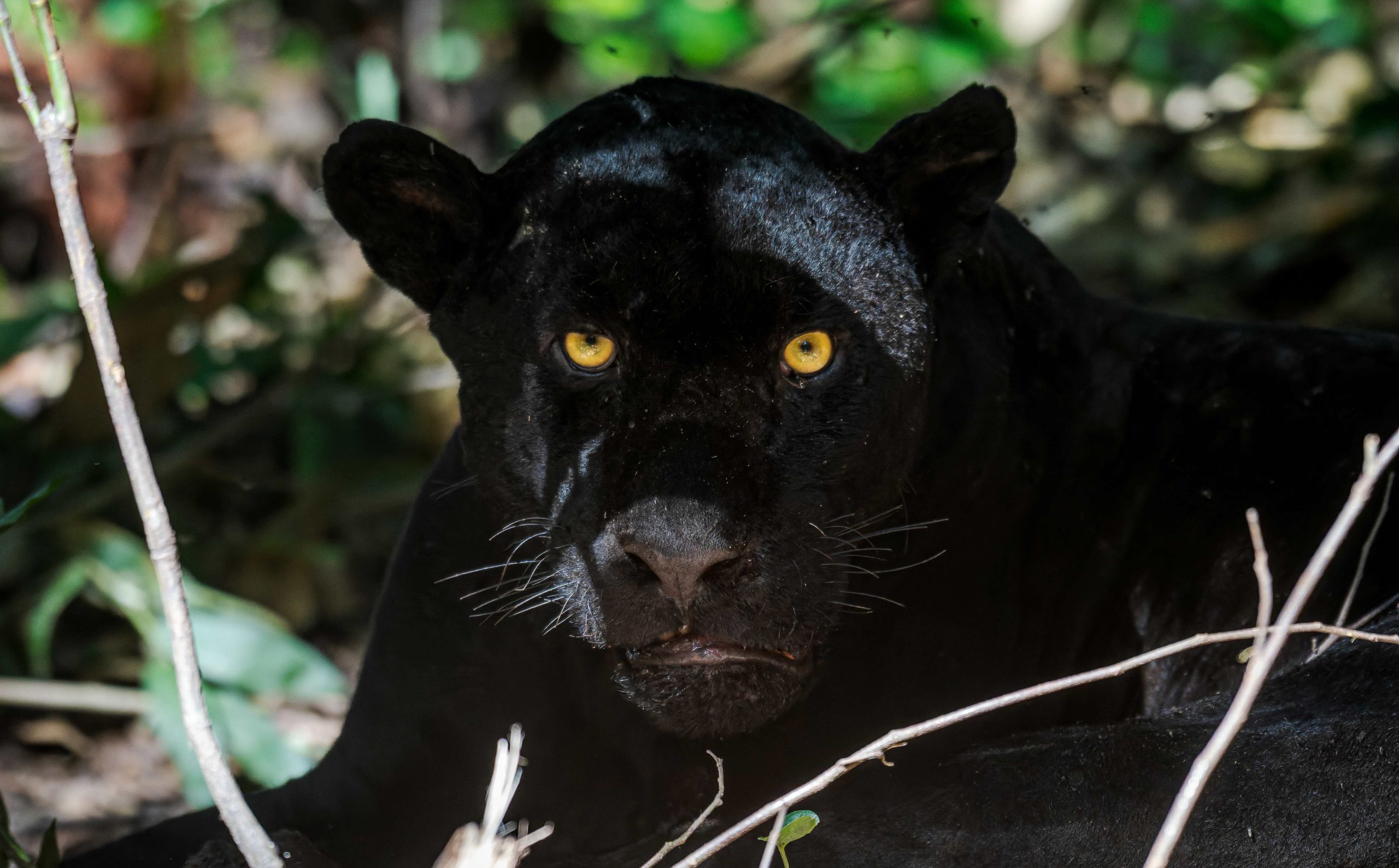
Top image: Jaguar caught on camera in the Amazon floodplains. Credit: GP Felinos/Instituto Mamirauá
More wildlife stories from around the world
- 1,900 giant sequoia trees saved from death in California. This is how
- Researchers sawed samples from a remote island in Antarctica. They found a “hidden diversity” of life
- China's giant sinkholes are a refuge for a rare tree – but they're also cutting off its escape route
- When lions raided wild dog dens in Botswana, wildlife guides didn’t expect to see this