You may have heard of tigons and ligers – where tigers and lions have interbred, mostly in zoos, to create a hybrid offspring. So are there hybrids between leopards and cheetahs?
The animals are both cats, are superficially similar in size, both have spotted coats and largely occupy the same habitats. So it doesn't take too much imagination to conjure a cheetapard.
The straight answer is no. Due to crucial biological and ecological differences, cheetapards have never been recorded, even in captivity.
The key barrier to a cheetah-leopard hybrid is genetics.
While both are members of the cat family Felidae, leopards (Panthera pardus) belong to the genus Panthera, which also contains lions, tigers and jaguars. Cheetahs (Acinonyx jubatus) are the only members of the genus Acinonyx, though there are two subspecies: the African and the Asian cheetah respectively. There are several subspecies of leopards such as the Amur leopard and there are distinct leopard species such as the snow leopard.
- Watch a hungry, desperate lioness risk her life to steal prey from a leopard for her precious cubs in this incredible BBC footage
- Do cats really have three eyelids?
This big division in the family tree implies that the two species evolved separately and the fossil record suggests that the ancestors of leopards split from those of cheetahs more than 6.3 million years ago. Over that long period of evolution, the species' genetic blueprints, known as chromosomes, have become incompatible. They are now too remotely related to interbreed. Leopards, however, can interbreed successfully with other members of the Panthera genus but this has only occurred in captivity.
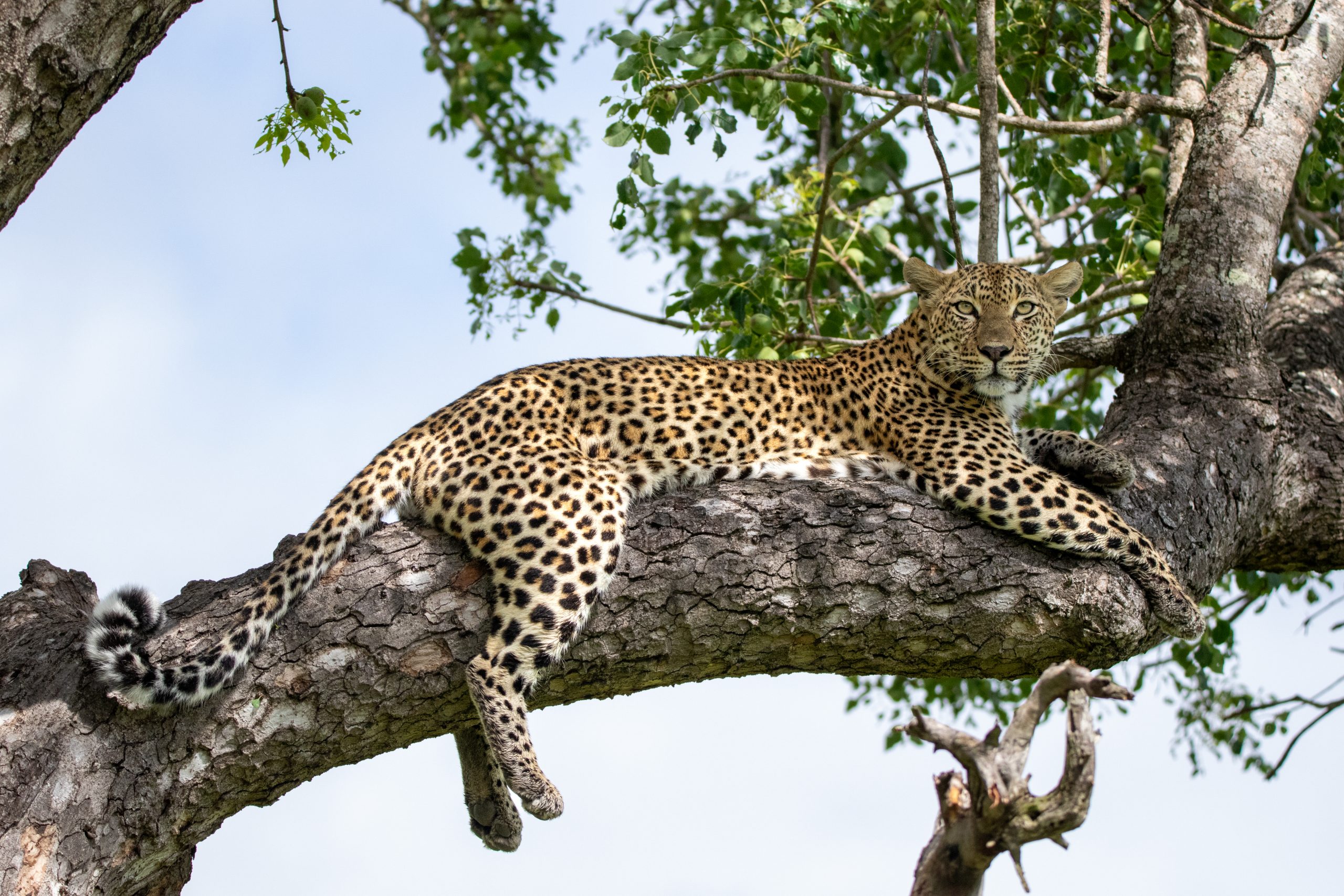
This genetic conundrum does not stop speculation about how a cheetah-leopard hybrid might look and behave. And there are sporadic reports of 'king cheetahs' in the wild, animals with the build of a cheetah but marked like a leopard with rosettes or blotches rather than solid, smaller spots typical in cheetahs. But this heavily marked fur is occasionally found in cheetahs and is not the result of hybridisation. While a leopard might not change its spots, some cheetah populations certainly can.
- Odd-looking, tiny killers, expert underwater swimmers and the grumpiest cats: 10 weirdest wild cats in the world
- Why can only big cats roar and not purr?
There are many other differences between the two species that are barriers to interbreeding. At 1.8m long and weighing over 70kg, the leopard is a bulkier more muscular animal that will attack the smaller, more delicately built cheetah on sight, particularly to drive it off a kill. Some experts have speculated that even if a successful mating did occur with a male leopard, a female cheetah's body would be too lightweight to bear or deliver a hybrid cub.
- Astonishing snow leopard hunt filmed in Pakistan's remote mountains
- Watch dramatic BBC footage shows desperate, ravenous leopard mother risking death for her cubs, high in the treetops
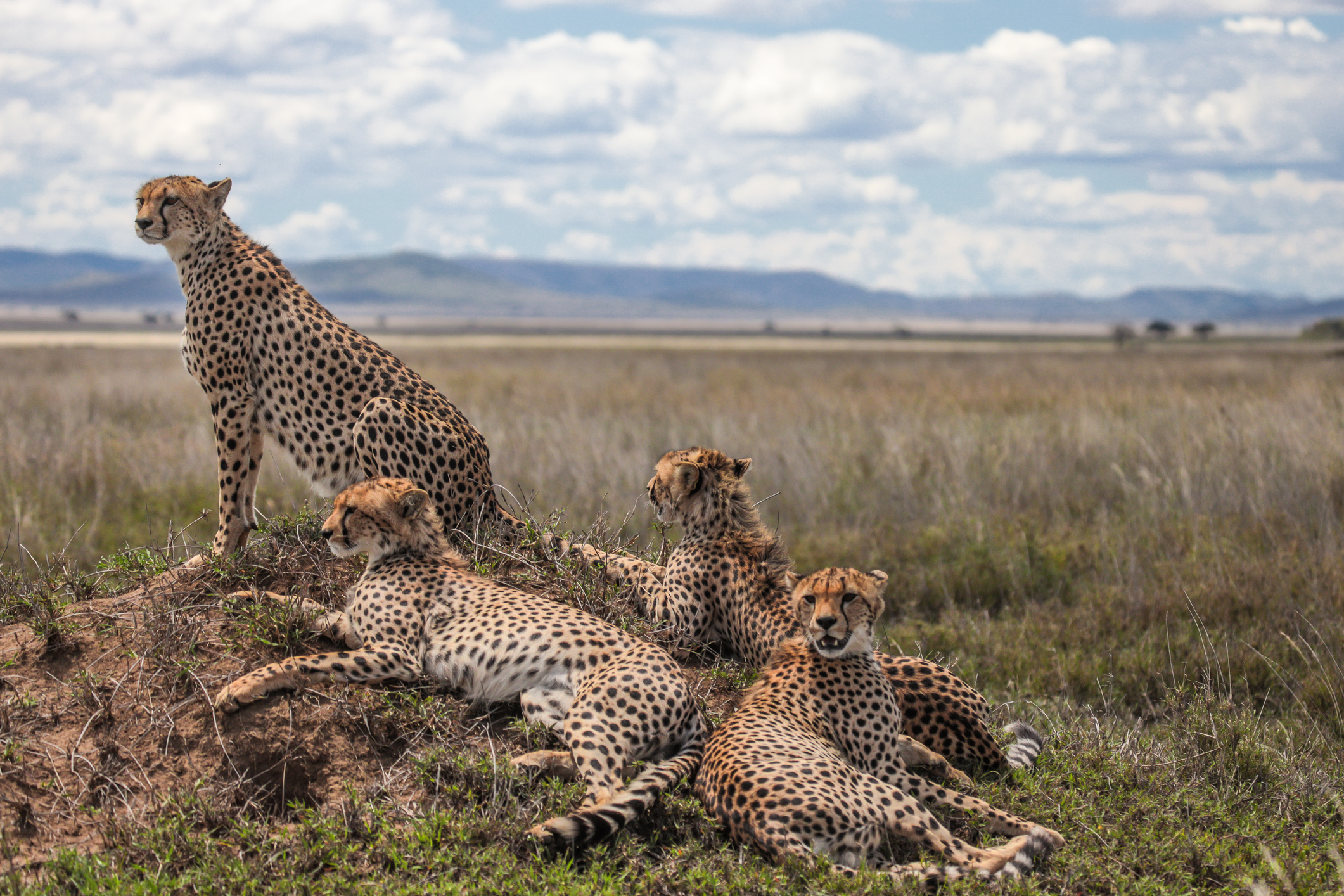
While it is true that leopards and cheetahs occupy similar savannah habitats of southern and central Africa and parts of Asia, leopards are built to ambush prey from trees or dense vegetation while cheetahs are lithe sprinters who run down their prey in open ground.
Where cheetahs need daylight to locate prey and successfully hunt, the leopard is most effective in twilight or darkness. Effectively, the two species are living parallel lives that don't bring them into contact with each other very often. Add in the disparity in global numbers (some 250,000 leopards vs 7000 cheetahs) and it is a wonder that leopards and cheetahs ever meet at all.
More wildlife stories from around the world:
- Experts looked inside Cape Town's largest predator. What they found has them worried
- Scuba divers went to an airplane graveyard in the Pacific and found souls hidden among the wrecks
- Free Willy: When Hollywood’s most famous killer whale was rescued from captivity he vanished into the ocean – But what happened next?