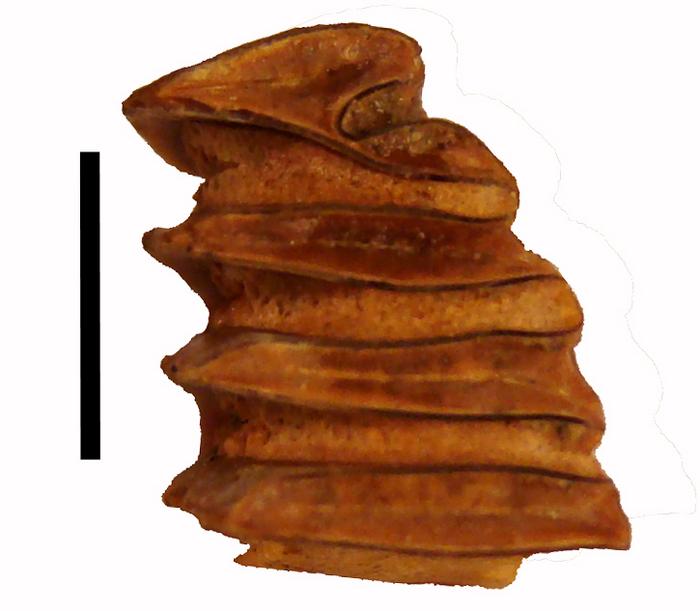
Researchers have identified a fossilised capybara tooth dating back almost nine million years in northern Chile’s Atacama Desert, providing the oldest record of capybaras in coastal Chile.
The findings, published in Scientific Reports, challenge the long-standing view that the Atacama has remained continuously dry for around 40 million years, instead adding to evidence that at least parts of the region experienced significant environmental changes over geological timescales.
The capybara tooth is significant because no other capybara fossils of a similar age have yet been discovered in Chile, making this single tooth an important piece of evidence for reconstructing the region’s past ecosystems.
“Finding a capybara tooth in a marine deposit in what today is one of the driest regions on Earth is just freakish,” said lead author Priscilla Martinez, a doctoral student at the University of Arizona.
- The world’s largest desert is enormous and there’s hardly any rain – but it’s not hot. Here’s why
- What’s the hottest place on Earth? And where's the biggest desert?
According to researchers, together with the other animal and plant fossils found at the site, the evidence points to an Atacama landscape very different from today’s arid environment, with a more complex history of changing climates and ecosystems across the region over millions of years.
Capybaras are the world’s largest living rodents and are closely associated with freshwater environments, with these semi-aquatic herbivores relying on surface water and wetland vegetation. Their presence in the modern Atacama, one of the driest places on Earth, would therefore be highly unexpected, according to researchers.
The tooth was discovered at El Morro, a fossil-rich site within the Bahía Inglesa Formation, where the surrounding sediments were deposited in a shallow marine environment between 7-10 million years ago. The formation also includes Cerro Ballena, a site renowned for its exceptionally rich concentration of whale fossils.
The discovery raises questions about how capybaras reached coastal Chile, given that their modern relatives are predominantly found east of the Andes and the mountain range would already have presented a substantial geographical and climatic barrier when the animal lived in the region.

Rather than crossing the high, arid Andes, the study found evidence that capybaras may have dispersed along low-elevation environments around the northern edge of South America, potentially moving from what is now Venezuela and Colombia through Ecuador and Peru and into northern Chile.
Other fossils from the same deposits provide further evidence of a very different late Miocene climate, including freshwater fish and gavials, a group of crocodilians associated with freshwater habitats.
Researchers also found phytoliths (microscopic silica structures formed within plant tissues) which reveal clues about the vegetation growing in the region at the time.
Analysis indicates the landscape supported palms and other flowering plants, including dicotyledonous plants, in stark contrast to the sparse vegetation found across the Atacama today.
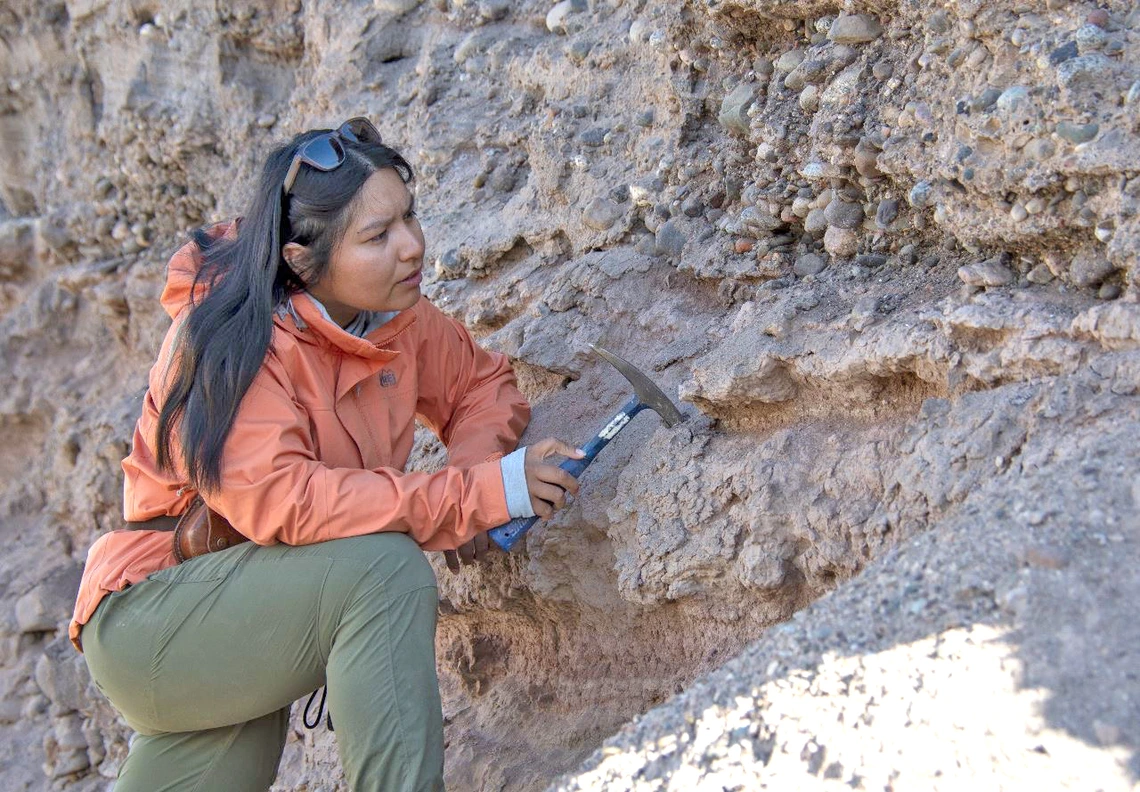
“Think sunny Southern California full of palm trees,” Martinez explains. “You don’t really expect the Atacama Desert to have palms, and we’re not sure if they were blooming extensively there, but they were definitely there.”
The findings could also provide broader insights into how desert landscapes respond to climate change, beyond the history of capybaras and the Atacama Desert, Martinez said.
“The more we understand deserts, which are extremely sensitive to changes in climate, including shifts in monsoon intensity from year to year, the better we can predict how they fare long term,” she said.
Understanding past climate changes that occurred without human influence can also provide a baseline for assessing how these environments may change as a result of human-driven climate change.
- They look as if they could just get up and scuttle away…" Glittering fossils preserved in gold reveal exciting new evolutionary clues
- “Greater detail than ever before.” Ancient creature found immaculately entombed in amber
- "It's like finding a diamond": 16-million-year-old animal found encased in amber on Caribbean island
Top image: San Pedro River's Valley in Atacama Desert. Credit: Erlantz Pérez Rodríguez/Getty Images