The hedgehog is a small mammal known worldwide for its distinctive spikes – here's all you need to know about this prickly animal.
- Brits are desperate to save this prickly garden visitor – but Kiwis don’t feel the same
- Porcupine vs hedgehog: what’s the difference between these spiky mammals?
What do hedgehogs look like?
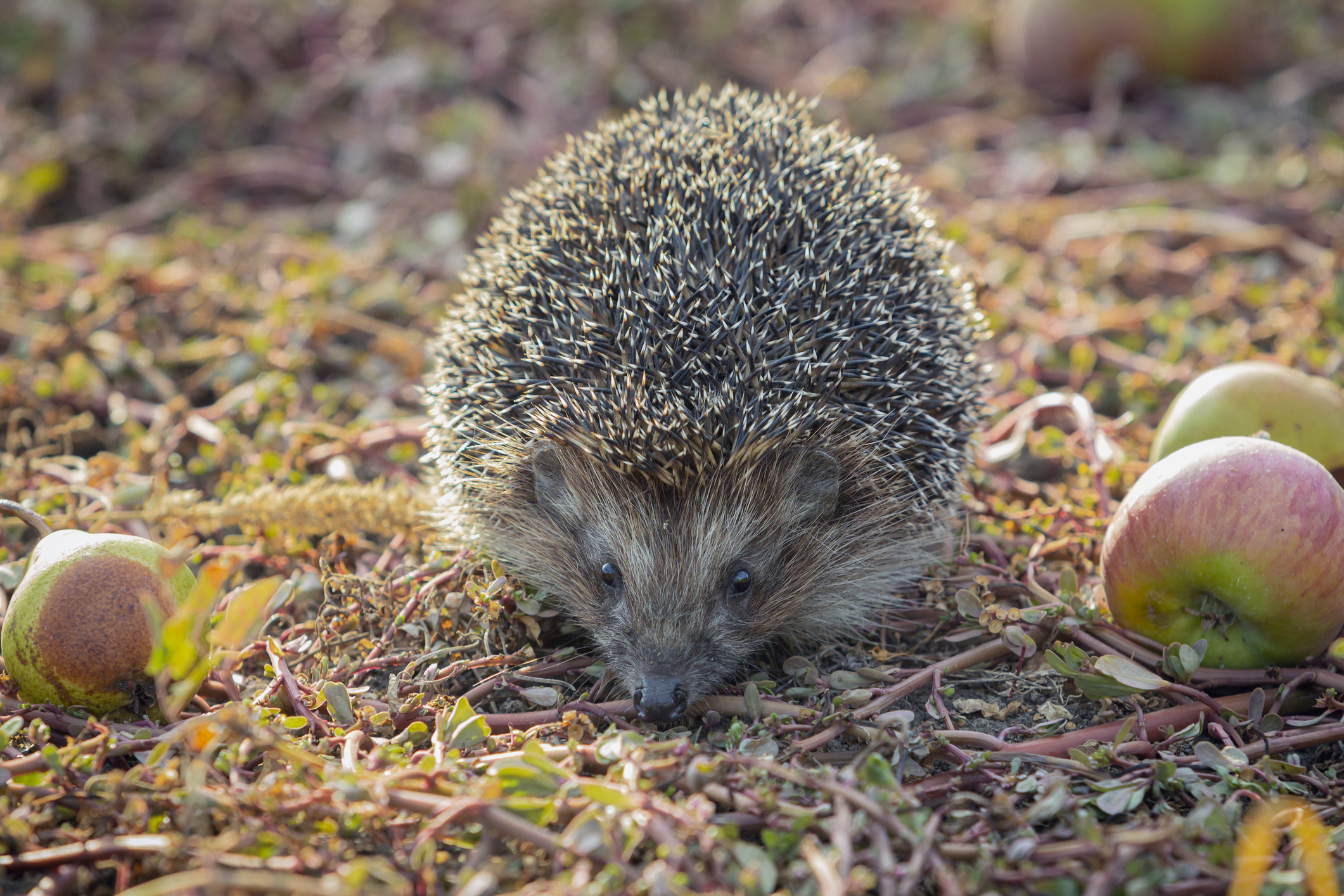
They are brown in colour, stocky, with short spikes, small ears, bellies close to the ground and a short tail. Adult hedgehogs are around 25cm long.
How many species of hedgehog are there?
The European hedgehog (Erinaceus europaeus), found across Western and Northern Europe, is only one of 17 hedgehog species found worldwide. These species are spread across five genera found throughout parts of Asia, Africa, and in New Zealand by introduction. There are no living species of hedgehog native to Australia or the Americas.
- genus Atelerix is native to Africa
- genus Erinaceus can be found all across Europe, throughout the Middle East, parts of Russia, and extending to northern China and Korea
- genus Hemiechinus is limited to Central and South Asia
- genus Mesechinus can be found in East Asia
- genus Paraechinus is native to North Africa, the Middle East and South Asia
When can you see hedgehogs?
Hedgehogs are nocturnal, so you're more likely to find evidence of them than actually see one – although they are known for being quite noisy: grunting and snuffling around in your garden looking for food.
Hedgehogs hibernate during the winter and emerge during breeding season between April and September. Their typical nest is made from dried leaves tucked away underneath a structure such as a log, shed or even a dry compost heap. In November, hedgehogs are particularly vulnerable because an unlit bonfire makes the perfect home for them as they're starting to look for somewhere safe to hibernate. It's important to check for them before lighting.
What do hedgehogs eat?
Hedgehogs are known for eating slugs and snails, making them excellent pest controllers on allotments and in gardens. They'll also munch on berries, invertebrates, frogs and eggs. They'll even have a go at young adders, as they have some natural resistance to adder venom. Hedgehogs can travel up to 2km in search of food – trundling along with surprising speed. They're also good swimmers.
If you want to feed the hedgehogs in your garden, the British Hedgehog Preservation Society recommends meaty cat or dog food, or biscuits – just check that the main ingredient of the biscuits is meat.
Where do hedgehogs live?
Hedgehogs like dry spaces such as under garden sheds, near compost heaps, hedges or even just an untidy bit of your garden. As a result, it is important to be cautious when moving or disturbing such spaces. Take special care during the winter months, as the hedgehog will be hibernating. If you make your garden more hedgehog friendly, or build or buy a hedgehog house, then you may be able to see them go for food and drink.
Do hedgehogs hibernate?
During the evenings in the summer months is your best chance of seeing a hedgehog as depending on the temperature, hedgehogs hibernate from November through to March or April.
During hibernation, a hedgehog’s body temperature can fall to less than 10°C, its heart slows to fewer than 20 beats a minute and it virtually stops breathing. Hedgehogs build winter nests, called a hibernaculum, under leaves or structures such as sheds or, unfortunately bonfires which is why it is essential to check before lighting.
What is hibernation?
Hibernation is a way for many creatures – from butterflies to bats – to survive cold, dark winters without having to forage for food or migrate to somewhere warmer. Instead, they turn down their metabolisms to save energy.
Are hedgehogs endangered in the UK?
It's hard to say definitively, as small animals such as hedgehogs are quite difficult to count. Various studies and reports have attempted to quantify the hedgehog population in Britain over the years, but most of them are estimates rather than hard numbers. Current best estimates put the UK population at well under a million; most commonly-cited figures being between 500,000 and almost 900,000.
But, it is generally thought that hedgehog numbers declined by up to a half in rural areas and a third in urban areas between 2000 and 2015. The availability of habitat and food may be two of the main factors affecting them, along with them being killed on roads. The use of pesticides reduces the numbers of invertebrates that they feed on.
In 2020, the first official Red List for Britain's Mammals was produced by the Mammal Society for Natural England, Natural Resources Wales, Scottish Natural Heritage, and the Joint Nature Conservation Committee, and authorised by the IUCN on a regional level. Eleven species were deemed to be at risk of extinction, including the hedgehog (listed as Vulnerable alongside the hazel dormouse), Scottish wildcat (listed as Critically Endangered), Eurasian beaver, red squirrel and water vole (all listed as Endangered).
Are badgers to blame for the decline of hedgehogs?
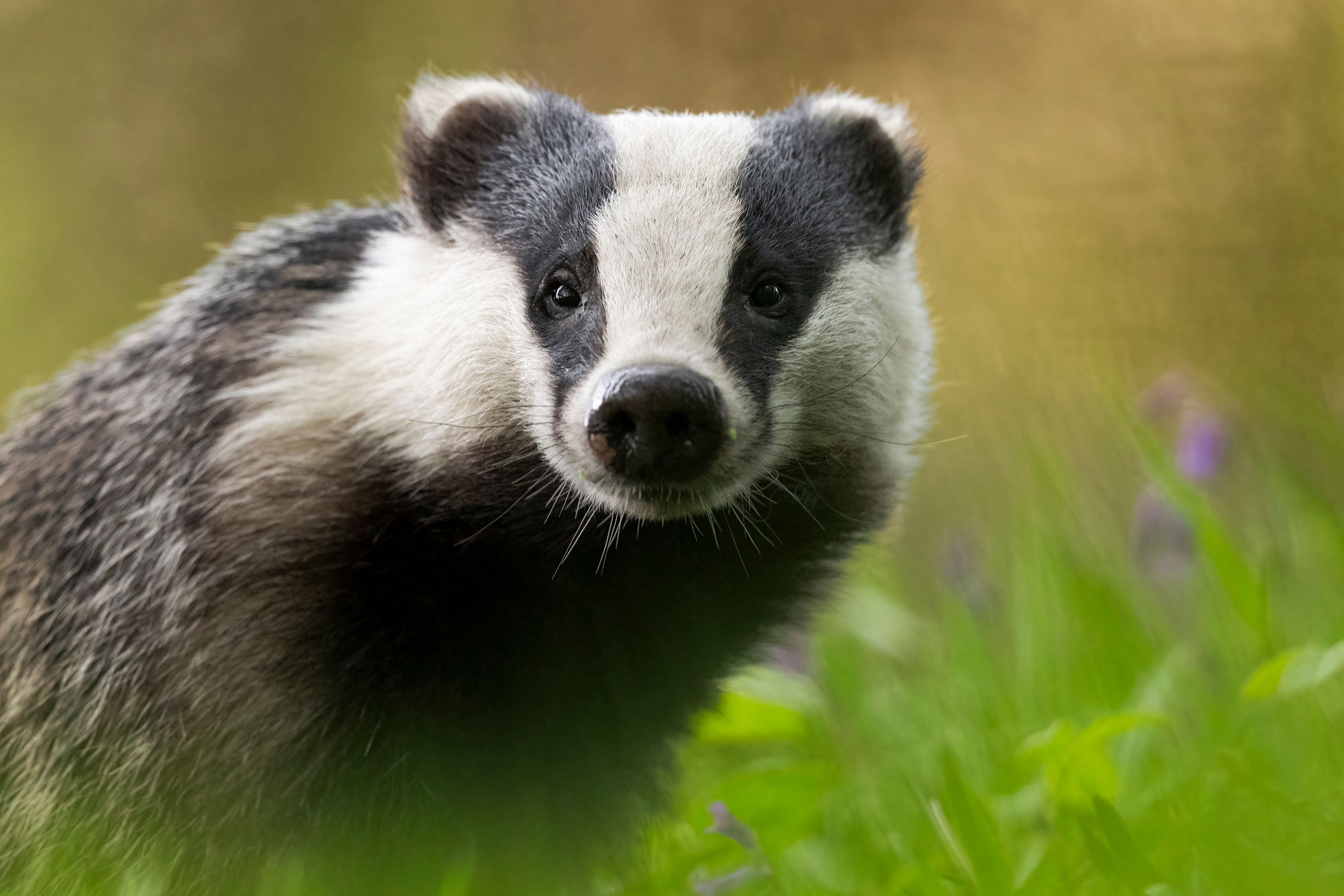
Badgers and foxes can both attack hedgehogs, but we don’t know how common it is or how often a hedgehog is killed. It’s also complex because all three species eat invertebrates and are therefore competing for the same food sources.
How to spot hedgehog signs
What do hedgehog tracks look like?
Faint trails through flowerbeds or long grass or across dew-covered lawns in the early morning may indicate that a foraging hedgehog has been in the area.
Hedgehog footprints show their five toes, with claw marks, measuring roughly 2.5cm in length and 2.8cm in width. Their prints are hard to find, so try leaving out a ‘footprint tunnel’ that has an ink pad to record them.
Here's how to identify other animal tracks and trails.
What do hedgehogs sound like?
If you hear huffing, snuffling or wheezing in your garden at night, it’s a fair bet that you have hedgehogs. They are noisiest on warm evenings in May–July, the peak breeding season in Britain.
What do hedgehog droppings look like?
Size: 1.5–5cm
Hedgehog poo is sausage-like in shape, like that of a small carnivore. It is usually shiny and squidgy, and may be tapered at one end. Normally black in colour, hedgehog droppings may contain berry pips and shiny fragments from insect body parts.
Look out for hedgehog poo on garden lawns and school fields.
How to protect hedgehogs on Bonfire Night
The British Hedgehog Preservation Society (BHPS) is asking everyone to take care this Bonfire Night and to prevent horrific and unnecessary suffering to hedgehogs and other wildlife.
Bonfire piles, made up of dry wood and leaves, look like the perfect hibernation spot for hedgehogs, so BHPS have come up with a four-point plan for people to follow:
- Bonfires should not be built until the day they are to be lit. This will not only save wildlife from burning to death but will also stop the bonfire from getting soaked should it rain the night before!
- If a large bonfire must be built in advance, protect it whilst building by putting some chicken wire one metre high all the way around the bottom. This should be held in place with stakes and the wire should slope outwards at an angle to make it difficult to climb, as hedgehogs are good climbers! A ring of old tyres around the base stacked a few high can also work.
- If, whilst building, a bonfire is left unattended for however short a time, it’s imperative to check for hedgehogs and other animals including family pets, or even young children, before lighting. Hedgehogs tend to hide in the centre and base of the bonfire, check the bottom metre or so by gently lifting the bonfire section by section with a pole or broom. Never use a spade or fork as these can cause terrible injuries. Using a torch will help and listen for a hissing sound, as this is the noise they make when disturbed.
- When lighting, do so from only one side so there is an escape route for anything you may have missed.
If you find an injured hedgehog, the BHPS recommends following steps 1, 2 and 3 above, then calling them on 01584 890 801 for further advice and the numbers of local contacts.
"If material is stored on open ground in advance of having a bonfire, it’s crucial to dismantle it and move it to another spot just before lighting," says Fay Voss, chief executive of BHPS.
"Ensure it’s moved to clear ground - never on top of a pile of leaves as there could be a hedgehog underneath, and not too close to pampas grass which can ignite very easily and is another favourite spot for hedgehogs to hide under.”
How to protect hedgehogs when mowing
Take care when mowing or trimming long grass and tidying wild patches, as they are an ideal place for a hedgehog’s nest. The British Hedgehog Preservation Society advises, "When cutting long overgrown areas check for hedgehogs and other wildlife, then cut initially to about a foot long. Check again before cutting any lower."
Providing a suitable nesting or hibernating box can help prevent accidental disturbance. Bin bags left at ground level will also attract hedgehogs and they may try to nest in them and get put out for waste collection.
How to help hedgehogs in your garden
Hedgehog expert Hugh Warwick shares these easy steps to help hedgehogs in your garden:
Create a wild corner in your garden
Add a tussocky patch to your garden as a perfect daytime nesting area for hedgehogs. Allow a corner of your lawn to grow long, or sow a mix of native grasses and wildflowers, such as meadow foxtail, cock’s-foot, lesser knapweed, yarrow and ox-eye daisy.
Leave this vegetation over winter as it provides a crucial habitat for many invertebrates to complete their life-cycle – a garden buzzing with insects is a great garden for hedgehogs.
Plant a tree
If space allows, plant an oak, beech, hornbeam or lime tree. These have the ideal leaf size for hedgehogs to make their winter hibernation nests.
If you buy trees from a nursery, check they haven’t been imported from Europe and have been grown from British seed in the UK.
Turn allotments and veg beds into havens
Growing veggies creates perfect ‘hogitat’, so long as you avoid chemicals and don’t fence your plot with netting or chicken wire (try living willow instead). Speak out at allotment management meetings: hedgehogs make great pest controllers.
Avoid chemicals
Go chemical-free. Using weedkiller on your lawn reduces the availability of earthworms, a key hedgehog prey item. Slug pellets and pesticides can also make hedgehogs very ill or even kill them.
Provide nesting places
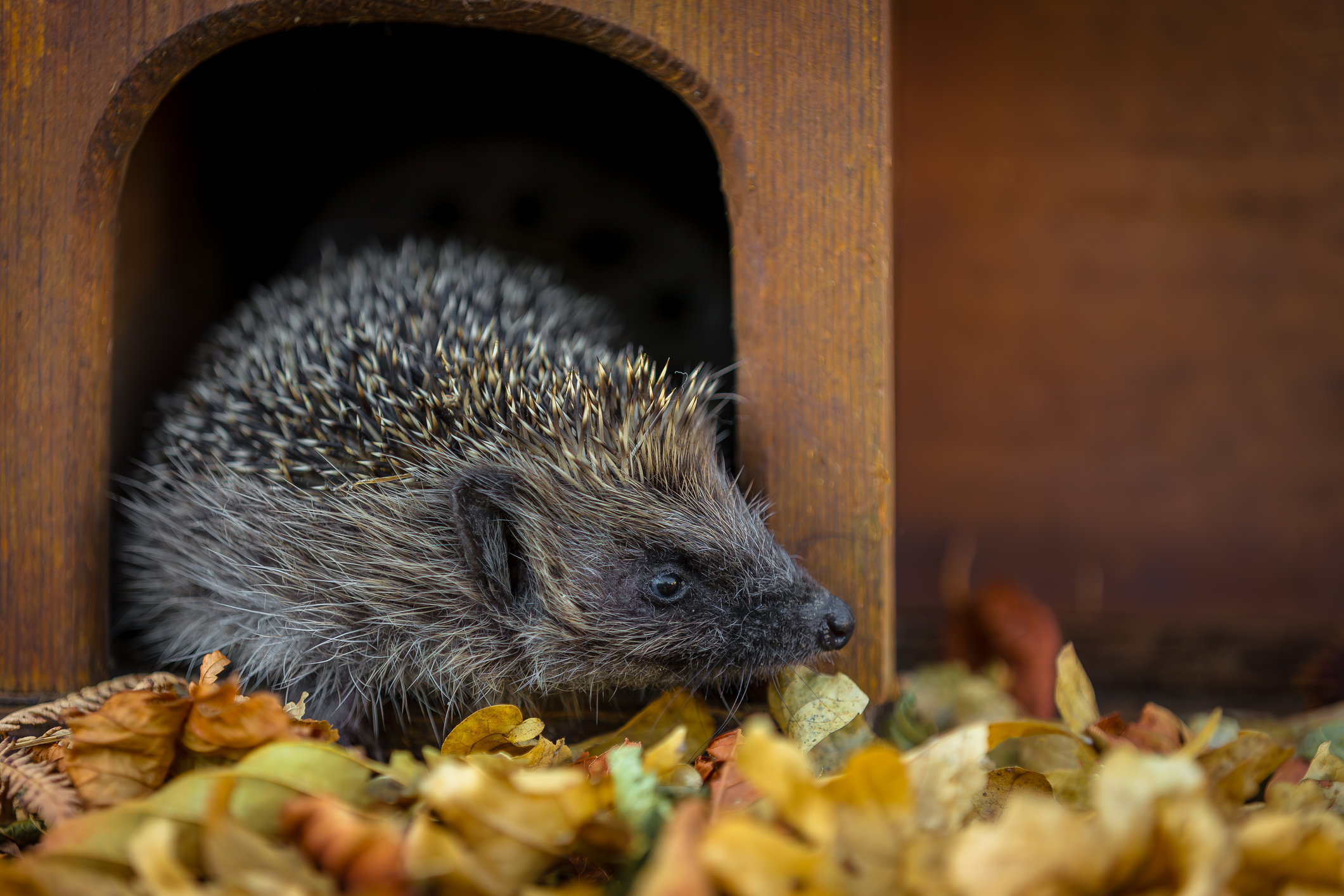
Go natural! Purpose-built ‘hog houses’ are fun and sometimes used, but a woodpile is a multi-functional, one-stop shop for hedgehogs, providing abundant insect food together with a sheltered spot for them to start a family. Simply leaning a piece of wood against a wall or fence can help, too.
Make a compost heap
Composting is better than wasting money on fertilisers and a huge help to hedgehogs. This is because leaf decay, and the associated bacteria and fungi, support diverse communities of creepy-crawlies, which in turn are food for hedgehogs.
Start your mound of decaying plant matter in a spot that’s accessible to hedgehogs and open to the elements: avoid covered heaps or bins.
Break down barriers
Opening up your garden is the bread and butter of being hedgehog-friendly. So if you do nothing else, cut 13cm by 13cm holes in your fences at ground level, or make small tunnels underneath the panels. These will be too small for pets, but big enough for grateful rotund hogs to pass through.
Offer extra food and water
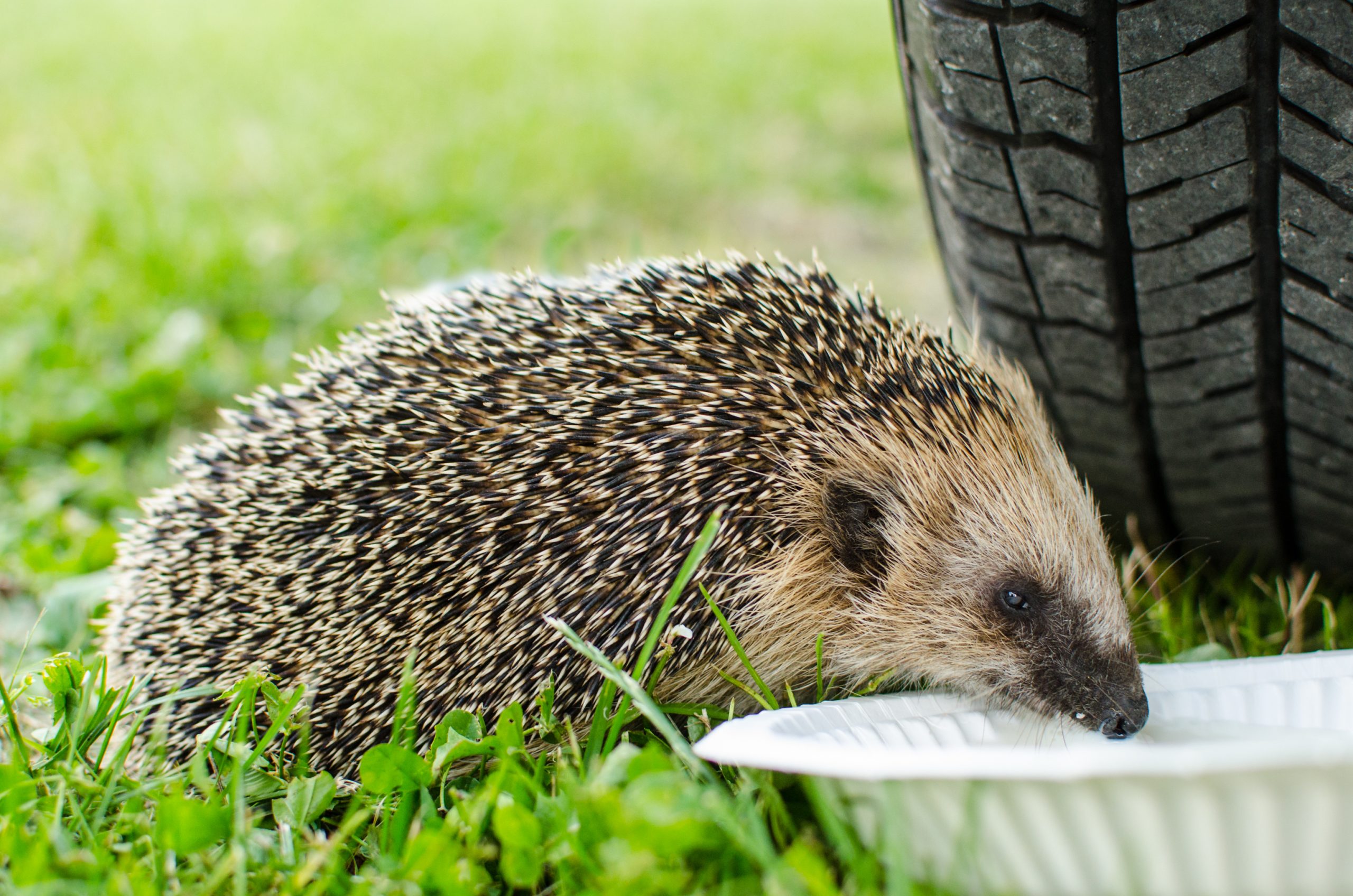
Supplement natural foods by offering specific hedgehog food, or meat-based cat or dog food, or cat biscuits.
This is most important if you spot any active hedgehogs in November–March, the usual hibernation period, when invertebrate prey is scarce. Remember to also provide fresh water if possible, especially during dry weather or if leaving out dry food.
Rescue hedgehogs
Sick, injured, orphaned or underweight hedgehogs can be saved by expert care, and many are released back into the wild.
If you find an animal you’re worried about, put it in a box indoors with a towel to hide under and contact your local hedgehog hospital, or call the British Hedgehog Preservation Society on 01584 890801.
Spread the word
Hedgehog conservation is all about collaboration, so show this page to your friends, neighbours and work colleagues. What our hedgehogs really need is safe neighbourhoods, not single gardens. For more information about hedgehogs and advice on how you can help them, visit hedgehogstreet.org
Top image credit: Kseniia Ivanova/Getty Images


