A lot! After humans, domestic dogs are the fifth most numerous mammal on the planet with an estimated population of at least 700 million individuals.
- It didn't much look like a dog – or act like one as it climbed trees like a cat – yet it was the first-ever dog on the planet and the ancestor of all dogs today…
- 10 most beautiful wild dogs on the planet, from the supermodel-legged wolf to tiny, blonde desert fox
They were domesticated from grey wolves, which belong to the Canidae family, a group of predatory mammals that is naturally found on every continent except for Antarctica and Australia. Usually characterised by long muzzles and ears, they are renowned for having an excellent sense of smell and hearing.
How many wild dogs species are there?
Confusingly, it slightly depends on who you ask. Using the IUCN Red List as the source, and excluding domestic dogs, there are 36 species. These include well-known ones such as the red fox in the UK, the grey wolf in Eurasia and North America and the African hunting dog in Africa.
So, where is there disagreement?
It’s more a question of advances in science. For example, recent studies have pointed to the considerable ecological, behavioural and genetic differences of both Himalayan (or woolly) and Indian wolves to grey wolves in the rest of the world. This paper suggested they should be full species in their own right, which would increase the number of canids by two.
Are there any others?
Well, the current status of the African wolf shows how difficult classifying wild dogs can be. Wolves in Africa were until recently considered to be a population of golden jackals, but genome-sequencing and other studies suggested they are more closely related to grey wolves, and they were reassigned with the scientific name Canis lupaster.
And then there’s the red wolf, an extremely rare and Critically Endangered canid officially designated as a separate species by the IUCN, but which was previously also thought to be a subspecies of grey wolf – and doesn’t look that dissimilar. Once believed to range throughout a wide area of eastern North America, today it is entirely restricted to one county in North Carolina.
Are there any species that aren’t disputed?
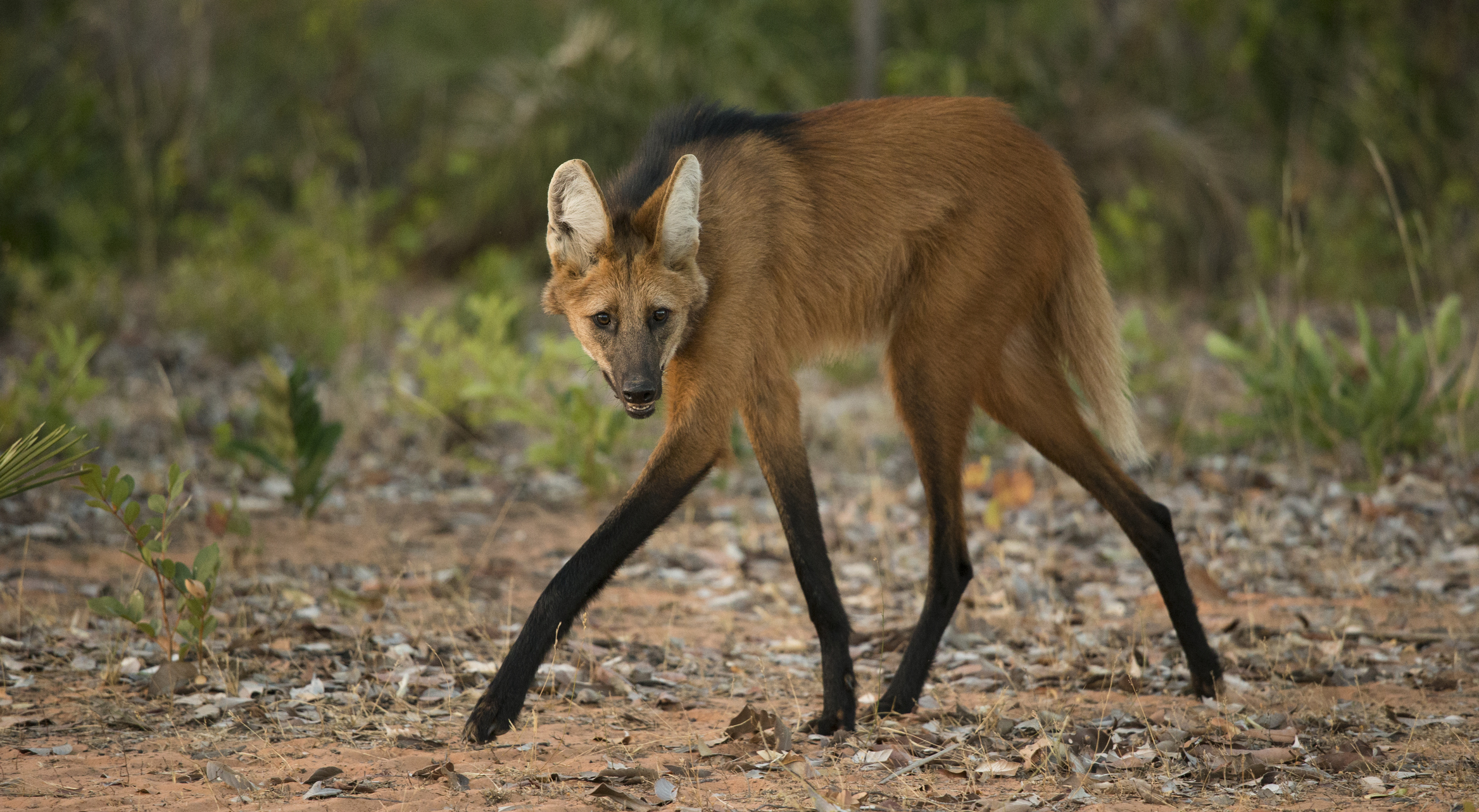
Yes, plenty. Starting in South America, the maned wolf is so strange and different in appearance to all other dogs that there’s nothing to confuse it with. It has the legs of a super model and a beautiful russety coat, and an estimated half of its diet is fruit. One fruit in particular, a tomato-like berry known as lobeira or ‘fruit of the wolf’, is a particular favourite. It’s actually not closely related to wolves, but the only member of its genus, Chrysocyon.
- It has supermodel legs, walks like a camel, hunts like a cat and loves fruit. Meet one of the weirdest dogs on the planet
- It looks like a squat, cuddly little bear, chirps like a bird and has webbed feet for swimming – meet the very rare and bizarre wild dog that's like no other
Almost diametrically opposite in terms of appearance, bushdogs are short, squat, have the legs of a bulldog and – unlike the elegant maned wolf which is largely solitary – hunt in packs of up to 12 individuals. Like wolves, they live in extended family groups with a main breeding pair and related group members who help with the chores, such as bringing up the children.
What about outside the Americas?
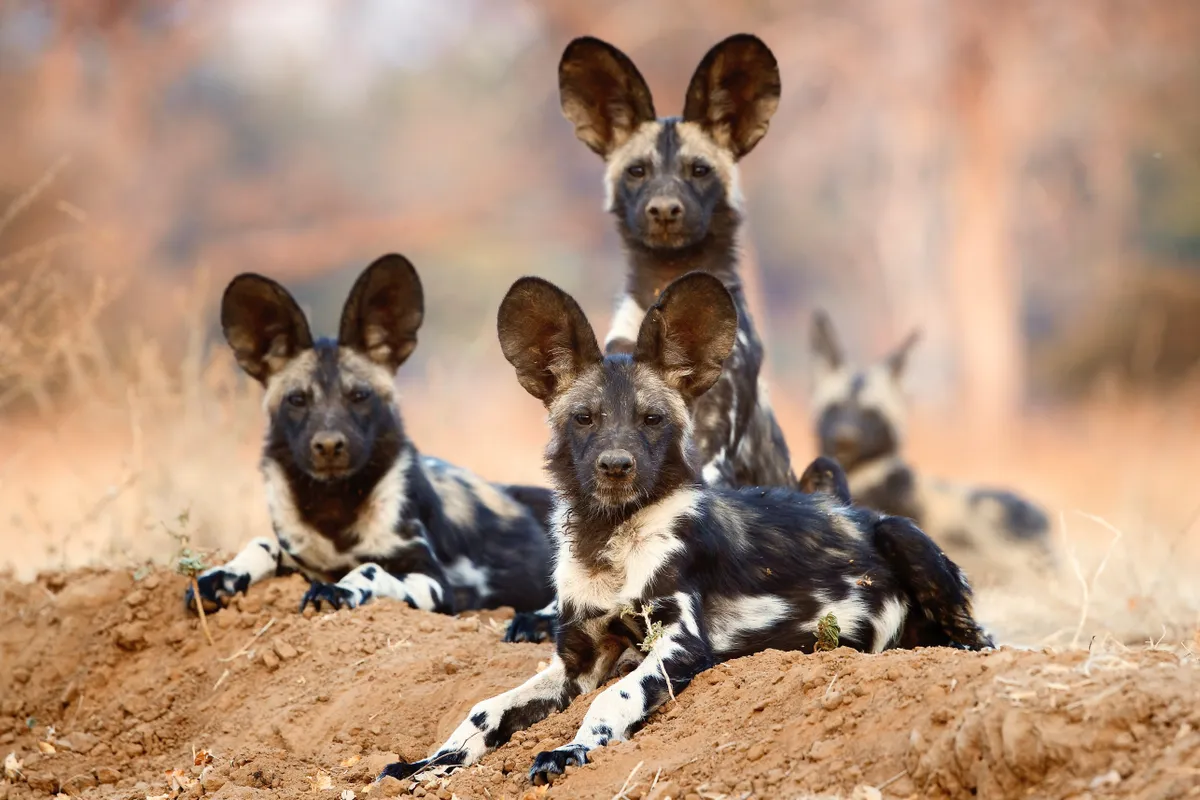
In Africa, the best-known of the canids are probably the African wild dogs, which are found in scattered populations over a large area south of the Sahara. Also known as painted hunting dogs (because of their beautiful mottled red, brown, black and white coats), they also hunt in packs and are renowned for a hunting success rate of 80 per cent. Though small and weigh just 20-25kg, working in groups of up to 20 adults they can bring down prey of 200kg, almost 10 times their size.
Africa also has two species of jackals, and numerous foxes, including the bat-eared fox (yes, they have very big ears) and the fennec fox, the world’s smallest canid which reaches a maximum weight of just 1.4kg, less than two bags of sugar and considerably lighter than most domestic cats. They live in North Africa’s Sahara (as well as the Sinai and Arabian peninsulas) and also have outsized ears which help radiate heat in the ferociously hot desert temperatures they must endure.
What about in Asia?
Aside from grey wolves (and their related subspecies), golden jackals – highly adaptable, medium-sized dogs – range from Turkey to Vietnam, including over most of Pakistan and India (and increasingly much of Europe). Some of this area also is home to dholes, much rarer, pack-living canids that communicate with whistles and can give birth to up to 12 pups in a litter.
Speaking of strange sounds, the island of New Guinea is home to a very strange canid indeed – the singing dog. San Diego Zoo Wildlife Alliance gives it separate species status and the scientific name Canis hallstromi, though it’s generally thought to be closely related to the dingo, which in turn is . . . well, we’ll come to that in a minute. Not much is known about the behaviour of New Guinea singing dogs, and they are generally regarded as incredibly rare and possibly on the verge of dying out as a result of hybridisation with feral domestic dogs.
One other canid worth mentioning is the raccoon dog – another small-ish, squat animal native to the Asian Far East that has become established in many European countries after escaping from fur farms. They have become popular as pets, too, though the UK has made it illegal to keep them because of fears they could become invasive here.
So, what about dingos?
As most people know, dingos are found in Australia. They are generally regarded as non-native descendants of domesticated dogs brought to the continent by seafarers from Asia some 4,000 years ago, and they are usually solitary predators of everything from kangaroos to rabbits. But not everyone agrees with this – last year, scientists published a paper arguing they were distinct from all other canids and may even deserve full species status – Canis dingo. If that were to happen, there’d be 37 wild dog species. Or maybe more.