They are not the biggest, the fastest, nor even the rarest. Yet across the sweeping savannas and shadowed bushlands of Africa, these five animals have earned a title that carries weight, danger and legend: the Big Five.
Coined by big-game hunters, the Big Five referred to the five most difficult and dangerous animals to track and hunt on foot. Each could turn the 19th century hunter into the hunted in an instant.
Today, the term has been reclaimed as a celebration of survival, power and beauty. The Big Five are now sought out by wildlife fans and safari-goers who want to get a glimpse of these magnificent creatures in the wild.
The Big Five are the golden lion, the elusive leopard, the immense elephant, the armoured rhinoceros and the formidable African buffalo.
You might not be able to get to Africa yourself but you can enjoy a virtual safari with our gallery of images of the Big Five. See elephants, leopards, lions, cape buffalo and rhinoceroses in all their glory, from heartwarming family moments to feeding time and battles for survival.
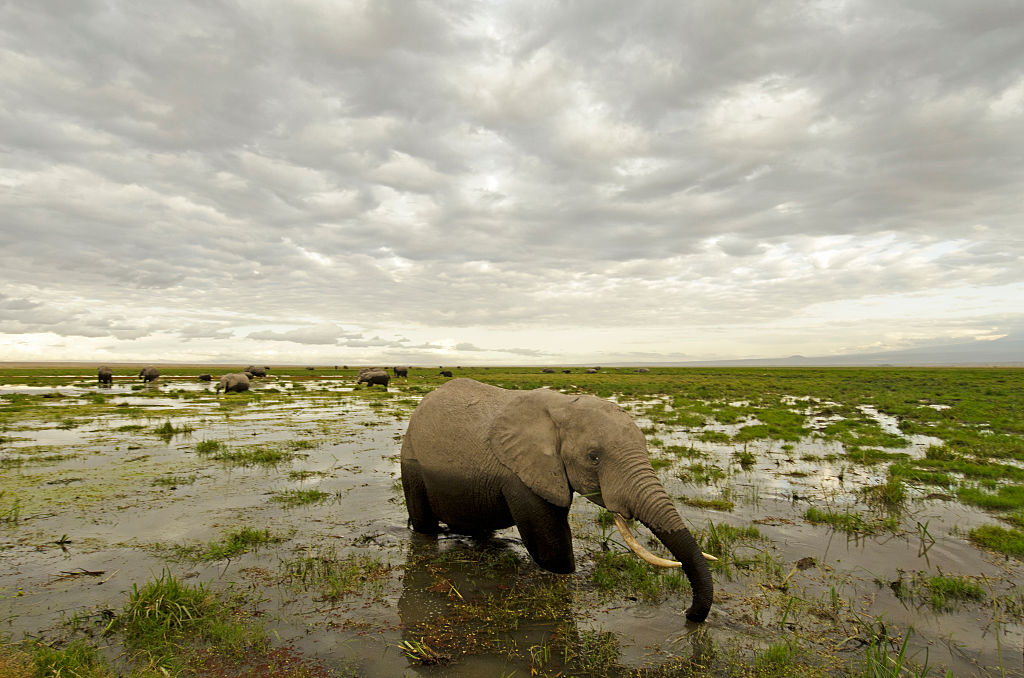
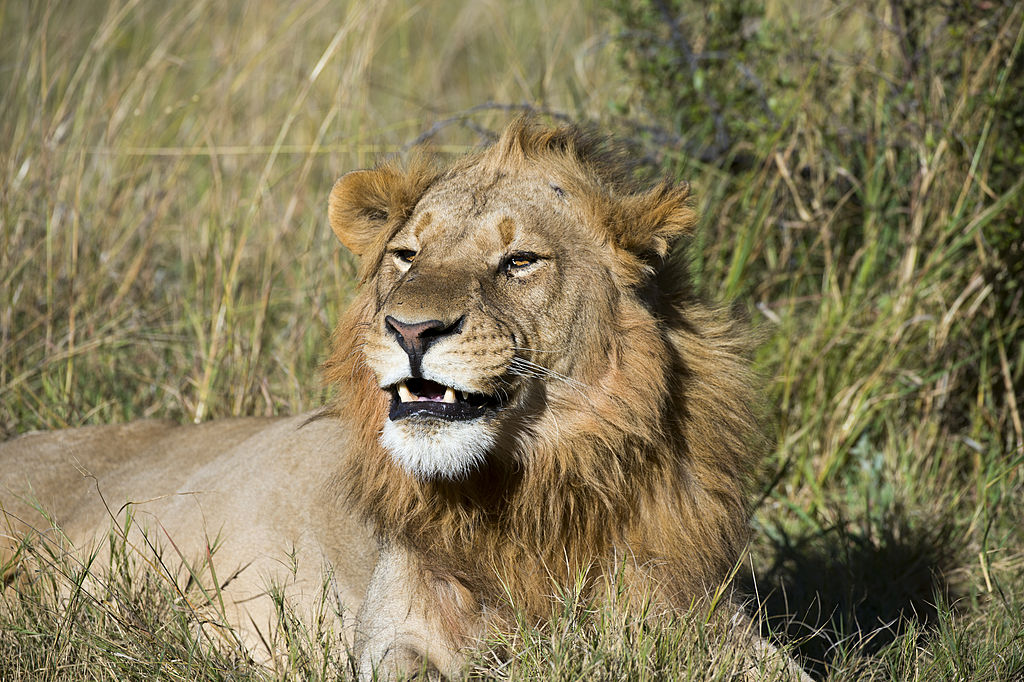
Cooling off on a cloudy day: Elephants wade through wet grassland in Amboseli National Park in Kenya. Hundreds of these majestic animals traverse the park's swamps and seasonal lake beds daily to feed, cool off and drink. (Photo: Anthony Asael/Art in All of Us via Getty)Watching the world go by: A male lion lies in the grass at the Linyanti Reserve near the Savuti Channel in northern part of Botswana. (Photo: Wolfgang Kaehler/LightRocket via Getty Images)
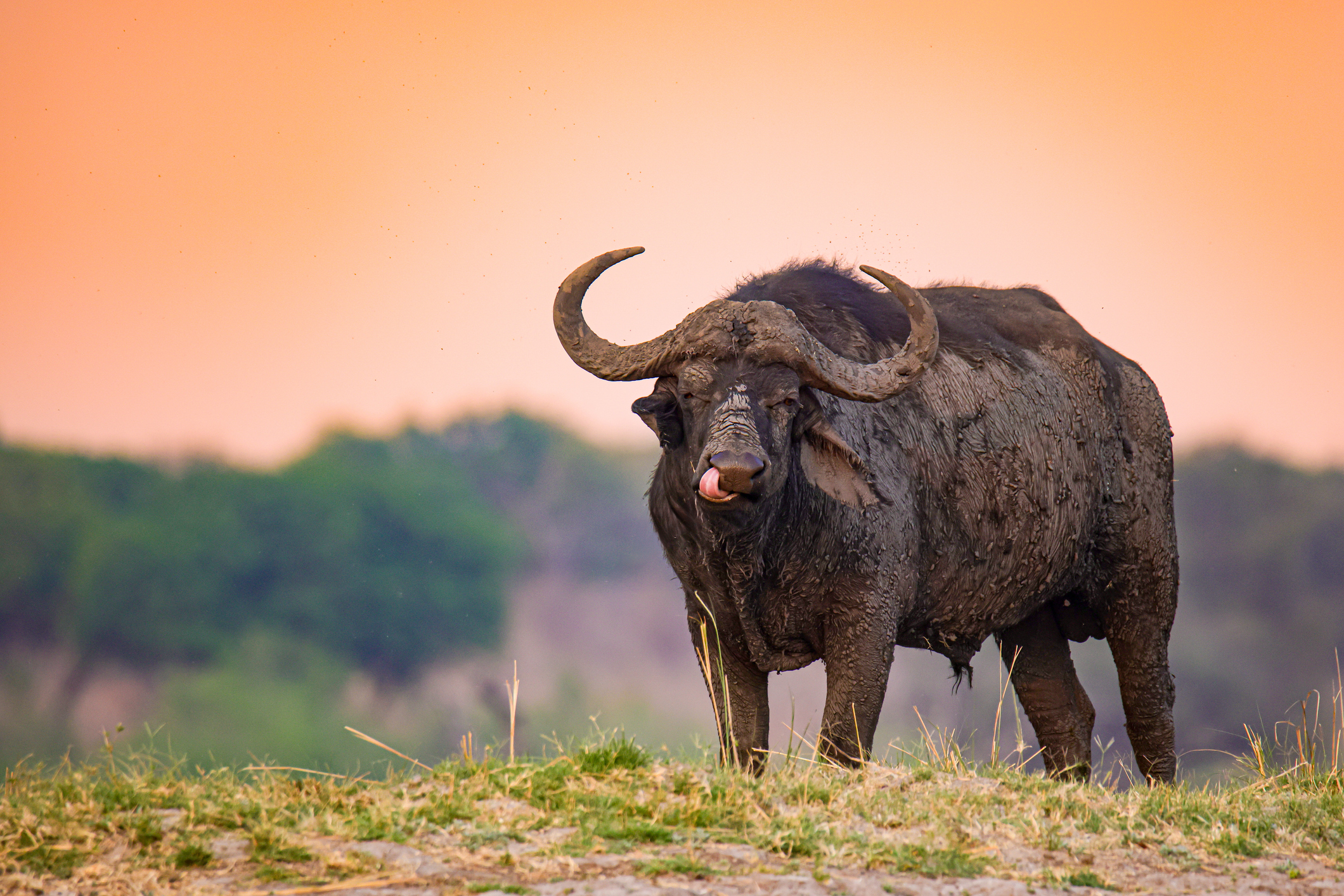
Sticking a tongue out: A solitary African, or Cape, Buffalo stands on the grassy plains of Chobe National Park in Botswana. Known for their formidable strength, African Buffaloes often move in large herds but equally imposing when seen alone. They are also regarded as one of the most dangerous animals in Africa. Earning the nickname 'the Black Death' or 'widowmaker', they are unpredictable and will charge anything they perceive as a threat. (Photo: Beata Whitehead via Getty Images)
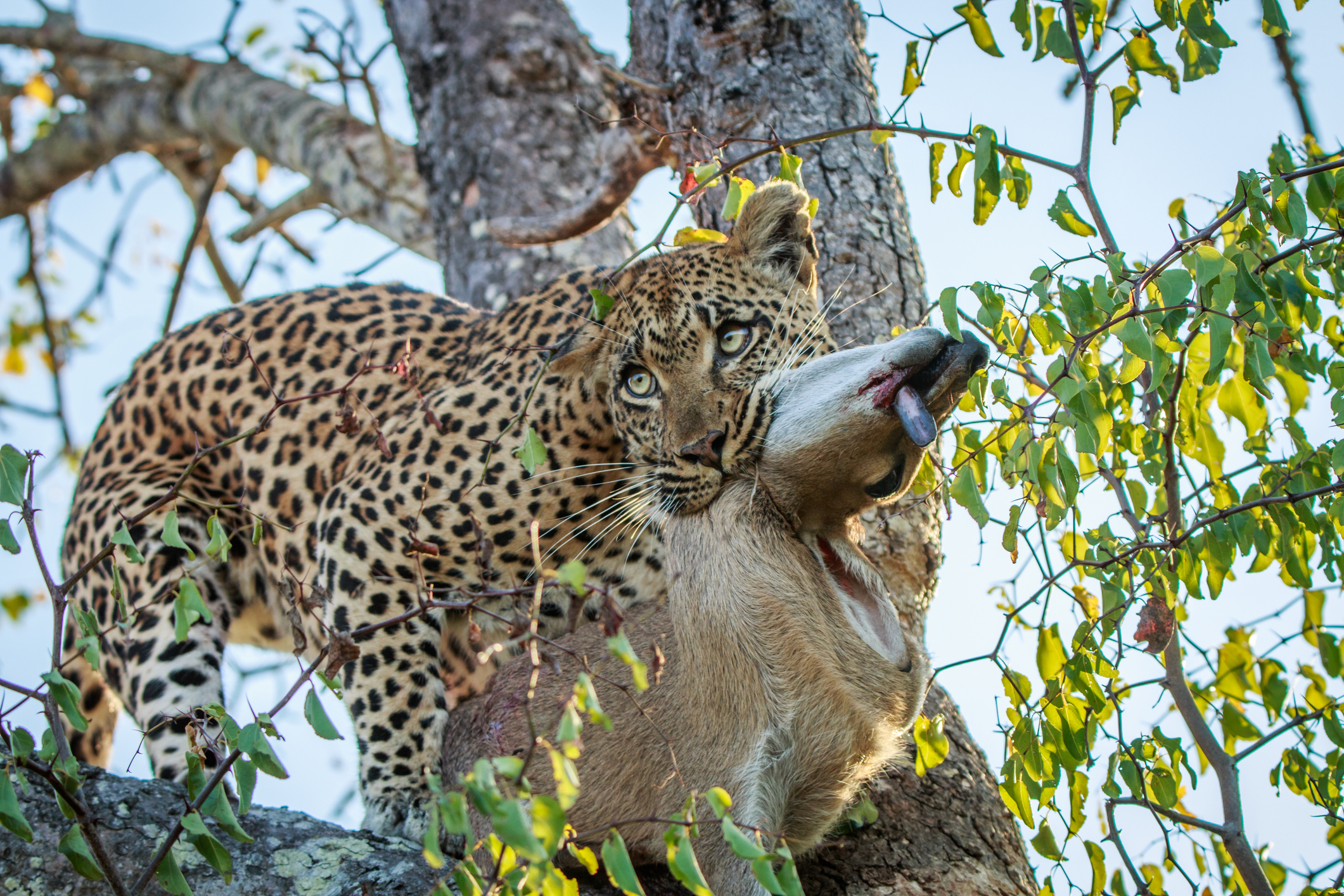
Grab life by the throat: A leopard hangs on to a dead duiker in the Kruger National Park, South Africa. Leopards hauls their kill up trees in order to protect their food from scavengers. (Photo: Simoneemanphotography via Getty Images)
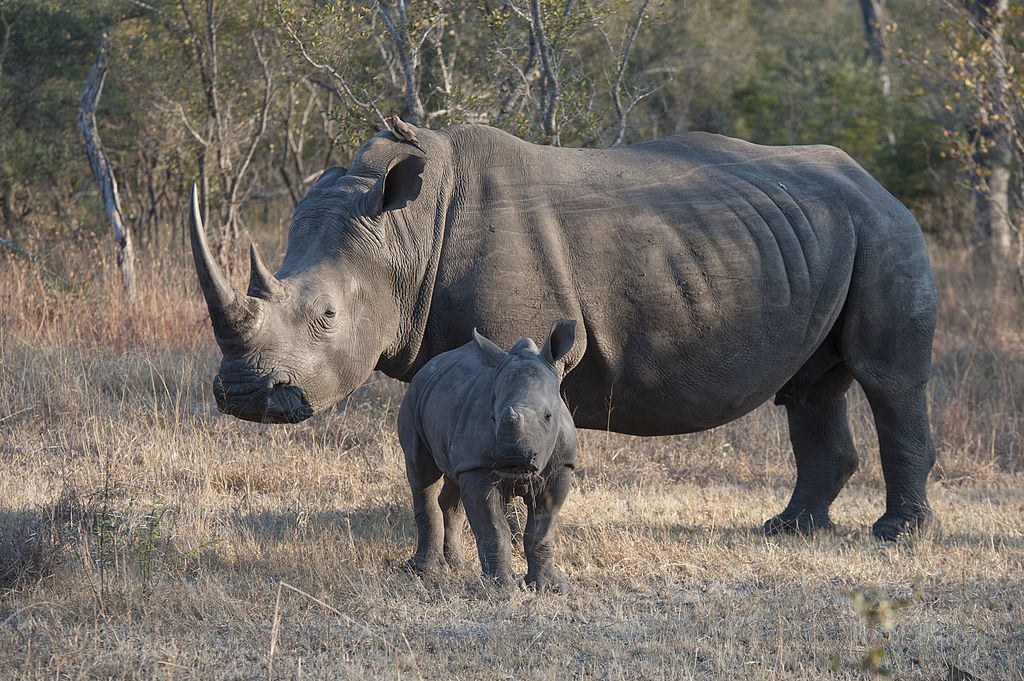
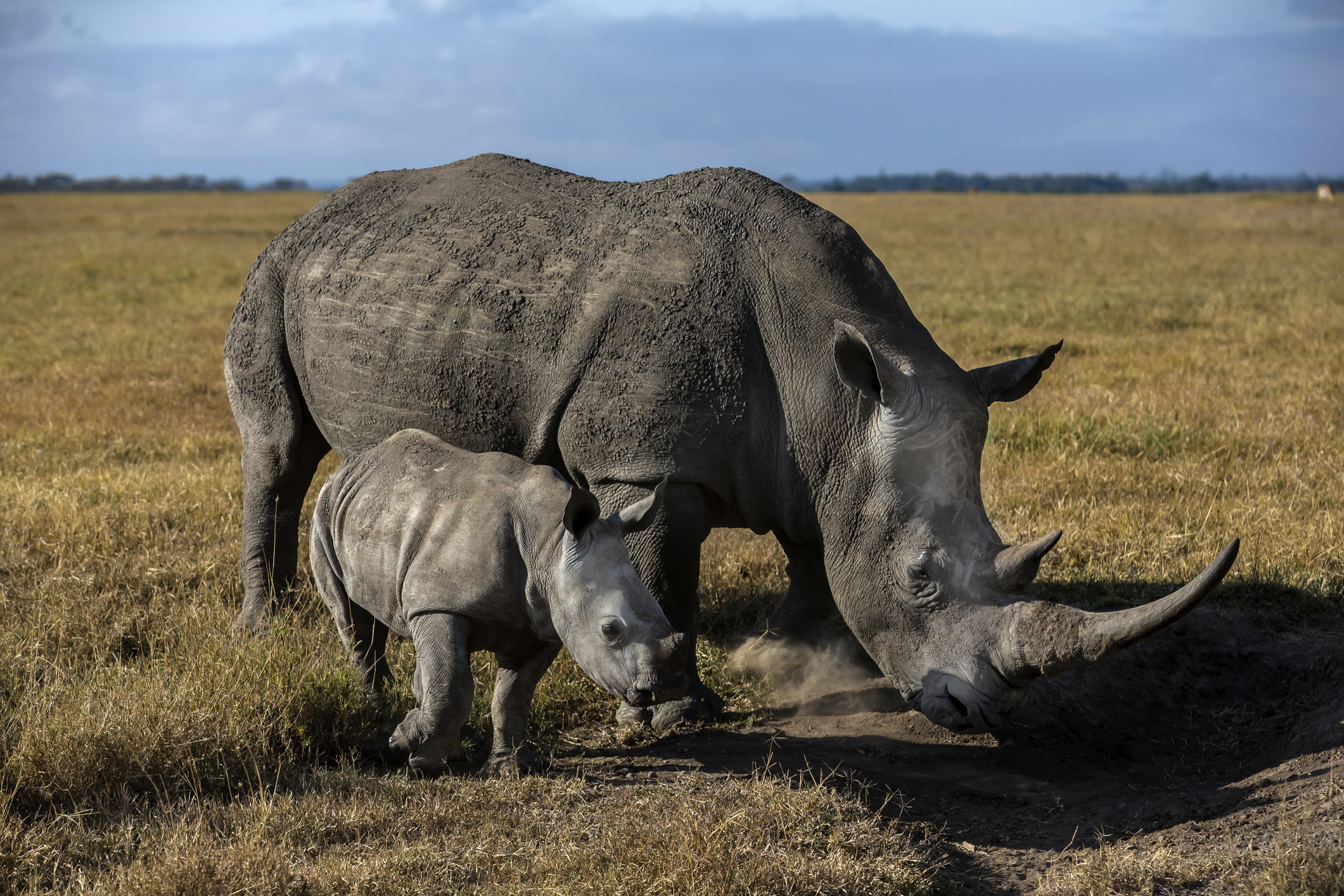
Bringing up baby: A white rhinoceros or square-lipped rhinoceros female stays close to her six-month-old baby in the Sabi Sands Game Reserve in South Africa. (Photo: Wolfgang Kaehler/LightRocket via Getty Images)
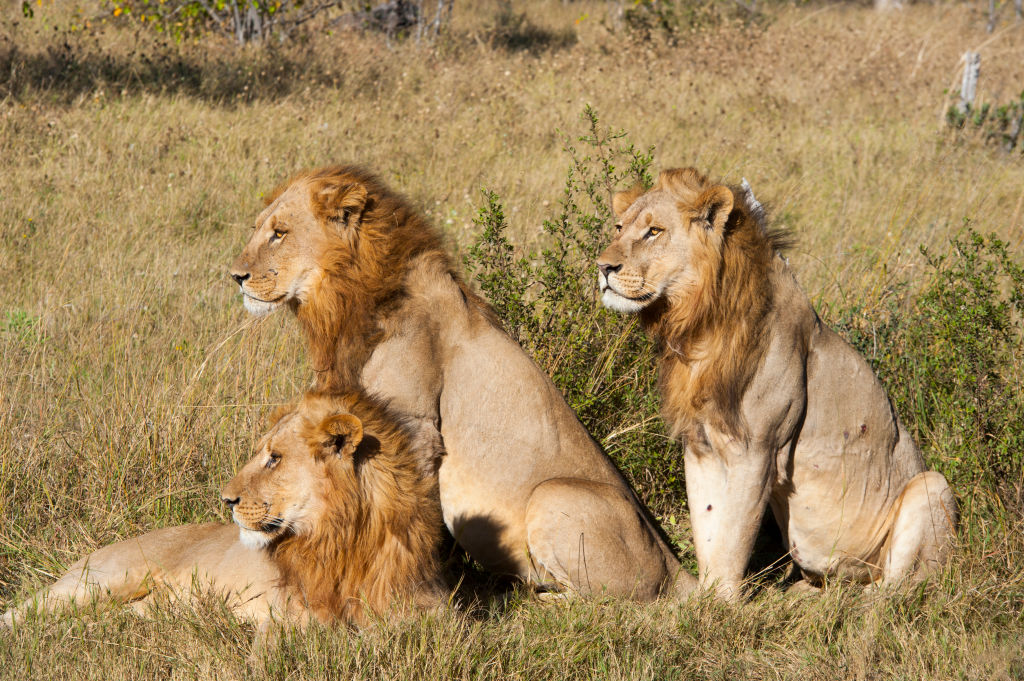
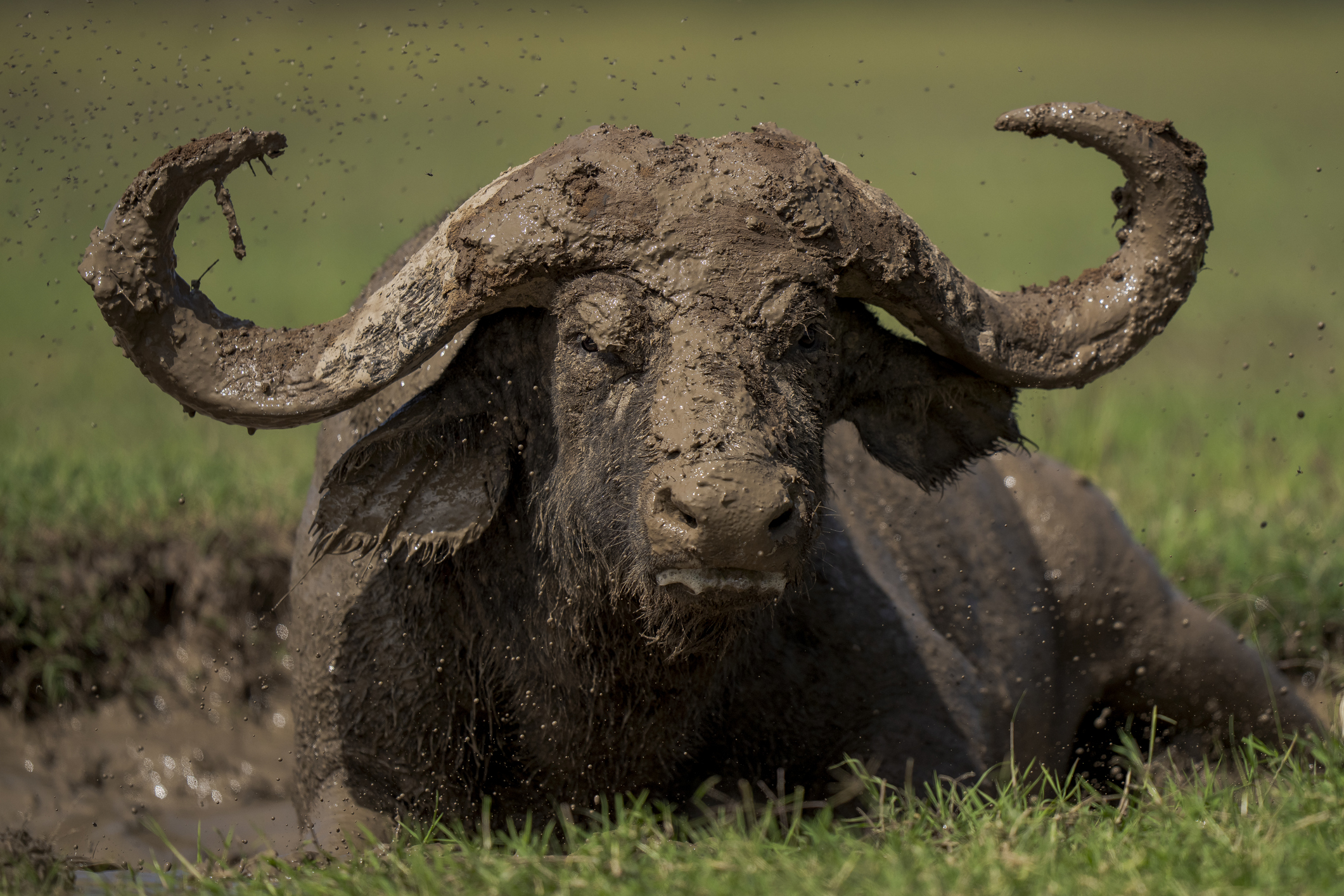
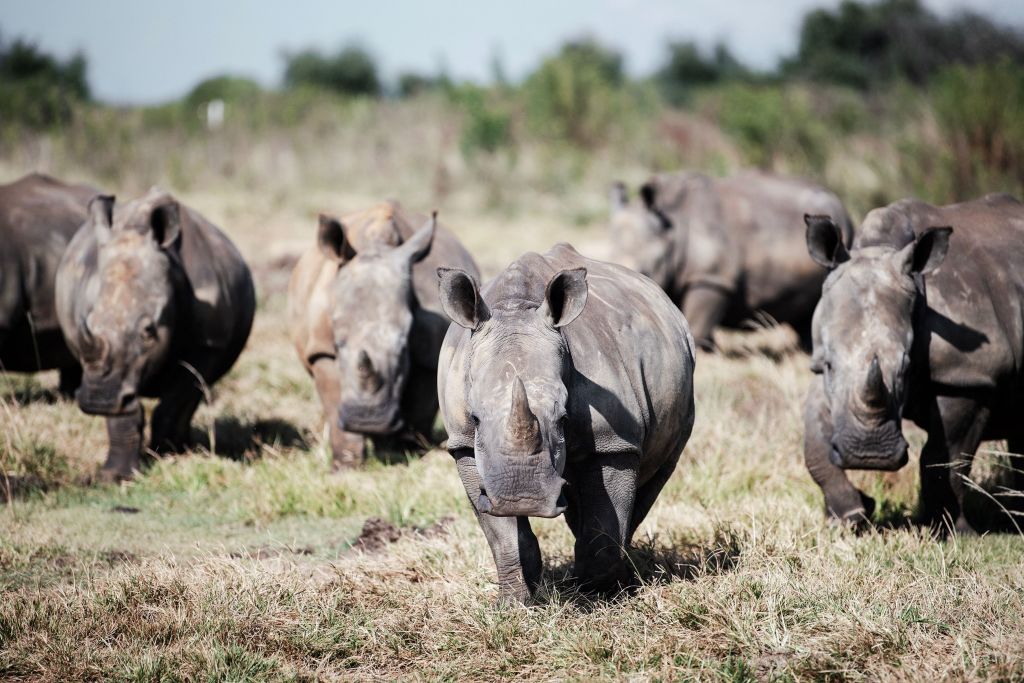
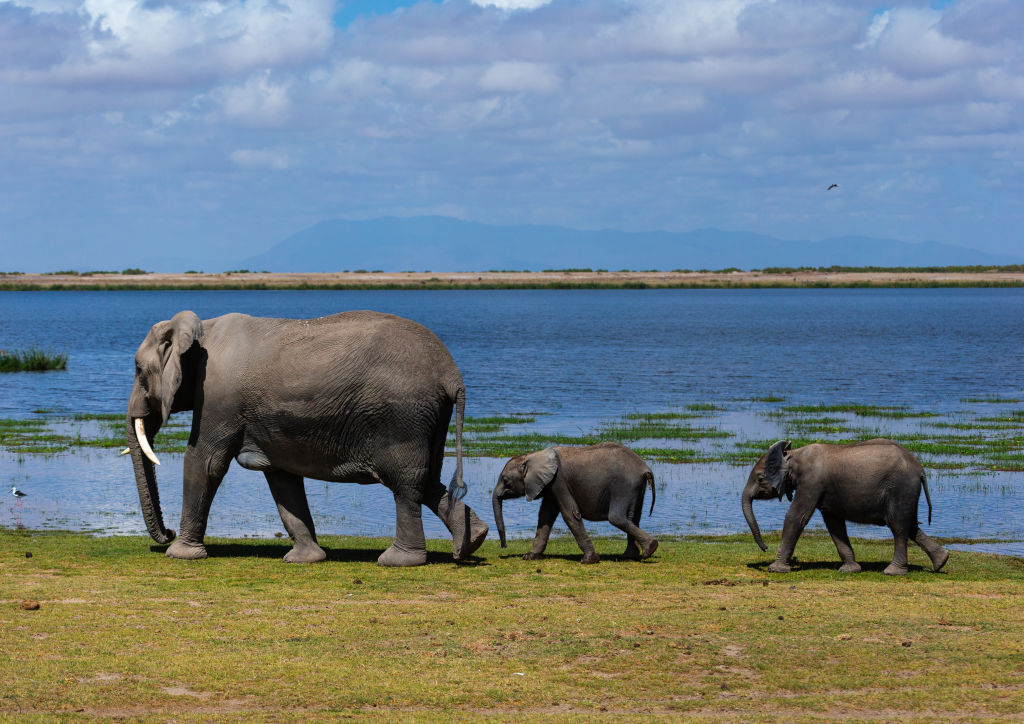
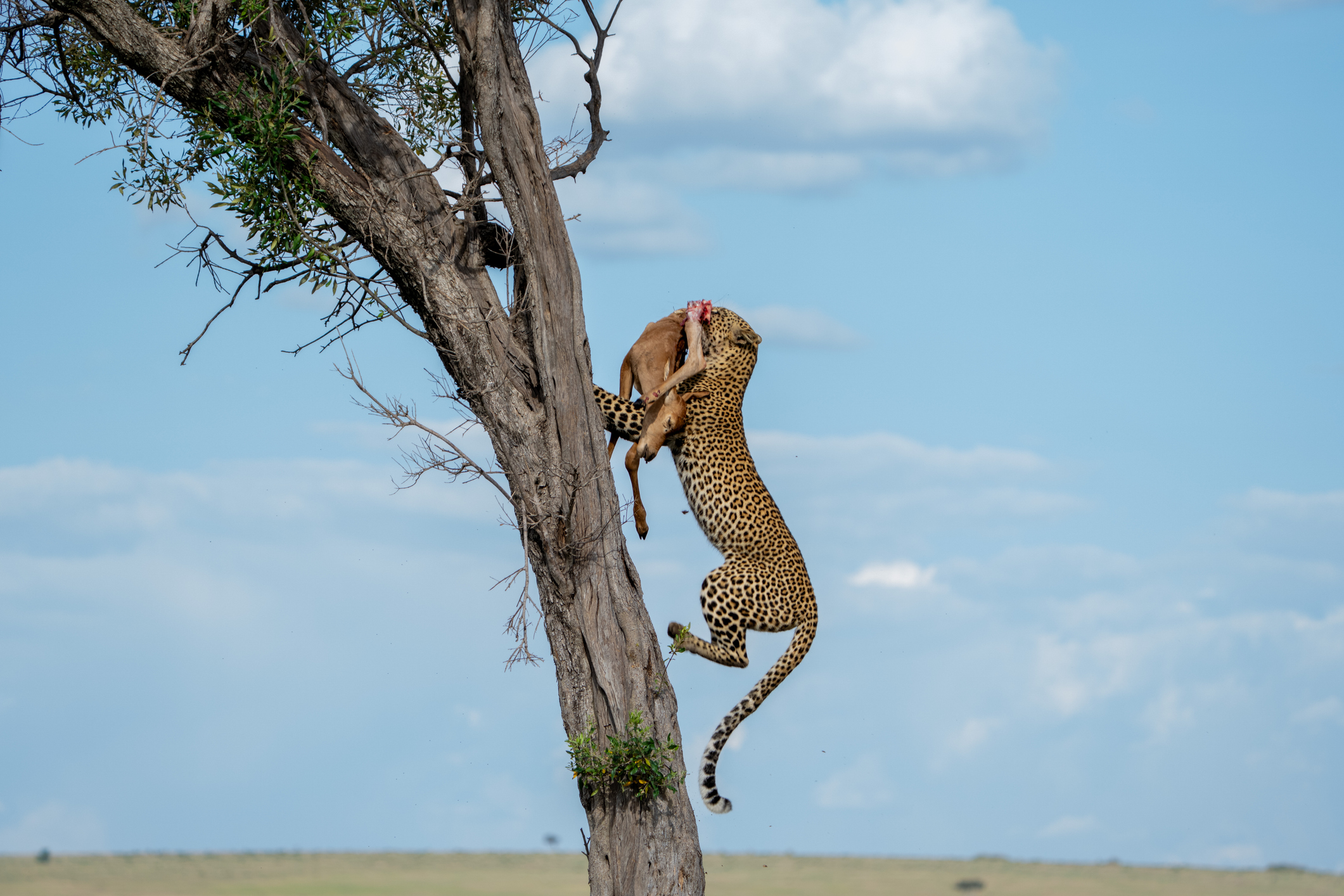
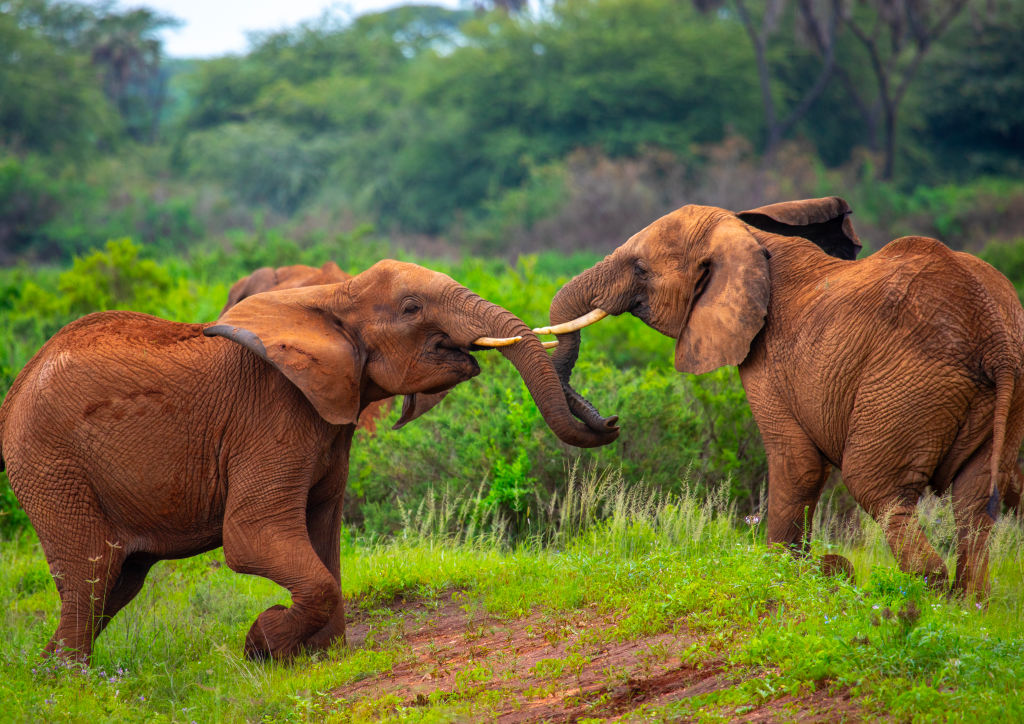
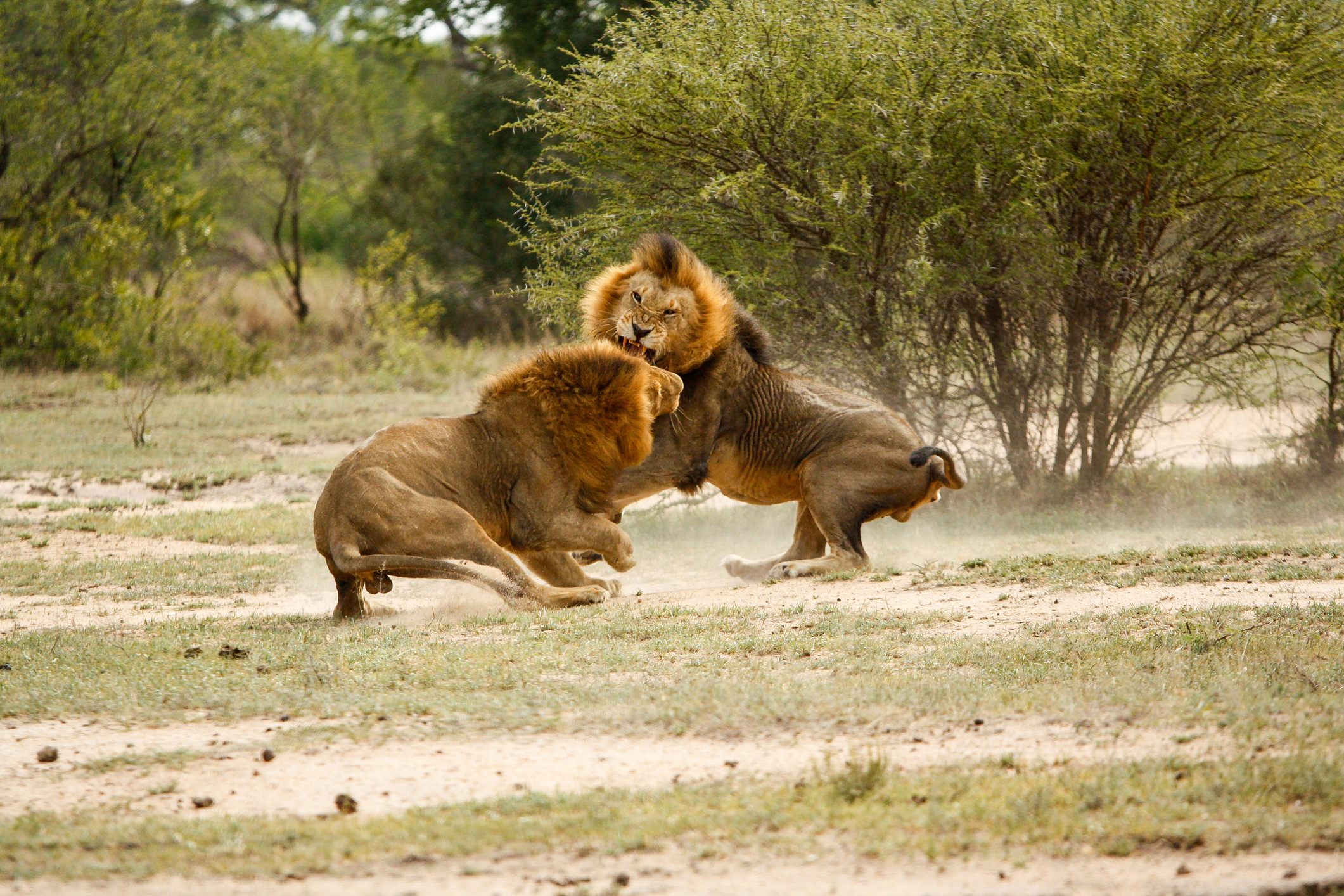
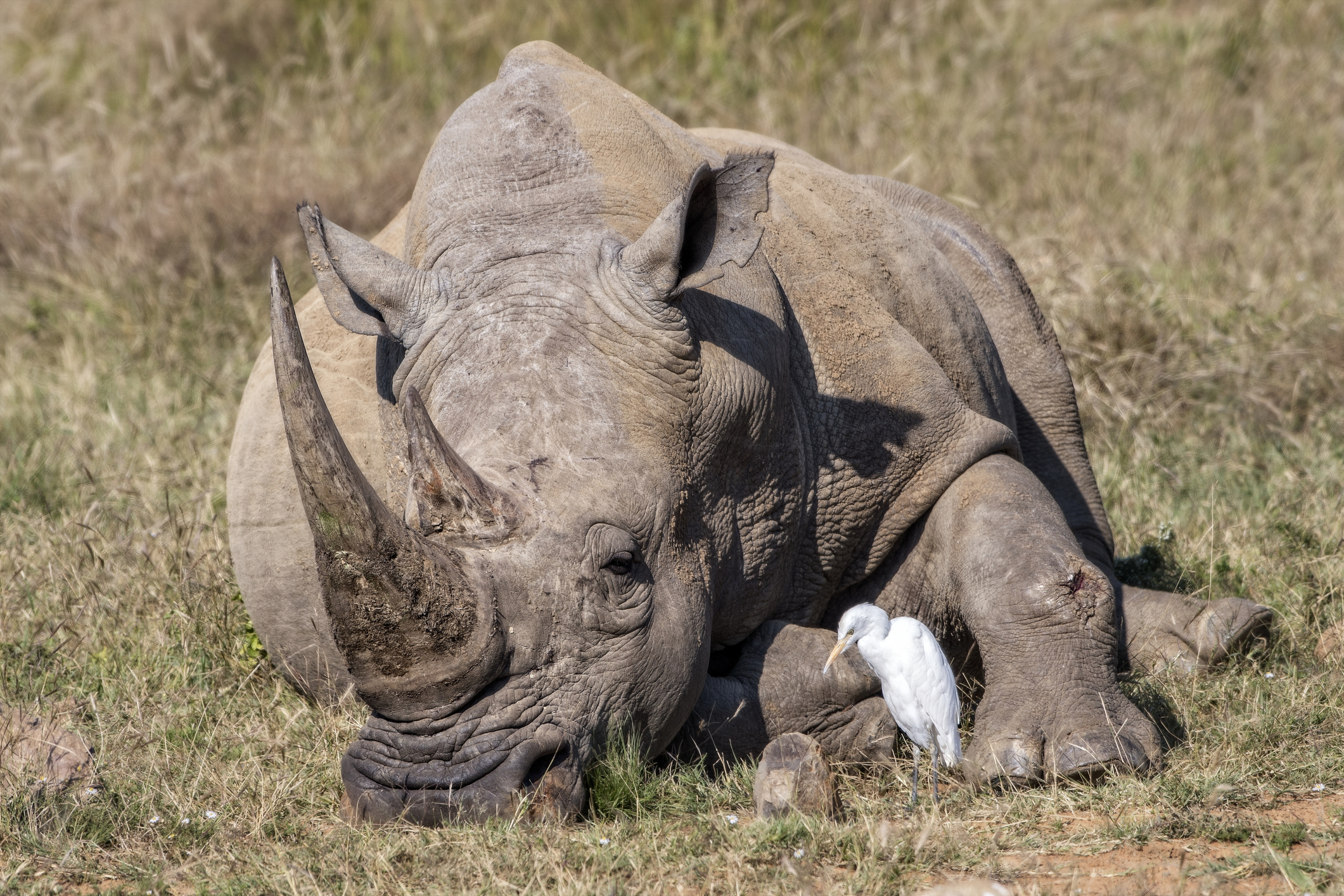
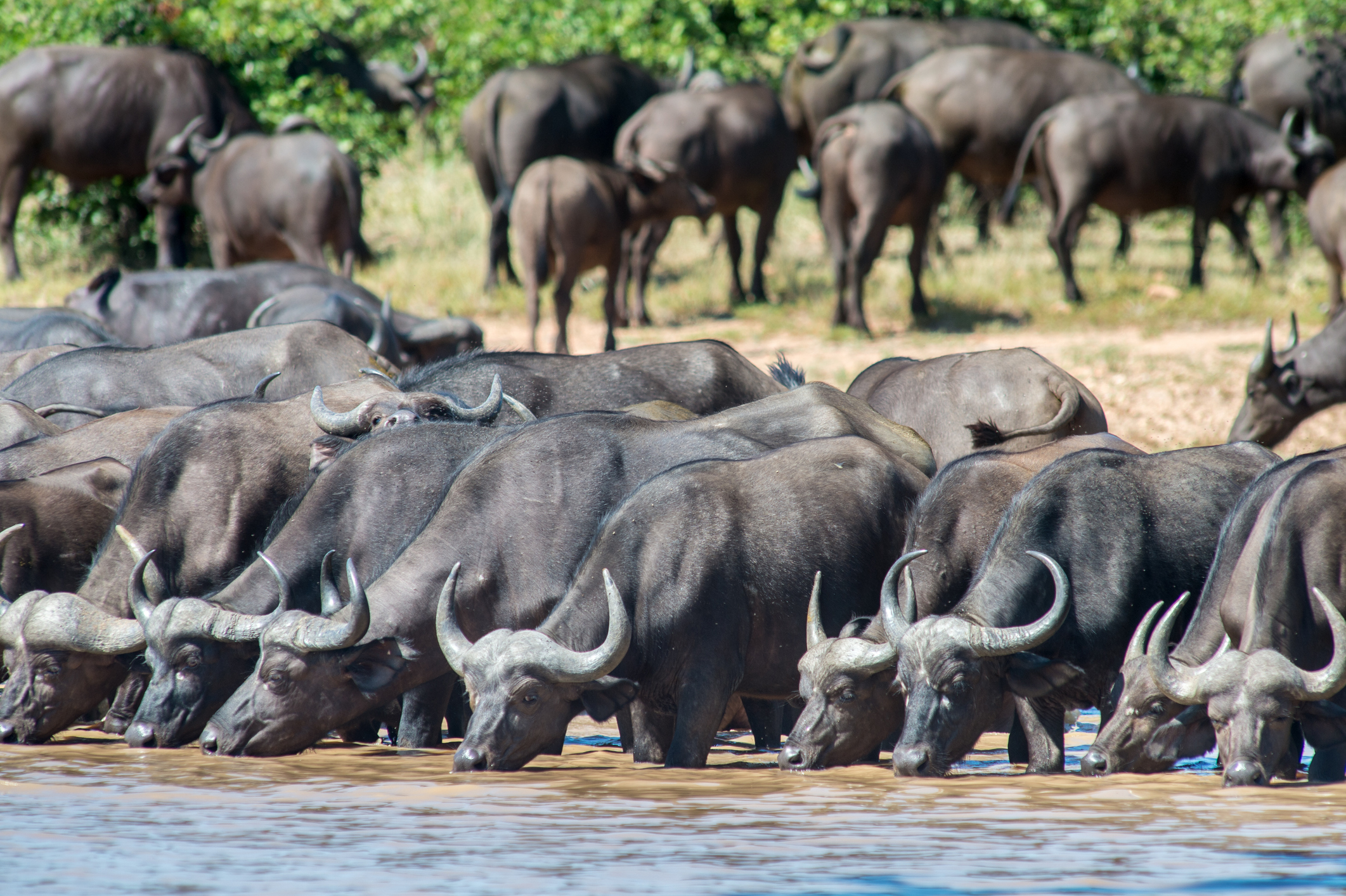
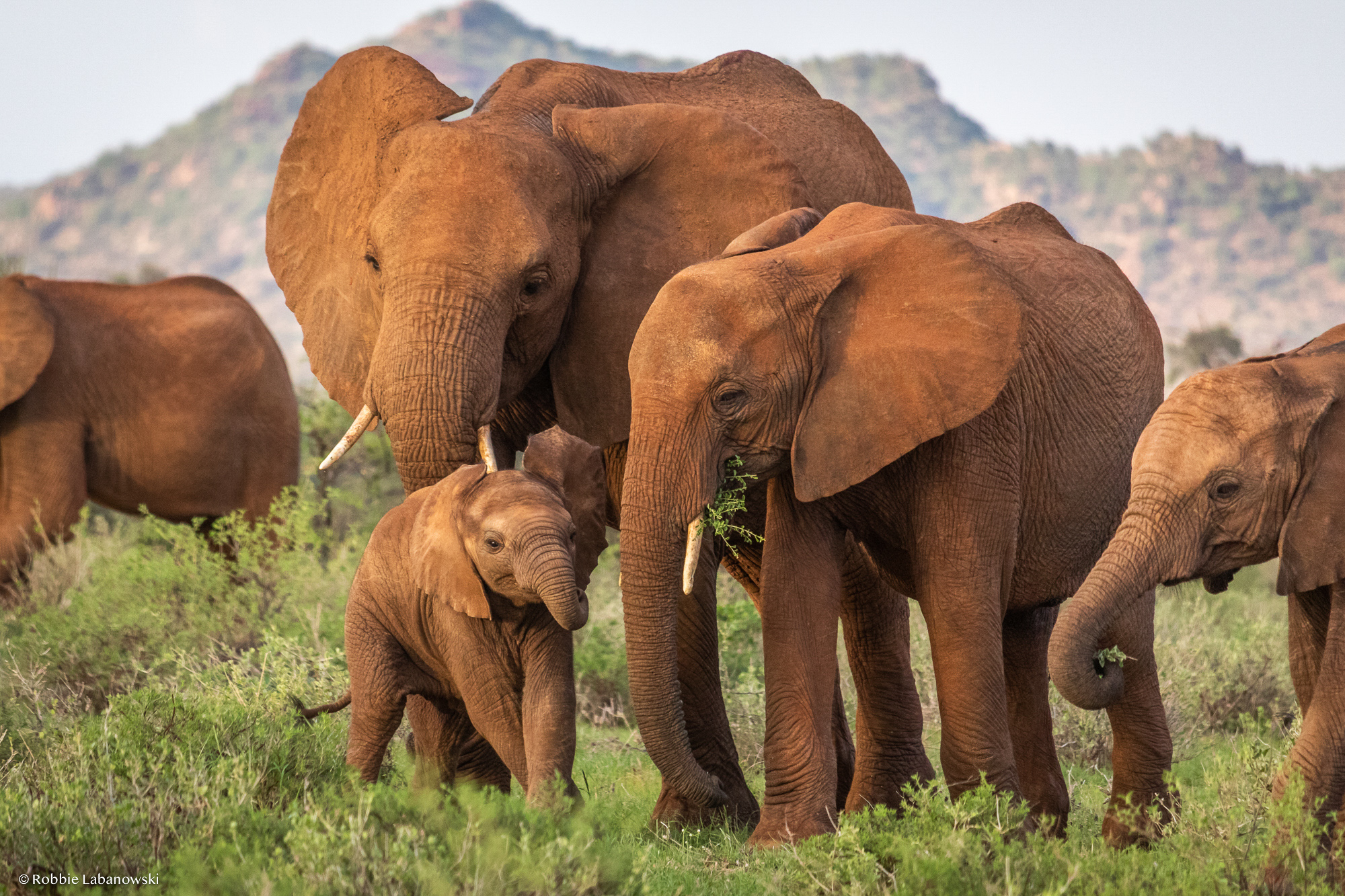
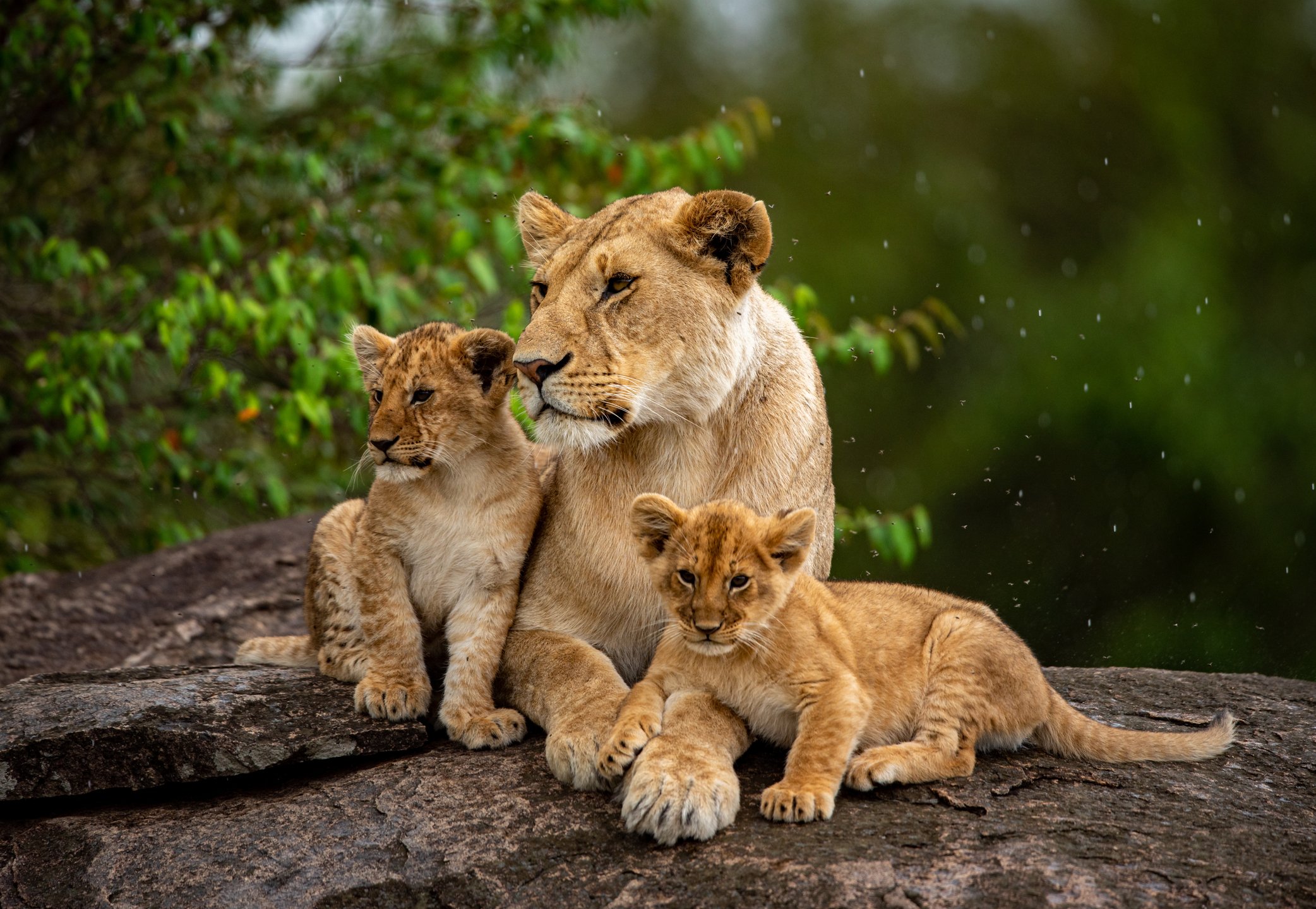
Fraternal focus: Three brother male lions look for prey at the Linyanti Reserve in northern Botswana. (Photo: Wolfgang Kaehler/LightRocket via Getty Images)Caked in mud: A Cape buffalo wallows in thick mud in Ol Pejeta Conservancy in Kenya. Buffalos coat themselves in mud to regulate their body temperature, protect against harsh sunburn and deter biting insects. The drying crust forms a protective armour that – once rubbed off against trees – helps strip away annoying parasites and ticks. (Photo: Matt Dirksen/Getty Images)Strength in numbers: Wild white rhinos in the North West province of South Africa. South Africa is home to nearly 80% of the world's rhinos, making it a hotspot for poaching. In 2025, a total of 352 rhinos were poached across South Africa, averaging one rhino lost every day. (Photo: Luca Sola / AFP via Getty Images)Promenade by the water: An elephant mother walks with two babies in Amboseli, Kenya. Elephants are regarded as some of the most devoted and nurturing mothers in the animal kingdom. They invest extraordinary amounts of time and energy into their young. (Photo: Eric Lafforgue/Art in All of Us/Corbis via Getty Images)Going up: A leopard carries her kill, a topi, up a tree after hunting at the Maasai Mara National Reserve in Kenya. Leopards can easily carry prey weighing up to three times their own body weight vertically up trees. This incredible strength is made possible by their powerful shoulder blades, strong jaws, and muscular legs, which they use to haul massive carcasses away from ground scavengers like lions and hyenas. (Photo: Suzanne Cordeiro via Getty)Tusk to tusk: Two elephants fight in Samburu National Reserve, Kenya. Elephants primarily fight to establish dominance, compete for mating rights and secure scarce resources like food and water. The most intense battles occur among mature males driven by musth, a natural state featuring a massive surge in testosterone (up to 60 times higher than normal), causing heightened aggression. (Photo: Eric Lafforgue/Art in All of Us/Corbis via Getty Images)Battle of the titans: Dust whirls as two male lions fight in a clearing in South Africa. Male lions fight to defend their territory, secure exclusive mating rights and establish dominance within their pride or coalition. Male lions control large territories to ensure there is enough food, water and safe shelter for their females and cubs. Rival males, often younger nomads, will challenge the resident males to take over this prime real estate. (Photo: Londolozi Images/Mint Images via Getty)
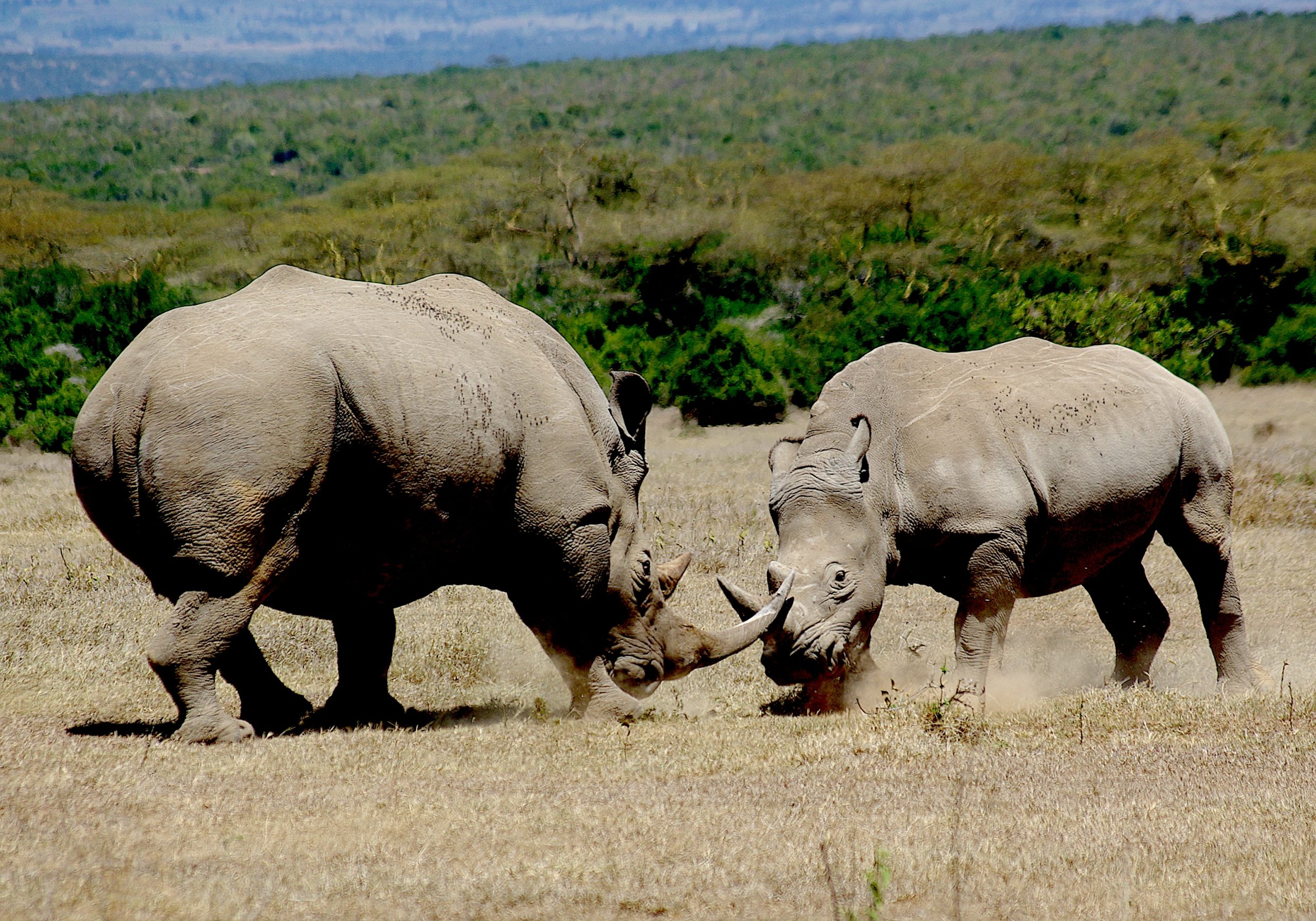
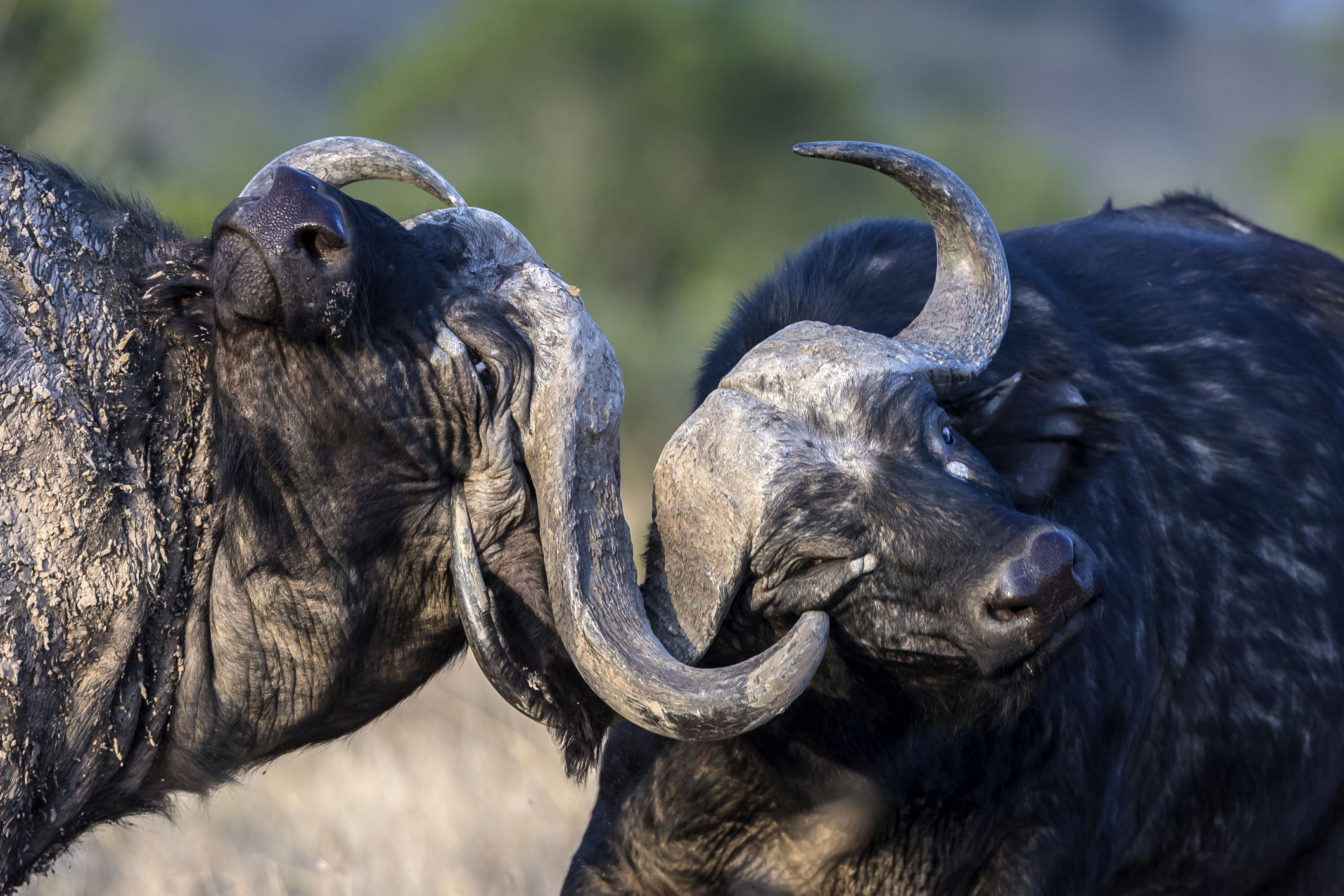
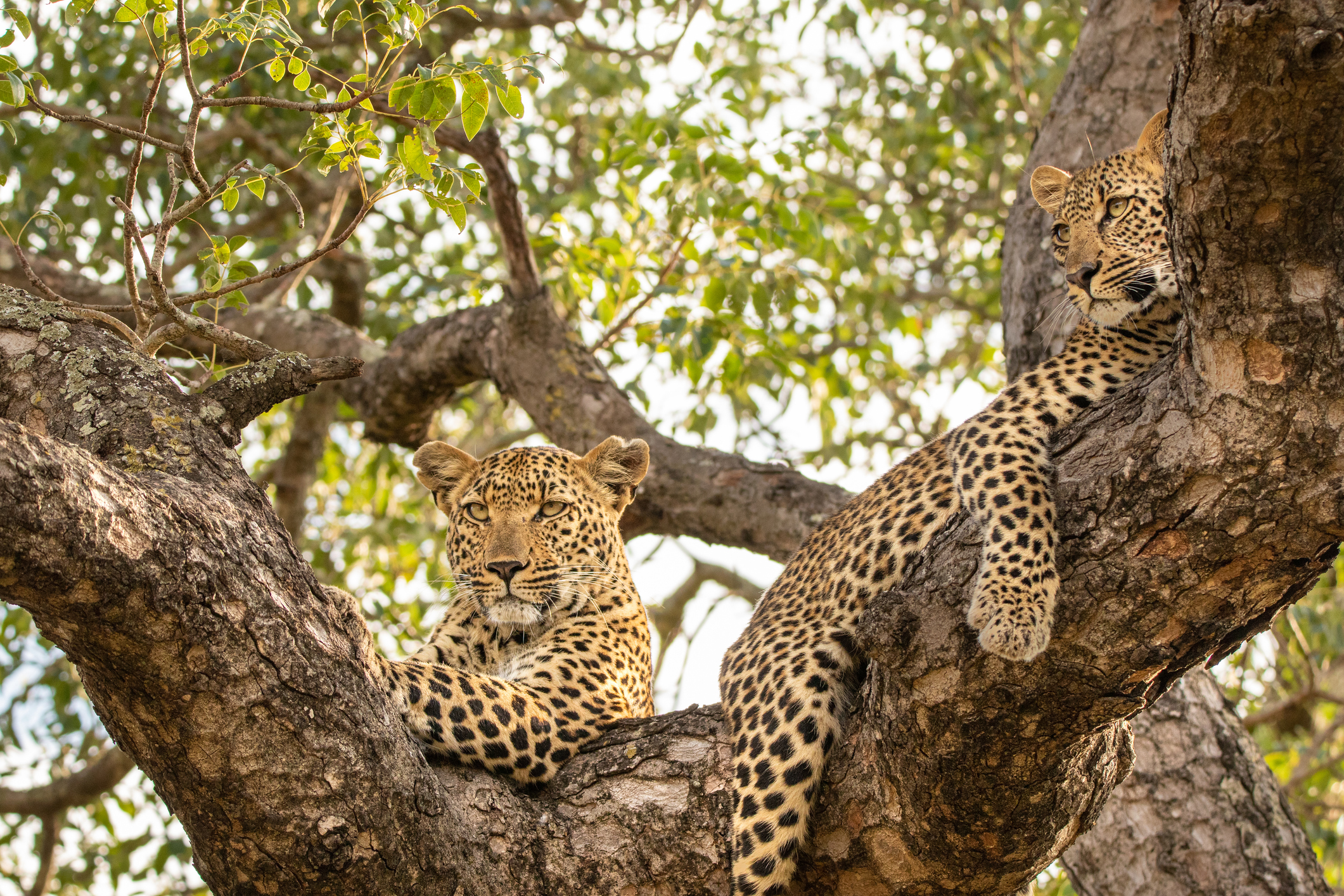
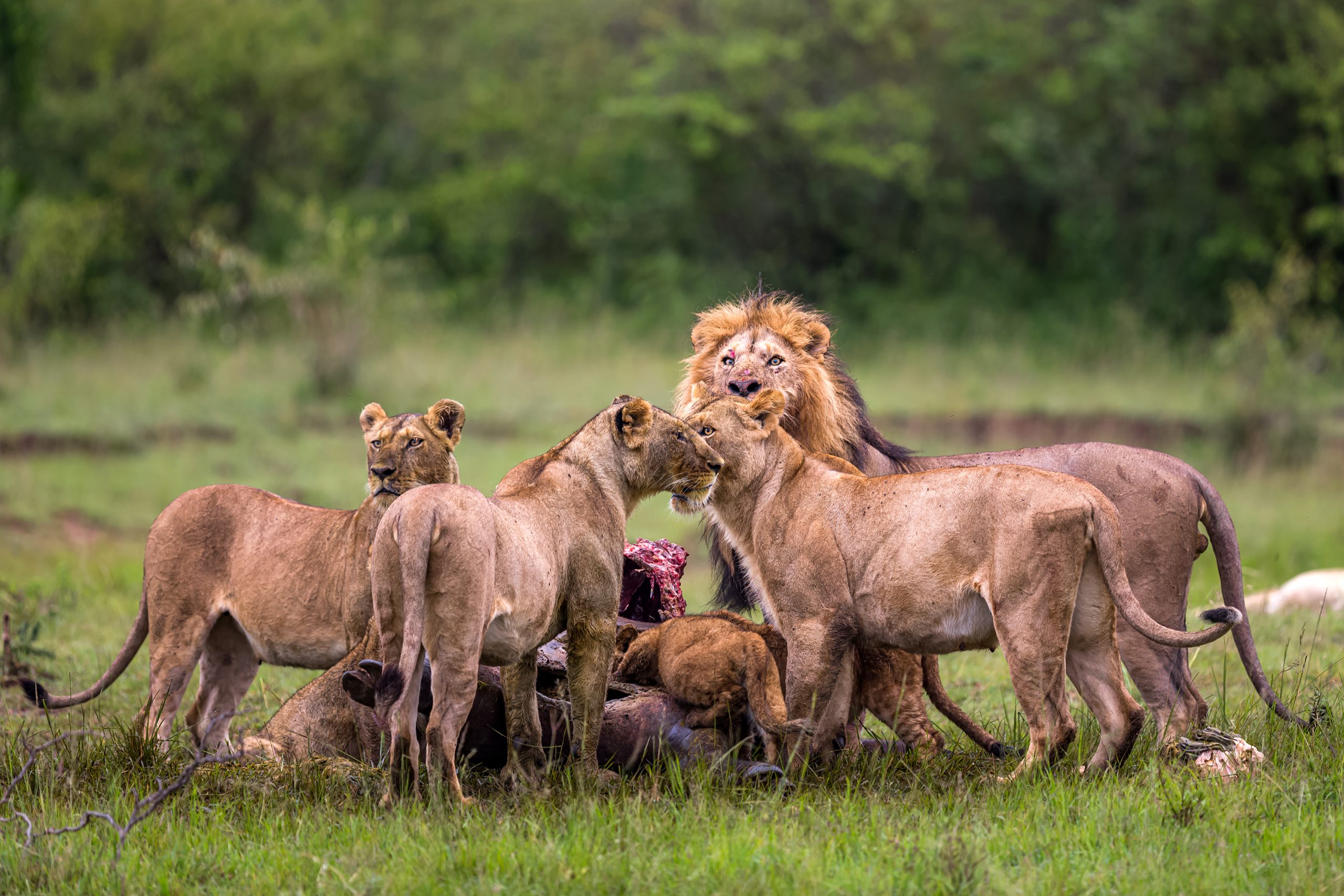
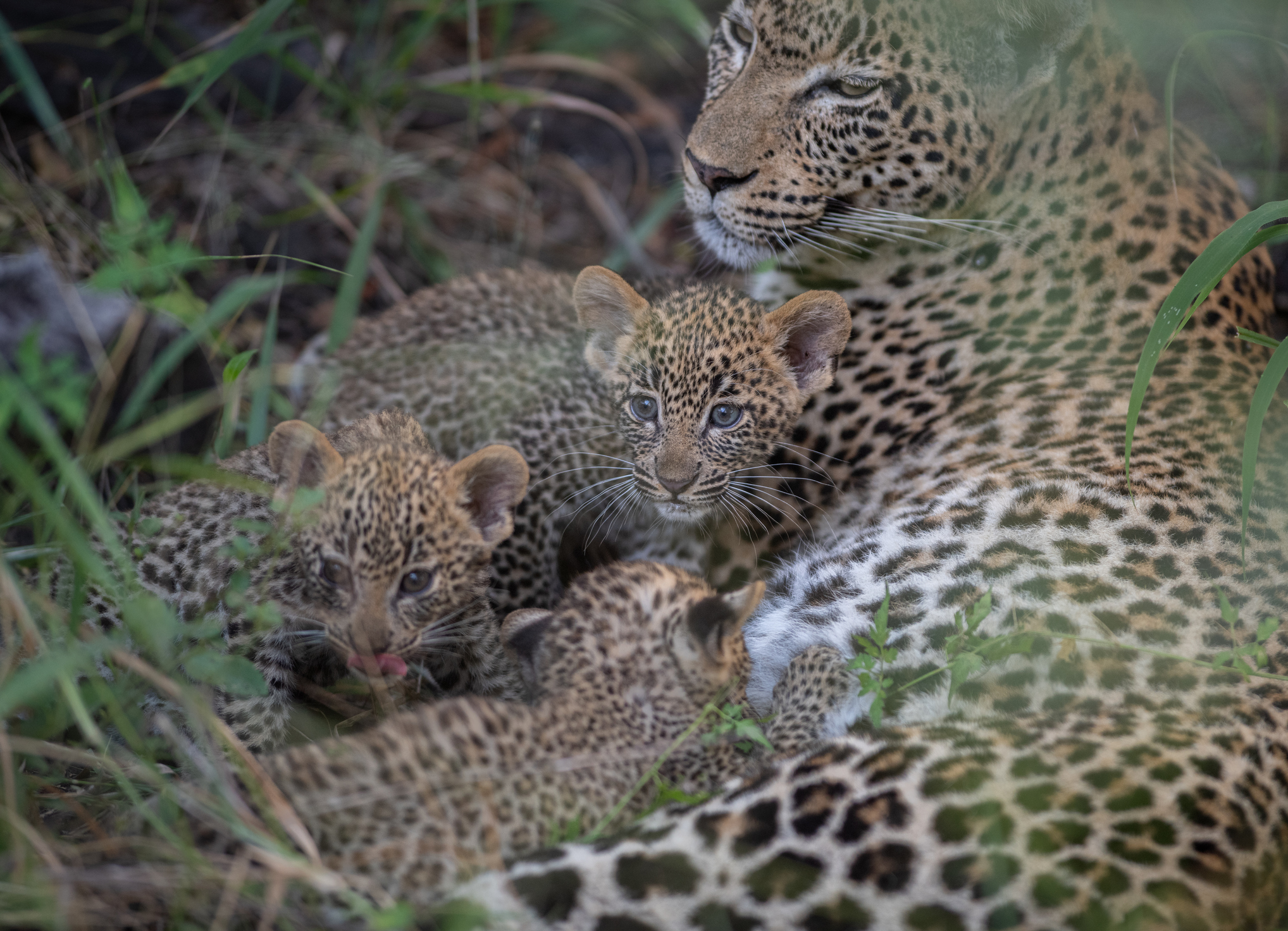
Locking horns: Two white rhinoceros clash. Male rhinos are fiercely territorial and highly protective of their home ranges, which contain vital food and water resources. Clashes erupt when intruders cross boundaries or when young males challenge older bulls for the right to breed. (Photo: Sallyrango via Getty)Test of strength: Two buffalo spar in the Laikipia Plateau, Kenya. Buffalo herds operate on a strict hierarchy determined by body size and age. Bulls between eight and ten years old are typically in their physical prime and command the herd. To prove who is the strongest, they frequently challenge one another. Not all buffalo clashes are fatal. Bulls will often spar, twisting and rubbing their horns against each other to test out rival strength without inflicting major harm. (Photo: Manoj Shah via Getty)Branching out: A young female leopard and cub stretch out in a tree. Leopards rest in trees to avoid ground predators and to stay cool during the heat of the day. The canopy offers them a perfect vantage point to survey their territory and a quiet space to recharge for their next hunt. (Photo: Mint Images via Getty)Family meal: A pride of lions eat freshly killed African buffalo. Because kills on the savannah are highly coveted and attract dangerous scavengers like hyenas and other predators, gathering and eating together allows the pride to defend their food, consume calories rapidly and share the spoils safely. (Photo: Ayzenstayn via Getty)Taking a break: A white rhinoceros has a nap while a companionable white egret waits patiently for it to get moving and flush out some insects for dinner. Egrets and rhinoceroses share a mutually beneficial partnership known as mutualism. The massive rhino acts as a moving buffet for the bird by flushing out hidden insects in the tall grass, while the egret cleans the rhino by eating bothersome parasites like ticks. (Photo: James Keith via Getty)Synchronised drinking: African buffalo or Cape buffalo hydrate in Kruger National Park, South Africa. Cape buffalo drink at the same time primarily for safety in numbers. Watering holes are prime ambush spots for apex predators like lions and crocodiles. Drinking together minimises the time the whole herd is vulnerable and ensures they can mount a collective defence if attacked. (Photo: Edwin Remsberg via Getty)In it together: African savanna elephants in Buffalo Springs National Reserve, Northern Kenya. Elephant herds typically consist of 6 to 20 related females – including mothers, daughters, sisters, and aunts – led by the oldest, known as the matriarch. The entire family herd helps raise and protect elephant calves through a behaviour called allomothering, where young, childless females (aunts and sisters) act as babysitters to give the biological mother time to eat and rest. This cooperative care is vital for the calf's survival. (Photo: Robbie Labanowski/Save the Elephants)Close bonds: A lioness rests with her cubs on a rock during rain in Talek, Kenya. Lionesses are exceptional and fiercely protective mothers. They not only provide dedicated care to their own cubs but also practice cooperative rearing with other females in the pride to nurse and protect each other’s young. As cubs grow, the mother assumes sole responsibility for teaching them crucial skills, such as how to stalk and hunt prey. Cubs remain dependent on their mothers for up to two years. (Photo: Mauritz Janeke via Getty)Nutritional supplements: A rare black rhino mother with her baby at a salt lick in Laikipia, Kenya. Salt licks (mineral licks) are vital hubs for rhino mothers and calves. The calcium, sodium and essential biometals replenish nutrients, support the calf’s rapid bone growth and ensure proper digestion for both. (Photo: Manoj Shah via Getty)Cubbing together: A mother leopard with her three suckling cubs. For the first six to eight weeks, the mother keeps her highly vulnerable cubs hidden in secluded dens (such as rocky crevices or thick brush) to keep them safe from apex predators like lions and hyenas. Cubs are slowly introduced to meat at around eight weeks, but they nurse for about three months but may continue for up to four months, gaining the strength required to eventually participate in hunts alongside their mother. (Photo: Mint Images via Getty)