
The International Rhino Foundation (IRF) has published its 2026 State of the Rhino Report, which presents a very mixed picture for the world’s five remaining rhino species.
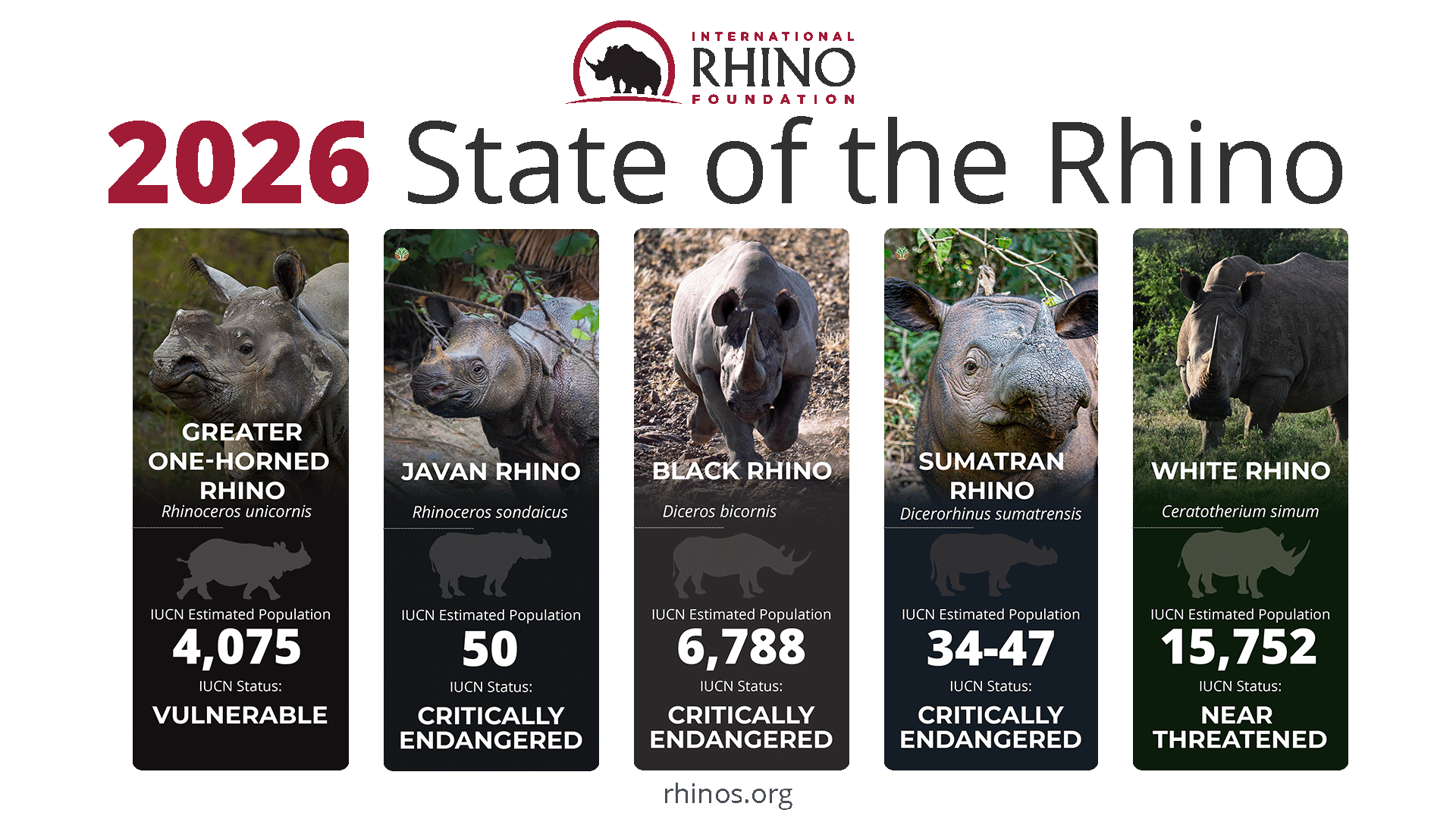
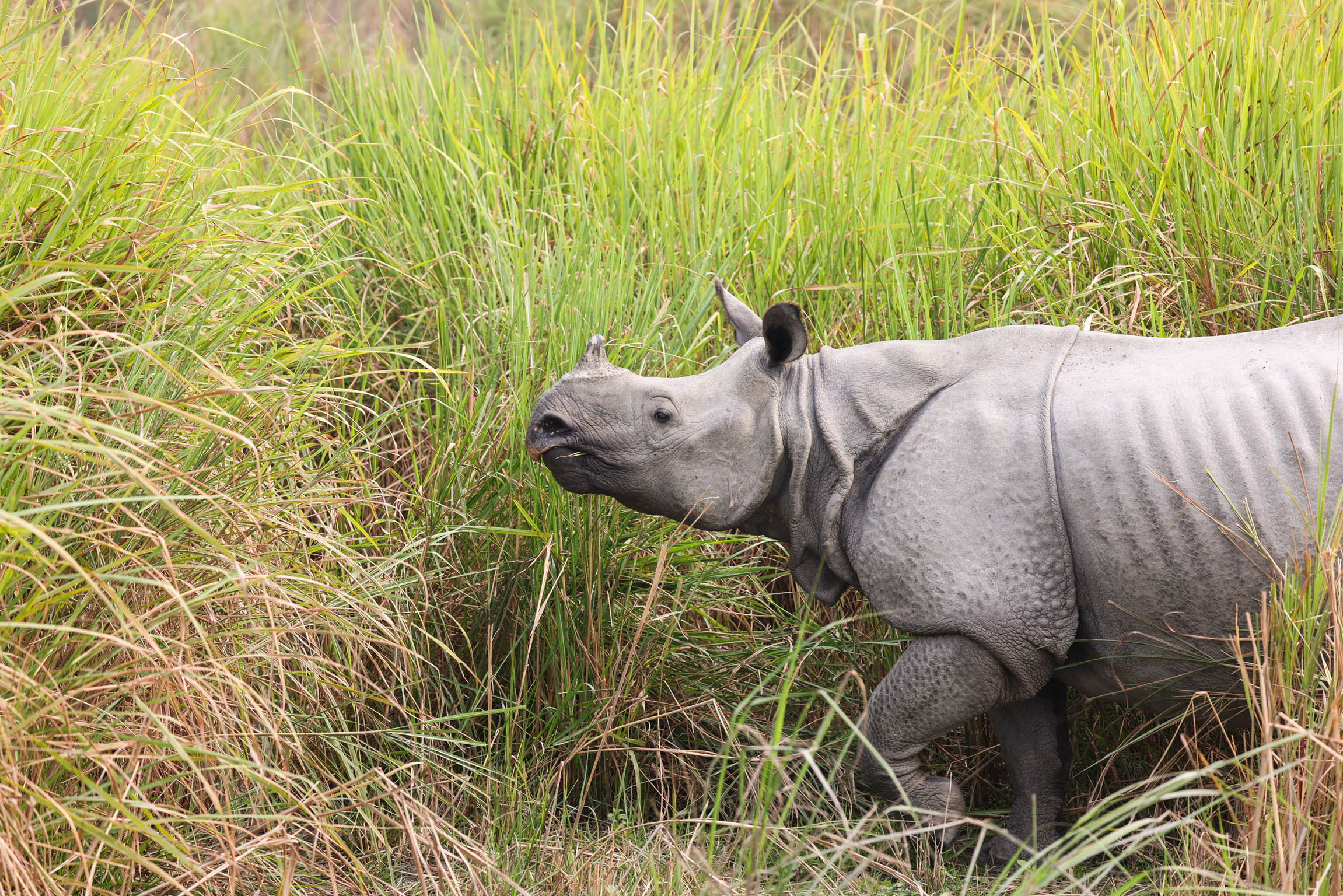
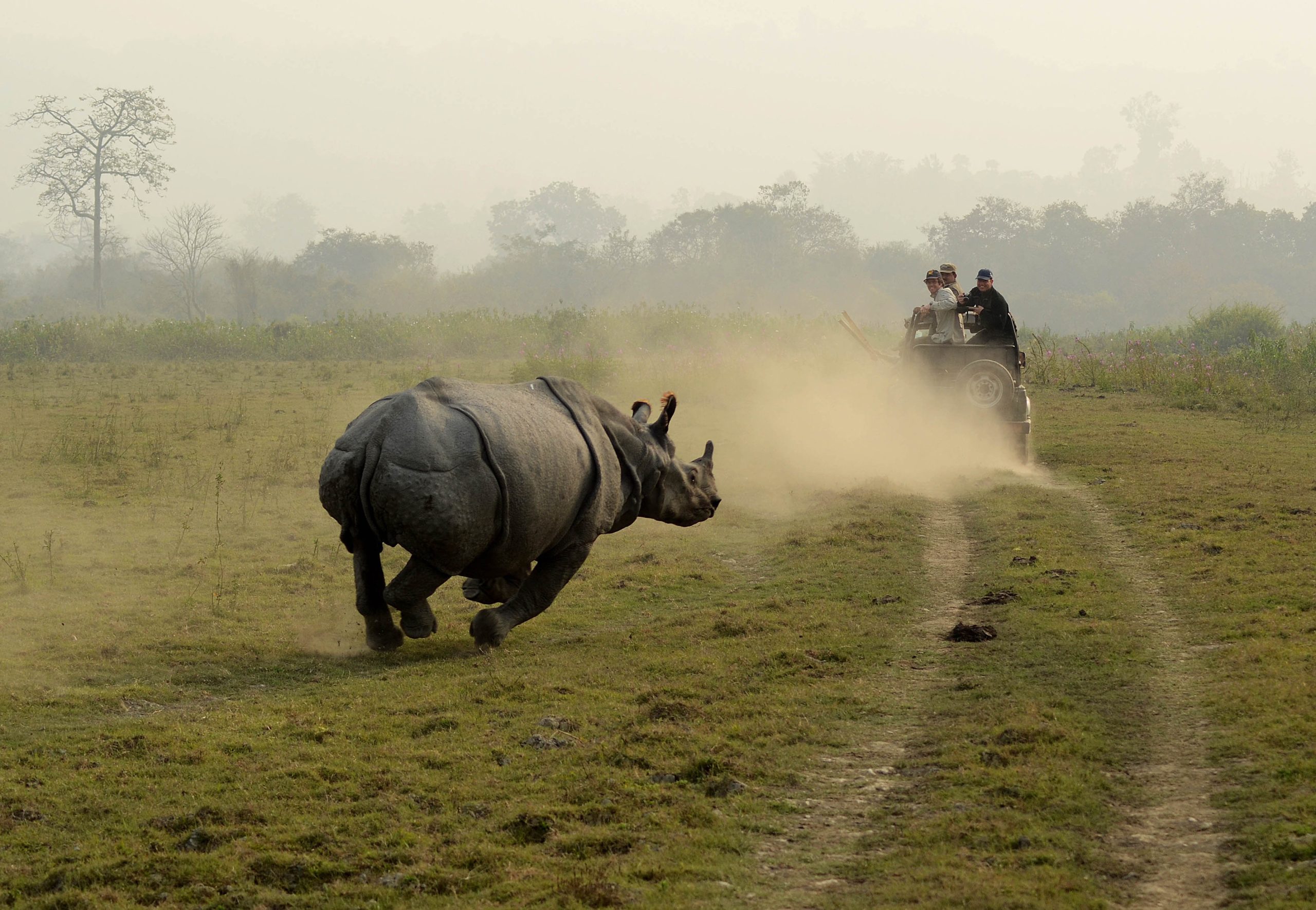
Three species are making slow but steady gains. Between 2001 and 2025, greater one-horned rhino populations, found almost exclusively in India and Nepal, increased significantly, while black rhinos (found in eastern and southern Africa) more than doubled. White rhinos (found mainly in southern Africa) also increased overall, although heavy poaching has led to decreases in recent years.
But there is serious concern for the fate of the two rhino species found exclusively in Indonesia. Javan rhino numbers fluctuated, remaining in a precarious position with fewer than 100 individuals. The species experienced a devastating decrease between 2019 and 2023 when 18 to 26 rhinos were poached, potentially representing a 33% reduction in the total population.
Sumatran rhinos have also experienced a severe decline. Their population was estimated at nearly 300 animals at the turn of the millennium but is now hovering between 34 and 47, according to the IUCN.
- Rare photos and footage of Javan rhino, one of the world’s rarest animals.
- Remembering Rhinos: stunning photographs of the iconic rhino
The findings produce “mixed emotions” says Nina Fascione, executive director of IRF. “On the one hand, the return of greater one-horned rhinos is one of the great conservation success stories of our time, demonstrating what can be accomplished with political will and a lot of collaboration.
"This is a story that gives me hope. On the other hand, Sumatran and Javan rhinos are in such a perilous situation. We could conceivably lose these magnificent animals in our lifetimes - it’s very troubling. The world needs to care about these little-known species and support Indonesia’s efforts to save them.”
According to the most recent International Union for Conservation of Nature (IUCN) estimates, fewer than 27,000 rhinos remain in the wild. Three of the five species are Critically Endangered.
This year’s report, released ahead of World Rhino Day (22 September), indicates that rhino conservation has made real progress over the past 25 years, but that progress is far from secure, with global rhino conservation now standing at a crossroads.
- "The dreaded call came: a rhino cow was killed for her horns, and her calf was missing..."
- Can a human outrun a rhino? Just how fast are these giants when they charge?
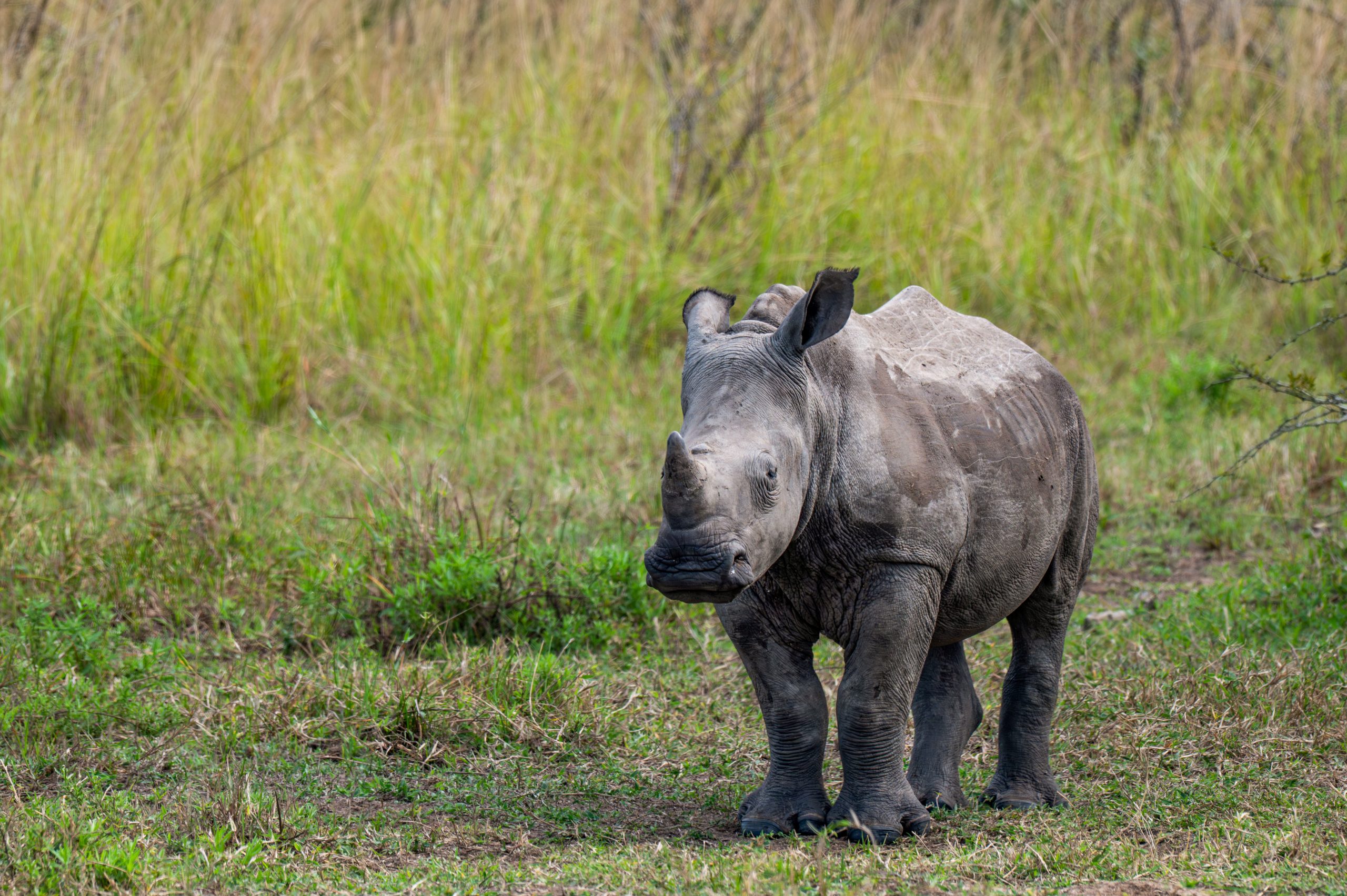
Javan rhinos and Sumatran rhinos both require urgent help. “The good news is that there’s a lot of focus on these species right now,” says Fascione. “The government of Indonesia is working hard on strategies to save them, and they’re backed by scientists, global funders and other conservationists. Both species need to be protected from poaching, first and foremost.
"Sumatran rhinos also need the assistance of captive-breeding, as they suffer from reproductive challenges. The Sumatran Rhino Sanctuary in Way Kambas National Park has done such an excellent job breeding Sumatran rhinos that we’re racing to expand enclosure space for future calves or wild caught animals in this semi-wild facility. This goes in the category of ‘a good problem to have’.”
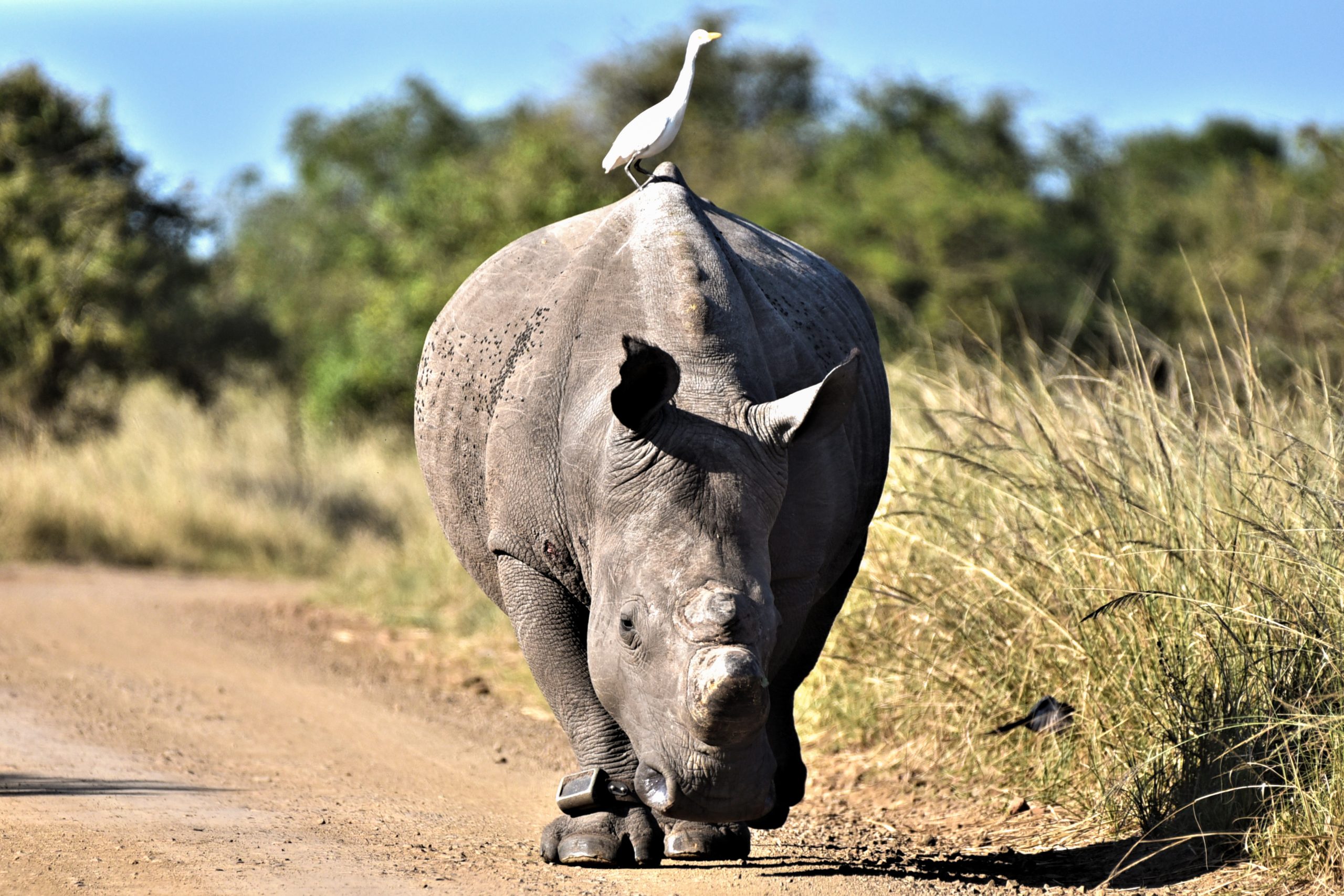
White rhinos decreased from the last count in 2023 of 17,464 to 15,752 in 2024, mostly due to losses in South Africa from poaching. “Poaching is a serious crime run by global criminal syndicates that results not only in rhino deaths but human fatalities as well,” says Fascione.
“It needs to be treated as a police and legal matter, not just a conservation challenge, including collaboration between nations where rhino horn is trafficked and sold. The most successful rhino recovery happens in countries that just don’t tolerate poaching, which often stems from government leaders. Kenya, India and Nepal are examples of this.
"Fortunately, there have been some stronger conviction rates and more severe sentences in the past year in several countries, which is an important first step. Criminal convictions alone aren’t a panacea for poaching problems, but demonstrating that wildlife crime isn’t tolerated is a vital deterrent. At the same
time, technology, security and protection measures need to keep evolving to outpace the other side.”
- 7 animals that can kill a rhino: They may be fearsome, heavily armoured, and weigh more than 2 tonnes but they aren’t invincible
- “We’re not trying to recreate a species from ancient DNA scraps”: One of Earth’s rarest animals could be brought back from the edge of extinction
The long-standing sale of rhino horn in China and other parts of Asia, where it’s used for ‘traditional medicine’, despite having no proven medicinal benefits remains a major driver of rhino poaching. But, says Fascione, “currently the main use of rhino horn is the global trade for carvings: bangles and bracelets, dagger handles and other symbols of wealth. Being made out of keratin - the same substance as our hair and nails - rhino horn has no inherent value except to a rhino, and looks better on a rhino, too.”
Top image: A mother white rhino with her calf. Credit: Brian Hudson
More wildlife stories from around the world
- 3 wild dog brothers just travelled 4,126km across Africa – the longest single journey of any African mammal ever recorded
- "They're more closely related to woolly mammoths than they are to African elephants…" Just how different are African, forest and Asian elephants?
- It has the legs of a supermodel, can run at 40mph and leap 3m high – yet is just 50cm tall. Meet one of the world's weirdest, yet most beautiful, cats


