
From gravity-defying leaps to high-speed underwater spins, the ocean is filled with extraordinary athletes that have evolved incredible abilities to help them hunt, evade predators, and communicate across vast distances.
1. Dolphins
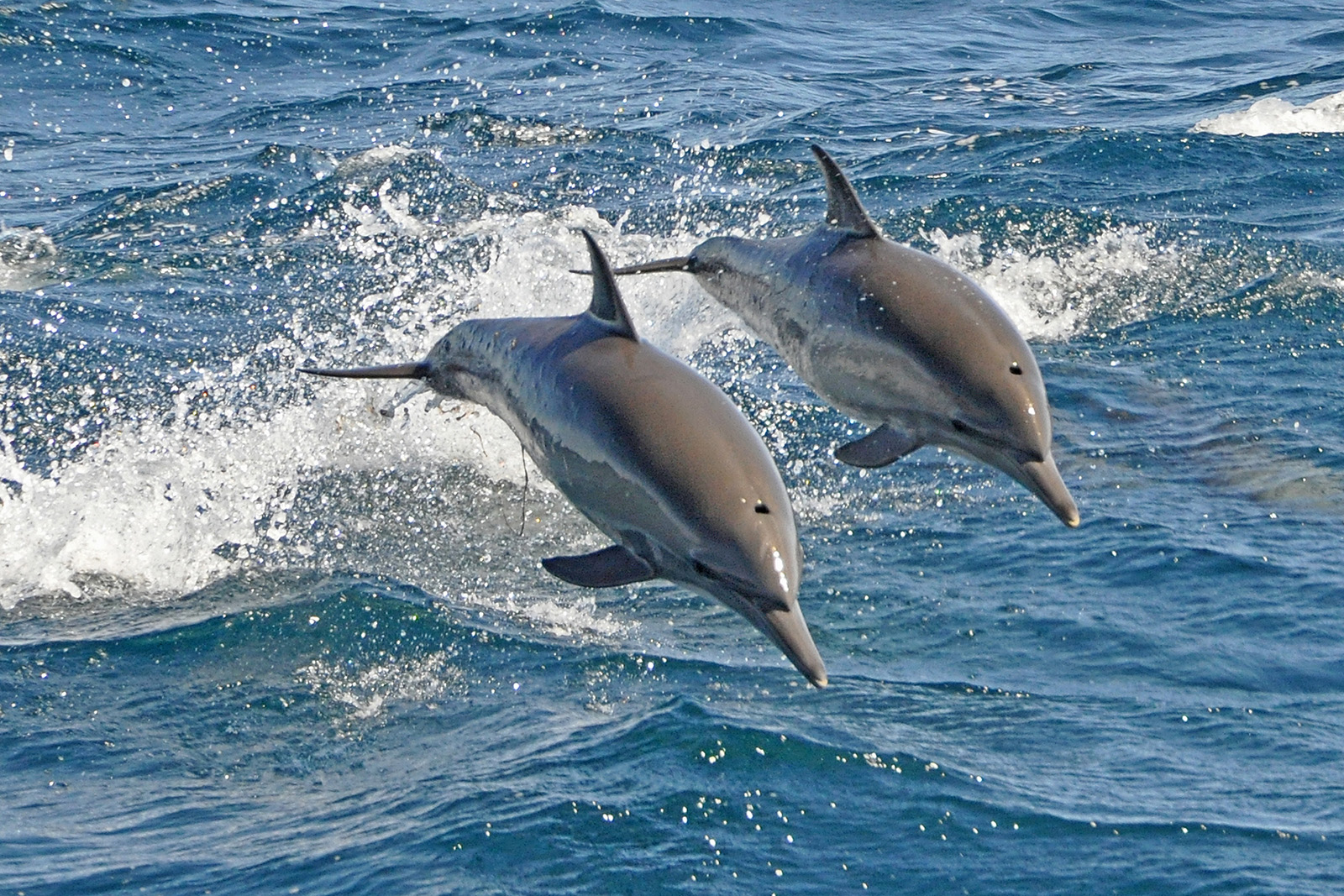
When it comes to ocean acrobatics, dolphins are the undisputed stars thanks to their streamlined bodies and powerful tails, which make them natural aerial performers. Dolphins possess an impressive ability to leap high (known as breaching) above the water's surface, perform intricate twists and execute synchronised jumps as a pod.
- Why whales and dolphins don't suffer from the bends
- How to help a beached whale or dolphin
- Why do spinner dolphins spin?
- What do dolphins do during storms?
A highly intelligent species, studies have found that these spectacular displays help dolphins communicate, as the slap sound when they hit the water can be heard some distance away, remove parasites, spot food and travel more efficiently, as they can travel faster through the air than water. Studies have also found that dolphins enjoy leaping as a form of play and social learning.
2. Humpback whales
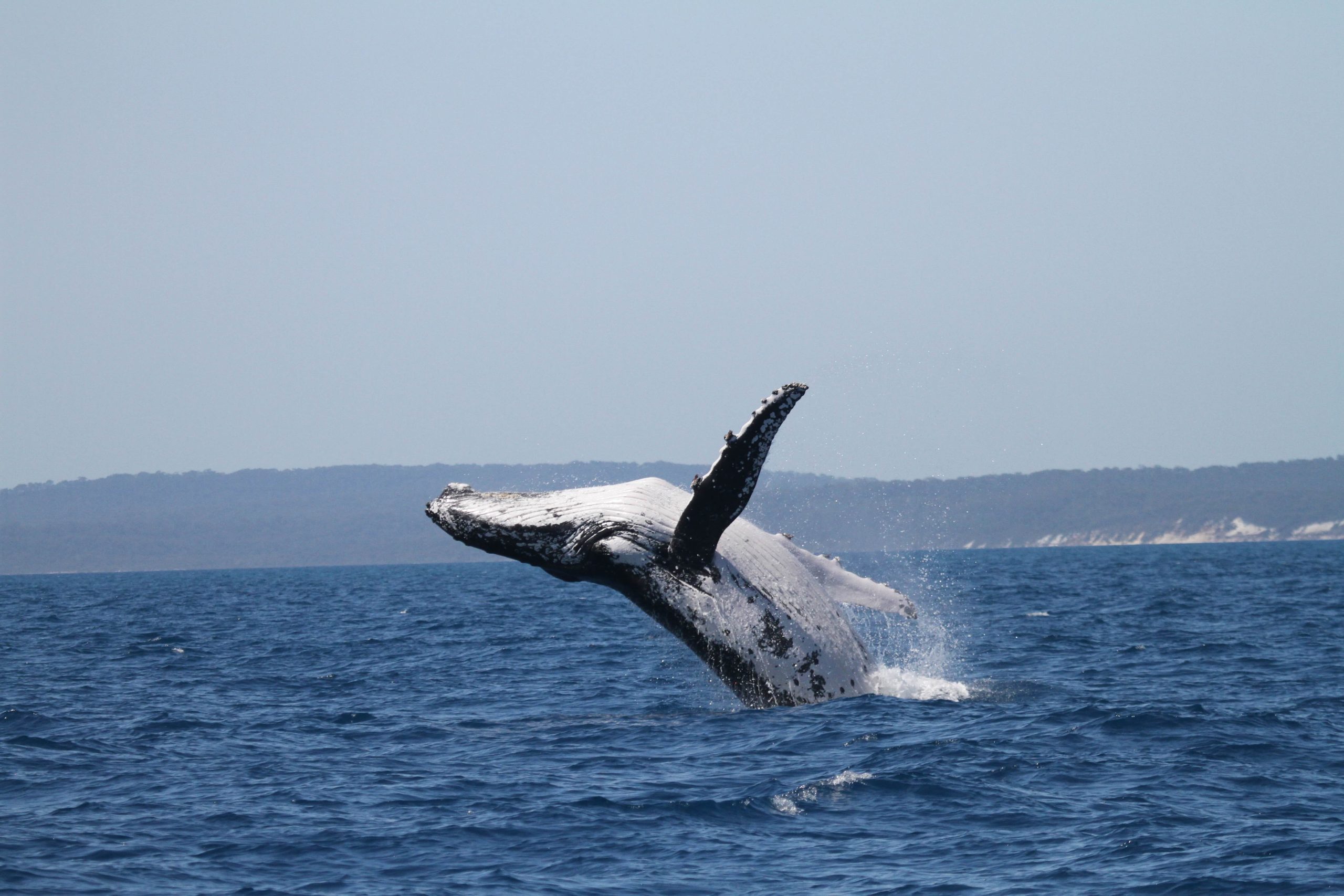
Despite weighing up to 40 tonnes, humpback whales are surprisingly graceful. These lumbering giants are famous for breaching – launching their massive bodies out of the water before crashing back down in a tremendous splash. Each breach uses a huge amount of energy, so why do they do it?
Scientists believe breaching may serve several purposes, including communication and social interaction over long distances, with each loud crash into the water providing a powerful acoustic signal. Breaching is also an effective way to remove skin parasites, such as barnacles and algae, which can cling to the skin of the slow-moving giants.
Male humpbacks also use breaching to assert dominance in a show of strength during mating season. Like other highly intelligent marine mammals, humpback whales are known for their natural curiosity and playfulness, with younger whales thought to breach for fun.
3. Manta rays
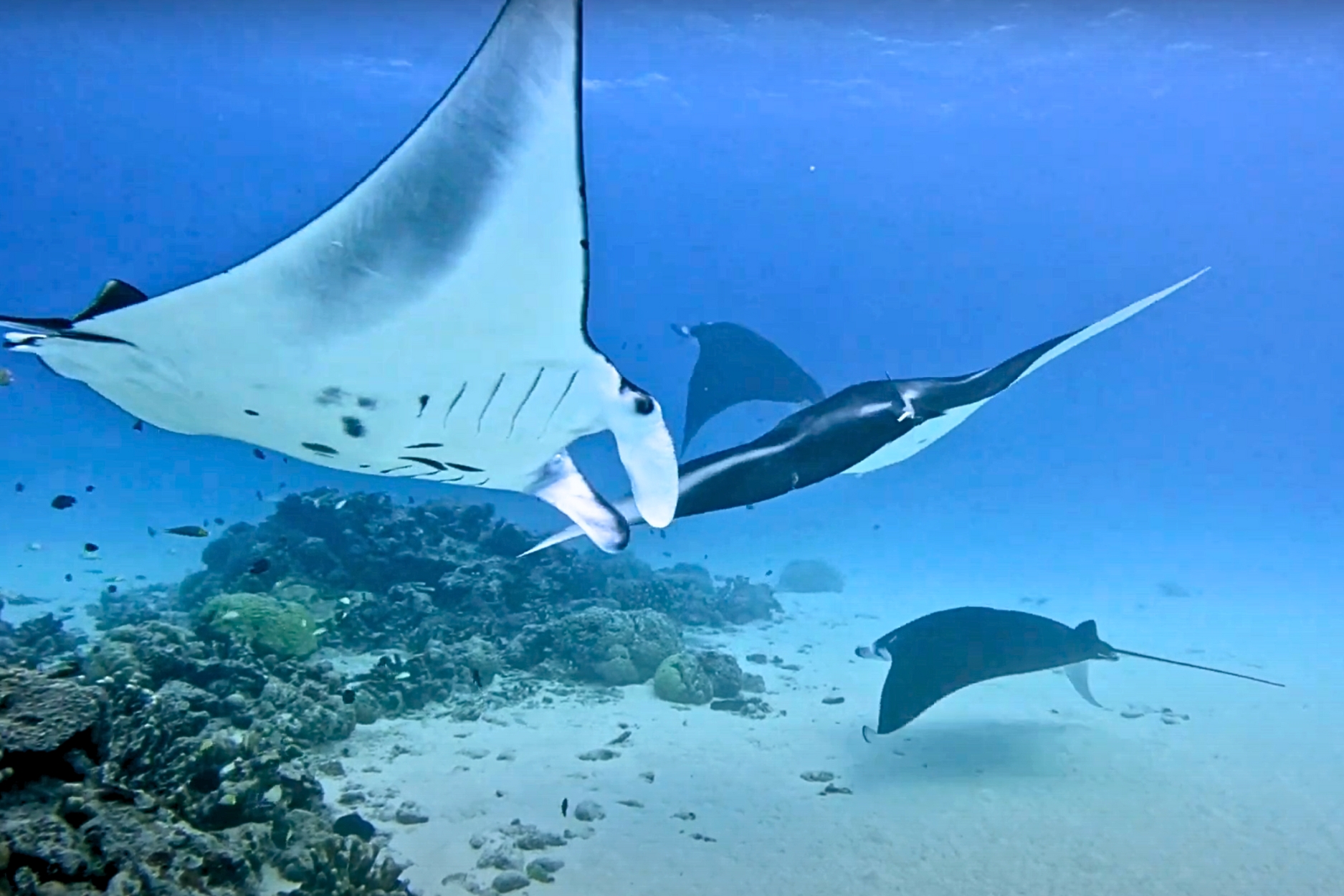
Manta rays appear to fly beneath the waves, gliding effortlessly through the ocean with wing-like fins that can span more than 20 feet. Despite their graceful underwater movements, these gentle giants are also capable of spectacular breaches, launching themselves several feet into the air before crashing back down in a dramatic splash.
These aerial displays serve several important purposes; as highly social animals, manta rays use breaching and belly-flopping behaviours to communicate with other rays, creating loud splashes that can be heard over long distances. Leaping and twisting may also help remove parasites and dead skin, contributing to their overall health and hygiene.
Breaching is also linked to feeding and courtship. Agile rolls and turns can help manta rays manoeuvre through dense patches of plankton, while powerful leaps may act as a display of strength and fitness during the breeding season.
4. Spinner sharks
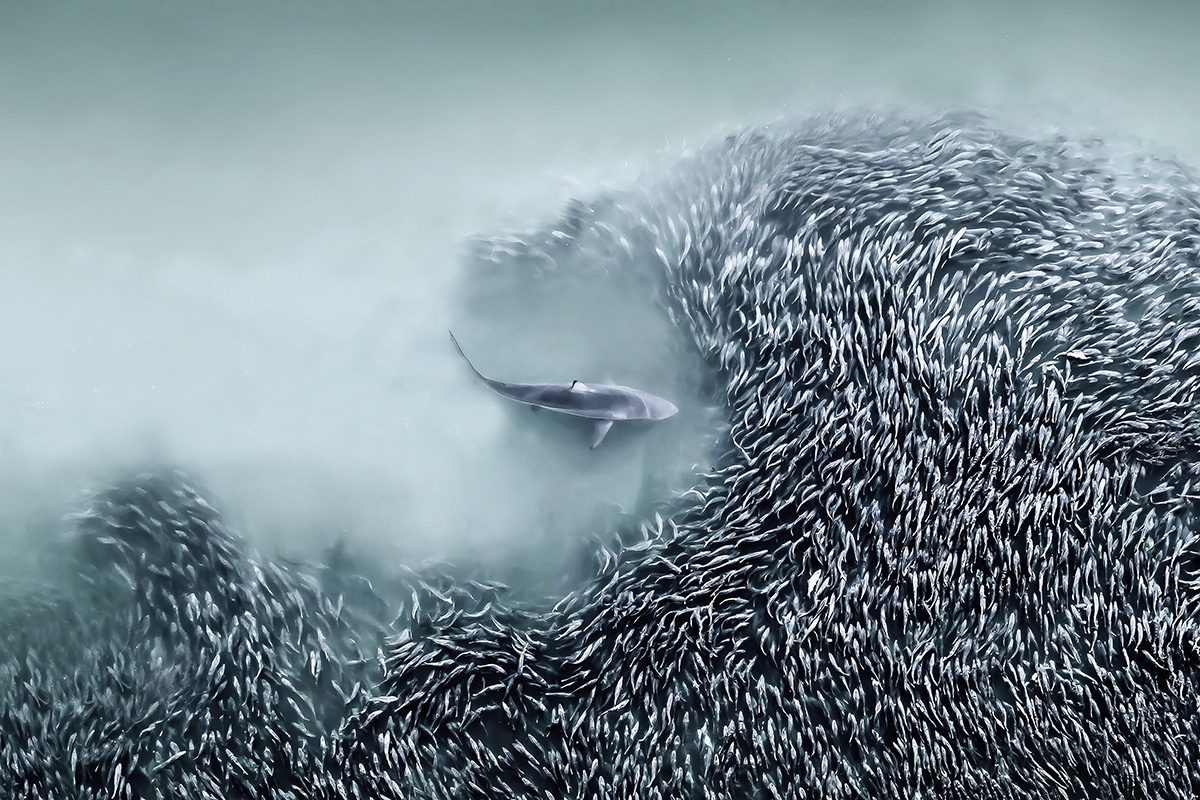
Few marine predators can match the athleticism of spinner sharks, which are famous for spinning multiple times while leaping from the water to create a corkscrew effect and confuse their prey.
Spinner sharks perform a remarkable acrobatic hunting strategy to catch fast-moving baitfish as they rocket upward through schools of fish, while spinning rapidly along their body axis to create a whirlwind of motion. As they twist through the water, they snap their jaws in multiple directions, increasing their chances of making a successful catch. This dizzying attack not only expands their strike zone but can also confuse and scatter prey, making spinner sharks some of the ocean's most dynamic hunters.
Learn more about sharks:
- What's the fastest shark in the world?
- Whale shark guide: how big they are, what they eat, and why they're endangered
- The fascinating world of the lemon shark
- Blue shark facts: size, diet and what they look like
5. Spinner dolphins
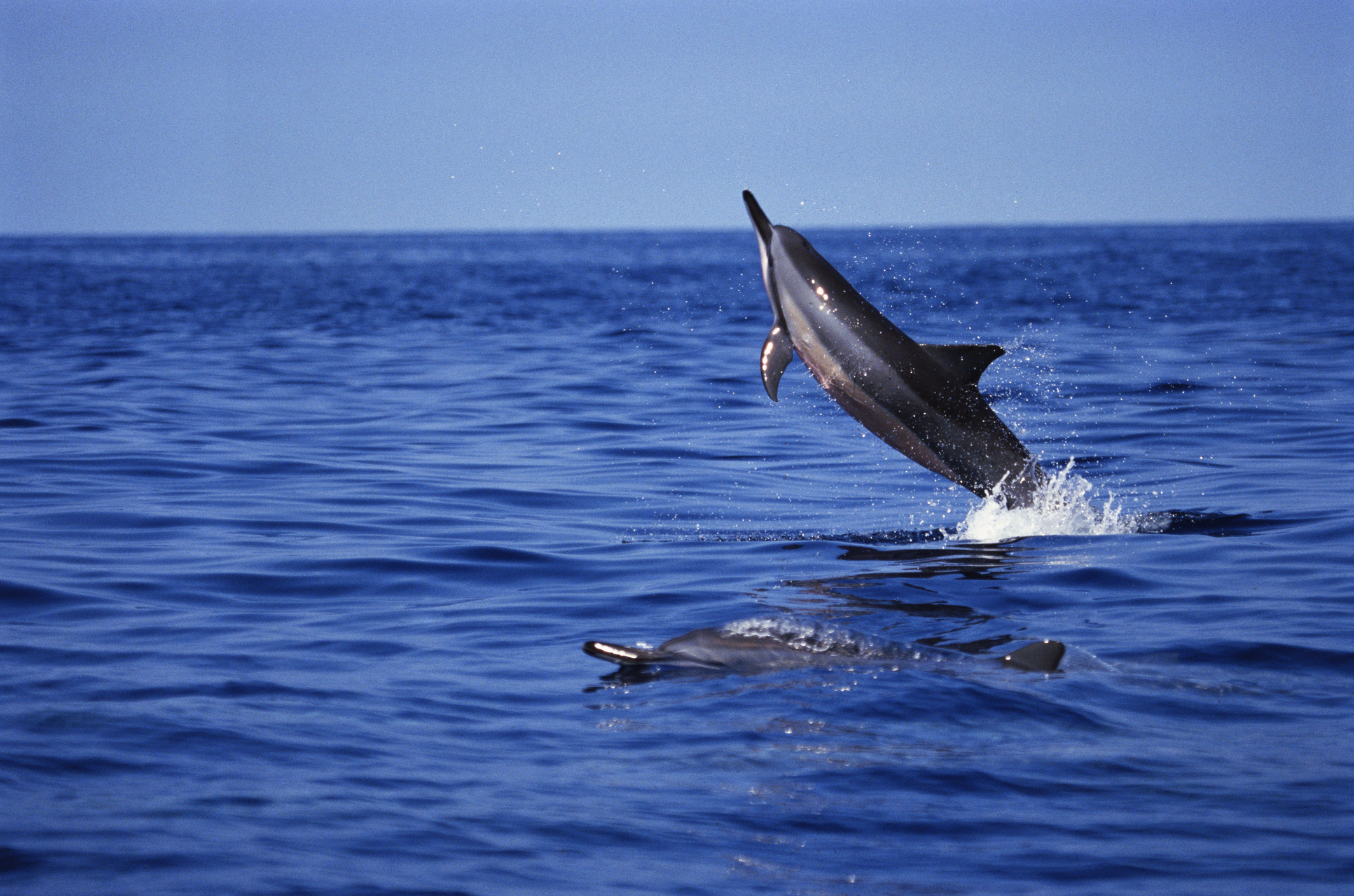
Named for their spectacular signature move, spinner dolphins are among the ocean's most accomplished acrobats, capable of rotating several times during a single leap and sometimes completing as many as seven full spins before re-entering the water. Their streamlined bodies and powerful tails allow them to launch high above the surface, creating one of the most impressive aerial displays in the marine world.
Scientists believe these spinning leaps serve a variety of purposes beyond simple showmanship. Like other dolphin species, spinner dolphins may use their acrobatics as a form of communication, while the rapid rotations can also help dislodge parasites attached to their skin. The behaviour is additionally associated with social bonding, courtship, and play. According to the Whale and Dolphin Conservation, spinner dolphins are most frequently observed spinning and leaping around sunrise and sunset as they transition between resting and active periods. This pattern has led researchers to suggest that the behaviour may function as a form of warm-up, helping the dolphins become alert and coordinated before setting off to hunt.
6. Flying Fish
Flying fish have mastered a feat that seems almost impossible for a fish: soaring above the water's surface in a display that resembles flight. By accelerating through the water at speeds exceeding 30 mph, they generate enough momentum to launch themselves into the air, where they spread their enlarged pectoral fins like wings and glide gracefully above the waves. Under ideal conditions, some species can remain airborne for considerable distances, covering up to 200 feet in a single glide while skimming just inches above the ocean's surface.
This remarkable adaptation has evolved as an effective defense against fast and powerful hunters such as tuna, swordfish, and marlin, as flying fish can burst from the water and escape into an environment where their attackers are far less agile. Once airborne, they are capable of making subtle adjustments to their body position and fins, allowing them to change direction and extend their glide, which makes them much more difficult for predators to track and capture.
7. Orcas
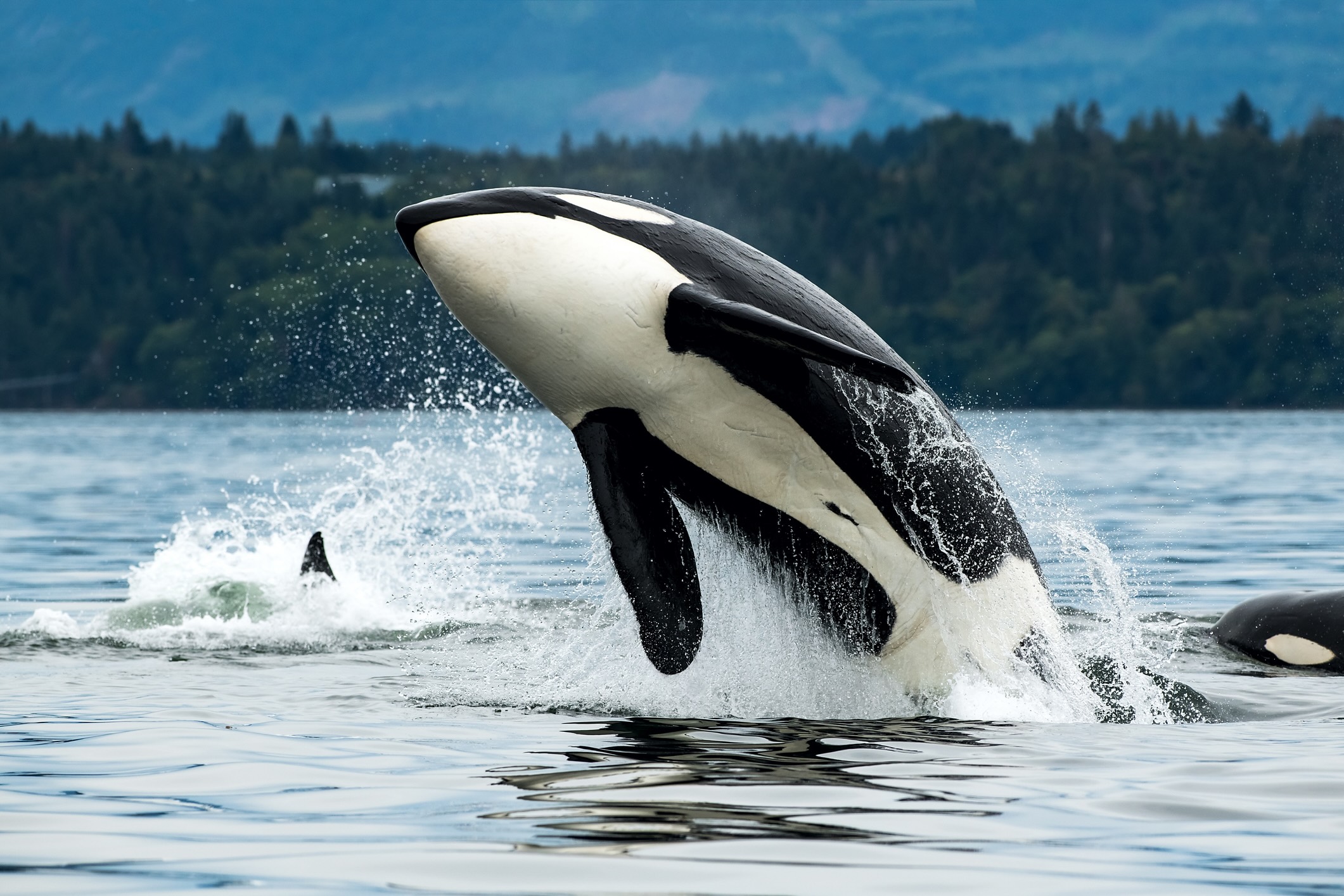
Powerful orcas, or killer whales, combine strength, intelligence, and agility to perform an impressive range of acrobatic behaviours, including breaching, tail-slapping, and synchronised movements with their pods. These highly social apex predators often use high-speed leaps during hunting, creating confusion among prey while demonstrating remarkable control and precision. The thunderous splash produced when an orca crashes back into the water may also serve as a form of long-distance communication, with sound travelling for miles underwater to other pod members.
Like many marine animals, orcas may use forceful breaches to help dislodge parasites and remove dead skin, contributing to their overall health. Young orcas are particularly playful and frequently practise jumps, spins, and other aerial manoeuvres, helping them develop the skills they will need as adults. These coordinated displays not only showcase their athletic abilities but also strengthen the social bonds that are central to life within an orca pod.
More wildlife stories:
